
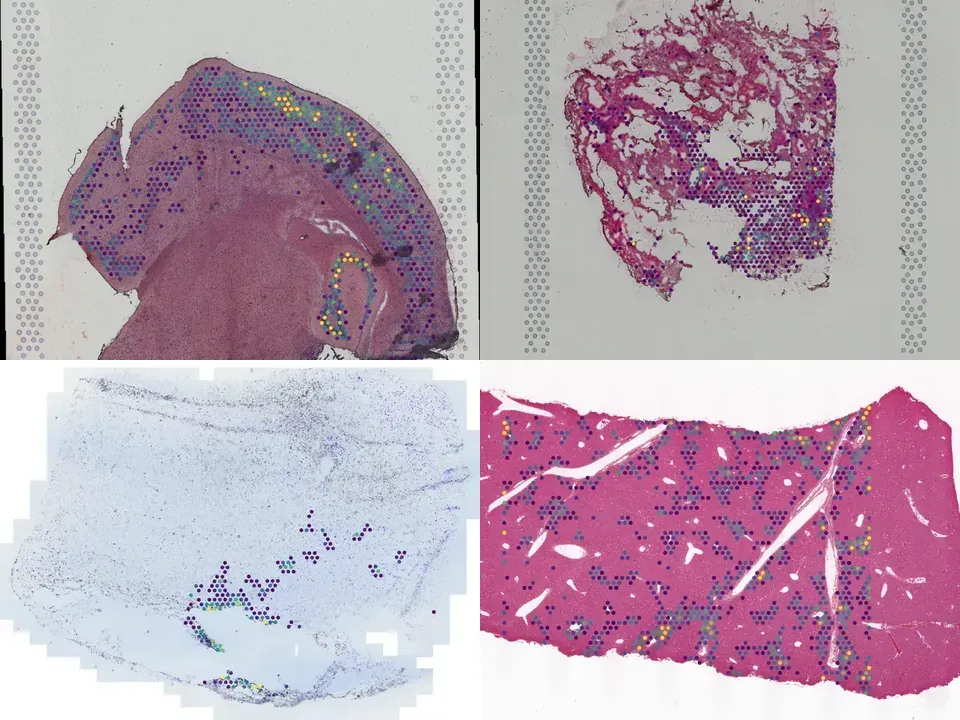
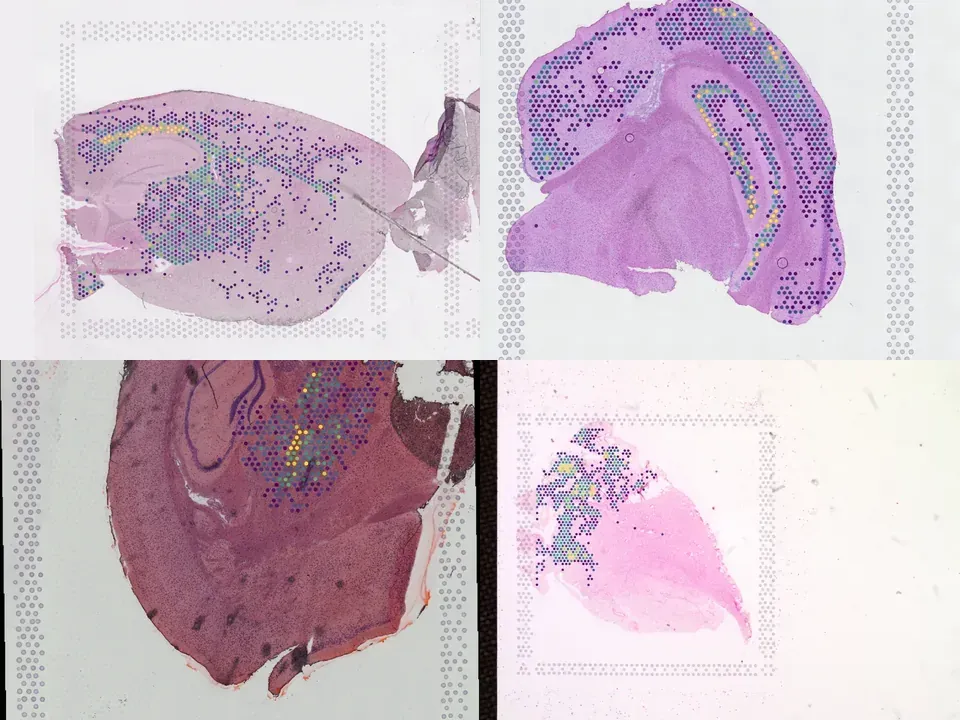
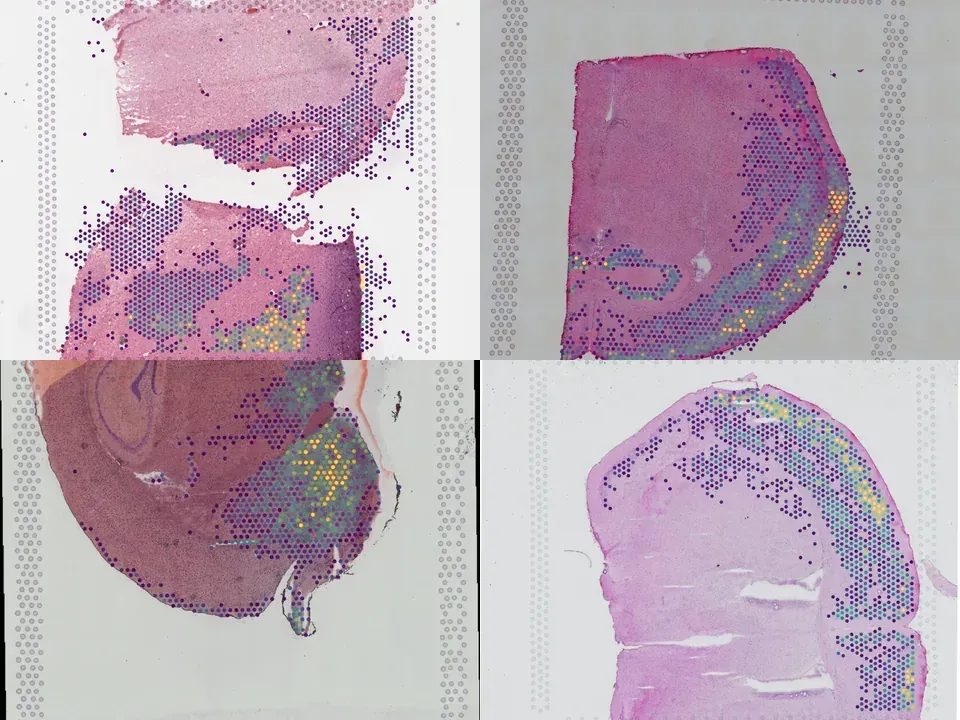
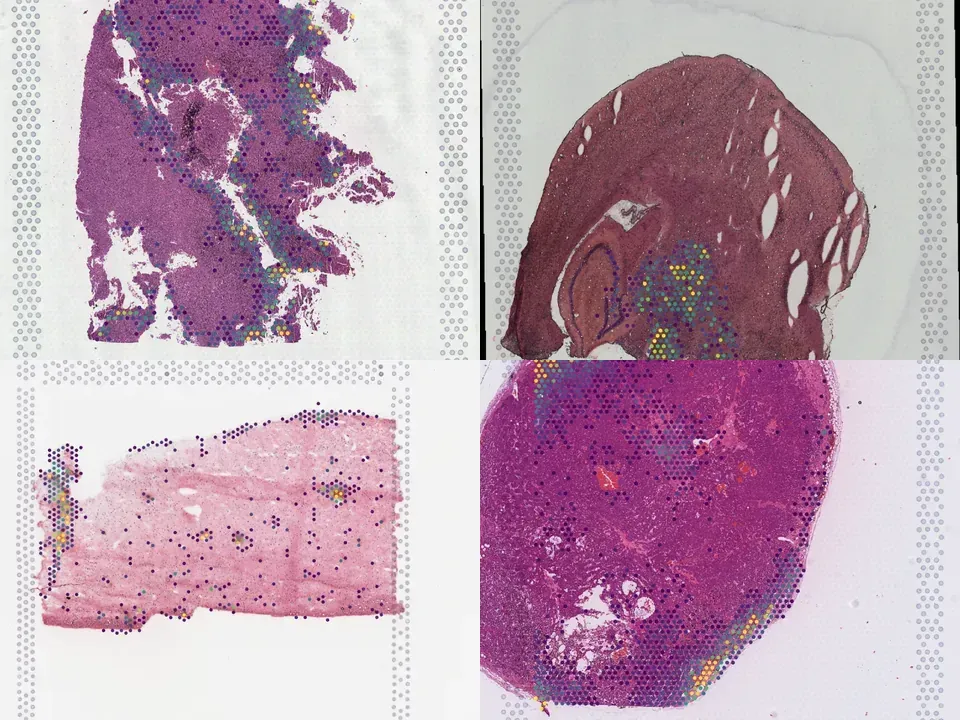
Mouse brain
GSM9608402
mouse brain 48.2 MB 2,944 spots bronze H&E NCBI GEO policy
TechnologyVisium
Organismmouse
Tissuebrain
Spots2,944
bronze H&E NCBI GEO policy
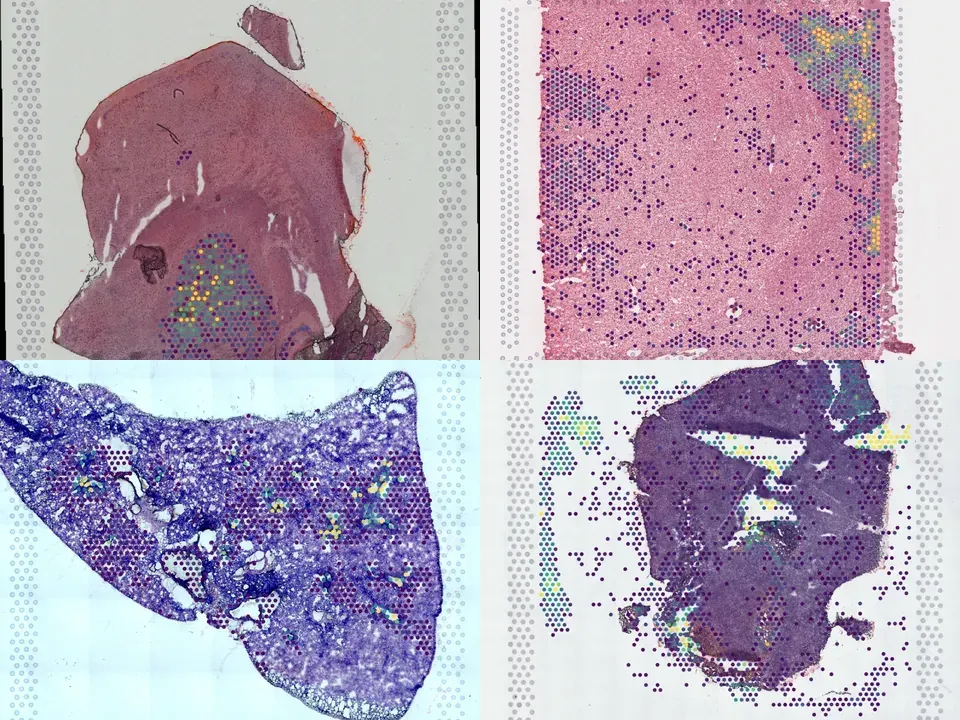
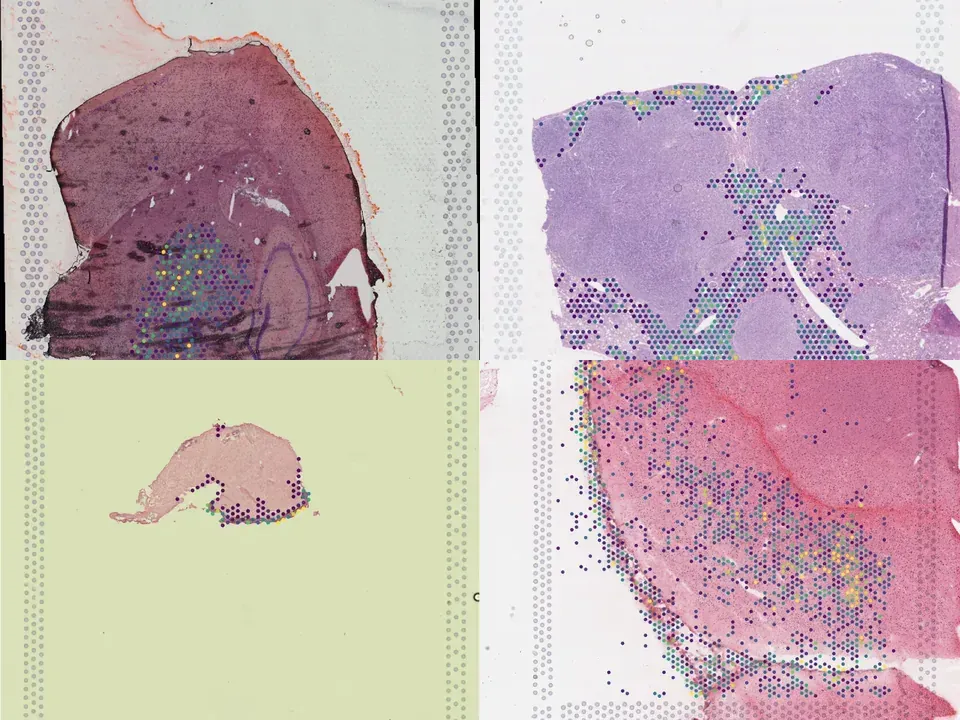
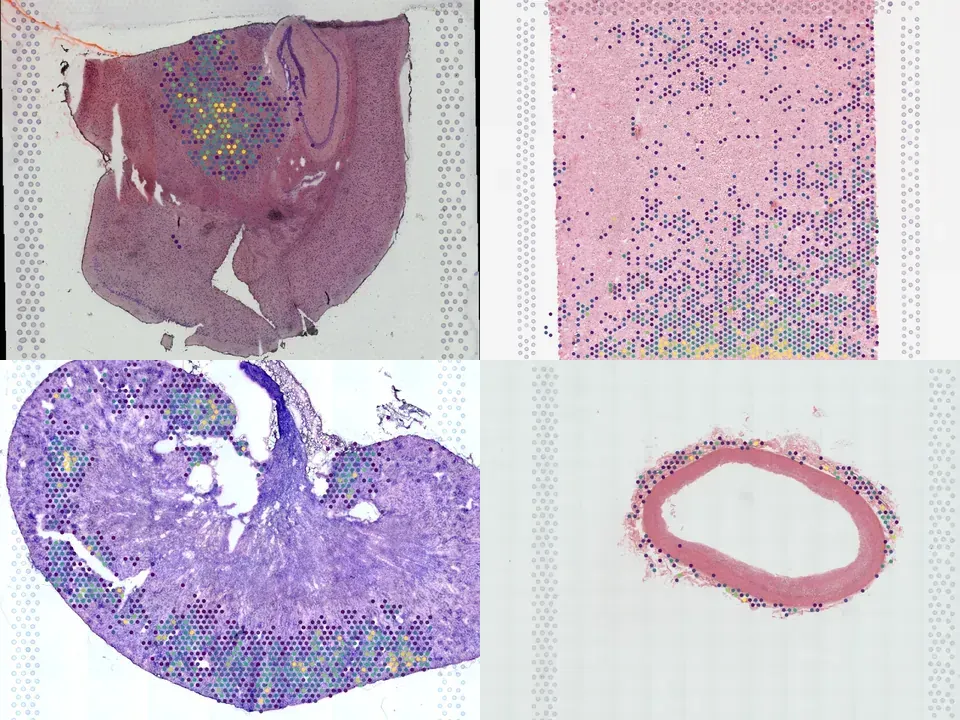
Chemotherapy-induced cognitive impairment ("chemobrain") is a frequent side-effect in cancer survivors treated with paclitaxel (PTX). The mechanisms responsible for PTX-induced cognitive impairment remain obscure, and there are no effective treatments or prevention strategies. Here, we test the hypothesis that PTX induces endothelial senescence, which impairs microvascular function and contributes to the genesis of cognitive decline. We treated transgenic p16-3MR mice, which allows the detection and selective elimination of senescent cells, with PTX (5 mg/kg/day, 2 cycles; 5 days/cycle). PTX-treated and control mice were tested for spatial memory performance, neurovascular coupling (NVC) responses (whisker-stimulation-induced increases in cerebral blood flow), microvascular density, blood-brain barrier (BBB) permeability and the presence of senescent endothelial cells (by flow cytometry and single-cell transcriptomics) at 6 months post-treatment. PTX induced senescence in endothelial cells, which associated with microvascular rarefaction, NVC dysfunction, BBB disruption, neuroinflammation, and impaired performance on cognitive tasks. To establish a causal relationship between PTX-induced senescence and impaired microvascular functions, senescent cells were depleted from PTX-treated animals (at 3 months post-treatment) by genetic (ganciclovir) or pharmacological (treatment with the senolytic drug ABT263/Navitoclax) means. In PTX treated mice, both treatments effectively eliminated senescent endothelial cells, rescued endothelium-mediated NVC responses and BBB integrity, increased capillarization and improved cognitive performance. Our findings suggest that senolytic treatments can be a promising strategy for preventing chemotherapy-induced cognitive impairment.
from sddb import Catalog

cohort = Catalog().collection("geo-gse325554")
cohort.members        # the 7 datasets as a table

print(cohort.licenses())              # check the terms before you download

sdatas = cohort.to_dict()             # {uid: SpatialData}, cached locally
# or keep the .zarr files in a folder of your choice:
# sdatas = cohort.to_dict(dest="data/")Needs pip install lamindb and network access to the Lamin database, which is limited during the alpha. If it fails, use the Client tab.
import lamindb as ln

db = ln.DB("scverse/spatialdata-db")
coll = db.Collection.get(key="geo-gse325554")
coll.ordered_artifacts.to_dataframe()   # the 7 members, ordered

# download every member .zarr to the local cache:
paths = [a.cache() for a in coll.ordered_artifacts.all()]# sddb client: download every member .zarr into data/
sddb-cli download --collection geo-gse325554 --dest data/Licenses: 7 NCBI GEO policy
No linked publication found — please cite the data source.