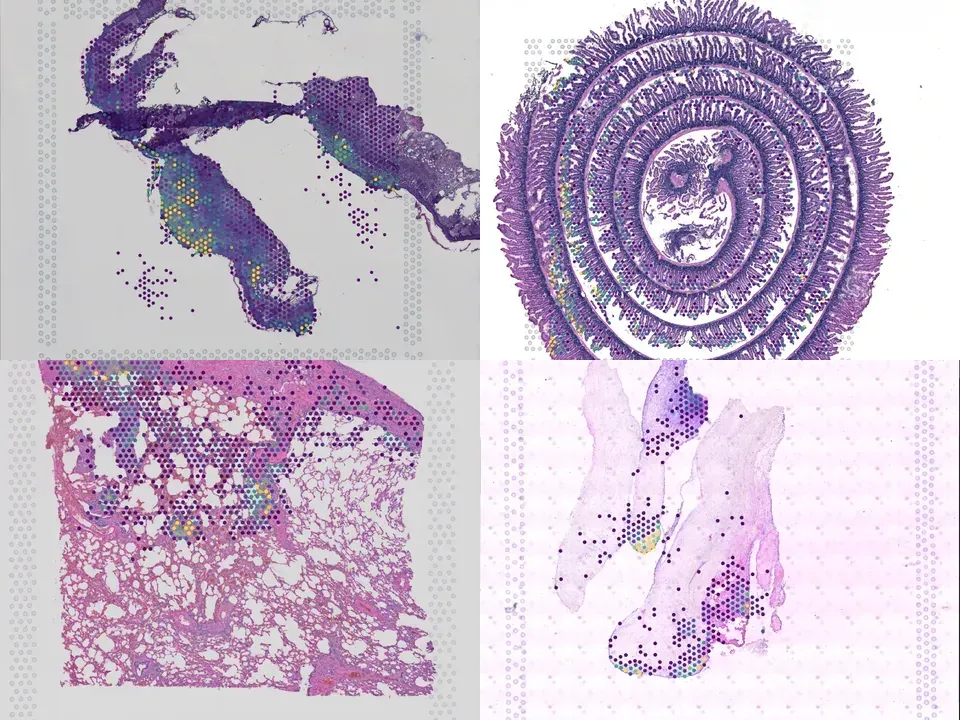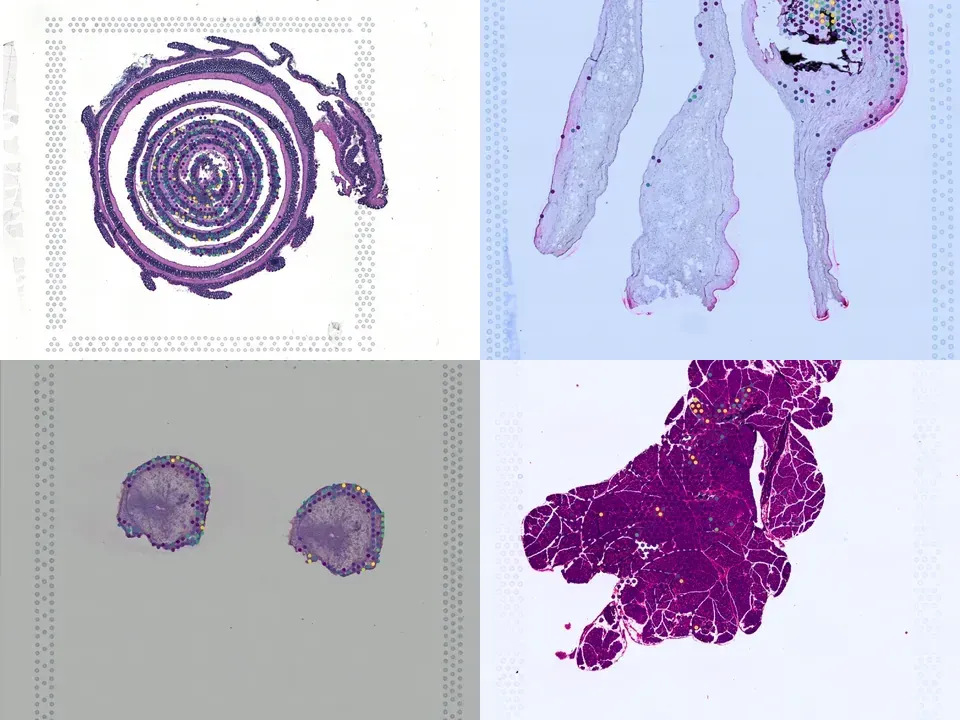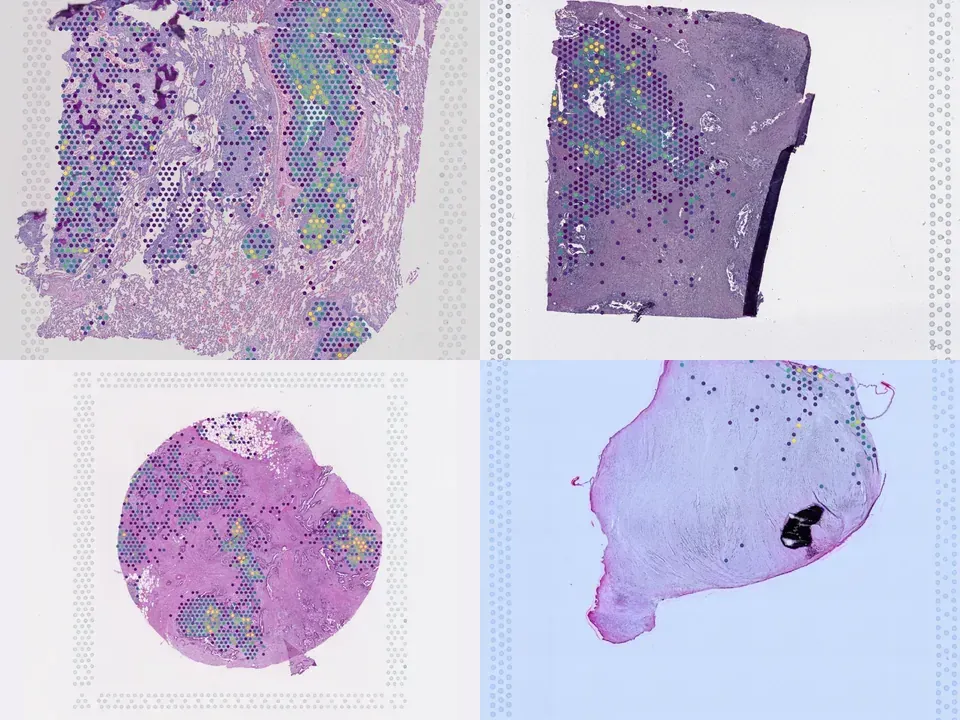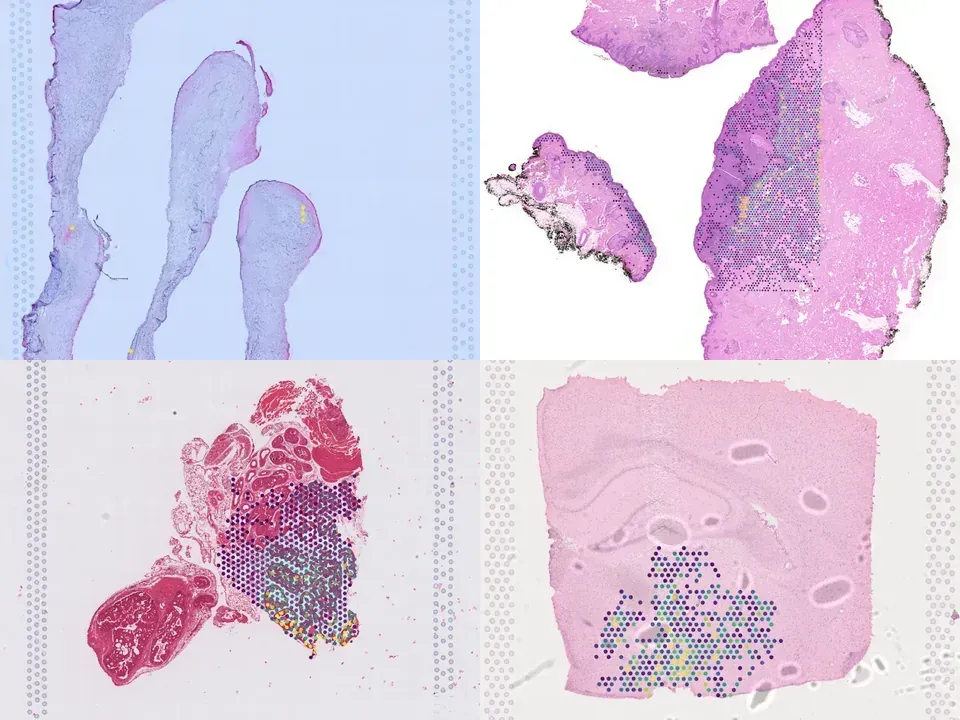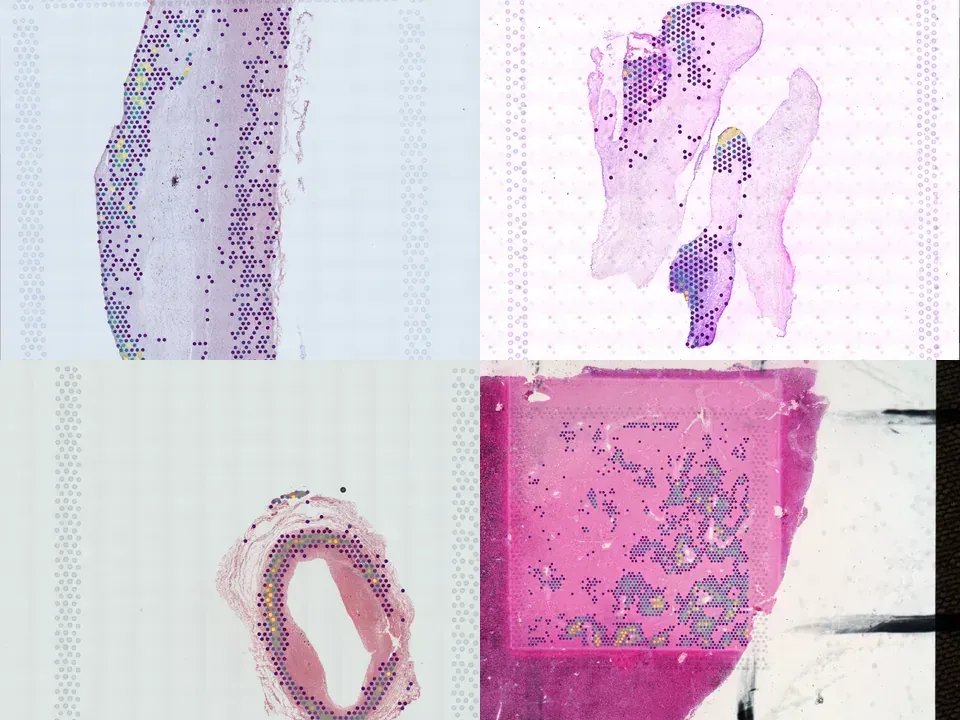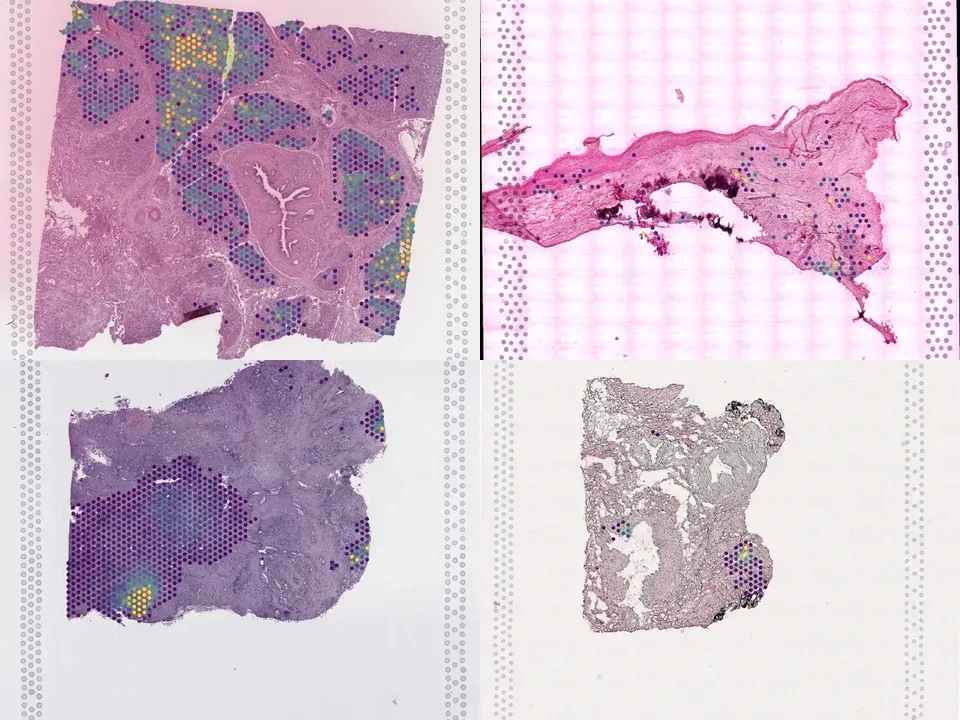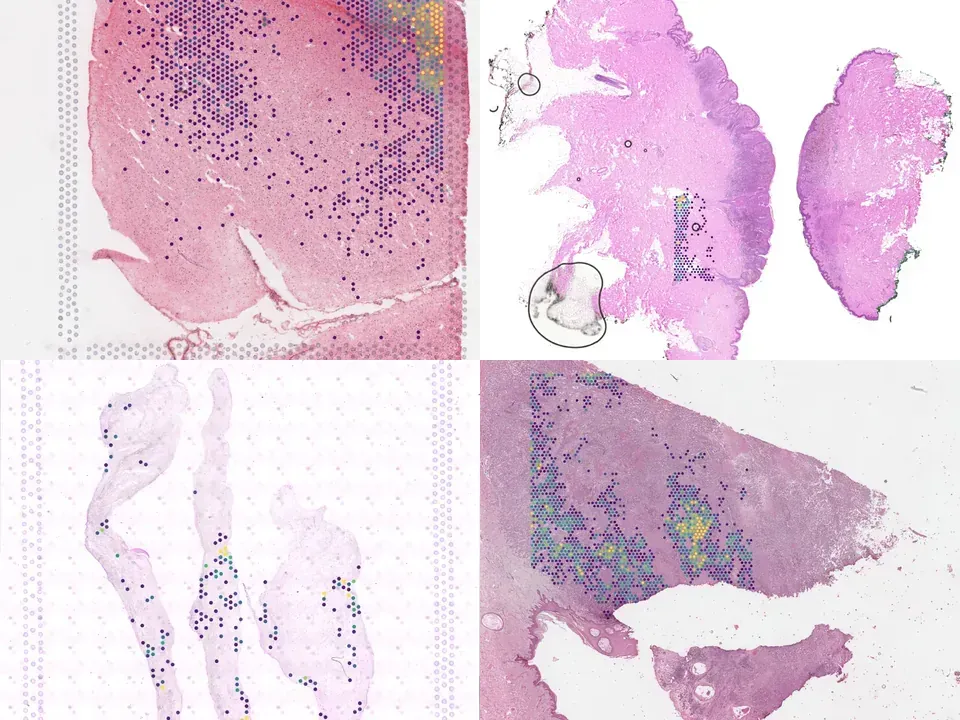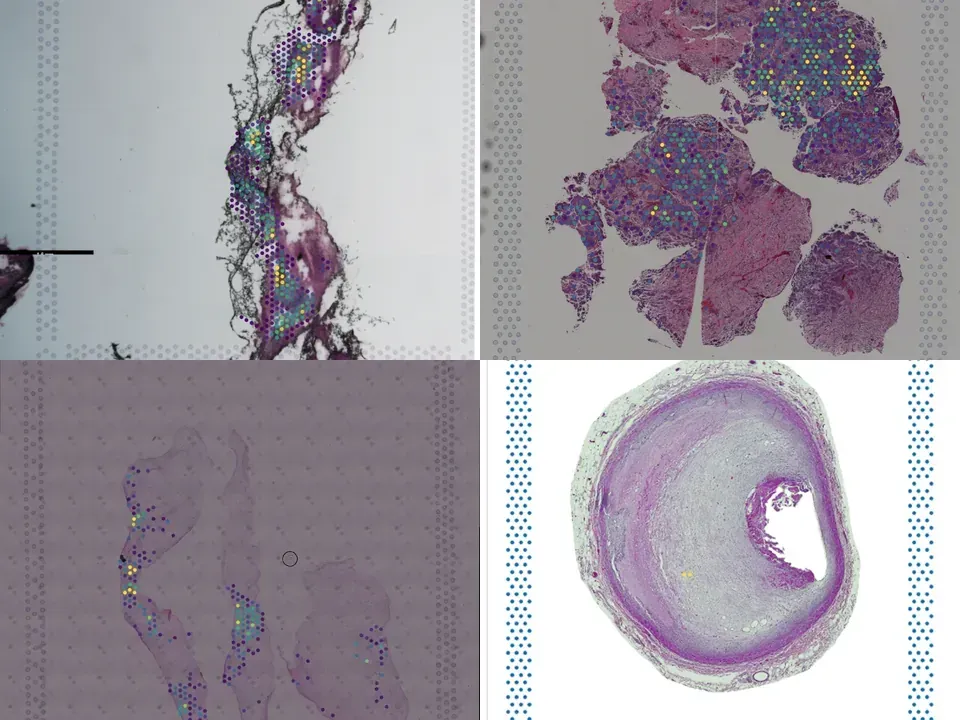
Spatial transcriptomic profiling of the human aortic valve reveals cellular sex differences near sites of calcification
Sex differences in aortic valve stenosis (AVS) progression have been documented clinically, but the underlying cellular mechanisms that drive sex-dependent calcification in aortic valve tissue remain poorly understood. Here, we harnessed single cell and spatial transcriptomics to investigate mechanisms that drive sex dependent spatial organization of valvular interstitial cell (VIC) and macrophage gene expression near calcification sites in human male and female aortic valve tissue. Histological analyses of aortic valve tissues stratified into healthy and diseased cohorts based on degree of calcification reveal increased valve calcification area in diseased male aortic valves relative to female, and increased valve thickening in diseased female aortic valves. Single cell sequencing analysis of heterogeneous valvular interstitial cell (VIC) populations reveals male-dependent gene expression of the Activator Protein 1 (AP-1) transcription factor complex. Spatial transcriptomics and RNA-FISH analyses of VIC populations near sites of calcification revealed male-dependent gene expression localization of Cartilage Oligomeric Matrix Protein (COMP), as opposed to diffuse COMP expression in female VICs. Cell-cell communication analyses were used to determine female-specific macrophage-VIC interactions. Secreted phosphoprotein 1 (also known as osteopontin) expressed from macrophages interacts with the cell surface receptor CD44 expressed by VICs to drive a pro-fibrotic phenotype in female aortic valves. Together, our results reveal sex differences in VIC and macrophage heterogeneity and functions near sites of calcification in aortic valve tissue. Our results highlight the importance of sex-based transcriptomics analyses to understand the cellular phenotypes responsible for causing sex differences in aortic valve fibrosis calcification.
from sddb import Catalog
cohort = Catalog().collection("geo-gse306288")
cohort.members # the 8 datasets as a table
print(cohort.licenses()) # check the terms before you download
sdatas = cohort.to_dict() # {uid: SpatialData}, cached locally
# or keep the .zarr files in a folder of your choice:
# sdatas = cohort.to_dict(dest="data/") Needs pip install lamindb and network access to the Lamin database, which is limited during the alpha. If it fails, use the Client tab.
import lamindb as ln
db = ln.DB("scverse/spatialdata-db")
coll = db.Collection.get(key="geo-gse306288")
coll.ordered_artifacts.to_dataframe() # the 8 members, ordered
# download every member .zarr to the local cache:
paths = [a.cache() for a in coll.ordered_artifacts.all()] # sddb client: download every member .zarr into data/
sddb-cli download --collection geo-gse306288 --dest data/ Licenses: 8 NCBI GEO policy
Cite this collection
doi.org/10.1161/atvbaha.126.324694 ↗@article{Baddour_2026,
title = {Spatial and Single-Cell Mapping Reveals Valvular Interstitial Cell and Macrophage Sex Differences in Calcific Aortic Valve Disease},
volume = {46},
ISSN = {1524-4636},
url = {http://dx.doi.org/10.1161/atvbaha.126.324694},
DOI = {10.1161/atvbaha.126.324694},
number = {7},
journal = {Arteriosclerosis, Thrombosis, and Vascular Biology},
publisher = {Ovid Technologies (Wolters Kluwer Health)},
author = {Baddour, Talia and Ninh, Van K. and Gorashi, Rayyan M. and Peña, Rene and King, Kevin R. and Aguado, Brian A.},
year = {2026},
month = July
}