
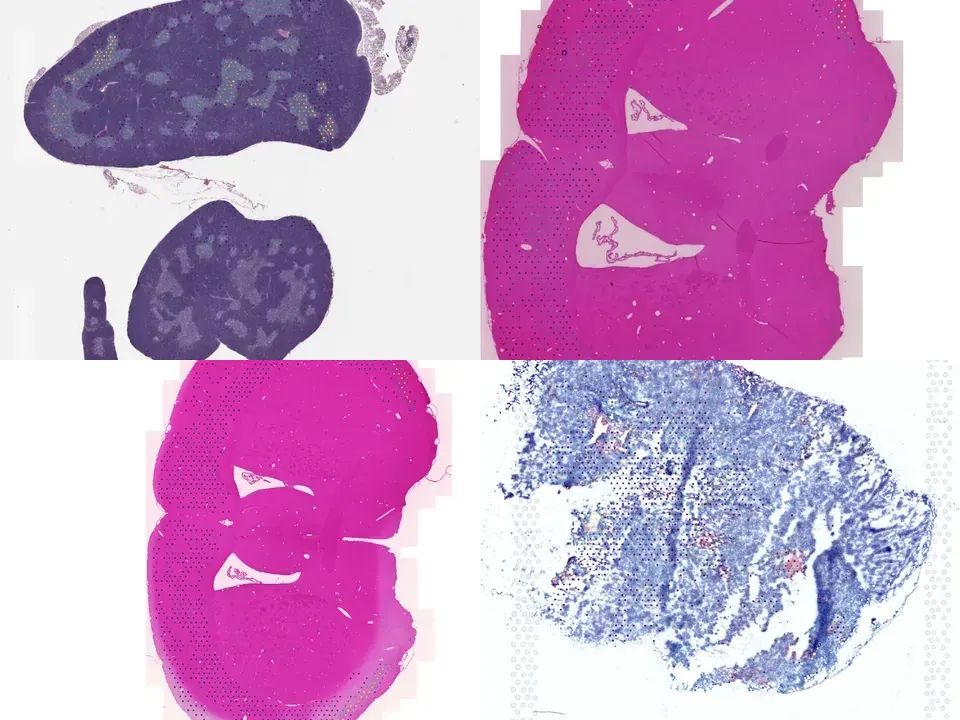
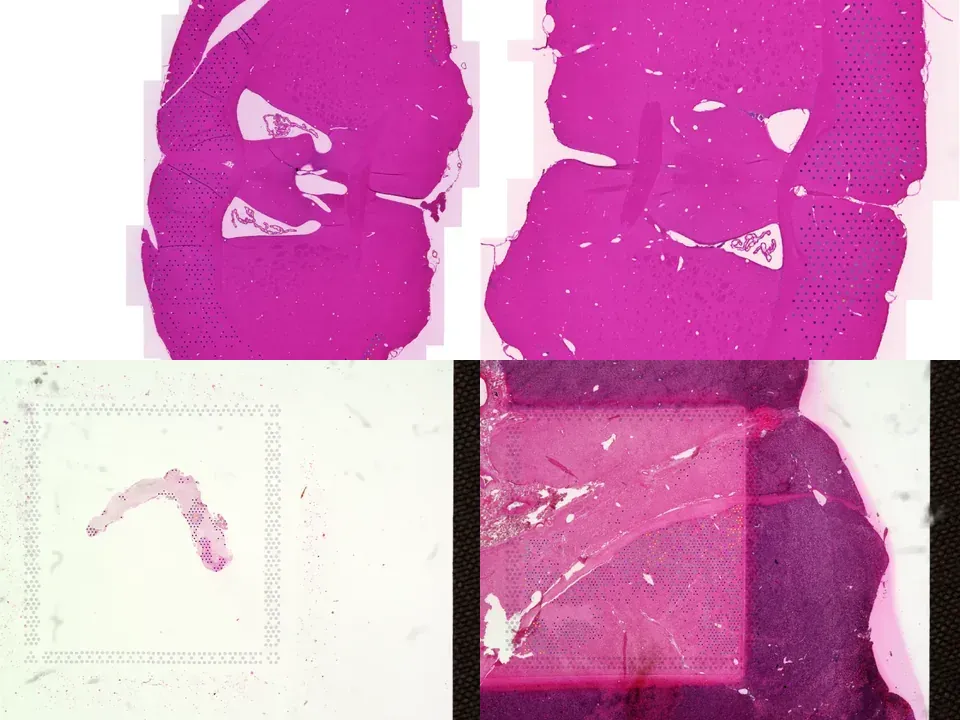
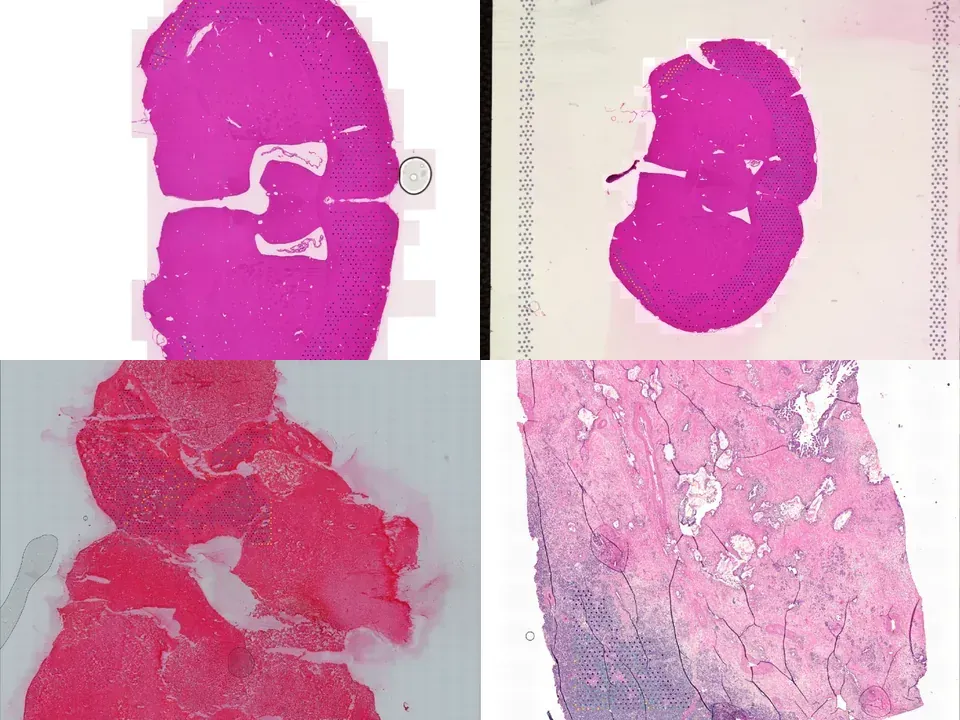
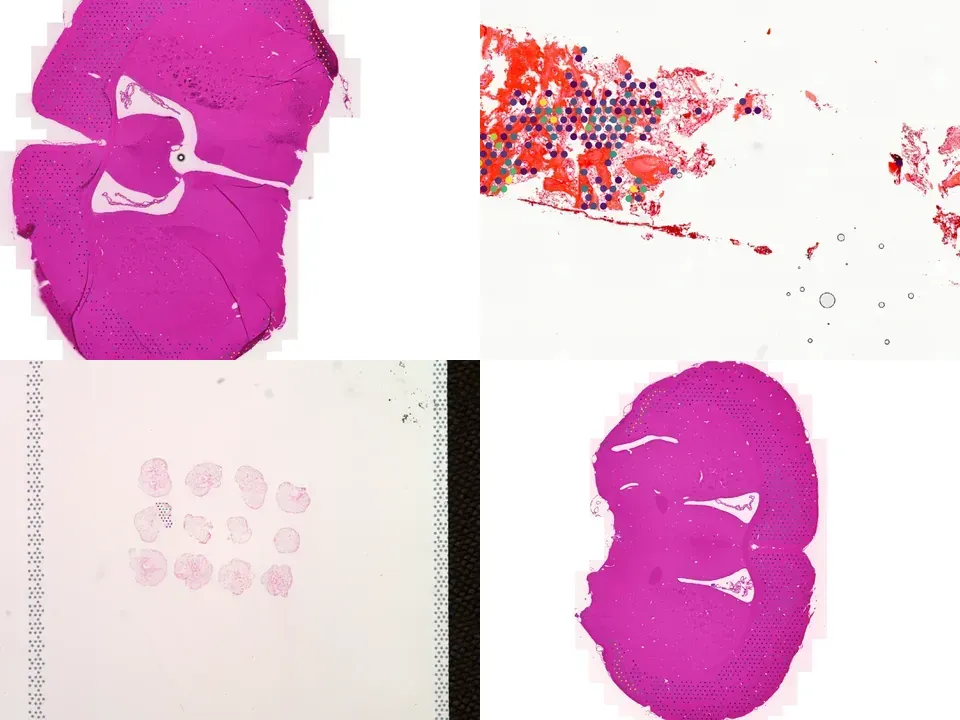
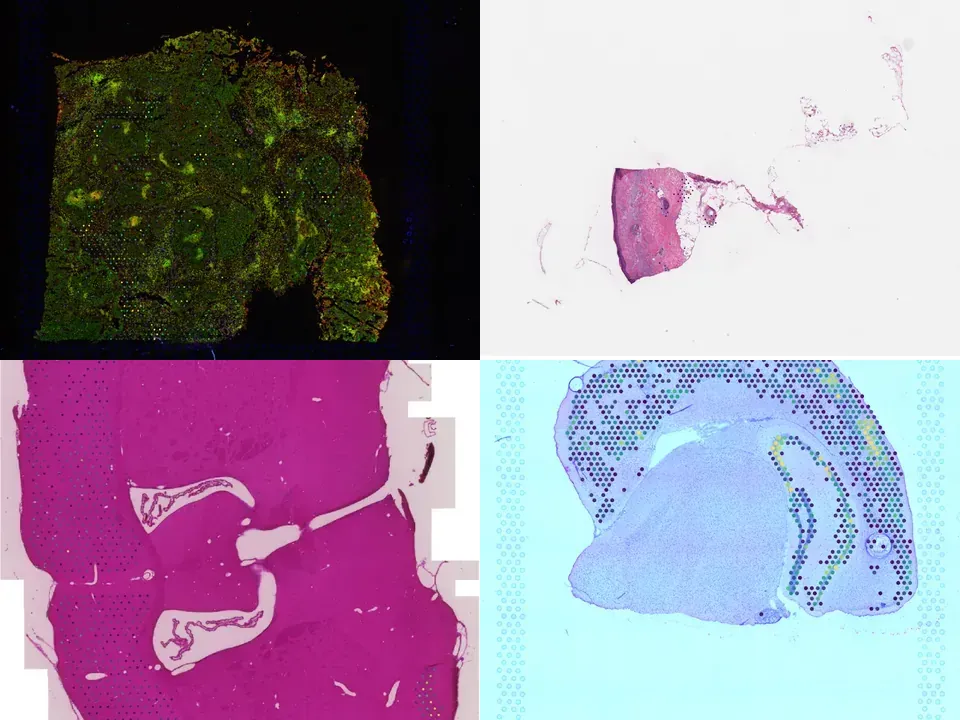
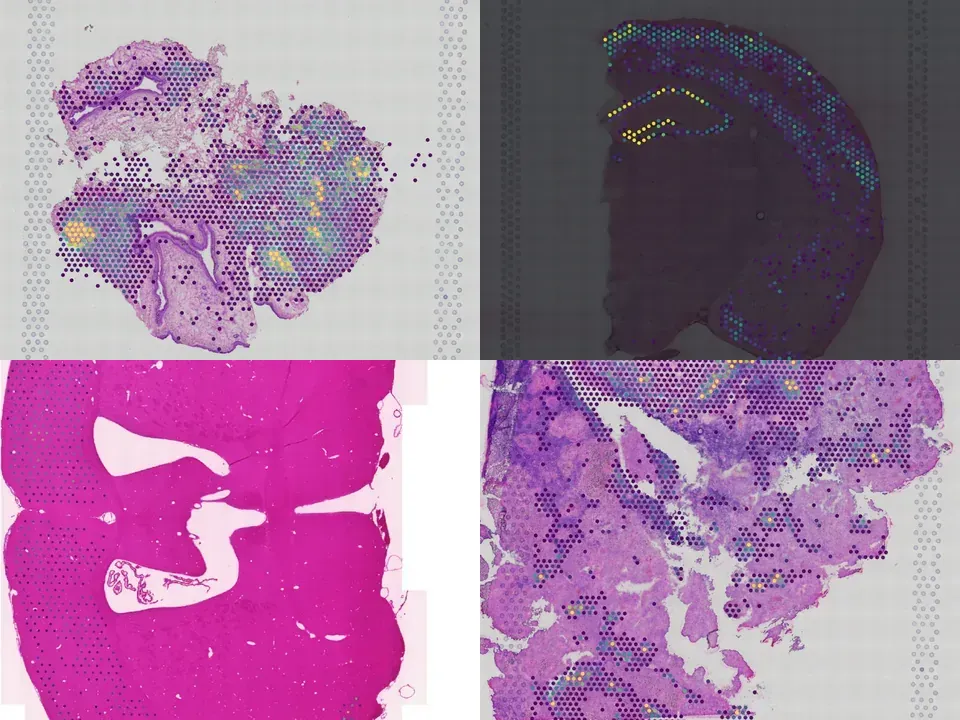
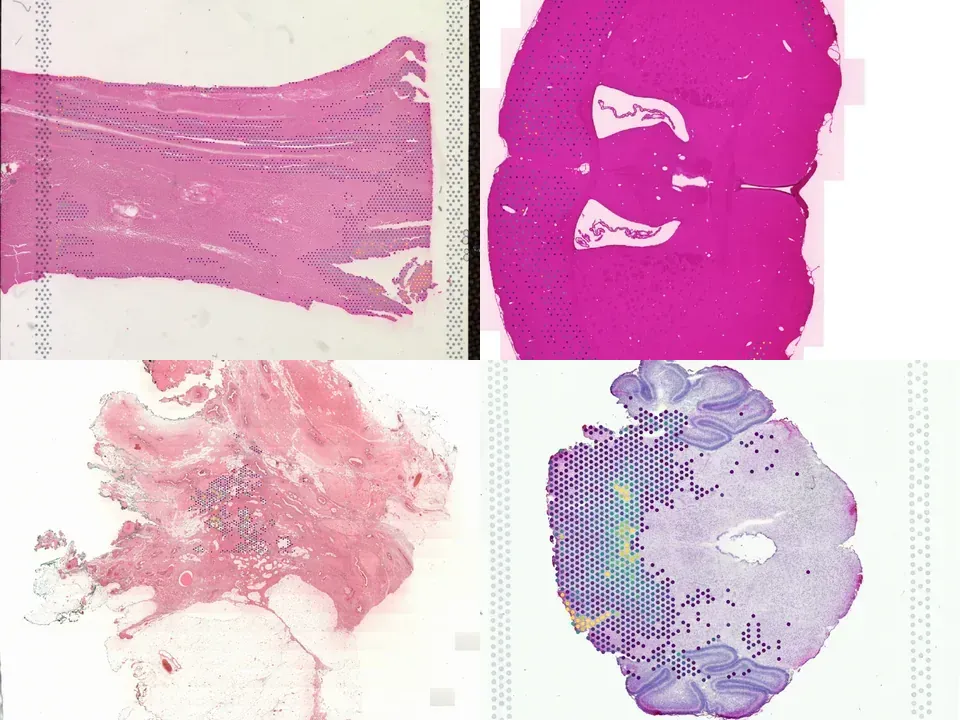
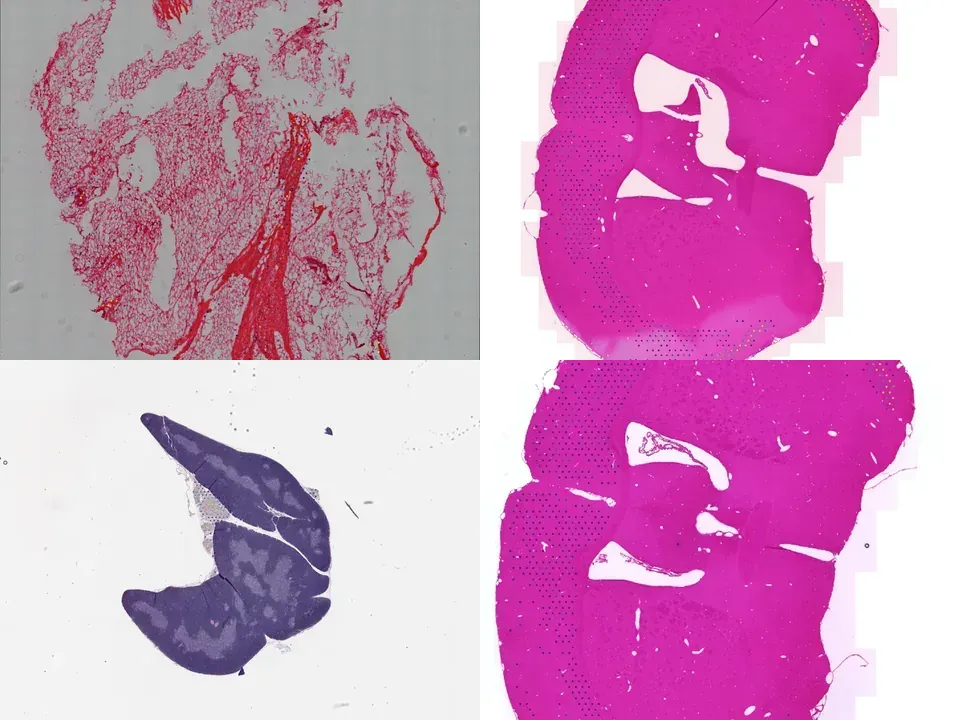
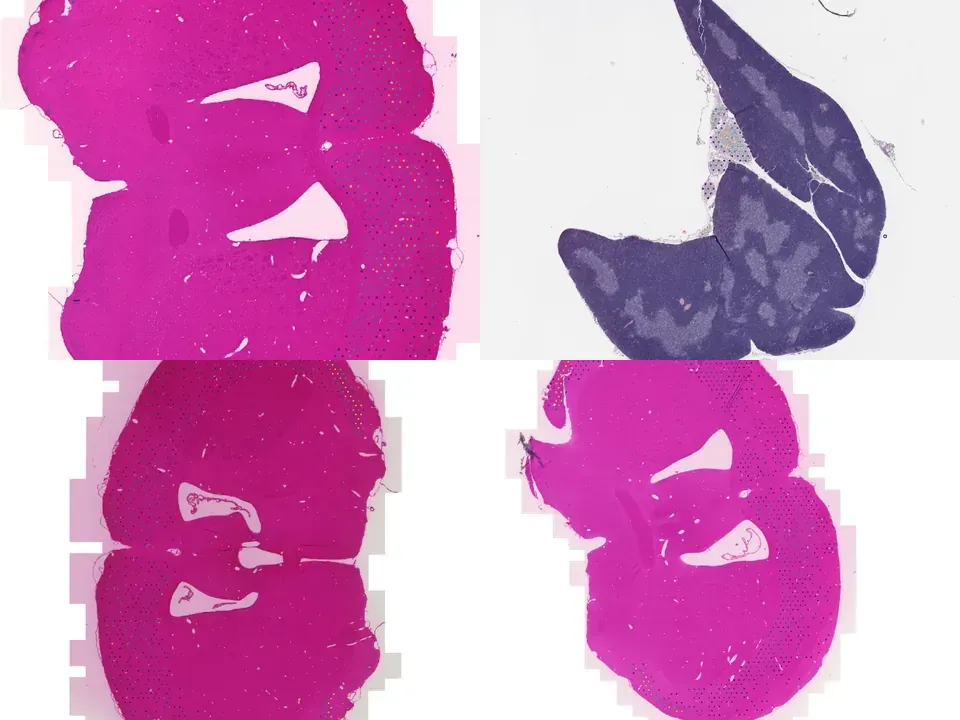
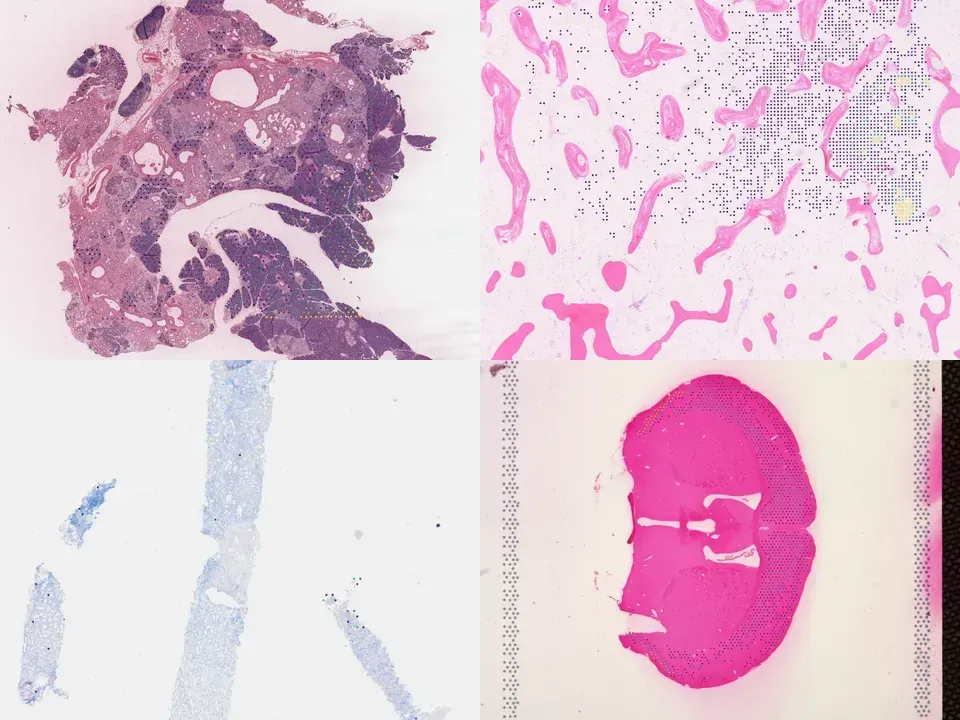
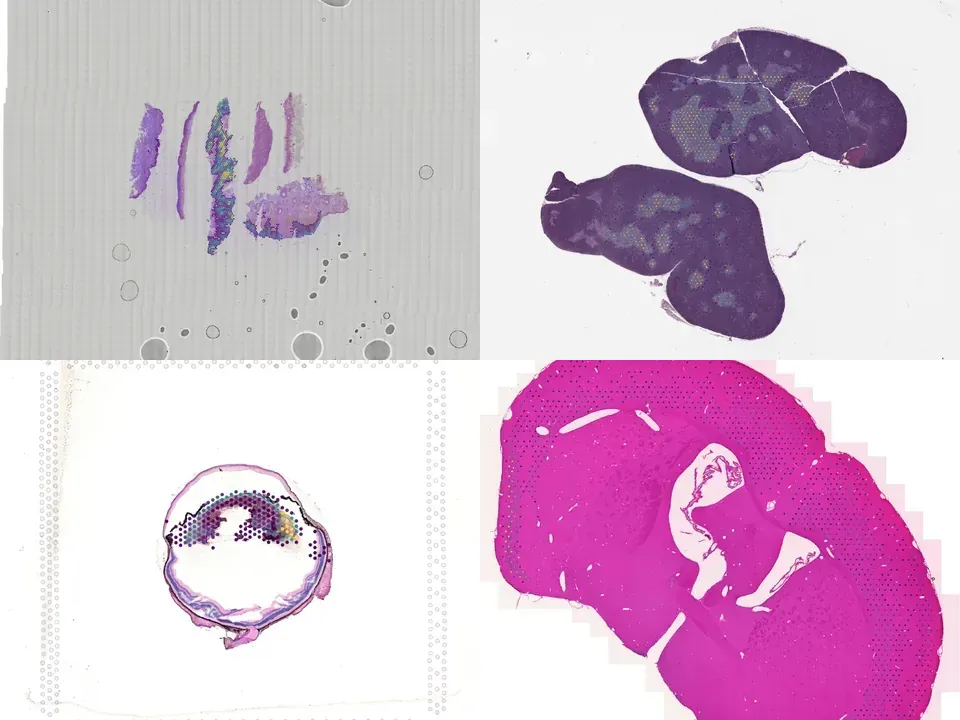
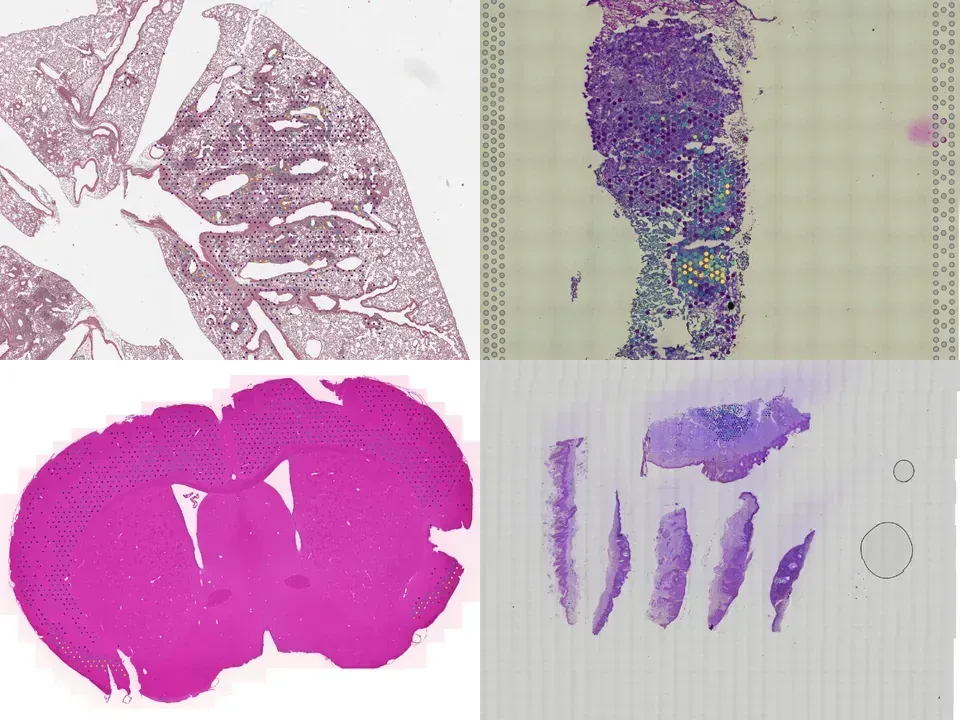
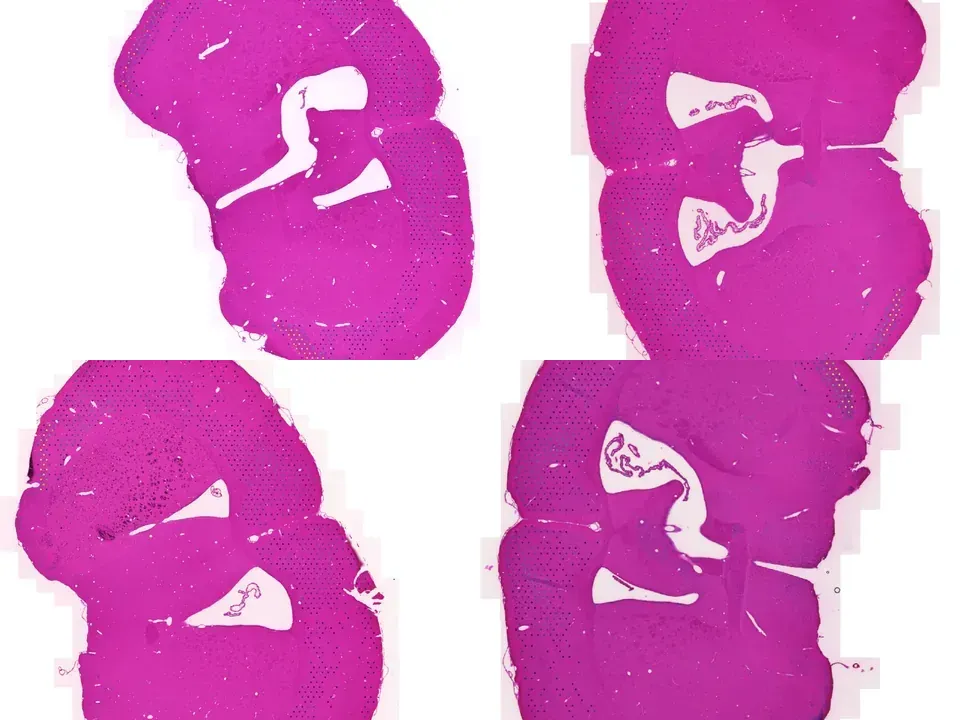
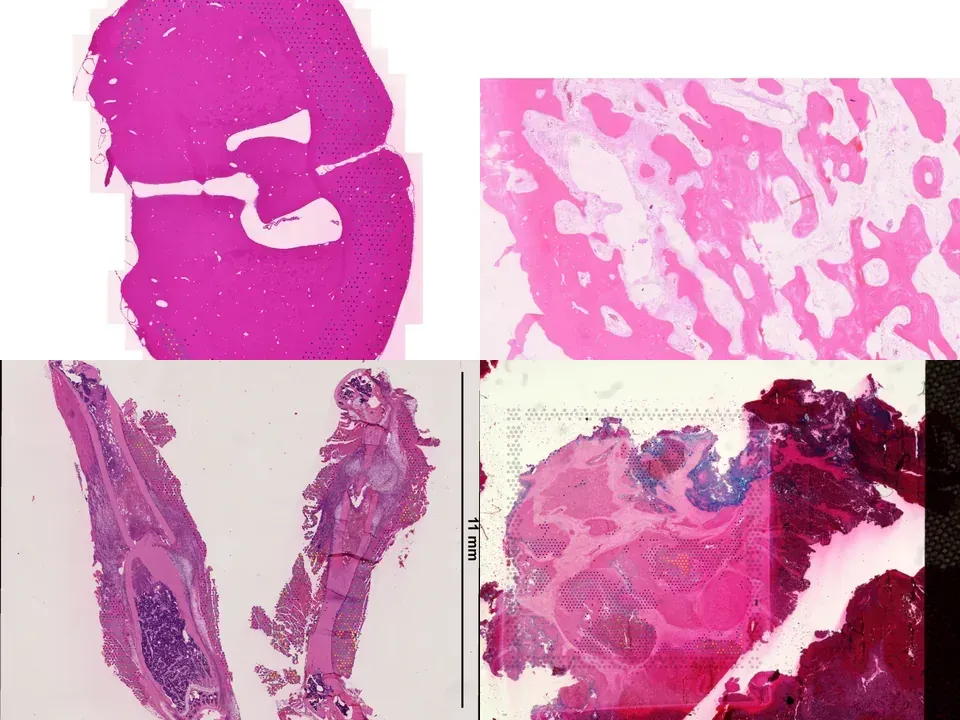
Mouse brain
GSM9517485
mouse brain 147 MB 3,976 spots silver H&E NCBI GEO policy
TechnologyVisium
Organismmouse
Tissuebrain
Spots3,976
silver H&E NCBI GEO policy
Damage to long myelinated axons of white matter tracts is a hallmark pathology resulting from traumatic brain injury (TBI) forces and secondary injury processes. 4-aminopyridine (4-AP) is an FDA-approved Kv1 potassium channel inhibitor designed to mitigate axon dysfunction. We examined repurposing 4-AP as an acute TBI treatment using clinically-oriented neuropathology of axon damage combined with unbiased genome-wide spatial transcriptomics for comprehensive analysis of secondary injury processes. Adult male and female mice received a non-penetrating impact TBI with 4-AP (i.p., b.i.d) on days 1-7 post-injury. Along corpus callosum (CC) axons, TBI disrupted node of Ranvier domains, exposing the putative 4-AP target of mislocalized Kv1 channels (p < 0.005). Clinically reasonable 4-AP dosing (0.5 mg/kg) reduced nodal Nav1.6 channel loss (p < 0.05) and Caspr heminode formation (p < 0.005) after injury. Quantification of β-amyloid precursor protein immunolabeling showed significantly reduced CC axon damage at 4-AP doses of 0.5 mg/kg and 5 mg/kg (each p < 0.005). 4-AP safety, based on potential seizure risk after TBI, was unaltered with vehicle or 0.5 mg/kg 4-AP, while the 5 mg/kg dose induced seizure behavior in sham and TBI groups (p < 0.0001). Spatial transcriptomics mapped molecular signatures to tissue pathology. TBI increased axonal injury response genes in the CC and in motor and somatosensory cortex sites of CC projection neurons. TBI induced disease-associated glial phenotypes that mapped predominantly within the CC. TBI increased pathway expression for immune and vascular functions, neuron and glial cell signaling, and cellular dyshomeostasis, while reducing expression in myelination-related pathways. Gene expression analysis of 4-AP treatment (0.5 mg/kg) indicated potassium channel target engagement and increased neuroaxonal activity, along with dampened secondary injury responses. Collectively, these findings reveal underlying molecular pathology of the secondary injury response and advance 4-AP translation to reduce axon damage and stimulate activity-dependent repair after acute TBI.
from sddb import Catalog

cohort = Catalog().collection("geo-gse319409")
cohort.members        # the 24 datasets as a table

print(cohort.licenses())              # check the terms before you download

sdatas = cohort.to_dict()             # {uid: SpatialData}, cached locally
# or keep the .zarr files in a folder of your choice:
# sdatas = cohort.to_dict(dest="data/")Needs pip install lamindb and network access to the Lamin database, which is limited during the alpha. If it fails, use the Client tab.
import lamindb as ln

db = ln.DB("scverse/spatialdata-db")
coll = db.Collection.get(key="geo-gse319409")
coll.ordered_artifacts.to_dataframe()   # the 24 members, ordered

# download every member .zarr to the local cache:
paths = [a.cache() for a in coll.ordered_artifacts.all()]# sddb client: download every member .zarr into data/
sddb-cli download --collection geo-gse319409 --dest data/Licenses: 24 NCBI GEO policy
@article{Sullivan_2026,
  title = {Mapping the secondary response to traumatic brain injury using spatial transcriptomics shows acute 4-aminopyridine treatment mitigates axonal and molecular pathology},
  volume = {14},
  ISSN = {2051-5960},
  url = {http://dx.doi.org/10.1186/s40478-025-02219-1},
  DOI = {10.1186/s40478-025-02219-1},
  number = {1},
  journal = {Acta Neuropathologica Communications},
  publisher = {Springer Science and Business Media LLC},
  author = {Sullivan, Genevieve M. and Radomski, Kryslaine L. and He, Shaoqiu and Wilkerson, Matthew D. and Dalgard, Clifton L. and Alba, Camille and Zi, Xiaomei and Doughty, Martin L. and Armstrong, Regina C.},
  year = {2026},
  month = Jan
}