
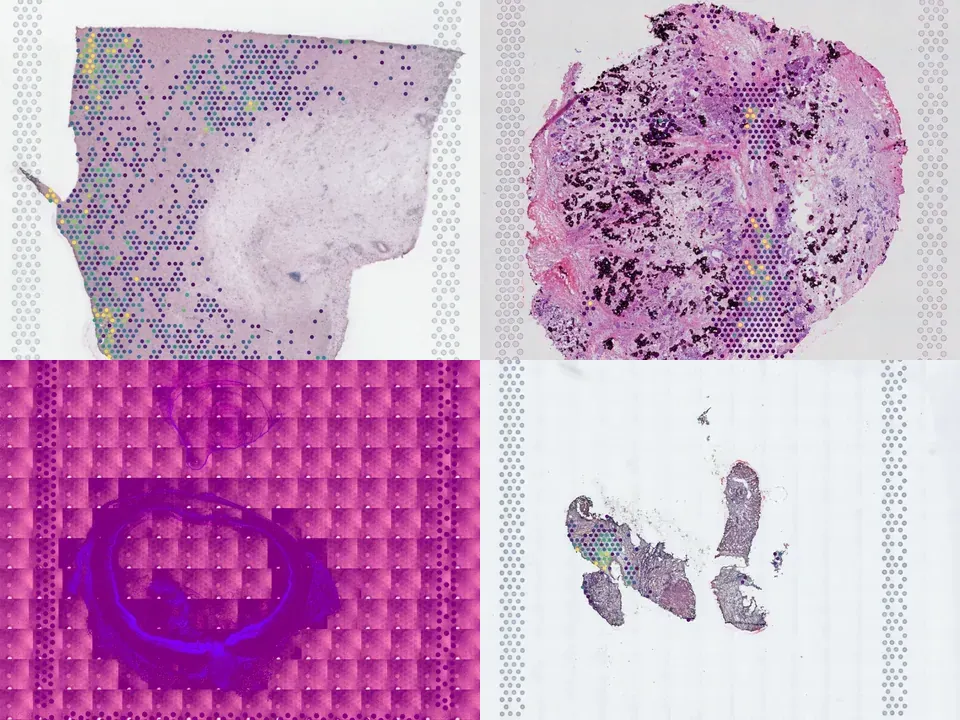
Zebra finch retina
GSM9266974
zebra finch retina 1.1 GB 777 spots silver NCBI GEO policy
TechnologyVisium
Organismzebra finch
Tissueretina
Spots777
silver NCBI GEO policy
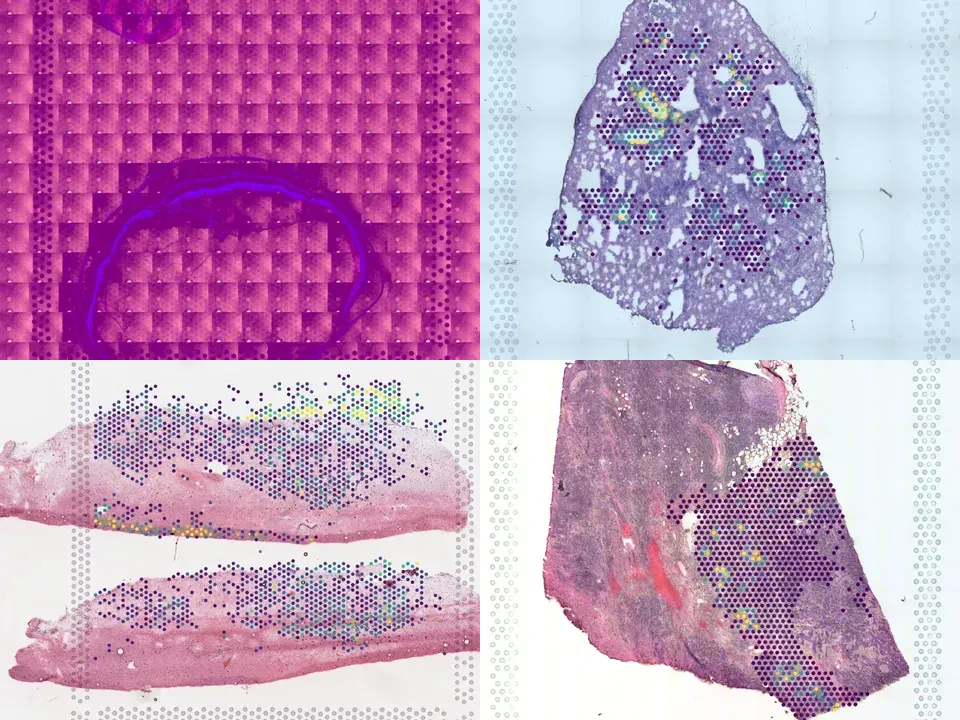
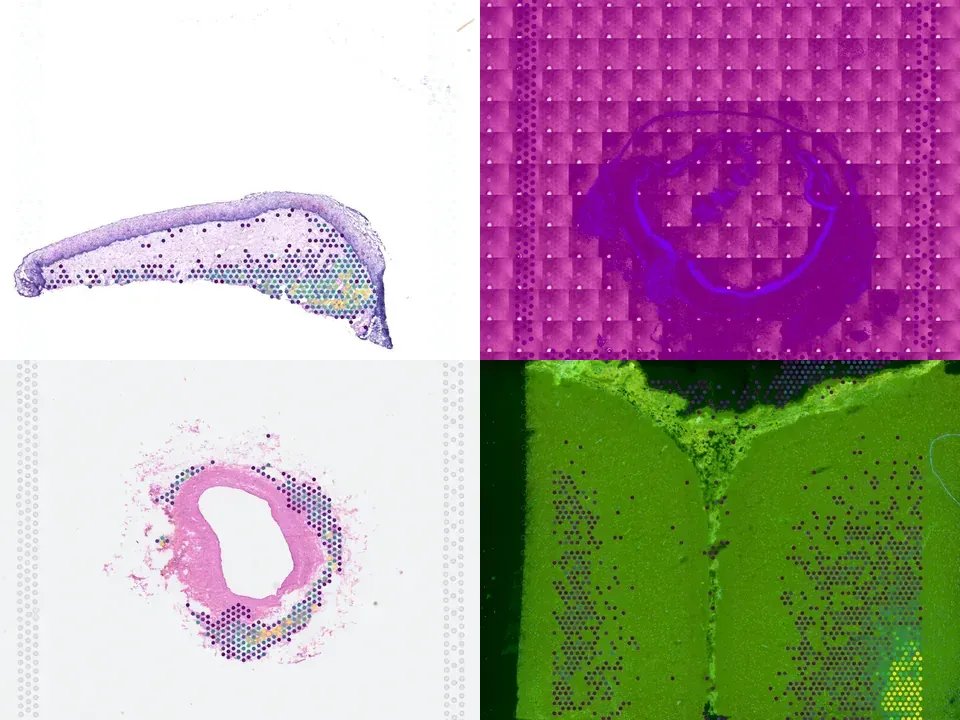
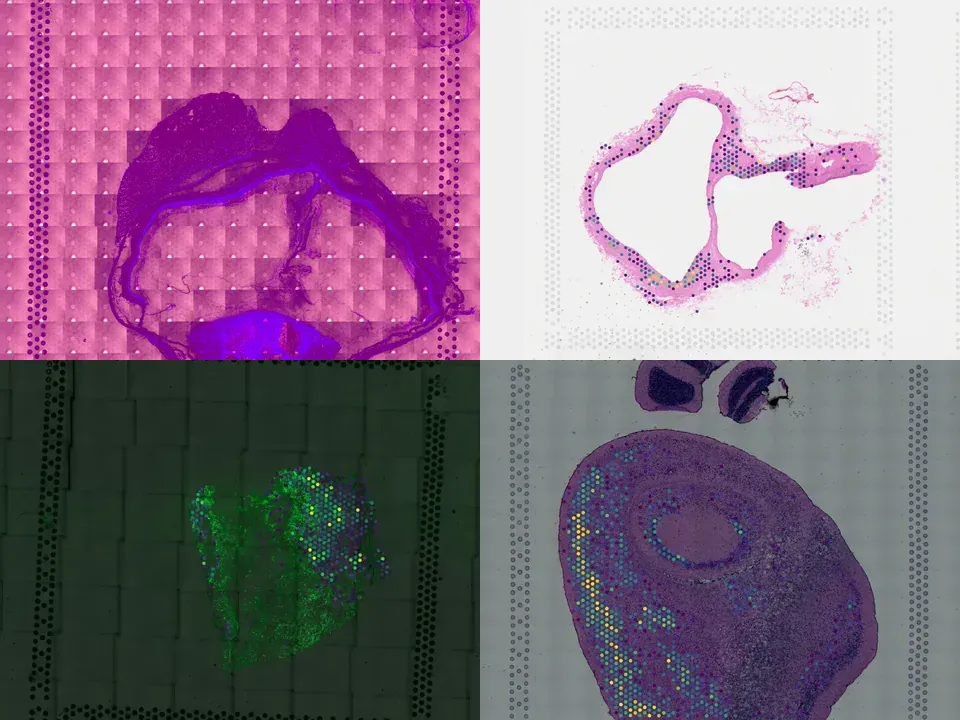
The Comparative Eye Transcriptome Atlas provides transcriptomic resources to study retinal evolution and physiology across non-mammalian vertebrates. We profiled retinas from four species using two complementary high-throughput approaches. Eight 10x Genomics Visium spatial transcriptomics datasets were generated from Anolis carolinensis (n = 2), Taeniopygia guttata (n = 4), Columba livia (n = 1), and Gallus gallus (n = 1), capturing spatially resolved gene expression with matched histology images. In parallel, six 10x Genomics Chromium Single Cell 3′ RNA-seq datasets were obtained from zebra finch (T. guttata) retinas to resolve cell-type–specific transcriptomes. Raw sequencing data (FASTQ) and processed outputs from SpaceRanger (Visium) and CellRanger (Chromium) are provided. Downstream integrated and annotated datasets can be explored interactively at https://linlab.au.dk/Damsgaard_lab/CETA/ and full Seurat objects are available on request.
from sddb import Catalog

cohort = Catalog().collection("geo-gse309408")
cohort.members        # the 4 datasets as a table

print(cohort.licenses())              # check the terms before you download

sdatas = cohort.to_dict()             # {uid: SpatialData}, cached locally
# or keep the .zarr files in a folder of your choice:
# sdatas = cohort.to_dict(dest="data/")Needs pip install lamindb and network access to the Lamin database, which is limited during the alpha. If it fails, use the Client tab.
import lamindb as ln

db = ln.DB("scverse/spatialdata-db")
coll = db.Collection.get(key="geo-gse309408")
coll.ordered_artifacts.to_dataframe()   # the 4 members, ordered

# download every member .zarr to the local cache:
paths = [a.cache() for a in coll.ordered_artifacts.all()]# sddb client: download every member .zarr into data/
sddb-cli download --collection geo-gse309408 --dest data/Licenses: 4 NCBI GEO policy
No linked publication found — please cite the data source.