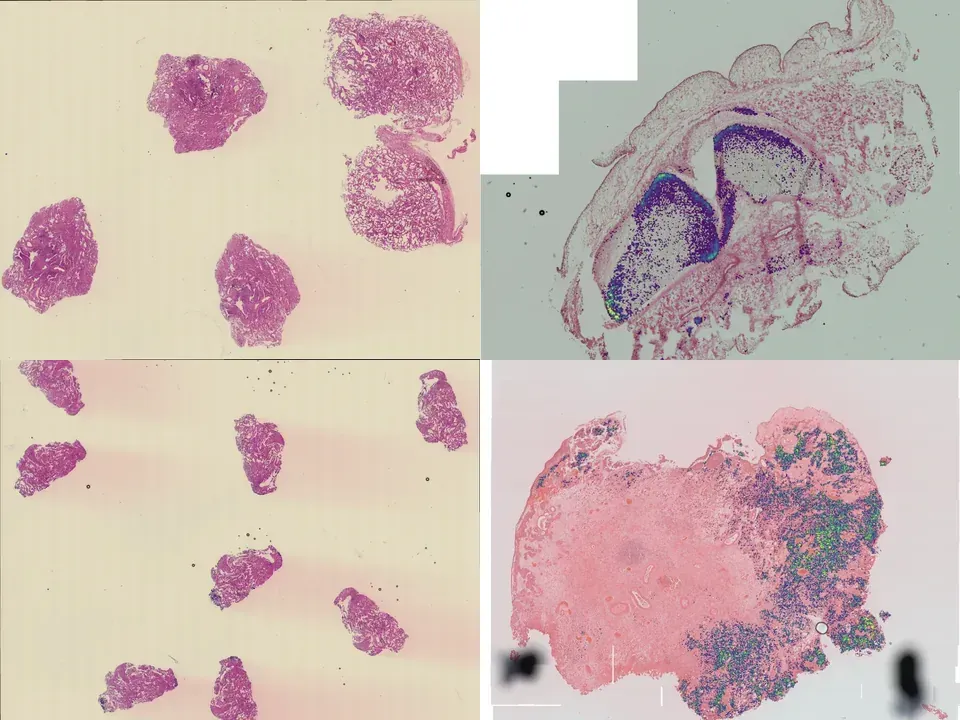
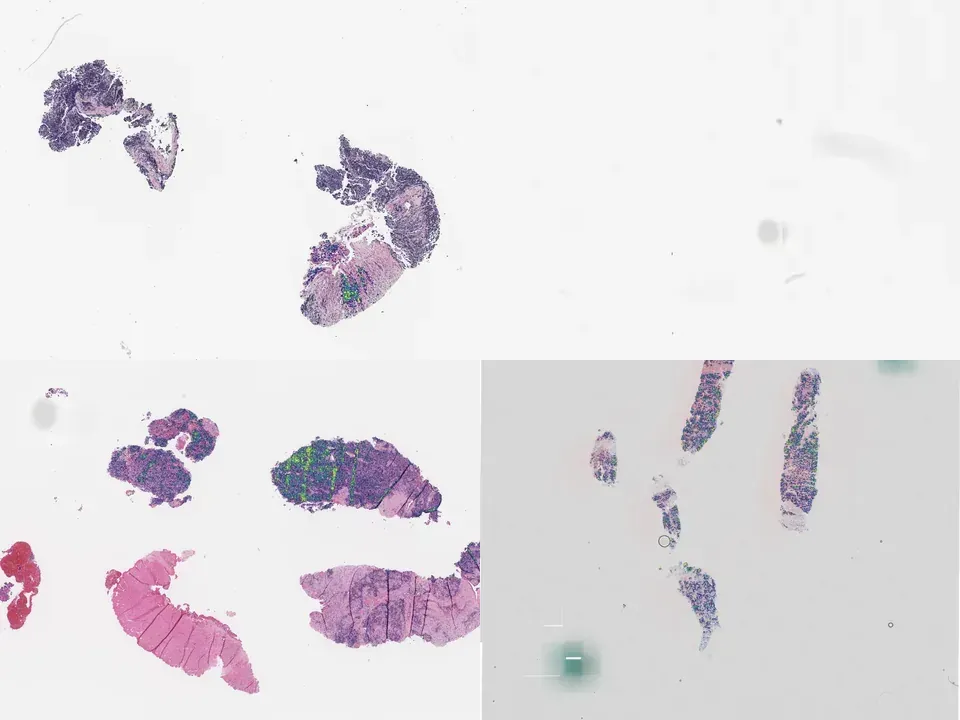
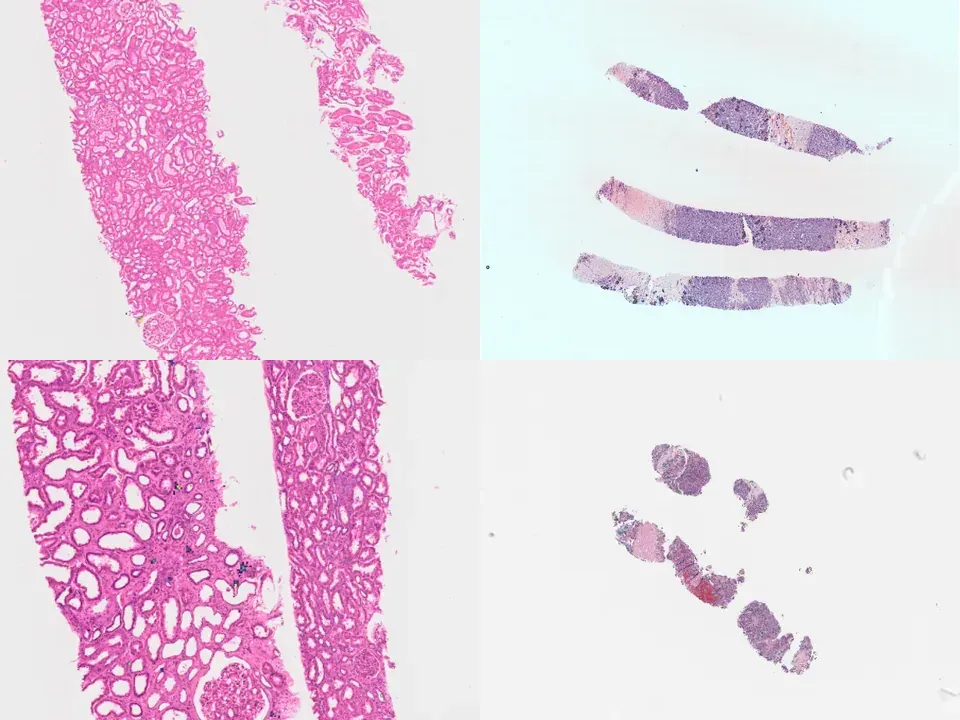
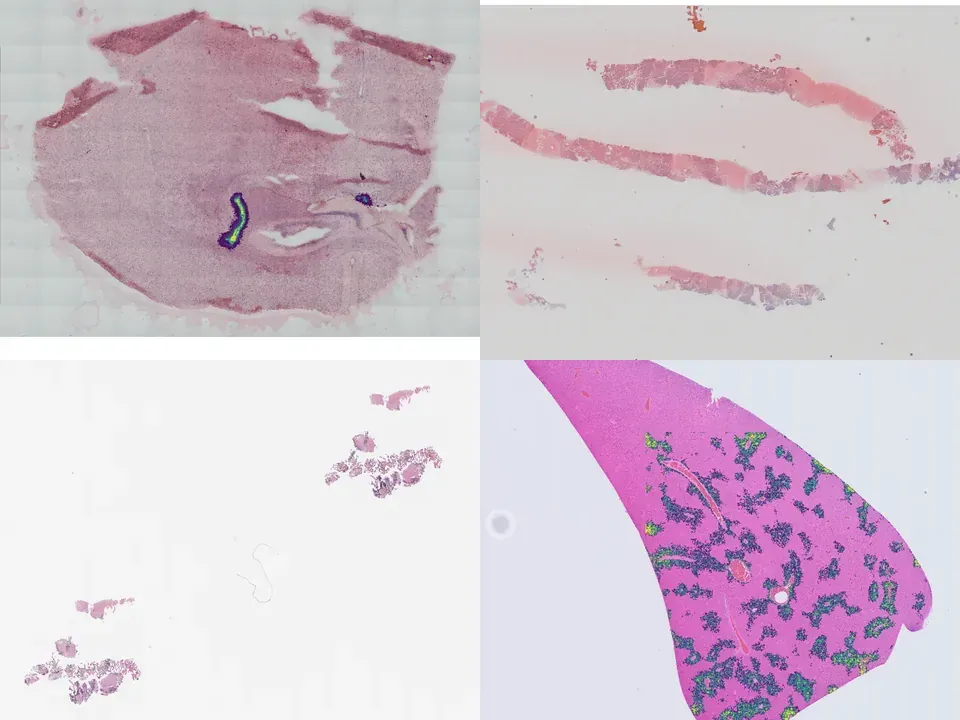
CDK12/13 inactivation triggers STING-mediated antitumor immunity in preclinical models
Inactivation of cyclin-dependent kinase 12 (CDK12) characterizes an immunogenic molecular subtype of prostate cancer, marked by genomic instability and increased intratumoral T cell infiltration. However, the mechanisms underlying this phenotype and its therapeutic implications remain unclear. Here, we demonstrate that CDK12 inactivation or suppression of its paralog CDK13 activates stimulator of interferon genes (STING) signaling across multiple cancer types. Analysis of clinical cohorts receiving immune checkpoint blockade (ICB) revealed that reduced CDK12/13 expression correlates with improved survival and treatment response. Mechanistically, CDK12/13 depletion or targeted degradation induces transcription-replication conflicts and R-loop accumulation, triggering cytosolic DNA release and subsequent STING activation. Functionally, CDK12/13 degradation significantly delays tumor growth and exhibits synergistic effects with anti-PD1 therapy in various syngeneic tumor models. This combination enhances STING activity and promotes the infiltration and activation of CD8+ T cells within tumors. Notably, the anti-tumor effects of this combination require STING signaling and functional CD8+ T cells. These findings identify CDK12/13 as promising therapeutic targets for enhancing ICB efficacy, highlighting their potential to amplify STING-mediated anti-tumor immunity. This work provides a mechanistic framework for leveraging CDK12/13 antagonists in combination with ICB to improve clinical outcomes in cancer therapy.
from sddb import Catalog

cohort = Catalog().collection("geo-gse283227")
cohort.members        # the 4 datasets as a table

print(cohort.licenses())              # check the terms before you download

sdatas = cohort.to_dict()             # {uid: SpatialData}, cached locally
# or keep the .zarr files in a folder of your choice:
# sdatas = cohort.to_dict(dest="data/")
Needs pip install lamindb and network access to the Lamin database, which is limited during the alpha. If it fails, use the Client tab.
import lamindb as ln

db = ln.DB("scverse/spatialdata-db")
coll = db.Collection.get(key="geo-gse283227")
coll.ordered_artifacts.to_dataframe()   # the 4 members, ordered

# download every member .zarr to the local cache:
paths = [a.cache() for a in coll.ordered_artifacts.all()]
CDK12/13 inactivation triggers STING-mediated antitumor immunity in preclinical models.
Inactivation of cyclin-dependent kinase 12 (CDK12) defines an immunogenic molecular subtype of prostate cancer characterized by genomic instability and increased intratumoral T cell infiltration. This study revealed that genetic or pharmacologic inactivation of CDK12 and its paralog CDK13 robustly activates stimulator of interferon genes (STING) signaling across multiple cancer types. Clinical cohort analysis showed that reduced CDK12/13 expression correlates with improved survival and response to immune checkpoint blockade (ICB). Mechanistically, CDK12/13 depletion or targeted degradation induced cytosolic nucleic acid release, triggering STING pathway activation. CDK12/13 degradation delayed tumor growth and synergized with anti-PD-1 therapy in syngeneic tumor models, enhancing STING activity and promoting CD8+ T cell infiltration and activation within tumors. Notably, the antitumor effects of this combination required STING signaling and functional CD8+ T cells. These findings establish STING activation as the key driver of T cell infiltration and the immune-hot tumor microenvironment in CDK12-mutant cancers, suggesting that dual CDK12/13 inhibitors and degraders activate antitumor immunity and potentiate responses to immunotherapies.
@article{Bao_2025,
  title = {CDK12/13 inactivation triggers STING-mediated antitumor immunity in preclinical models},
  volume = {135},
  ISSN = {1558-8238},
  url = {http://dx.doi.org/10.1172/jci193745},
  DOI = {10.1172/jci193745},
  number = {18},
  journal = {Journal of Clinical Investigation},
  publisher = {American Society for Clinical Investigation},
  author = {Bao, Yi and Chang, Yu and Tien, Jean Ching-Yi and Cruz, Gabriel and Yang, Fan and Mannan, Rahul and Mahapatra, Somnath and Paturu, Radha and Cao, Xuhong and Su, Fengyun and Wang, Rui and Zhang, Yuping and Gondal, Mahnoor and Choi, Jae Eun and Gurkan, Jonathan K. and Miner, Stephanie J. and Robinson, Dan R. and Wu, Yi-Mi and Zhou, Licheng and Wang, Zhen and Kryczek, Ilona and Wang, Xiaoju and Cieslik, Marcin and Qiao, Yuanyuan and Tsodikov, Alexander and Zou, Weiping and Ding, Ke and Chinnaiyan, Arul M.},
  year = {2025},
  month = July
}