
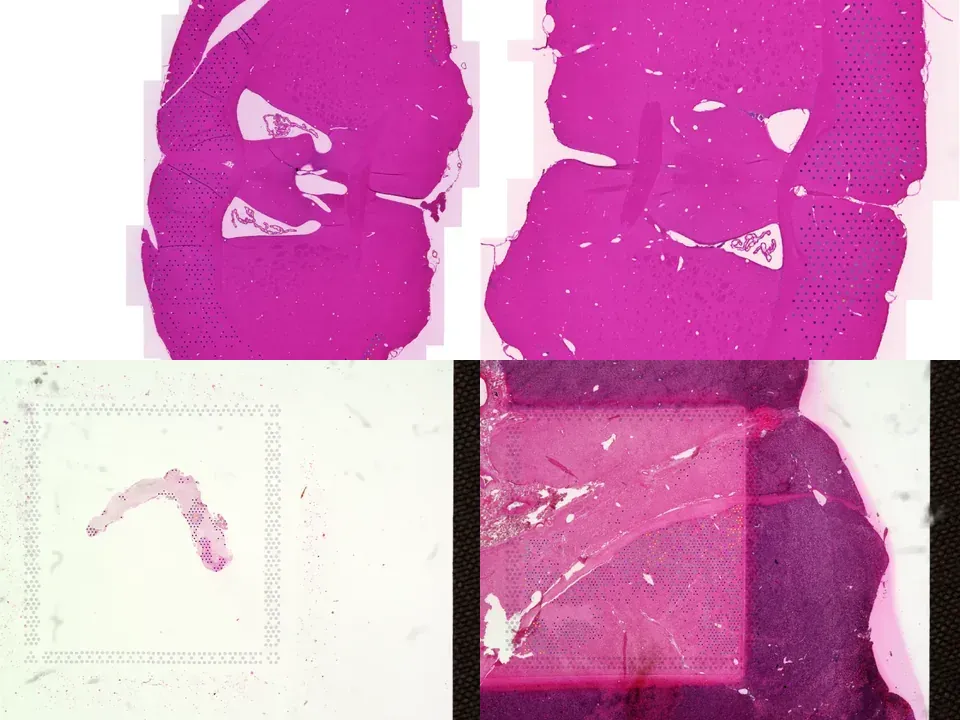
Human liver
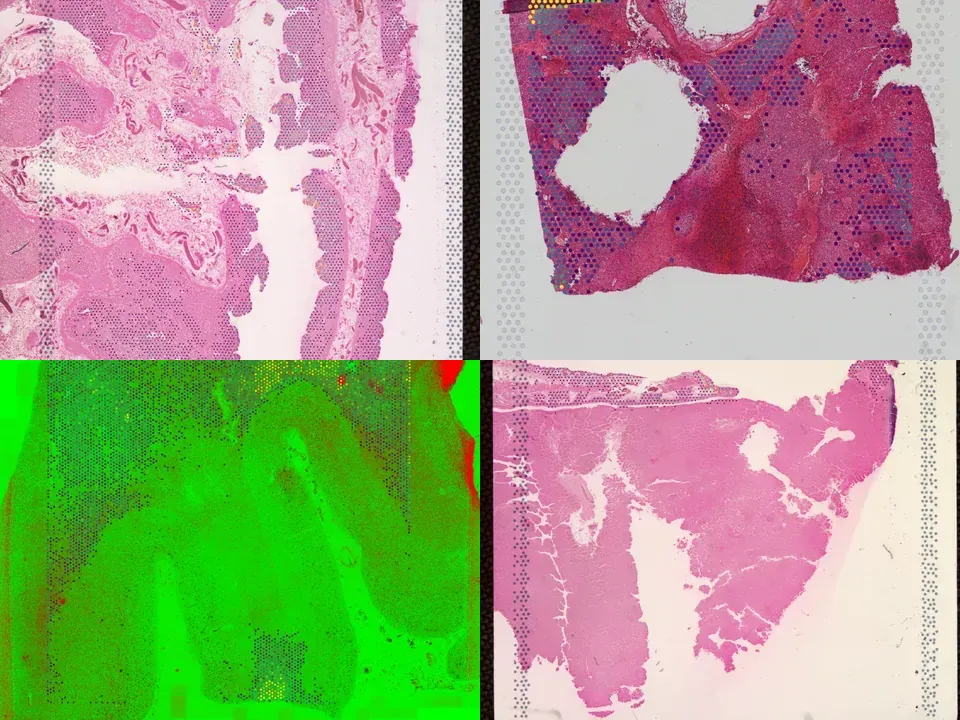
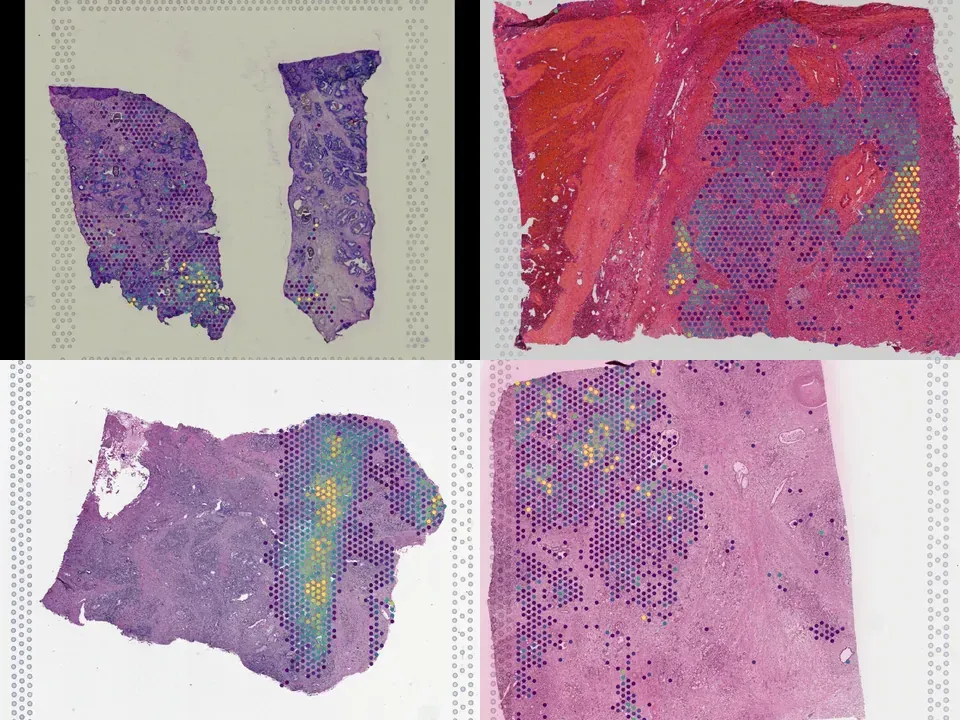
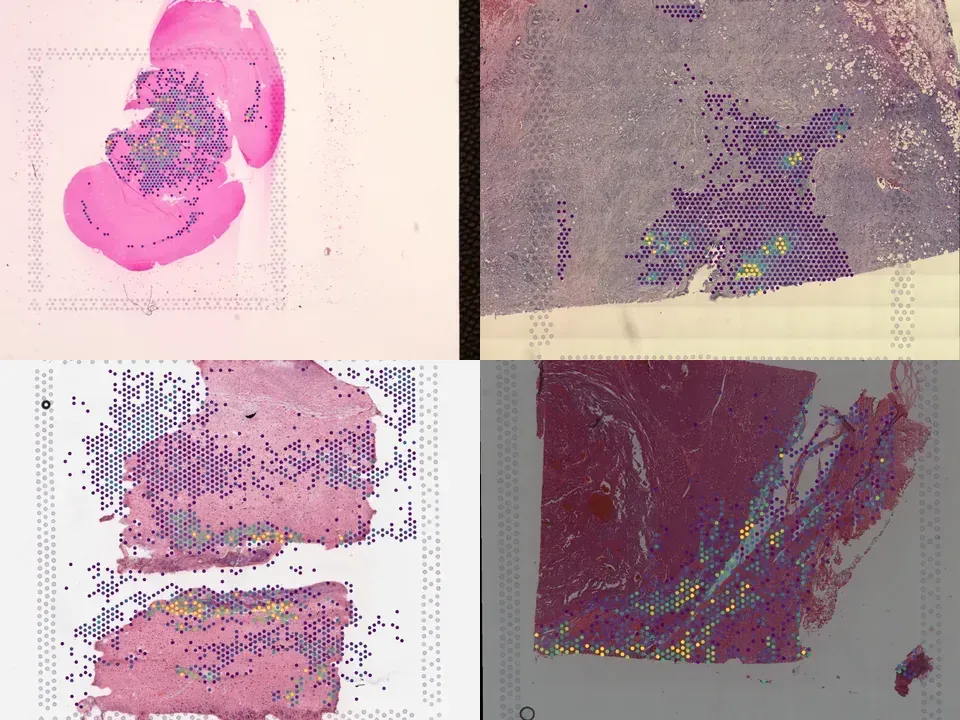
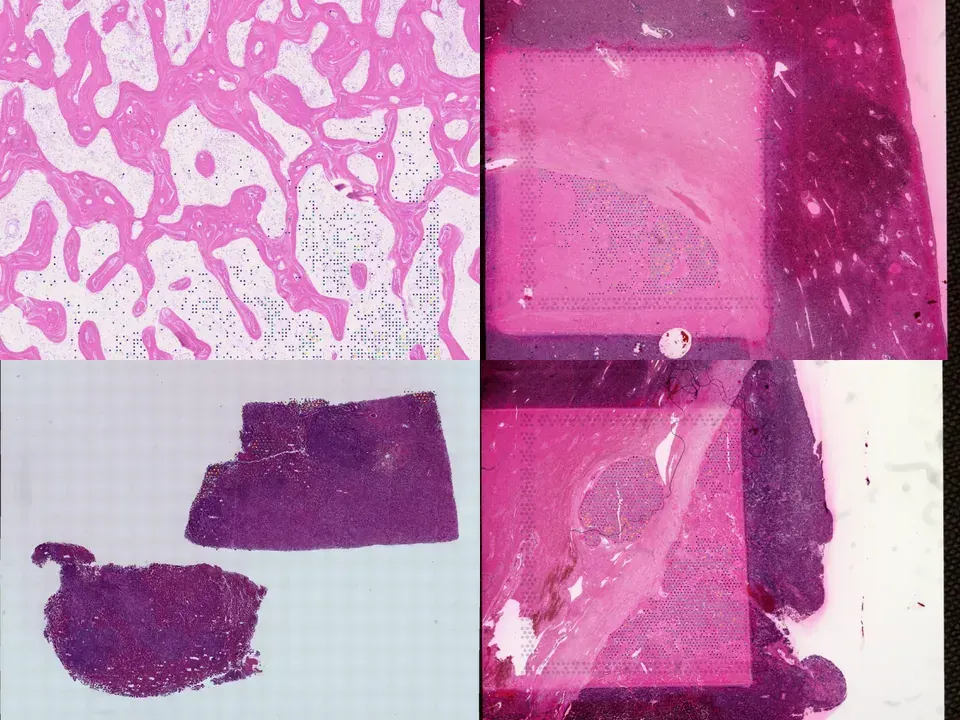
GSM8657788
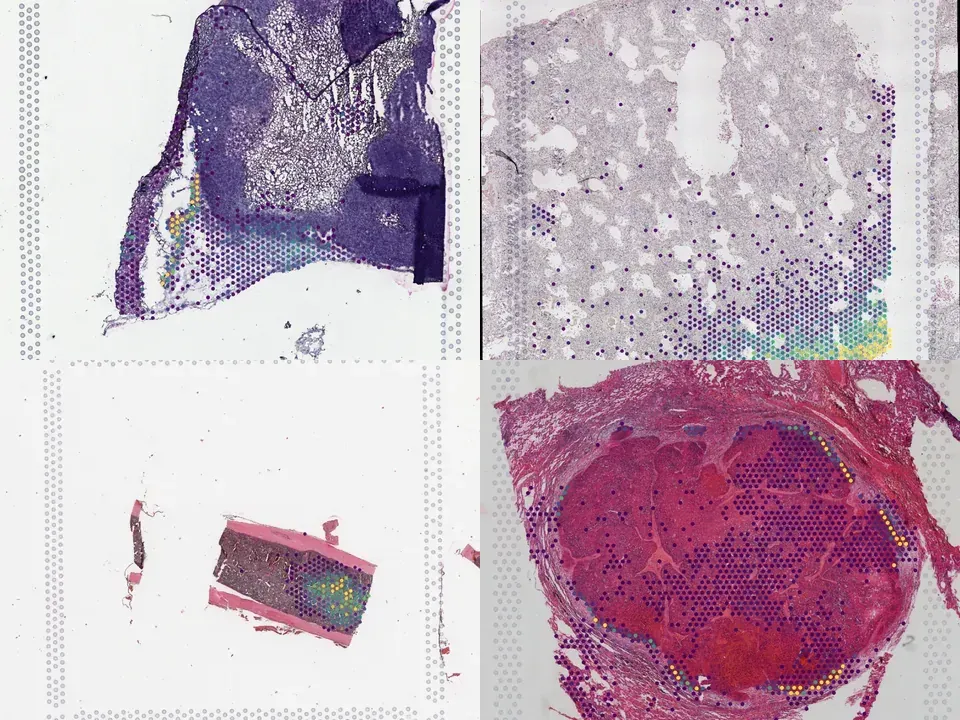
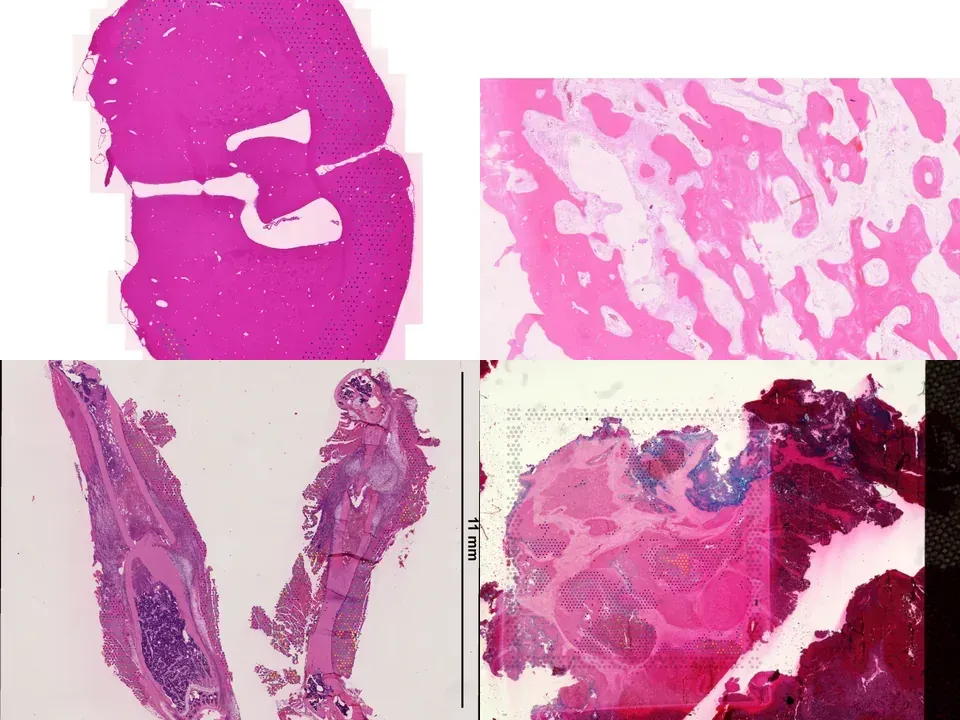
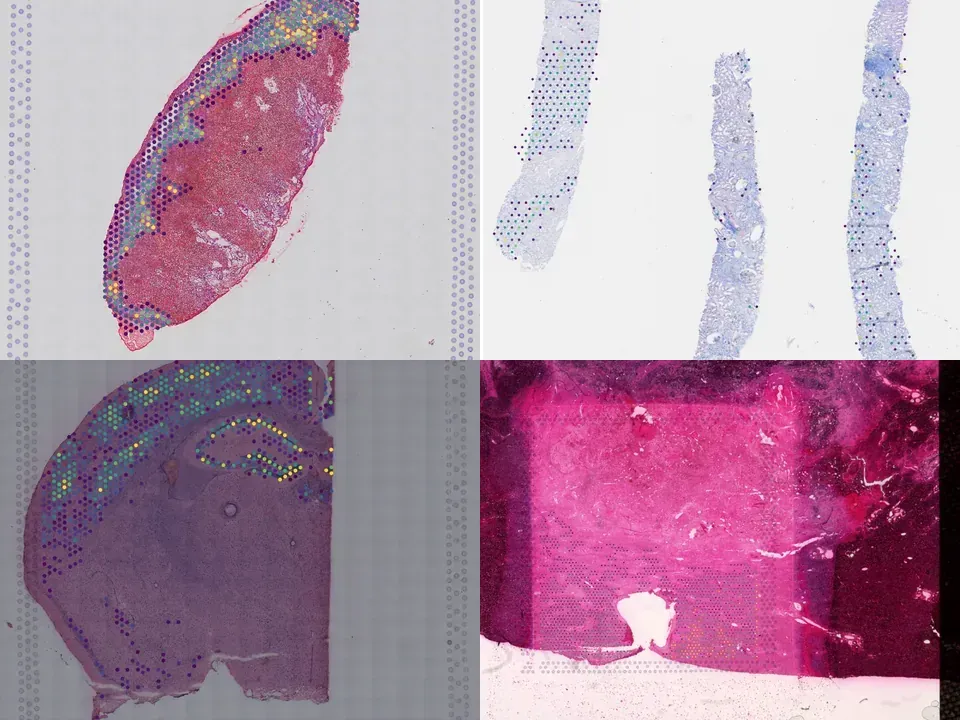
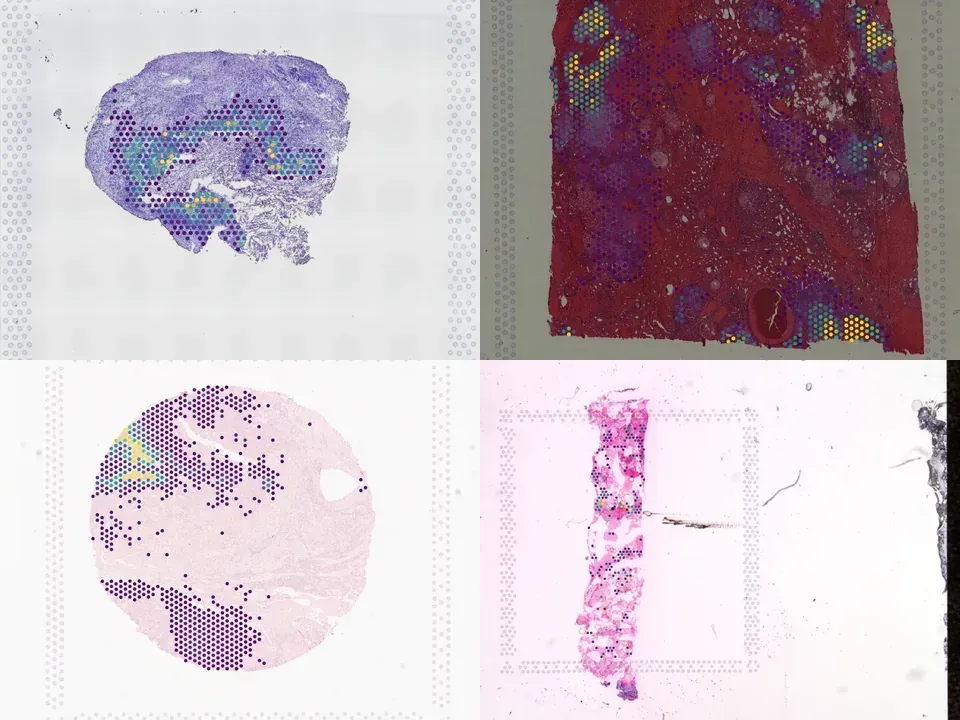
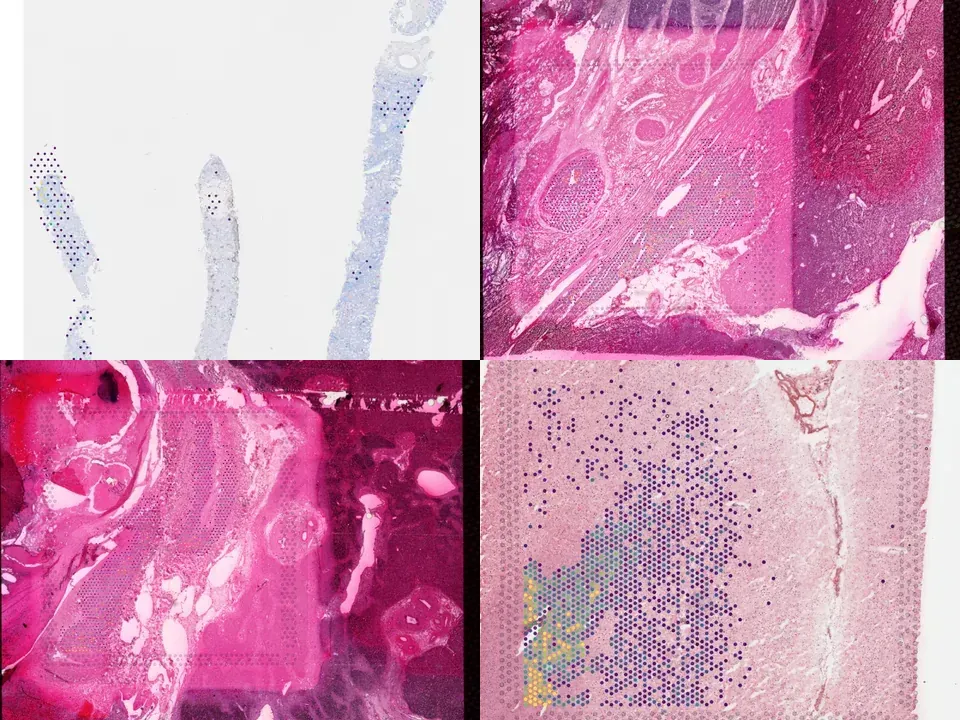
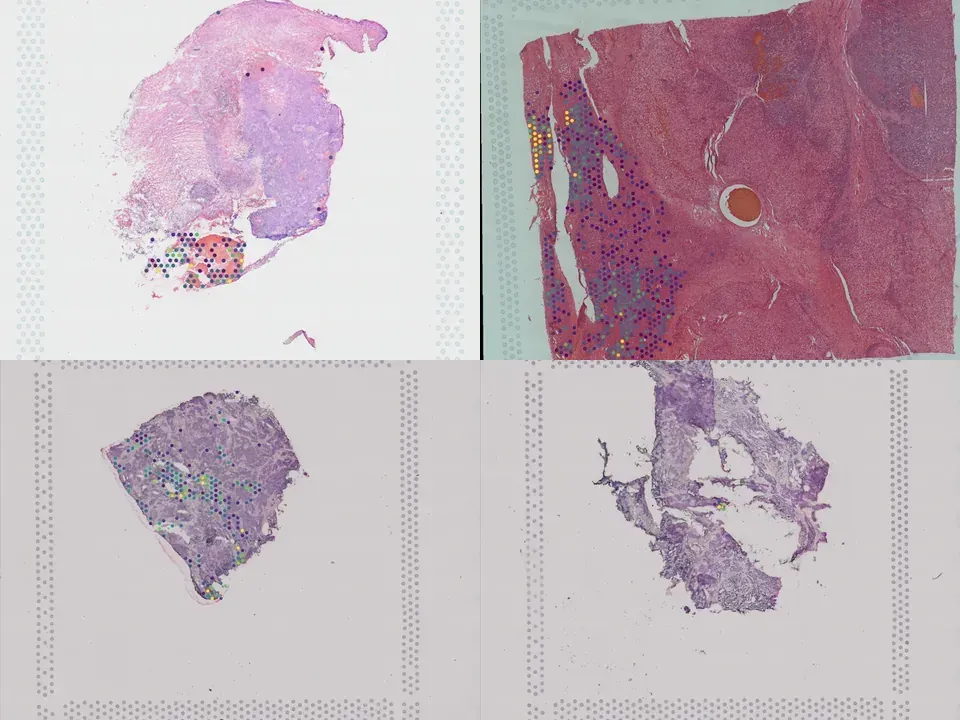
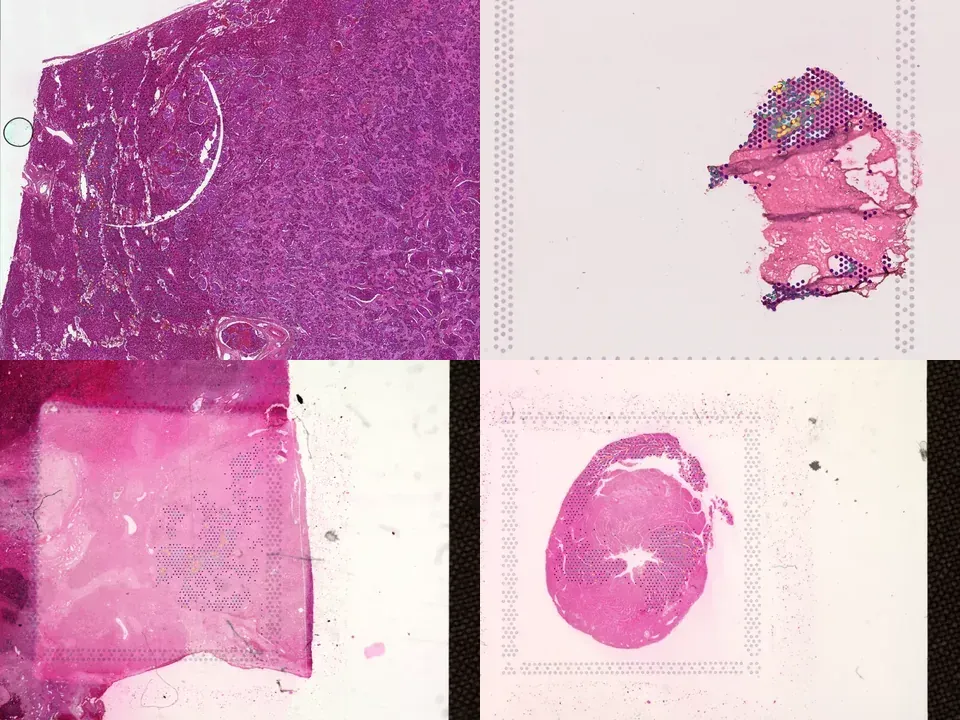
human liver hepatoblastoma 31.6 MB 462 spots silver H&E NCBI GEO policy
TechnologyVisium
Organismhuman
Tissueliver
Conditionhepatoblastoma
Spots462
silver H&E NCBI GEO policy
Background & Aims: Hepatoblastoma is the most common pediatric cancer of the liver and the majority of cases display activating mutations in the Wnt/β-catenin pathway. Understanding the complex milieu of the tumor microenvironment has resulted in promising new therapies for adult cancers, but similar approaches in pediatric cancers are still lacking. We aimed to provide a comprehensive analysis of the tumor microenvironment of hepatoblastoma unveiling its spatial architecture and key signaling mechanisms. Methods: Single-cell/-nucleus RNA-seq (n=15), spatial transcriptomics (n=22), and multiplex immunofluorescence stainings (n=7) of treated, untreated, and metastasized pediatric hepatoblastomas were performed. An RNA-seq validation cohort (n=110) including hepatoblastoma, non-tumor and fetal liver samples and single-cell RNA-seq data of healthy immune cells were used for further analysis. Western blotting and RNA-seq of hepatoblastoma and macrophage cell lines were conducted for experimental validation. Results: Of four identified transcriptional tumor programs, “Developmental” and “Metabolic” reflected different hepatic differentiation stages, while “Cycling” was enriched in undifferentiated cells and relapsed samples, and “Intermediate” displayed high activity in samples from patients with poor outcomes. We discovered an increased ratio of anti- to pro-inflammatory immune cells and evidence of immune exclusion from tumor areas. Wnt-responsive upregulation of the immunomodulator midkine in hepatoblastoma cells was associated with a change in macrophage phenotype, which could be partially reversed through midkine inhibition. Conclusions: Hepatoblastoma cells exist along a continuous spectrum of hepatic differentiation and inhabit an altered immune environment. Wnt signaling augments midkine expression, which appears to be involved in shaping the immune environment by modifying macrophages to enable immune evasion, thereby providing a potential therapeutic target.
from sddb import Catalog

cohort = Catalog().collection("geo-gse261958")
cohort.members        # the 22 datasets as a table

print(cohort.licenses())              # check the terms before you download

sdatas = cohort.to_dict()             # {uid: SpatialData}, cached locally
# or keep the .zarr files in a folder of your choice:
# sdatas = cohort.to_dict(dest="data/")Needs pip install lamindb and network access to the Lamin database, which is limited during the alpha. If it fails, use the Client tab.
import lamindb as ln

db = ln.DB("scverse/spatialdata-db")
coll = db.Collection.get(key="geo-gse261958")
coll.ordered_artifacts.to_dataframe()   # the 22 members, ordered

# download every member .zarr to the local cache:
paths = [a.cache() for a in coll.ordered_artifacts.all()]# sddb client: download every member .zarr into data/
sddb-cli download --collection geo-gse261958 --dest data/Licenses: 22 NCBI GEO policy
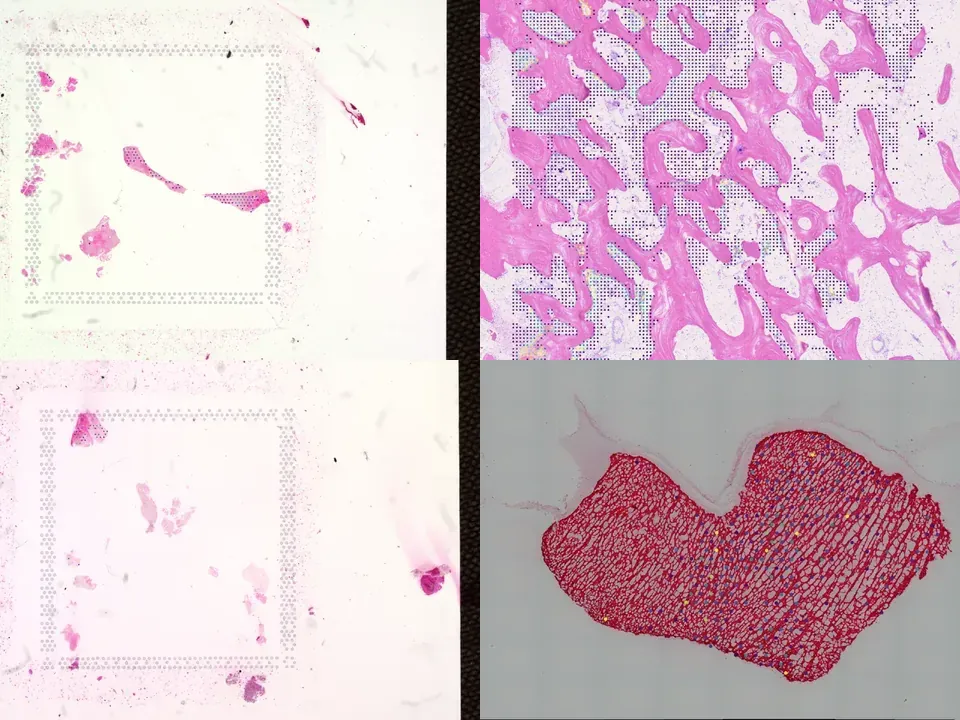
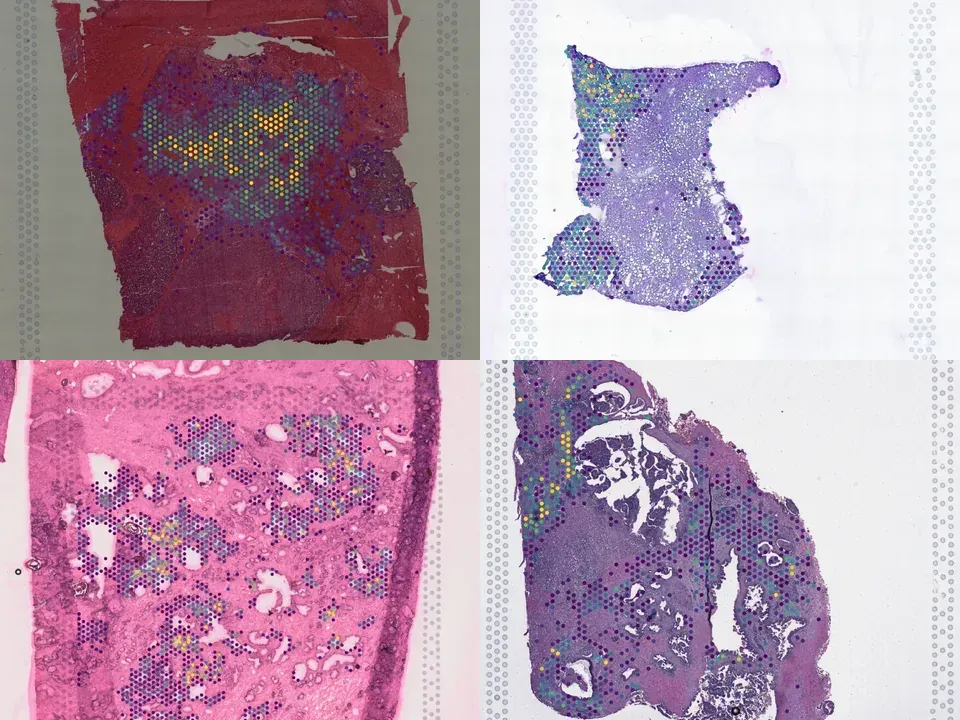
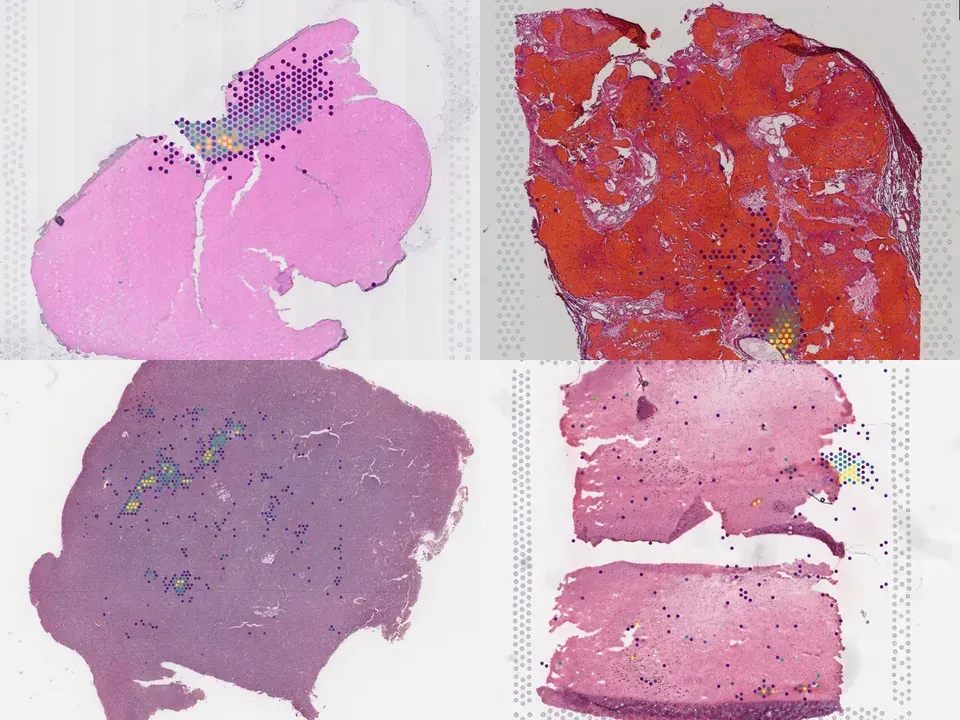
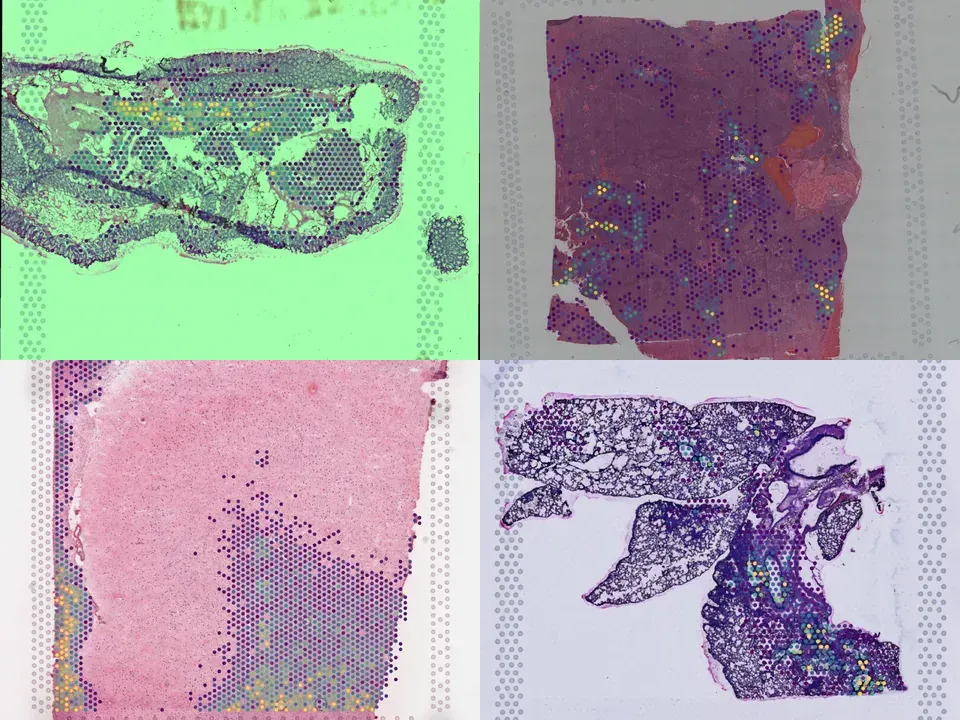
@article{M_nter_2025,
  title = {Multiomic analysis uncovers a continuous spectrum of differentiation and Wnt-MDK-driven immune evasion in hepatoblastoma},
  volume = {83},
  ISSN = {0168-8278},
  url = {http://dx.doi.org/10.1016/j.jhep.2025.01.031},
  DOI = {10.1016/j.jhep.2025.01.031},
  number = {2},
  journal = {Journal of Hepatology},
  publisher = {Elsevier BV},
  author = {Münter, Daniel and de Faria, Flavia W. and Richter, Mathis and Aranda-Pardos, Irene and Hotfilder, Marc and Walter, Carolin and Paga, Enya and Inserte, Clara and Albert, Thomas K. and Roy, Rajanya and Rahman, Shariyah and Riedel, Nicole C. and Müller, Volker and Pascher, Andreas and Wiebe, Karsten and Schmid, Irene and Vokuhl, Christian and Winkler, Beate and Jüttner, Eva and Vieth, Simon and Mücke, Urs and Kluiver, Thomas A. and Peng, Weng Chuan and Rossig, Claudia and Schlué, Jerome and Madadi-Sanjani, Omid and Sandmann, Sarah and Hartmann, Wolfgang and A-Gonzalez, Noelia and Soehnlein, Oliver and Kerl, Kornelius},
  year = {2025},
  month = Aug,
  pages = {367–382}
}