
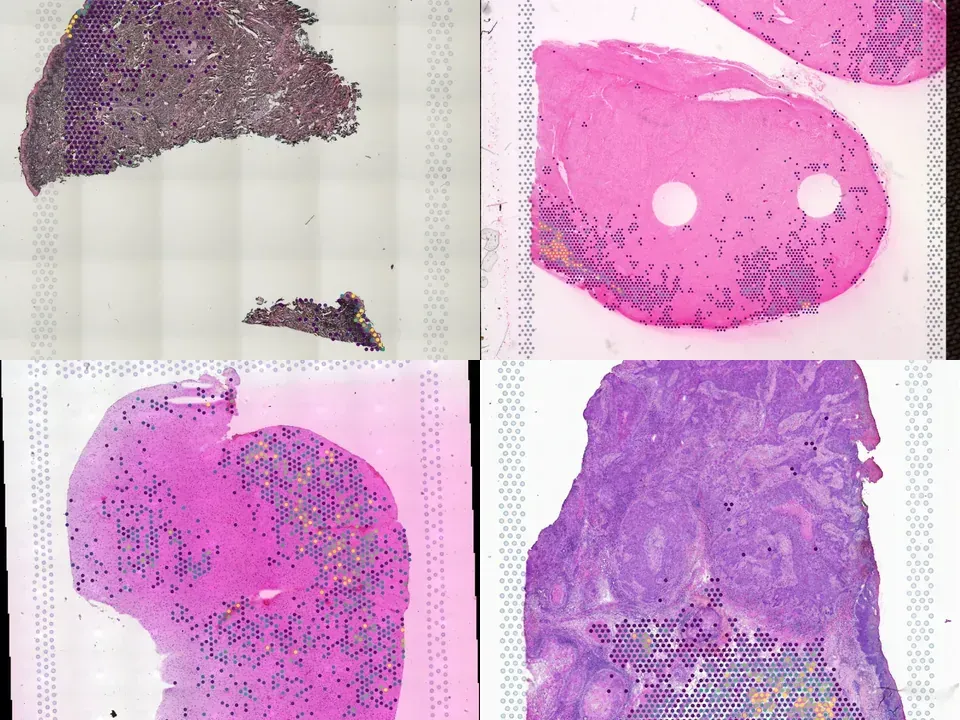
Human brain
GSM9886292
human brain glioblastoma 33.7 MB 3,532 spots silver H&E NCBI GEO policy
TechnologyVisium
Organismhuman
Tissuebrain
Conditionglioblastoma
Spots3,532
silver H&E NCBI GEO policy
The blood–brain barrier (BBB) restricts entry of therapeutics and shapes immune surveillance in the central nervous system, while microglia maintain barrier integrity and coordinate repair. Low-intensity pulsed ultrasound with intravenously administered microbubbles (LIPU/MB) transiently opens the BBB in patients, with restoration mostly occurring within about an hour; however, how microglia respond to LIPU/MB during this acute repair window in the human brain remains unknown. We report on intraoperative LIPU/MB studies where the peritumoral brain of glioblastoma patients was biopsied 45 minutes after sonication and analyzed, as part of phase I/II clinical trials (NCT04528680). We integrated single-cell RNA-seq, single-cell ATAC-seq, spatial transcriptomics, and multiplex immunofluorescence. We observe that LIPU/MB modulates perivascular microglia by promoting extension of processes toward the endothelium, inducing pro-inflammatory and chemoattractant transcriptional programs, and remodeling of endothelial–myeloid ligand–receptor communication. We find that microglial reprogramming is accompanied by coordinated changes in chromatin accessibility and heightened activity of the AP-1 transcription factor complex. These results reveal that LIPU/MB-based BBB opening in humans does not merely permit drug passage but reprograms resident myeloid cells to engage the vasculature and amplify innate and adaptive immune pathways, providing a mechanistic basis to leverage immune activation by LIPU/MB with immunotherapies for brain tumors. These findings also warrant consideration in the context of the pathophysiology and therapeutics of CNS diseases where there is acute BBB disruption, or where LIPU/MB is under investigation.
from sddb import Catalog

cohort = Catalog().collection("geo-gse338999")
cohort.members        # the 2 datasets as a table

print(cohort.licenses())              # check the terms before you download

sdatas = cohort.to_dict()             # {uid: SpatialData}, cached locally
# or keep the .zarr files in a folder of your choice:
# sdatas = cohort.to_dict(dest="data/")Needs pip install lamindb and network access to the Lamin database, which is limited during the alpha. If it fails, use the Client tab.
import lamindb as ln

db = ln.DB("scverse/spatialdata-db")
coll = db.Collection.get(key="geo-gse338999")
coll.ordered_artifacts.to_dataframe()   # the 2 members, ordered

# download every member .zarr to the local cache:
paths = [a.cache() for a in coll.ordered_artifacts.all()]# sddb client: download every member .zarr into data/
sddb-cli download --collection geo-gse338999 --dest data/Licenses: 2 NCBI GEO policy
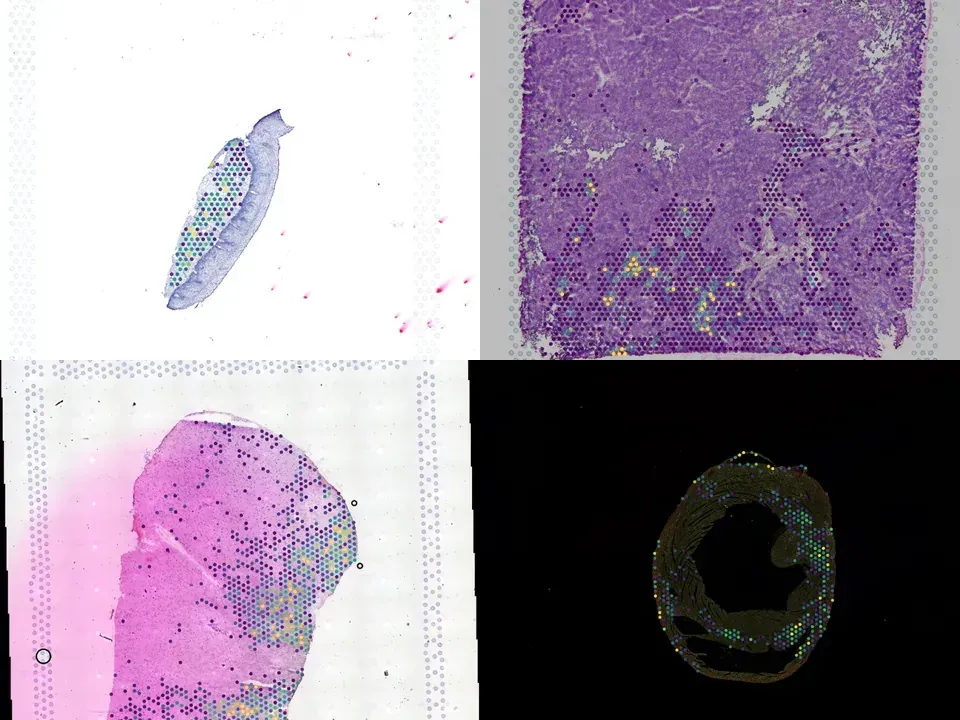
No linked publication found — please cite the data source.