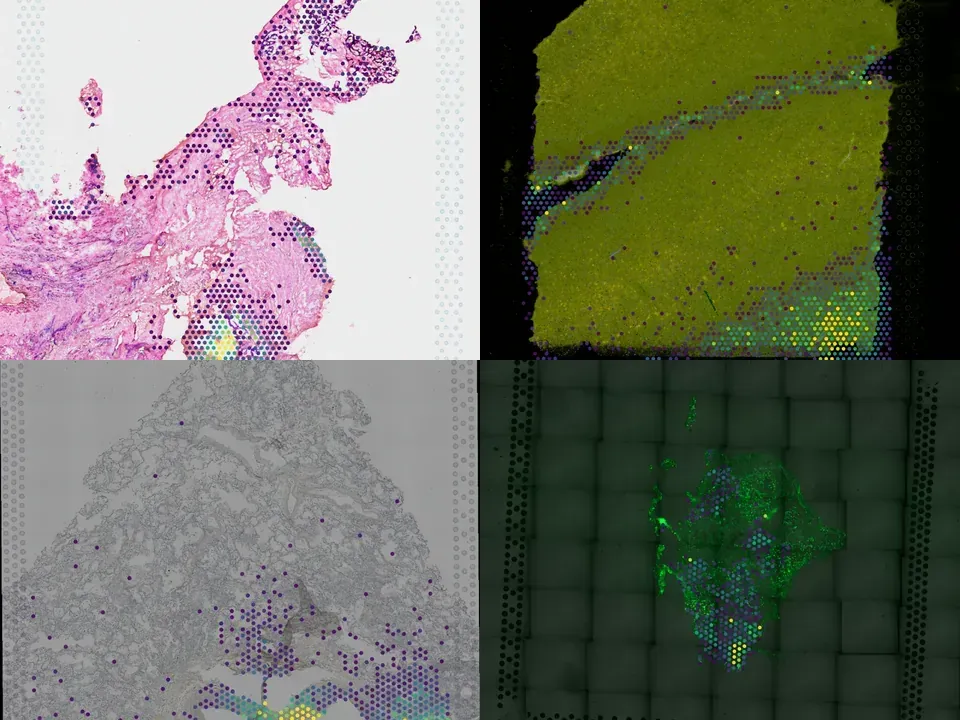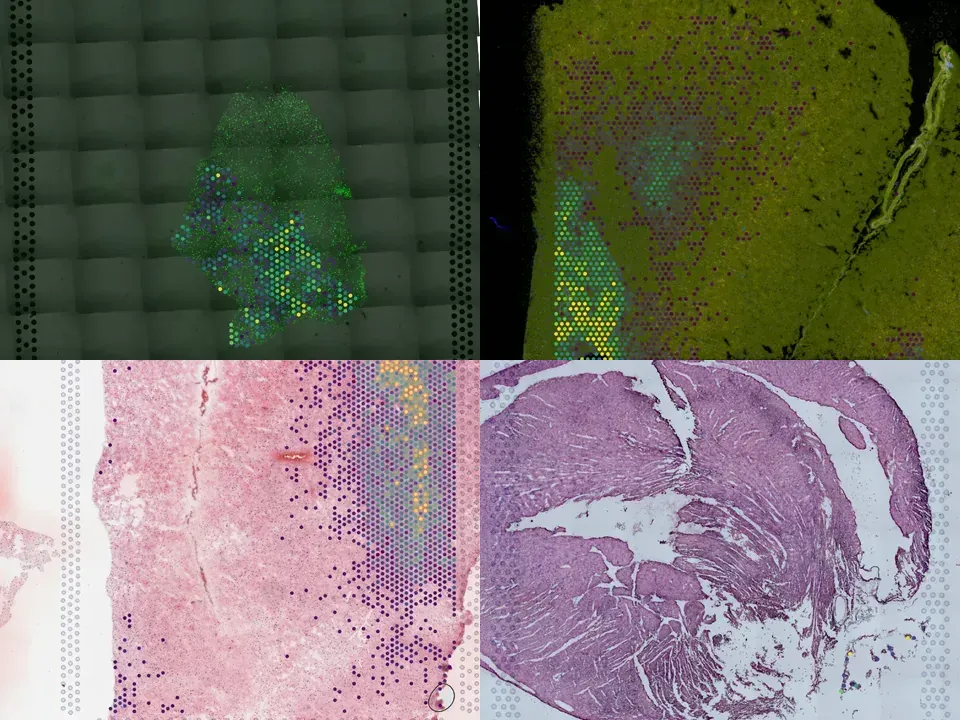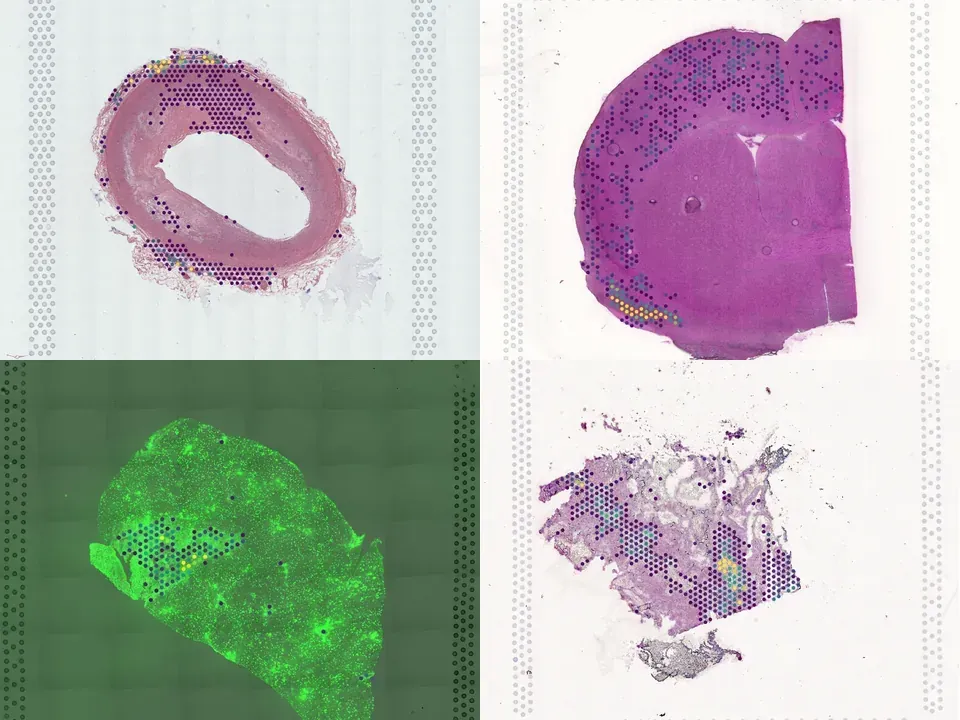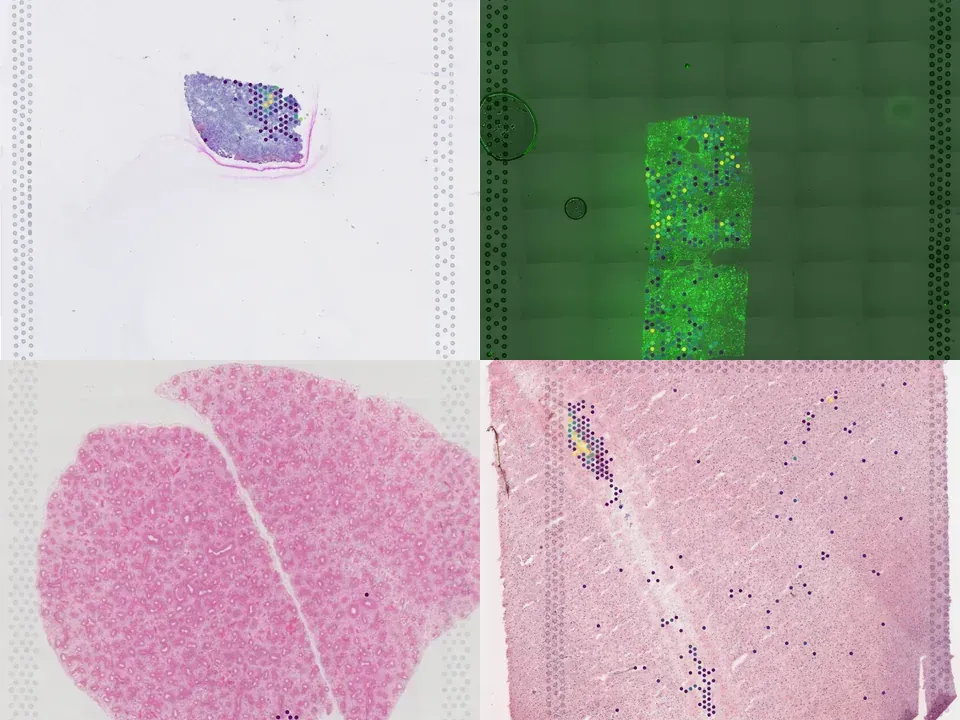
Collections / Spatial transcriptomics supports a role for SOX-4 driven signaling throughout the disease course of biliary atresia

Spatial transcriptomics supports a role for SOX-4 driven signaling throughout the disease course of biliary atresia

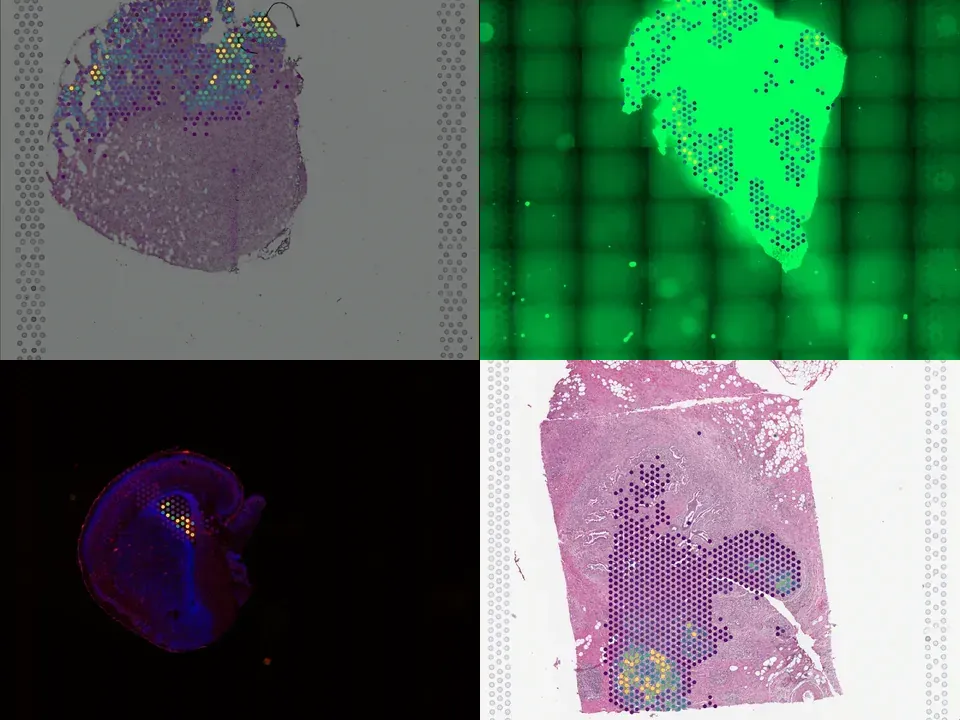
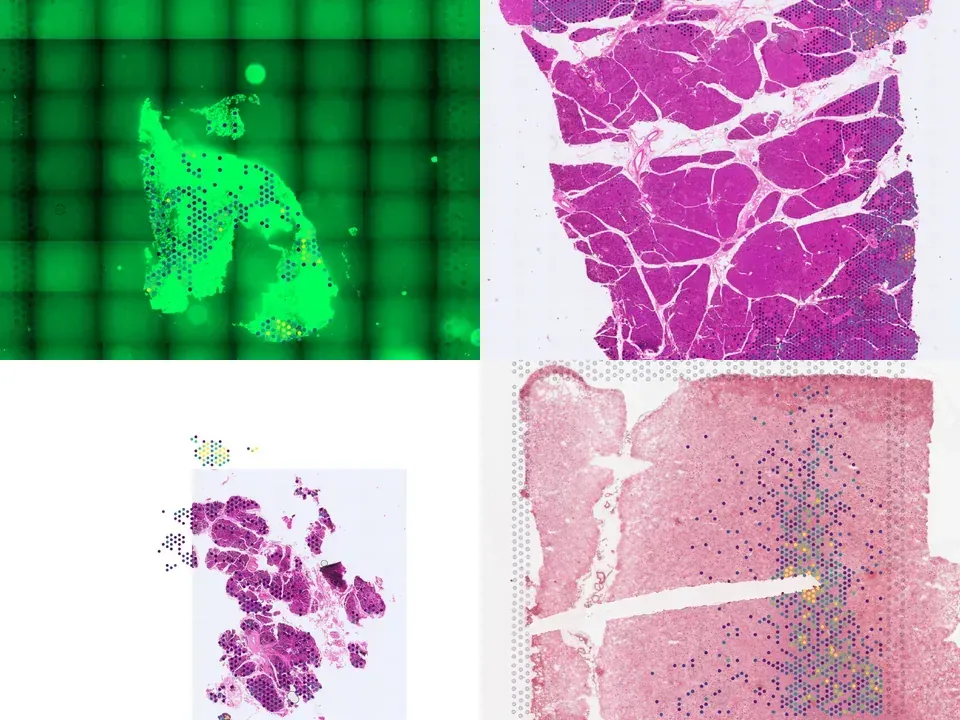
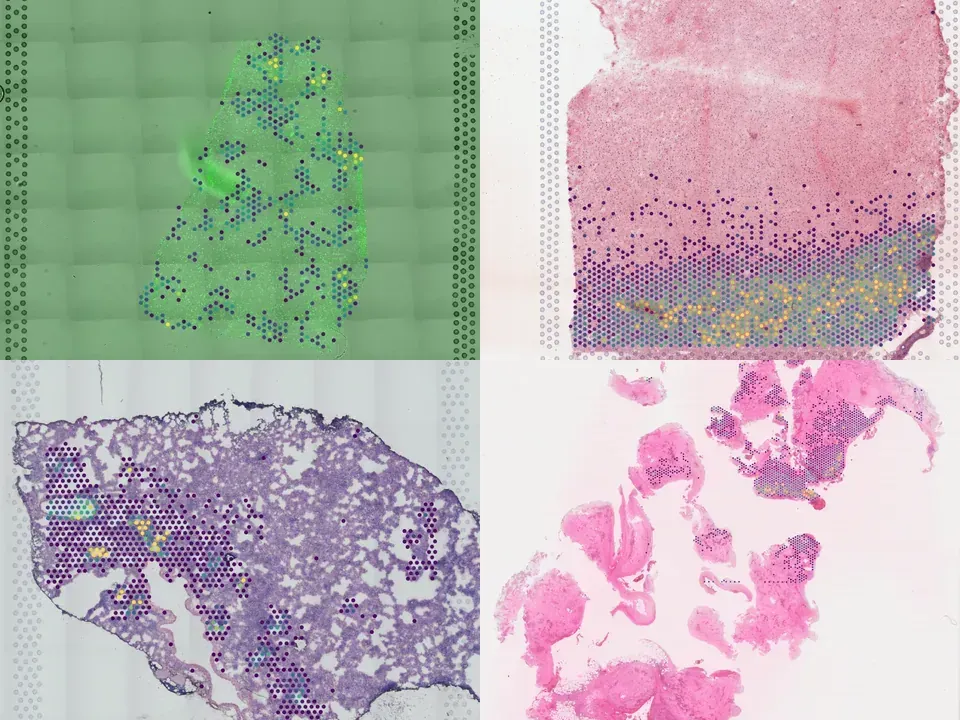
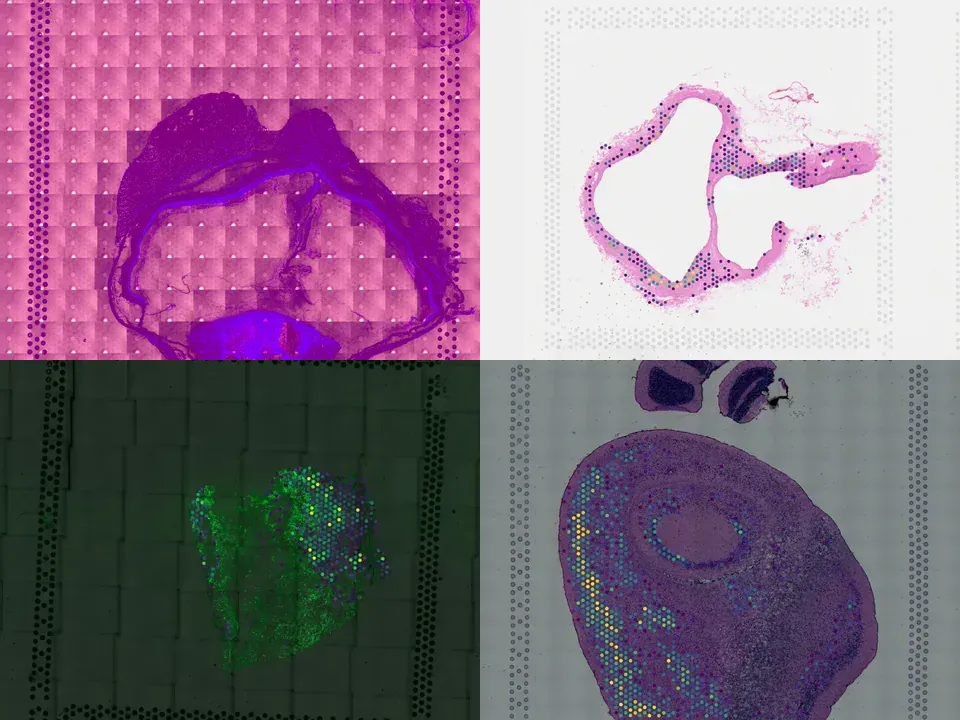
Biliary atresia (BA) is a fibroinflammatory cholangiopathy of infancy that is the most common indication for pediatric liver transplantation. We aimed to define the molecular mechanisms responsible for differences in the rate of disease progression among children with BA. We performed spatial transcriptomics (ST) analysis on frozen liver tissue at transplant from 16 children: BA with survival with native liver (SNL) <2 years (BA1, n=3, BA1_3 was excluded from analysis), BA with SNL >2 years (BA2, n=4), non-BA cholestasis (n=4), and non-diseased donors (n=4). Transcriptional signatures were compared between patient groups by tissue region (scar, hepatocyte, cholangiocyte). Findings were validated in larger patient cohorts that included BA samples at diagnosis. ST analysis of BA1 patients showed the most aggressive disease phenotype, characterized by reduced hepatocyte zonation, low expression of homeostatic metabolic signatures, and increased scar heterogeneity enriched for pathways including extracellular matrix remodeling, interferon response, and leukocyte activation. Notably, genes involved in SOX4 hepatocyte-to-cholangiocyte reprogramming were most enriched in BA1 patients. Liver immunohistochemistry with in situ mRNA hybridization showed that BA patients at diagnosis had increased SOX4 quantification as compared to BA patients at transplant. Lastly, previously published liver bulk RNA-sequencing data demonstrated higher SOX4 gene-set expression in BA patients at diagnosis with SNL < 2 years. Children with BA and worse outcome exhibit increased SOX4 gene-set expression at diagnosis with greater loss of hepatocyte zonation and immune-driven scar heterogeneity at transplant. Further mechanistic studies are needed to determine whether SOX4-driven biliary reprogramming plays a maladaptive role in the reparative response to obstructive cholestasis in BA.

Datasets16
Size~293 MB
AssayVisium
Samplehuman · liver
KindComparison
Flag a data issue
PMID:42520160 ↗
Python · sddb client
from sddb import Catalog

cohort = Catalog().collection("geo-gse338525")
cohort.members        # the 16 datasets as a table

print(cohort.licenses())              # check the terms before you download

sdatas = cohort.to_dict()             # {uid: SpatialData}, cached locally
# or keep the .zarr files in a folder of your choice:
# sdatas = cohort.to_dict(dest="data/")
Python · lamindb

Needs pip install lamindb and network access to the Lamin database, which is limited during the alpha. If it fails, use the Client tab.

import lamindb as ln

db = ln.DB("scverse/spatialdata-db")
coll = db.Collection.get(key="geo-gse338525")
coll.ordered_artifacts.to_dataframe()   # the 16 members, ordered

# download every member .zarr to the local cache:
paths = [a.cache() for a in coll.ordered_artifacts.all()]
Shell
# sddb client: download every member .zarr into data/
sddb-cli download --collection geo-gse338525 --dest data/

Licenses: 16 NCBI GEO policy
Open in Vitessce
Visium
Human liver
GSM9876362
human liver biliary atresia 22.5 MB 1,537 spots bronze H&E NCBI GEO policy
TechnologyVisium
Organismhuman
Tissueliver
Conditionbiliary atresia
Size22.5 MB
Spots1,537
bronze H&E NCBI GEO policy Open in Vitessce
Open in Vitessce
Visium
Human liver
GSM9876366
human liver biliary atresia 18.0 MB 1,224 spots bronze H&E NCBI GEO policy
TechnologyVisium
Organismhuman
Tissueliver
Conditionbiliary atresia
Size18.0 MB
Spots1,224
bronze H&E NCBI GEO policy Open in Vitessce
Open in Vitessce
Visium
Human liver
GSM9876370
human liver cholestasis 12.4 MB 636 spots bronze H&E NCBI GEO policy
TechnologyVisium
Organismhuman
Tissueliver
Conditioncholestasis
Size12.4 MB
Spots636
bronze H&E NCBI GEO policy Open in Vitessce
Open in Vitessce
Visium
Human liver
GSM9876368
human liver biliary atresia 16.7 MB 964 spots bronze H&E NCBI GEO policy
TechnologyVisium
Organismhuman
Tissueliver
Conditionbiliary atresia
Size16.7 MB
Spots964
bronze H&E NCBI GEO policy Open in Vitessce
Open in Vitessce
Visium
Human liver
GSM9876361
human liver biliary atresia 25.6 MB 1,392 spots bronze H&E NCBI GEO policy
TechnologyVisium
Organismhuman
Tissueliver
Conditionbiliary atresia
Size25.6 MB
Spots1,392
bronze H&E NCBI GEO policy Open in Vitessce
Open in Vitessce
Visium
Human liver
GSM9876364
human liver biliary atresia 15.5 MB 944 spots bronze H&E NCBI GEO policy
TechnologyVisium
Organismhuman
Tissueliver
Conditionbiliary atresia
Size15.5 MB
Spots944
bronze H&E NCBI GEO policy Open in Vitessce
Open in Vitessce
Visium
Human liver
GSM9876373
human liver 14.2 MB 1,078 spots bronze H&E NCBI GEO policy
TechnologyVisium
Organismhuman
Tissueliver
Size14.2 MB
Spots1,078
bronze H&E NCBI GEO policy Open in Vitessce
Open in Vitessce
Visium
Human liver
GSM9876371
human liver cholestasis 20.4 MB 1,712 spots bronze H&E NCBI GEO policy
TechnologyVisium
Organismhuman
Tissueliver
Conditioncholestasis
Size20.4 MB
Spots1,712
bronze H&E NCBI GEO policy Open in Vitessce
Visium
Human liver
GSM9876369
human liver cholestasis 12.5 MB 737 spots bronze H&E NCBI GEO policy
TechnologyVisium
Organismhuman
Tissueliver
Conditioncholestasis
Size12.5 MB
Spots737
bronze H&E NCBI GEO policy
Open in Vitessce
Visium
Human liver
GSM9876367
human liver biliary atresia 17.9 MB 1,265 spots bronze H&E NCBI GEO policy
TechnologyVisium
Organismhuman
Tissueliver
Conditionbiliary atresia
Size17.9 MB
Spots1,265
bronze H&E NCBI GEO policy Open in Vitessce
Open in Vitessce
Visium
Human liver
GSM9876365
human liver biliary atresia 16.1 MB 816 spots bronze H&E NCBI GEO policy
TechnologyVisium
Organismhuman
Tissueliver
Conditionbiliary atresia
Size16.1 MB
Spots816
bronze H&E NCBI GEO policy Open in Vitessce
Open in Vitessce
Visium
Human liver
GSM9876375
human liver 21.6 MB 1,521 spots bronze H&E NCBI GEO policy
TechnologyVisium
Organismhuman
Tissueliver
Size21.6 MB
Spots1,521
bronze H&E NCBI GEO policy Open in Vitessce
Open in Vitessce
Visium
Human liver
GSM9876372
human liver cholestasis 20.3 MB 1,644 spots bronze H&E NCBI GEO policy
TechnologyVisium
Organismhuman
Tissueliver
Conditioncholestasis
Size20.3 MB
Spots1,644
bronze H&E NCBI GEO policy Open in Vitessce
Open in Vitessce
Visium
Human liver
GSM9876363
human liver biliary atresia 20.2 MB 1,215 spots bronze H&E NCBI GEO policy
TechnologyVisium
Organismhuman
Tissueliver
Conditionbiliary atresia
Size20.2 MB
Spots1,215
bronze H&E NCBI GEO policy Open in Vitessce
Open in Vitessce
Visium
Human liver
GSM9876376
human liver 13.0 MB 1,549 spots bronze H&E NCBI GEO policy
TechnologyVisium
Organismhuman
Tissueliver
Size13.0 MB
Spots1,549
bronze H&E NCBI GEO policy Open in Vitessce
Open in Vitessce
Visium
Human liver
GSM9876374
human liver 25.9 MB 2,201 spots bronze H&E NCBI GEO policy
TechnologyVisium
Organismhuman
Tissueliver
Size25.9 MB
Spots2,201
bronze H&E NCBI GEO policy Open in Vitessce

Cite this collection

No linked publication found — please cite the data source.