Collections / Targeting JAK1/3-STAT1 signaling attenuates cytotoxic T lymphocytes activation for the treatment in Stevens-Johnson syndrome and toxic epidermal necrolysis

Targeting JAK1/3-STAT1 signaling attenuates cytotoxic T lymphocytes activation for the treatment in Stevens-Johnson syndrome and toxic epidermal necrolysis

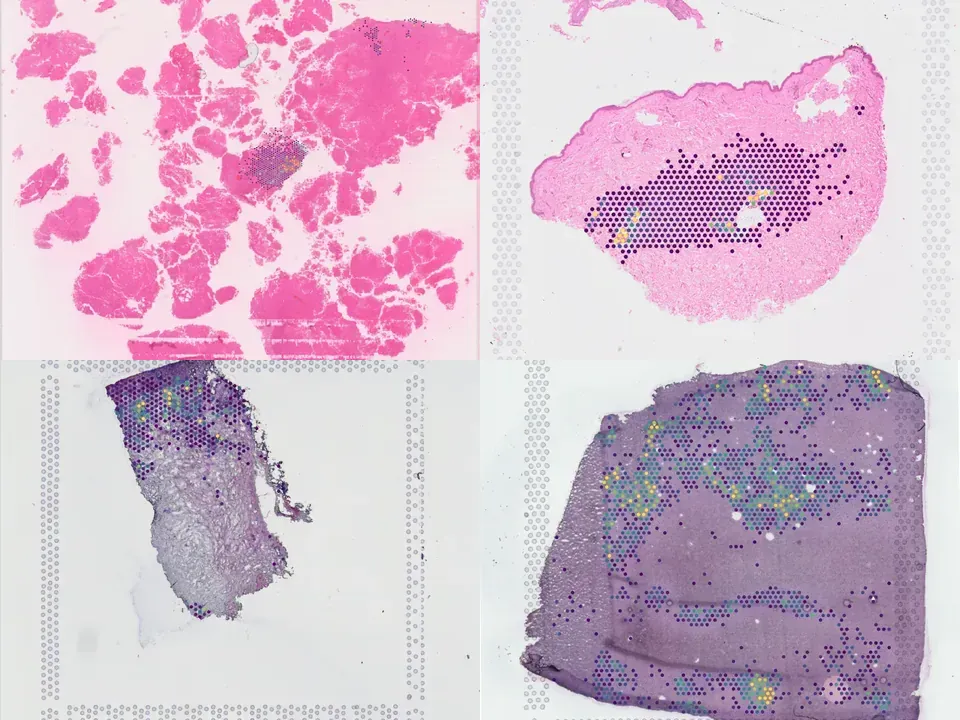
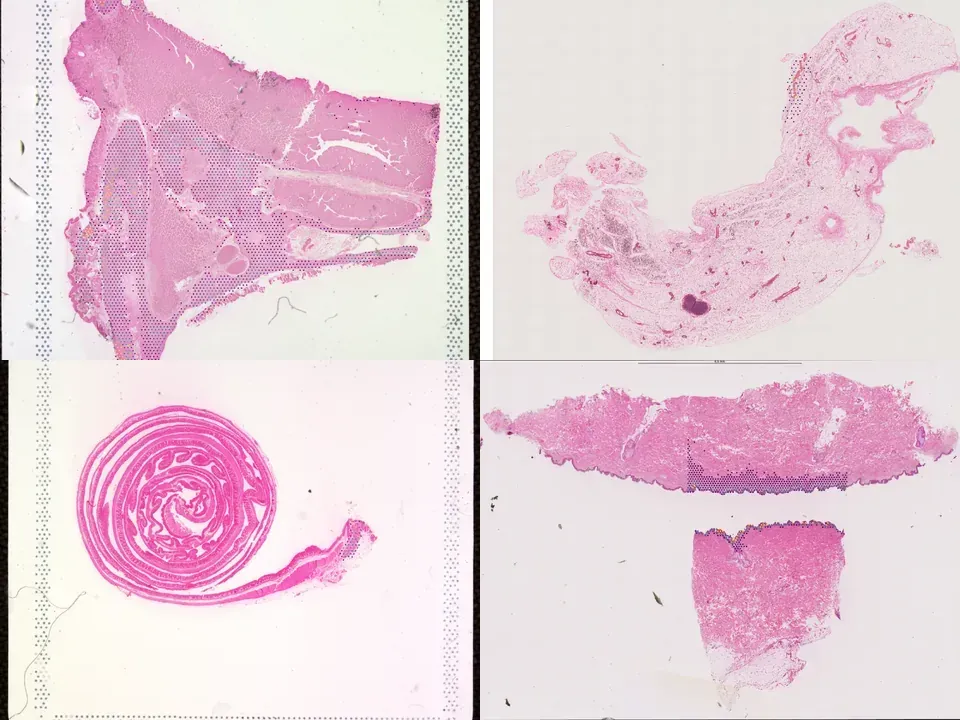
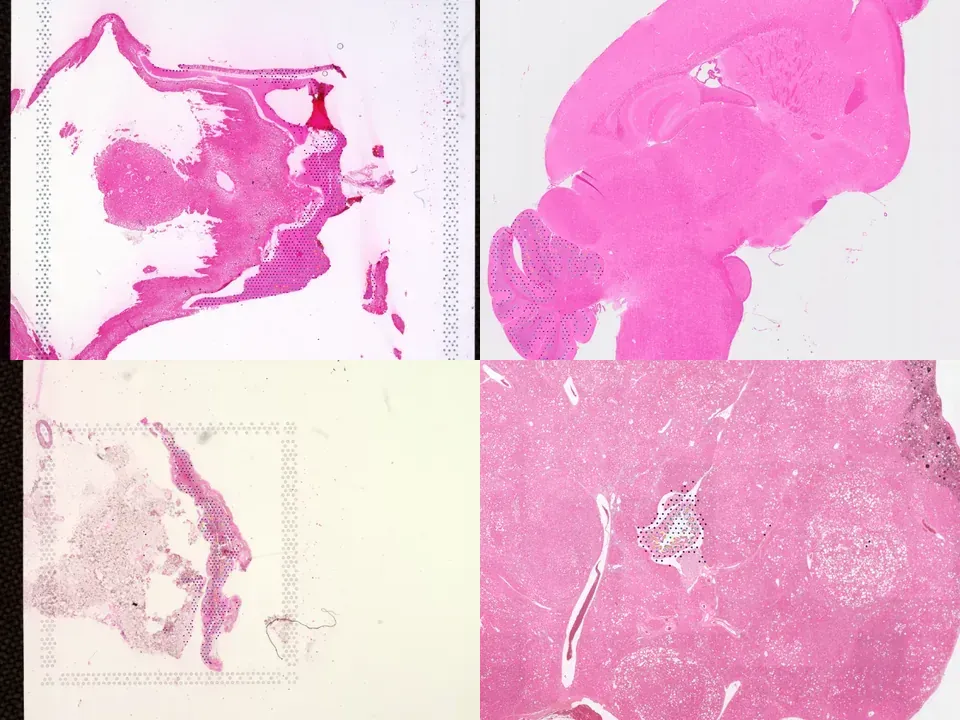
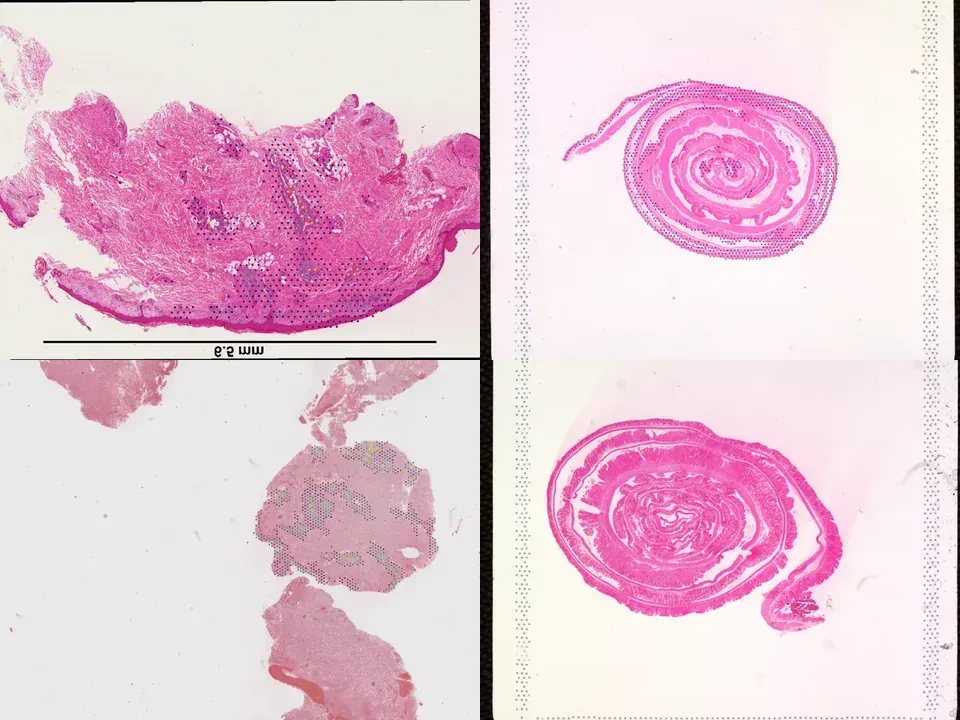
Stevens-Johnson syndrome (SJS) and toxic epidermal necrolysis (TEN) are life-threatening severe cutaneous adverse reactions (SCARs). We integrate single-cell and spatial transcriptomic analyses on blood, blisters, and lesional skin from SJS/TEN patients, revealing IFN-γ and JAK/STAT signaling as the key pathways responsible for driving epidermal necrolysis. We identify JAK1/3–STAT1 signaling as a primary driver of the activation of CD8+ cytotoxic T lymphocytes (CTLs), natural killer (NK)/NKT cells, macrophages and conventional dendritic cells in skin lesions. The high proportion of cytotoxic protein (granulysin and granzyme B)–expressing CD8+ CTLs in SJS/TEN blisters is associated with STAT1 phosphorylation. Immunostaining and ex vivo blocking assays further confirm the potential for the JAK1/3 inhibitor to attenuate CD8+ CTL activation in SJS/TEN. We conduct a proof-of-concept clinical trial in 20 patients with SJS/TEN (ClinicalTrials.gov: NCT06474078), and find that the JAK1/3 inhibitor tofacitinib improves clinical outcomes by reducing skin-healing time with no observed mortality. Our study provides an effective and alternative mechanism-based therapeutic approach for SJS/TEN.

Datasets4
Size~172 MB
AssayVisium
Samplehuman · multiple
KindComparison
Flag a data issue
www.ncbi.nlm.nih.gov/geo/query/acc.cgi?acc=GSE333617 ↗
Python · sddb client
from sddb import Catalog

cohort = Catalog().collection("geo-gse333617")
cohort.members        # the 4 datasets as a table

print(cohort.licenses())              # check the terms before you download

sdatas = cohort.to_dict()             # {uid: SpatialData}, cached locally
# or keep the .zarr files in a folder of your choice:
# sdatas = cohort.to_dict(dest="data/")
Python · lamindb

Needs pip install lamindb and network access to the Lamin database, which is limited during the alpha. If it fails, use the Client tab.

import lamindb as ln

db = ln.DB("scverse/spatialdata-db")
coll = db.Collection.get(key="geo-gse333617")
coll.ordered_artifacts.to_dataframe()   # the 4 members, ordered

# download every member .zarr to the local cache:
paths = [a.cache() for a in coll.ordered_artifacts.all()]
Shell
# sddb client: download every member .zarr into data/
sddb-cli download --collection geo-gse333617 --dest data/

Licenses: 4 NCBI GEO policy

Open in Vitessce
Visium
Human zone of skin
GSM9769919
human zone of skin Huntington disease 44.2 MB 2,296 spots silver H&E NCBI GEO policy
TechnologyVisium
Organismhuman
Tissuezone of skin
ConditionHuntington disease
Size44.2 MB
Spots2,296
silver H&E NCBI GEO policy Open in Vitessce
Open in Vitessce
Visium
Human skin of body
GSM9769921
human skin of body 16.1 MB 2,082 spots silver H&E NCBI GEO policy
TechnologyVisium
Organismhuman
Tissueskin of body
Size16.1 MB
Spots2,082
silver H&E NCBI GEO policy Open in Vitessce
Open in Vitessce
Visium
Human zone of skin
GSM9769920
human zone of skin Huntington disease 52.9 MB 2,516 spots silver H&E NCBI GEO policy
TechnologyVisium
Organismhuman
Tissuezone of skin
ConditionHuntington disease
Size52.9 MB
Spots2,516
silver H&E NCBI GEO policy Open in Vitessce
Open in Vitessce
Visium
Human zone of skin
GSM9769922
human zone of skin Huntington disease 59.0 MB 3,862 spots silver H&E NCBI GEO policy
TechnologyVisium
Organismhuman
Tissuezone of skin
ConditionHuntington disease
Size59.0 MB
Spots3,862
silver H&E NCBI GEO policy Open in Vitessce

Cite this collection

No linked publication found — please cite the data source.