
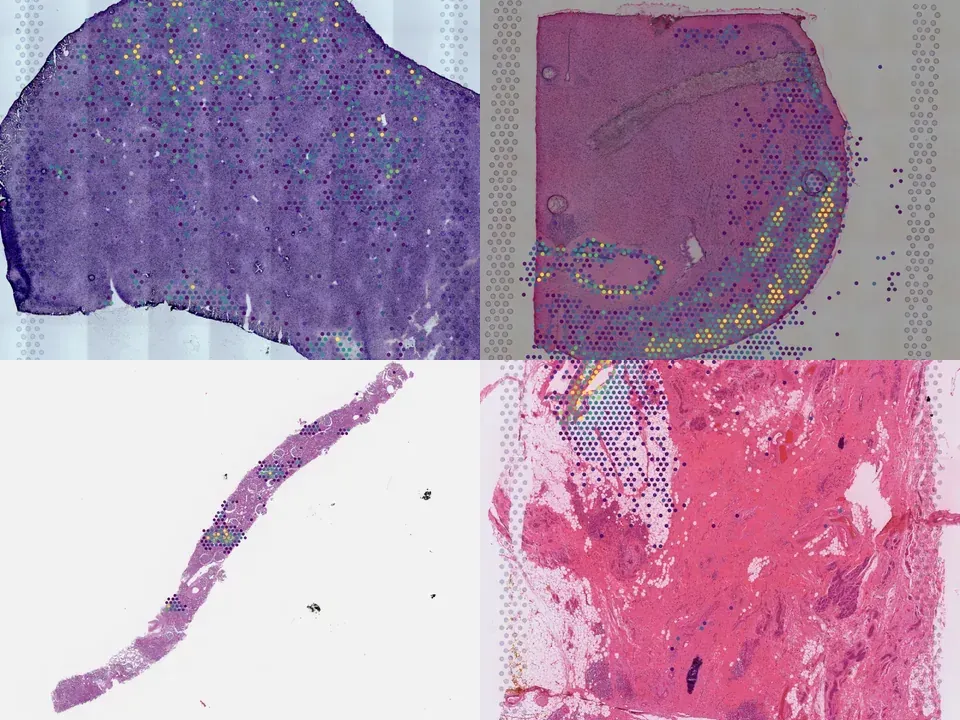
Human kidney
GSM9767744
human kidney lupus nephritis 17.8 MB 830 spots bronze H&E NCBI GEO policy
TechnologyVisium
Organismhuman
Tissuekidney
Conditionlupus nephritis
Spots830
bronze H&E NCBI GEO policy
Neutrophils have been implicated in mediating immune crosstalk between injured tissue and distal organs, either promoting local and distal inflammation or mediating tissue repair. Skin injury from ultraviolet (UV) light triggers neutrophil migration to the kidney, which may have implications for nephritis flares in systemic lupus erythematosus (SLE). Here, we demonstrate that after skin exposure to UV light, renal neutrophils upregulate pro-angiogenic transcriptional programs and activate renal endothelial angiogenesis and tissue remodeling processes in healthy kidneys. Ligand–receptor analysis identified Cd177–Pecam1 as a key neutrophil-endothelial interaction. In contrast to healthy controls, skin exposure to UV light stimulated the expression of Tgfβ and Wnt signaling pathways in lupus-prone MRL/lpr mice. This tissue remodeling response was neutrophil-dependent. Spatial transcriptomic analysis of lupus nephritis (LN) kidneys revealed that tissue remodeling and pro-fibrotic pathways are highly expressed in neutrophil-rich areas. Neutrophil intra-renal levels were higher in the kidneys of LN patients with active skin disease, compared to those without skin involvement at the time of the nephritis flare. Moreover, urinary neutrophils were increased in SLE patients with active skin disease, including sun-associated skin rash, even in the absence of lupus nephritis. These results support a model in which UV-triggered skin injury activates a neutrophil-mediated skin-kidney axis that promotes differential tissue remodeling pathways in healthy compared to lupus-prone kidneys.
from sddb import Catalog

cohort = Catalog().collection("geo-gse333529")
cohort.members        # the 4 datasets as a table

print(cohort.licenses())              # check the terms before you download

sdatas = cohort.to_dict()             # {uid: SpatialData}, cached locally
# or keep the .zarr files in a folder of your choice:
# sdatas = cohort.to_dict(dest="data/")Needs pip install lamindb and network access to the Lamin database, which is limited during the alpha. If it fails, use the Client tab.
import lamindb as ln

db = ln.DB("scverse/spatialdata-db")
coll = db.Collection.get(key="geo-gse333529")
coll.ordered_artifacts.to_dataframe()   # the 4 members, ordered

# download every member .zarr to the local cache:
paths = [a.cache() for a in coll.ordered_artifacts.all()]# sddb client: download every member .zarr into data/
sddb-cli download --collection geo-gse333529 --dest data/Licenses: 4 NCBI GEO policy
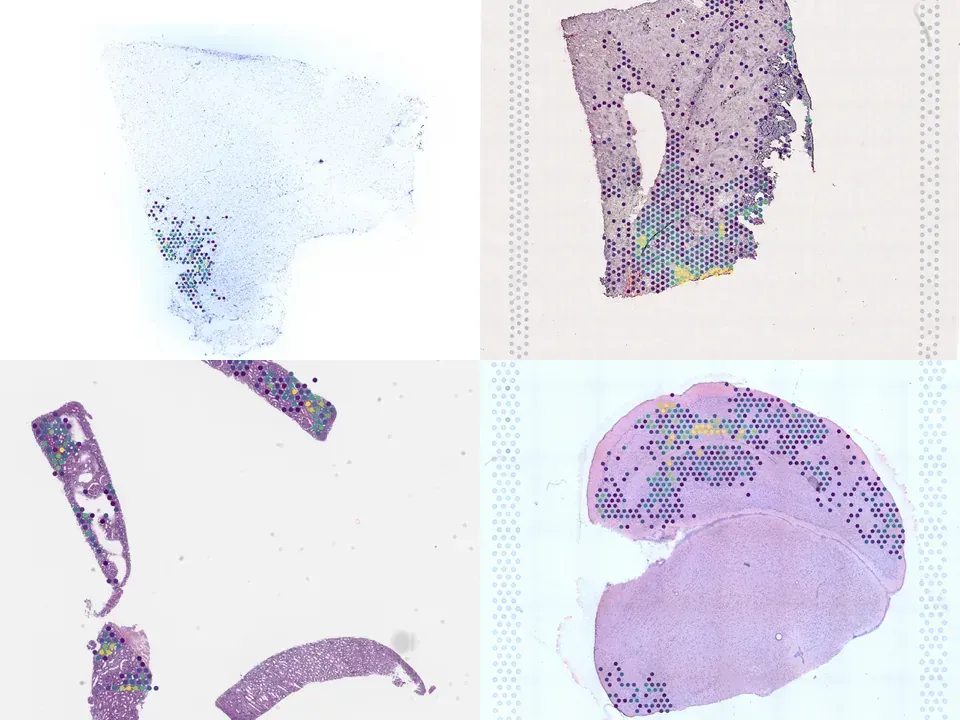
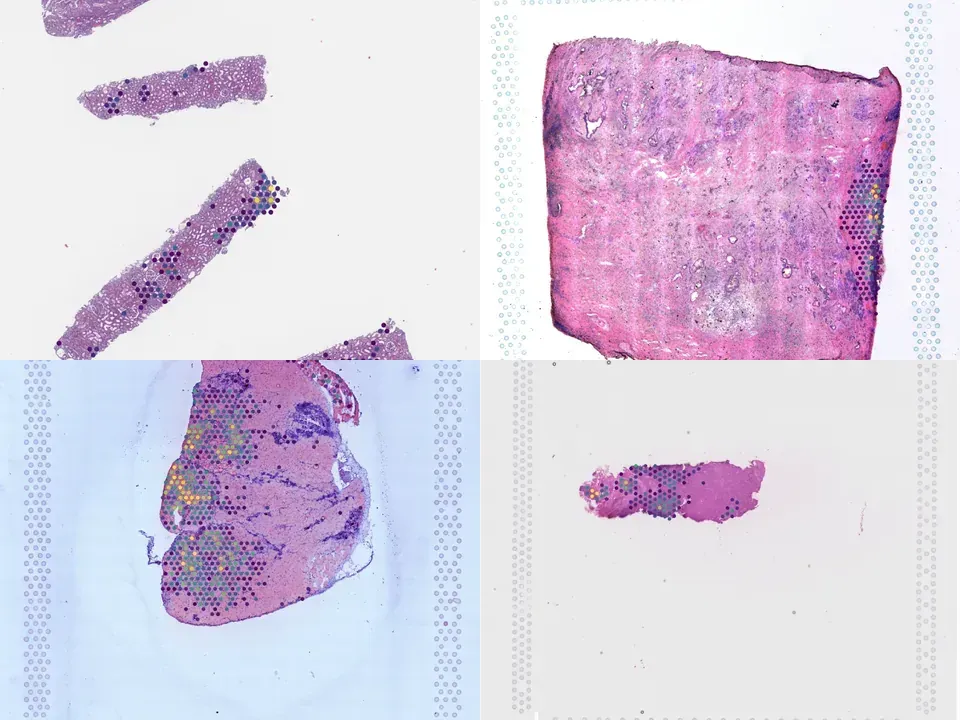
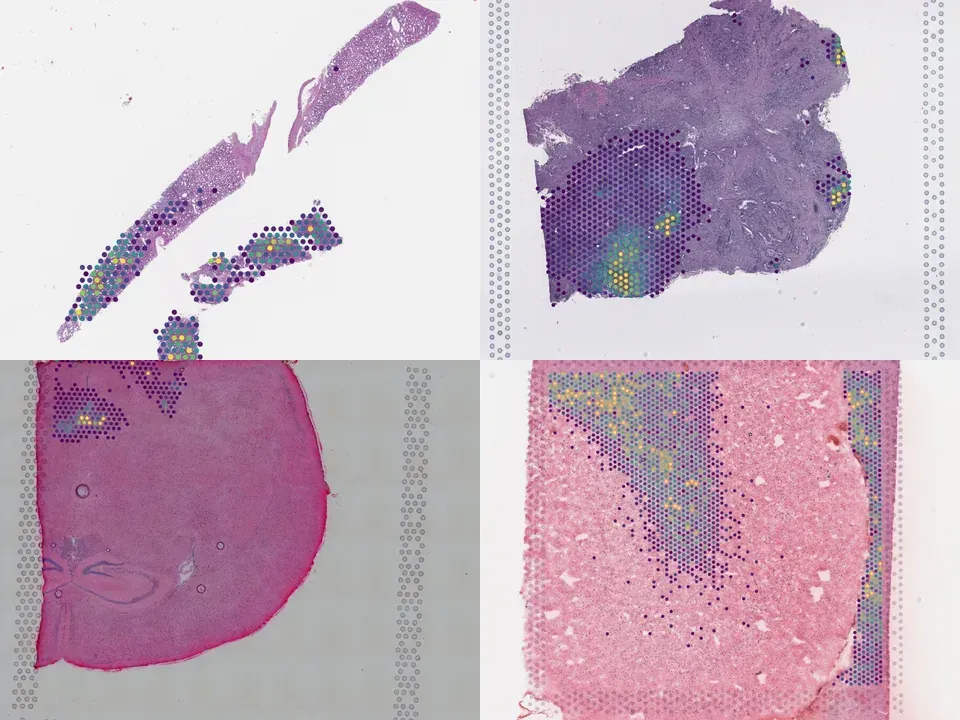
No linked publication found — please cite the data source.