Collections / Spatial transcriptomic profiling of human pancreatic ductal adenocarcinoma using 10x Genomics Visium platform

Spatial transcriptomic profiling of human pancreatic ductal adenocarcinoma using 10x Genomics Visium platform

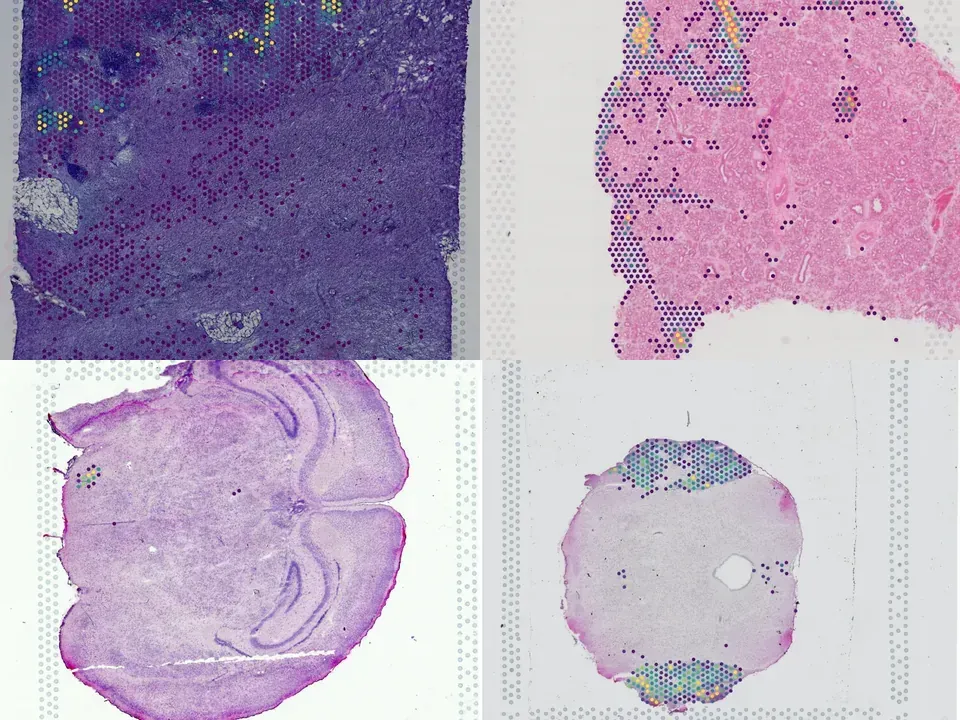
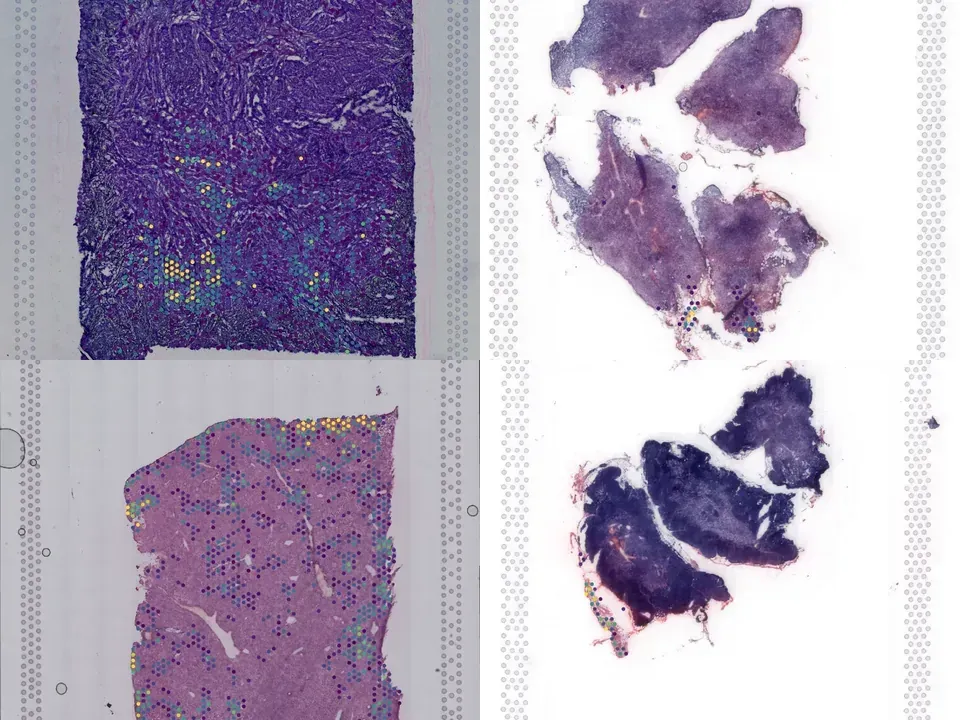
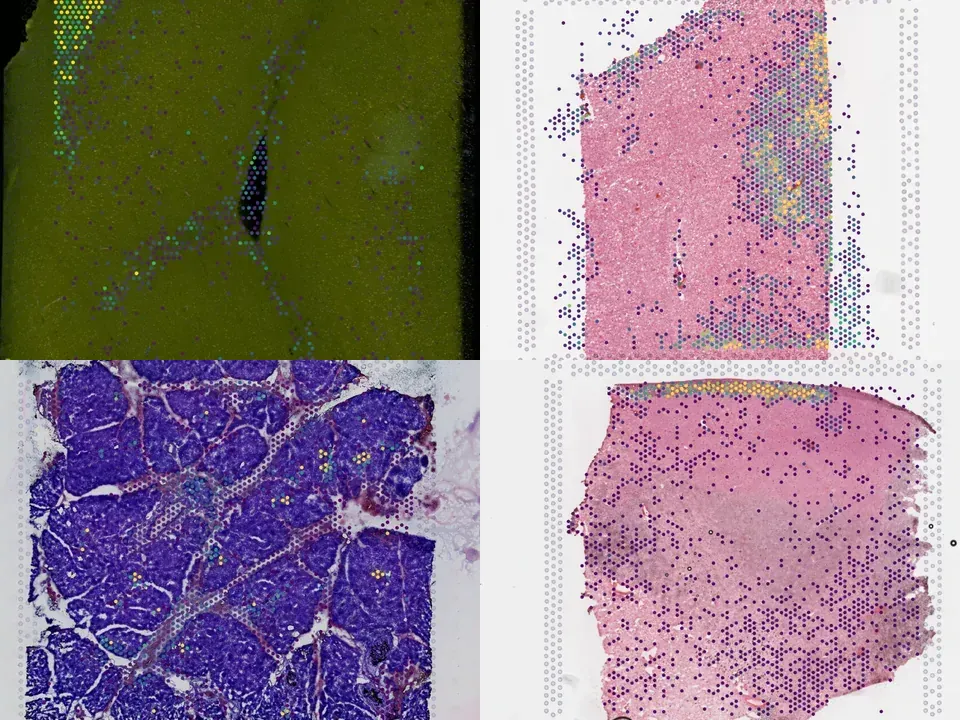
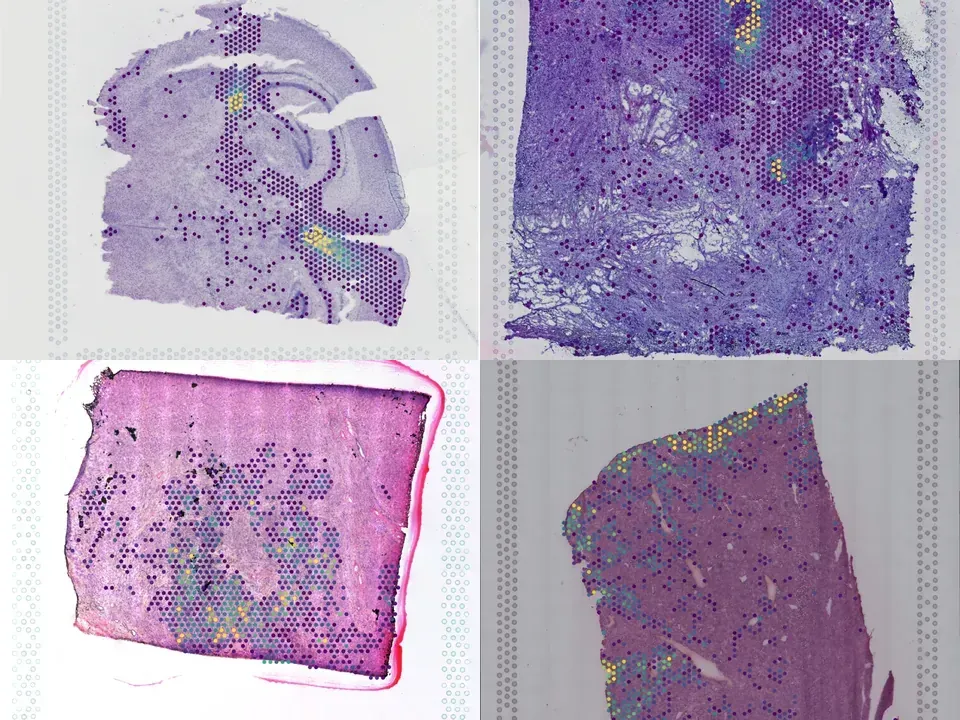
In this study, we performed spatial transcriptomics (ST) to investigate the gene expression features across one normal pancreatic tissue, PC tissue, adjacent tumor tissue, and tumor stroma using 10x Genomics Visium spatial gene expression platform. We generated high-quality spatial gene expression profiles combined with histomorphological information, aiming to reveal the spatial heterogeneity of pancreatic cancer microenvironment and identify spatially restricted gene signatures associated with tumor progression. Sequencing was performed on Illumina NovaSeq 6000 platform, and data processing was conducted using SpaceRanger software with hg38 reference genome. The results revealed that KRT13+FABP5+ malignant cell subpopulation had keratinization characteristics in the tumor tissue. Fibroblasts from adjacent tumor tissue exhibited a tumor-inhibiting role such as “B-cell activation” and “positive regulation of leukocyte activation.” The FGG+CRP+ inflammatory cancer-associated fibroblasts replaced the islets in tumor stroma. During PC progression, the damage to pancreatic structure and function was heavier in the pancreatic exocrine (AMYA2+PRSS1+) than in the endocrine (INS+GCG+). Our results revealed the spatial heterogeneity of dynamic changes and highlighted the significance of impaired exocrine function in PC.

Datasets4
Size~158 MB
AssayVisium
Samplehuman · pancreas
KindComparison
Flag a data issue
PMID:42100437 ↗
Python · sddb client
from sddb import Catalog

cohort = Catalog().collection("geo-gse327056")
cohort.members        # the 4 datasets as a table

print(cohort.licenses())              # check the terms before you download

sdatas = cohort.to_dict()             # {uid: SpatialData}, cached locally
# or keep the .zarr files in a folder of your choice:
# sdatas = cohort.to_dict(dest="data/")
Python · lamindb

Needs pip install lamindb and network access to the Lamin database, which is limited during the alpha. If it fails, use the Client tab.

import lamindb as ln

db = ln.DB("scverse/spatialdata-db")
coll = db.Collection.get(key="geo-gse327056")
coll.ordered_artifacts.to_dataframe()   # the 4 members, ordered

# download every member .zarr to the local cache:
paths = [a.cache() for a in coll.ordered_artifacts.all()]
Shell
# sddb client: download every member .zarr into data/
sddb-cli download --collection geo-gse327056 --dest data/

Licenses: 4 NCBI GEO policy

Open in Vitessce
Visium
Human pancreas
GSM9647222
human pancreas pancreatic ductal adenocarcinoma 31.0 MB 4,724 spots bronze H&E NCBI GEO policy
TechnologyVisium
Organismhuman
Tissuepancreas
Conditionpancreatic ductal adenocarcinoma
Size31.0 MB
Spots4,724
bronze H&E NCBI GEO policy Open in Vitessce
Open in Vitessce
Visium
Human pancreas
GSM9647219
human pancreas pancreatic ductal adenocarcinoma 37.1 MB 4,885 spots bronze H&E NCBI GEO policy
TechnologyVisium
Organismhuman
Tissuepancreas
Conditionpancreatic ductal adenocarcinoma
Size37.1 MB
Spots4,885
bronze H&E NCBI GEO policy Open in Vitessce
Open in Vitessce
Visium
Human pancreas
GSM9647221
human pancreas pancreatic ductal adenocarcinoma 40.2 MB 4,483 spots bronze H&E NCBI GEO policy
TechnologyVisium
Organismhuman
Tissuepancreas
Conditionpancreatic ductal adenocarcinoma
Size40.2 MB
Spots4,483
bronze H&E NCBI GEO policy Open in Vitessce
Open in Vitessce
Visium
Human pancreas
GSM9647220
human pancreas pancreatic ductal adenocarcinoma 49.7 MB 3,983 spots bronze H&E NCBI GEO policy
TechnologyVisium
Organismhuman
Tissuepancreas
Conditionpancreatic ductal adenocarcinoma
Size49.7 MB
Spots3,983
bronze H&E NCBI GEO policy Open in Vitessce

Cite this collection

No linked publication found — please cite the data source.