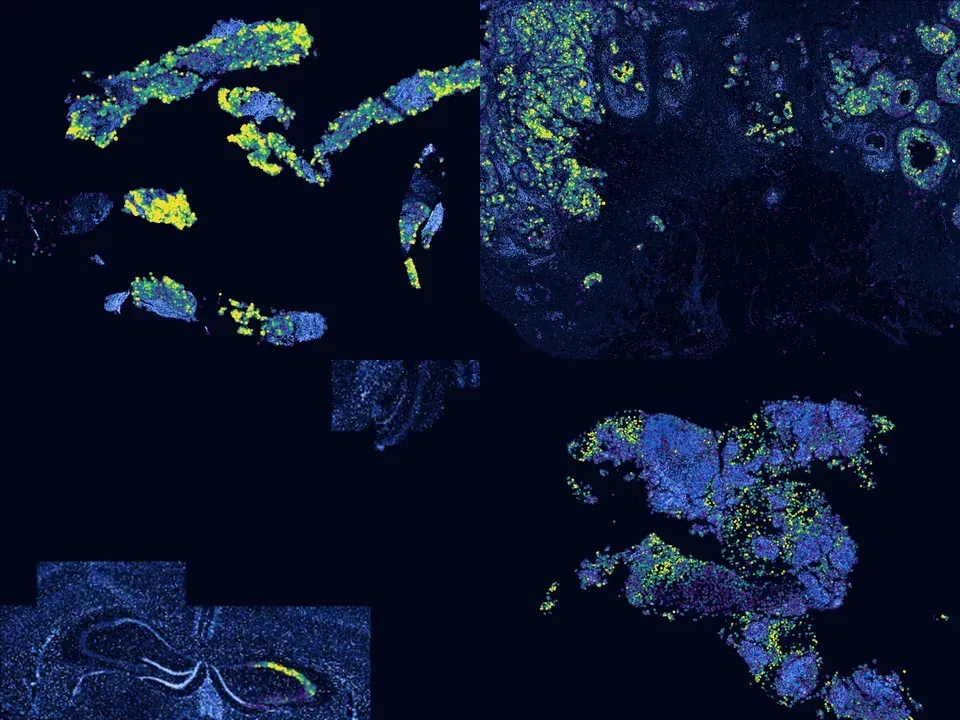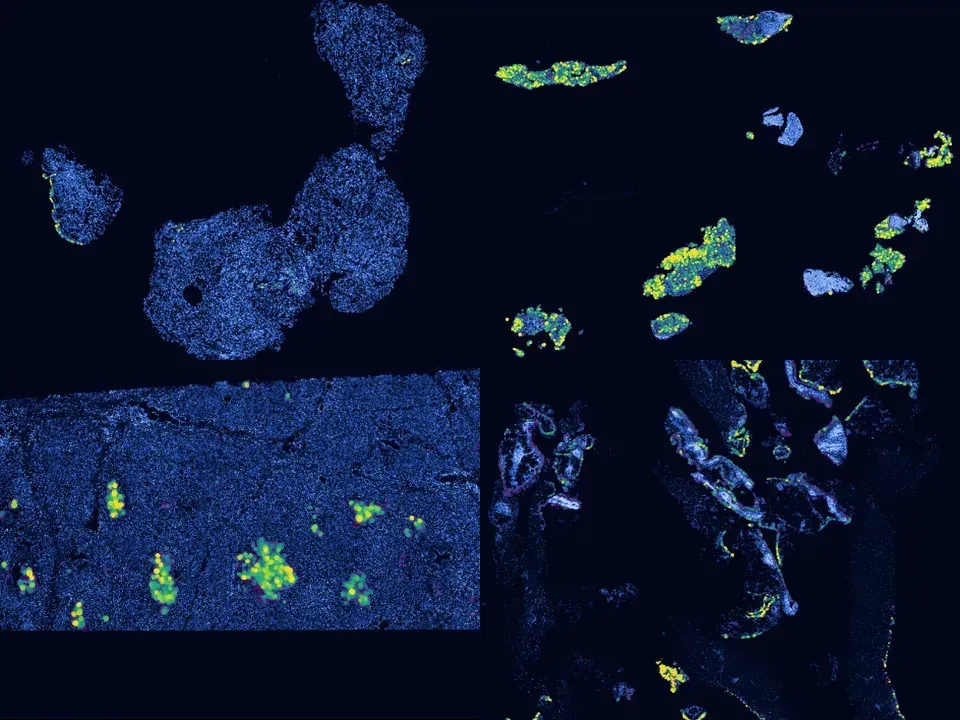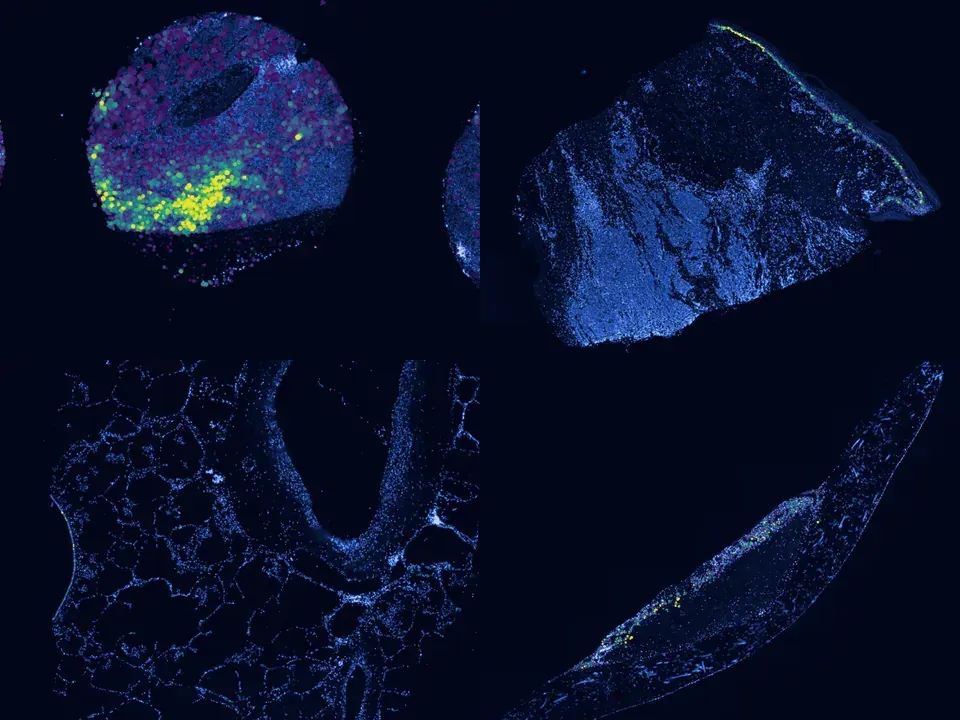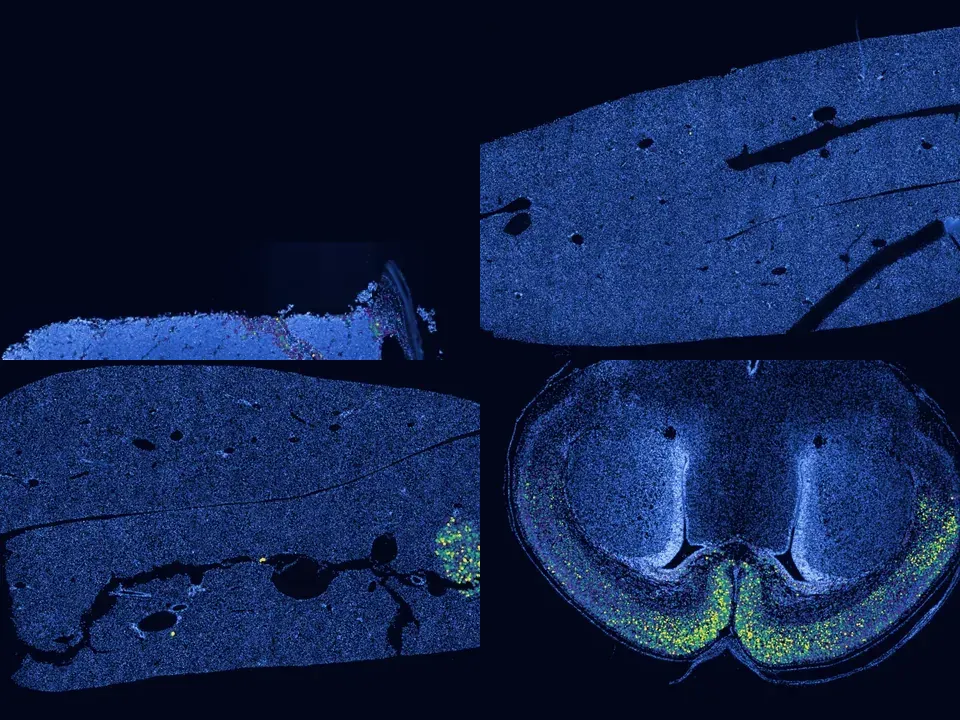
Collections / Reprogramming engineered autologous T cells to overcome resistance in patients with Merkel cell carcinoma [Xenium]

Reprogramming engineered autologous T cells to overcome resistance in patients with Merkel cell carcinoma [Xenium]

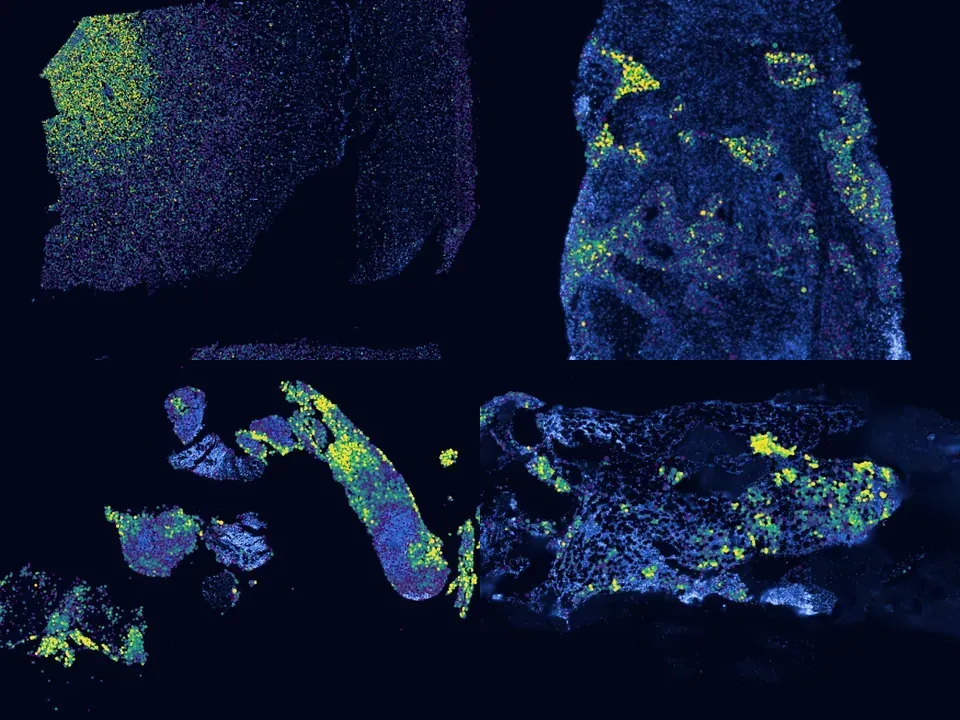
Immune checkpoint inhibitors (ICIs) have transformed Merkel cell carcinoma (MCC) outcomes, but most patients with MCC develop resistance. We identified T cell receptor (TCR)MCC1, a highly avid, HLA-A*02:01–restricted TCR targeting the Merkel cell polyomavirus (MCPyV) oncoprotein large-T antigen15–23. Seven patients with ICI-refractory metastatic MCPyV+ MCC received TCRMCC1-transduced cells (TTCR-MCC1 cells) after lymphodepleting chemotherapy or HLA-enhancing interventions [radiation or interferon gamma-1b (Actimmune)], with concurrent ICIs (NCT03747484). TTCR-MCC1 cells trafficked to tumor sites and expressed a gene expression profile compatible with T cell activation, with tumor regression observed in two patients. However, therapeutic activity was limited by HLA class I silencing, a common mechanism of immune escape in MCC. In one patient, delayed tumor regression coincided with endogenous effector immune activation and restoration of MCC HLA expression, implying that robust local responses could reverse HLA silencing. To overcome this barrier, we engineered CD4 and CD8 TTCR-MCC1 cells to coexpress CD8αβ and a CD200R-CD28 switch receptor, enabling CD4 T cell engagement and T cell costimulation. These modifications enhanced tumor infiltration, increased HLA expression, and improved control of HLAlow MCC in vivo in mice. These findings support the feasibility of TCR-engineered cell therapy for MCPyV+ MCC and provide a blueprint for overcoming immune evasion via targeted localized enhancement of antigen presentation.

Datasets6
Size~6.8 GB
Assay10x Xenium
Samplehuman · multiple
KindTime course
Flag a data issue
PMID:42715345 ↗
Python · sddb client
from sddb import Catalog

cohort = Catalog().collection("geo-gse326660")
cohort.members        # the 6 datasets as a table

print(cohort.licenses())              # check the terms before you download

sdatas = cohort.to_dict()             # {uid: SpatialData}, cached locally
# or keep the .zarr files in a folder of your choice:
# sdatas = cohort.to_dict(dest="data/")
Python · lamindb

Needs pip install lamindb and network access to the Lamin database, which is limited during the alpha. If it fails, use the Client tab.

import lamindb as ln

db = ln.DB("scverse/spatialdata-db")
coll = db.Collection.get(key="geo-gse326660")
coll.ordered_artifacts.to_dataframe()   # the 6 members, ordered

# download every member .zarr to the local cache:
paths = [a.cache() for a in coll.ordered_artifacts.all()]
Shell
# sddb client: download every member .zarr into data/
sddb-cli download --collection geo-gse326660 --dest data/

Licenses: 6 NCBI GEO policy

Open in Vitessce
10x Xenium
Human skin of body
GSM9636818
human skin of body cutaneous neuroendocrine carcinoma 1.6 GB 213,088 cells bronze NCBI GEO policy
Technology10x Xenium
Organismhuman
Tissueskin of body
Conditioncutaneous neuroendocrine carcinoma
Size1.6 GB
Cells213,088
bronze NCBI GEO policy Open in Vitessce
Open in Vitessce
10x Xenium
Human pelvic lymph node
GSM9636821
human pelvic lymph node cutaneous neuroendocrine carcinoma 2.2 GB 216,922 cells bronze NCBI GEO policy
Technology10x Xenium
Organismhuman
Tissuepelvic lymph node
Conditioncutaneous neuroendocrine carcinoma
Size2.2 GB
Cells216,922
bronze NCBI GEO policy Open in Vitessce
Open in Vitessce
10x Xenium
Human pelvic lymph node
GSM9636819
human pelvic lymph node cutaneous neuroendocrine carcinoma 1.4 GB 106,368 cells bronze NCBI GEO policy
Technology10x Xenium
Organismhuman
Tissuepelvic lymph node
Conditioncutaneous neuroendocrine carcinoma
Size1.4 GB
Cells106,368
bronze NCBI GEO policy Open in Vitessce
Open in Vitessce
10x Xenium
Human skin of body
GSM9636817
human skin of body cutaneous neuroendocrine carcinoma 563 MB 51,539 cells bronze NCBI GEO policy
Technology10x Xenium
Organismhuman
Tissueskin of body
Conditioncutaneous neuroendocrine carcinoma
Size563 MB
Cells51,539
bronze NCBI GEO policy Open in Vitessce
Open in Vitessce
10x Xenium
Human pelvic lymph node
GSM9636820
human pelvic lymph node cutaneous neuroendocrine carcinoma 741 MB 59,563 cells bronze NCBI GEO policy
Technology10x Xenium
Organismhuman
Tissuepelvic lymph node
Conditioncutaneous neuroendocrine carcinoma
Size741 MB
Cells59,563
bronze NCBI GEO policy Open in Vitessce
Open in Vitessce
10x Xenium
Human pelvic lymph node
GSM9636822
human pelvic lymph node cutaneous neuroendocrine carcinoma 360 MB 35,429 cells bronze NCBI GEO policy
Technology10x Xenium
Organismhuman
Tissuepelvic lymph node
Conditioncutaneous neuroendocrine carcinoma
Size360 MB
Cells35,429
bronze NCBI GEO policy Open in Vitessce

Cite this collection

No linked publication found — please cite the data source.