Spatially resolved gene expression and tumour-microenvironment interactions across malignant transformation in IDH-mutant glioma
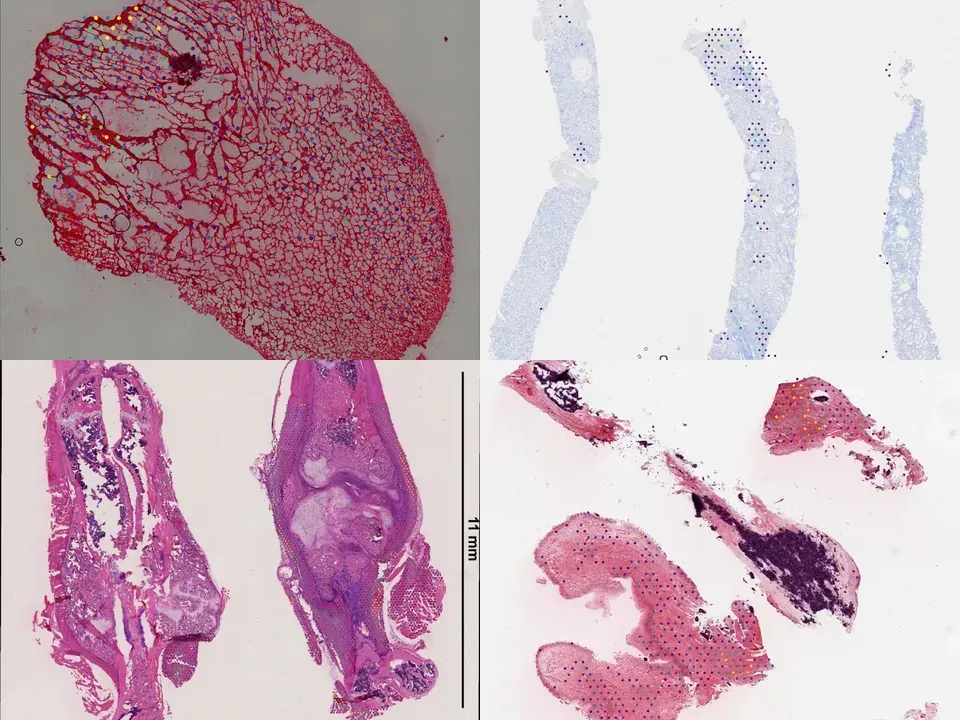
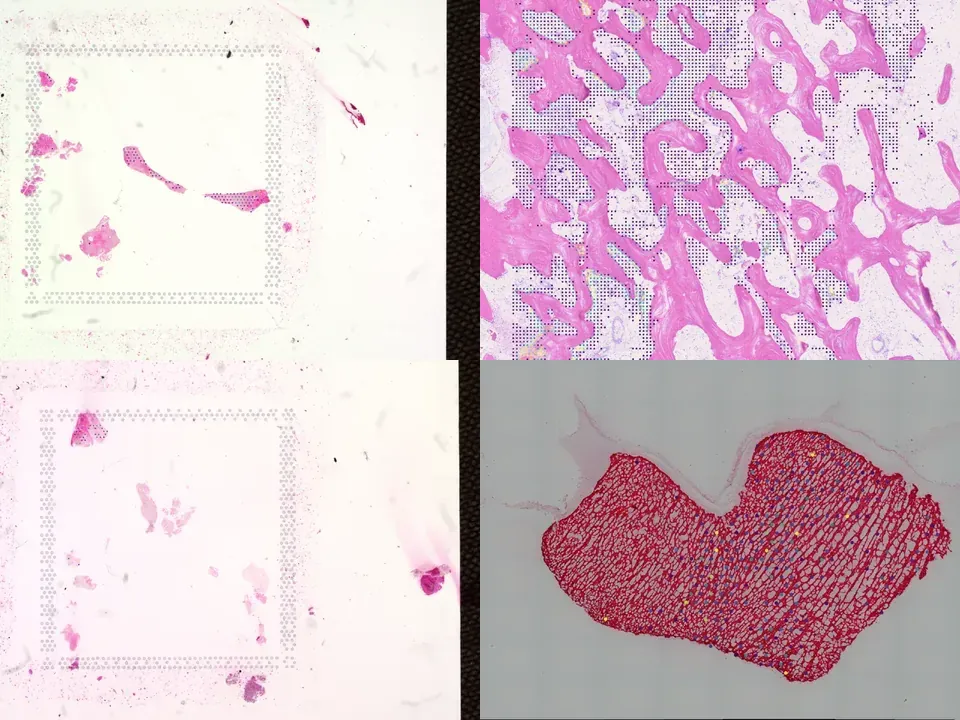
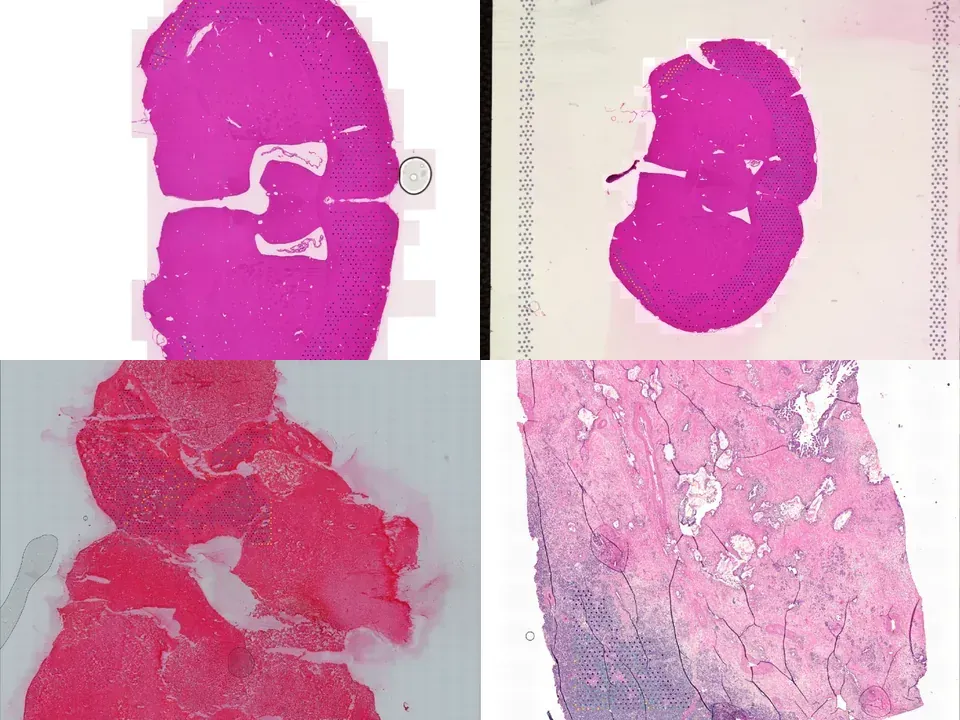
Isocitrate dehydrogenase (IDH)-mutant gliomas represent most lower-grade diffuse gliomas in young adults. Although IDH-mutant gliomas initially behave indolently relative to IDH-wildtype counterparts, they undergo inevitable malignant transformation. The mechanisms driving this progression remain poorly defined. We analyzed a rare longitudinal cohort of two patients with IDH-mutant diffuse gliomas, each with matched WHO grade 2, 3, and 4 tumours. Spatial transcriptomics (NanoString GeoMx and 10X Visium), combined with differential expression, spatially variable gene analysis, and gene ontology enrichment, were used to define transcriptional programs underlying progression. Across both patients, higher-grade tumours demonstrated reduced proliferation and a shift toward a migratory, invasive phenotype. Grade 4 samples showed upregulation of genes involved in cell adhesion, axon guidance, cytoskeletal remodeling, and neural development. Spatial analyses localized these programs to tumour invasive margins. GO enrichment highlighted pathways related to neuron projection development, focal adhesion, and lamellipodium organization. Findings were clinically validated using Cox proportional hazards models with LASSO and Elastic Net regularization in a Pan-Cancer Atlas cohort. Elevated expression of invasion-associated genes correlated with shorter progression-free survival and an invasiveness gene signature predicted overall survival . These findings identify candidate molecular drivers of progression and potential targets for timepoint-specific therapeutic intervention.
from sddb import Catalog
cohort = Catalog().collection("geo-gse318238")
cohort.members # the 3 datasets as a table
print(cohort.licenses()) # check the terms before you download
sdatas = cohort.to_dict() # {uid: SpatialData}, cached locally
# or keep the .zarr files in a folder of your choice:
# sdatas = cohort.to_dict(dest="data/") Needs pip install lamindb and network access to the Lamin database, which is limited during the alpha. If it fails, use the Client tab.
import lamindb as ln
db = ln.DB("scverse/spatialdata-db")
coll = db.Collection.get(key="geo-gse318238")
coll.ordered_artifacts.to_dataframe() # the 3 members, ordered
# download every member .zarr to the local cache:
paths = [a.cache() for a in coll.ordered_artifacts.all()] # sddb client: download every member .zarr into data/
sddb-cli download --collection geo-gse318238 --dest data/ Licenses: 3 NCBI GEO policy
Cite this collection
No linked publication found — please cite the data source.