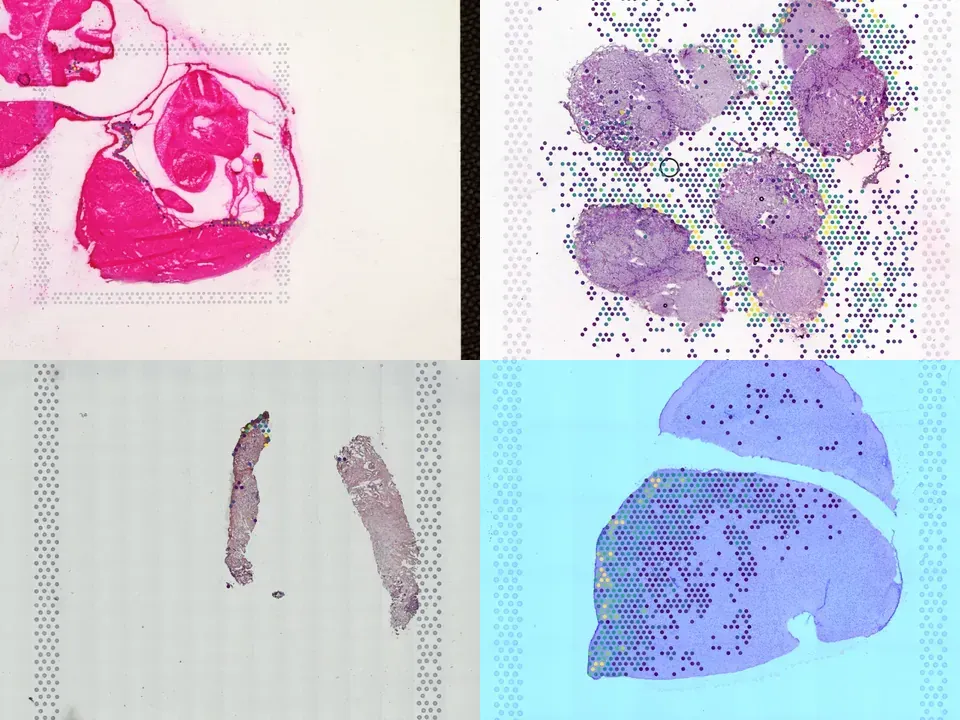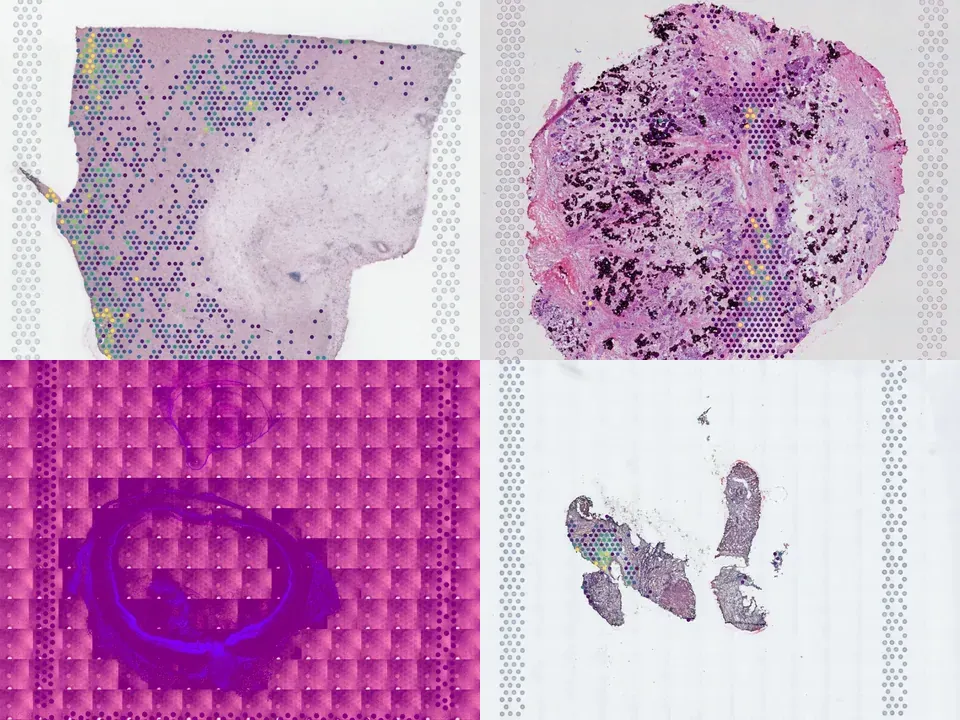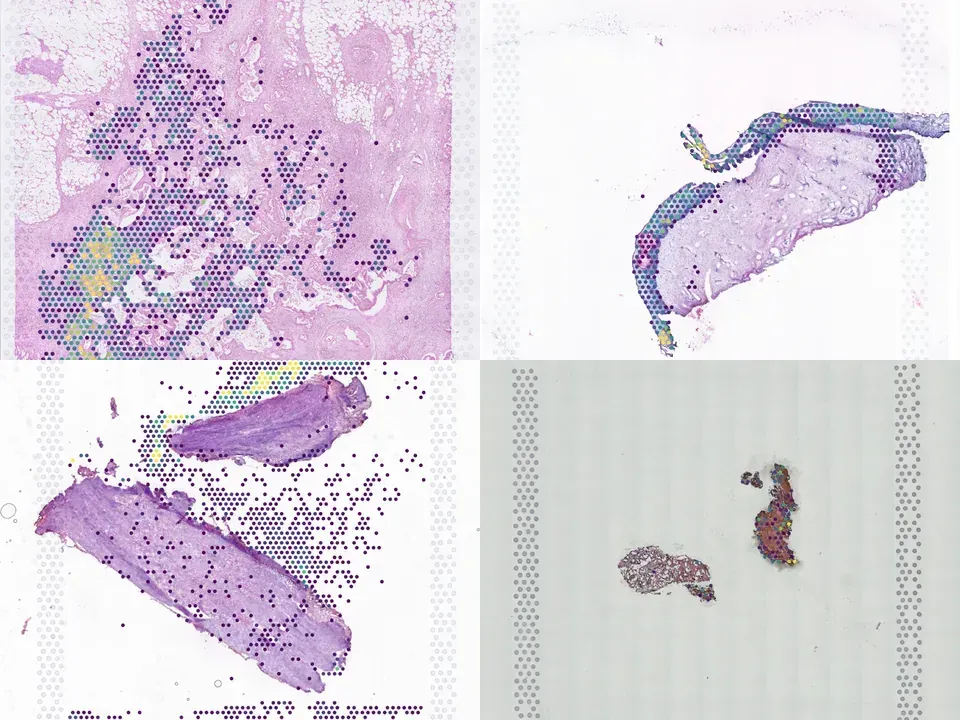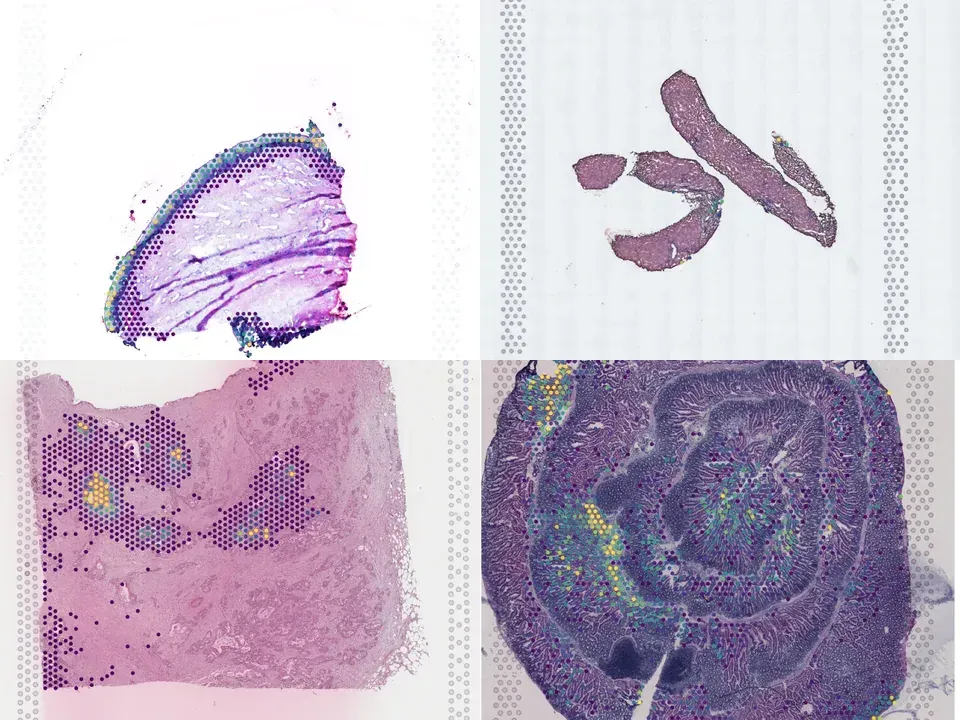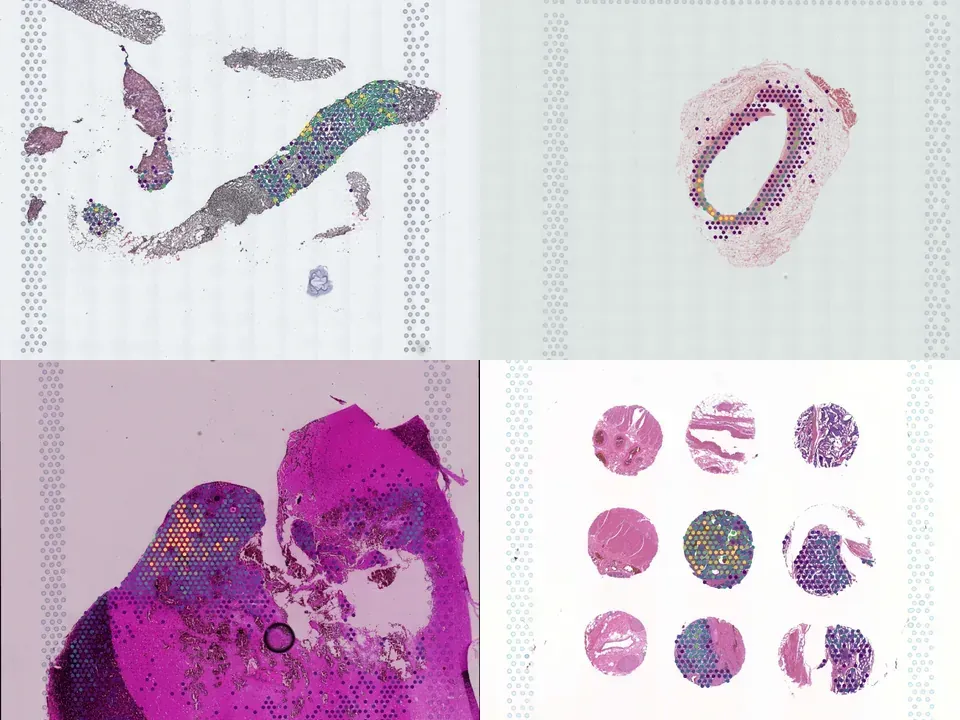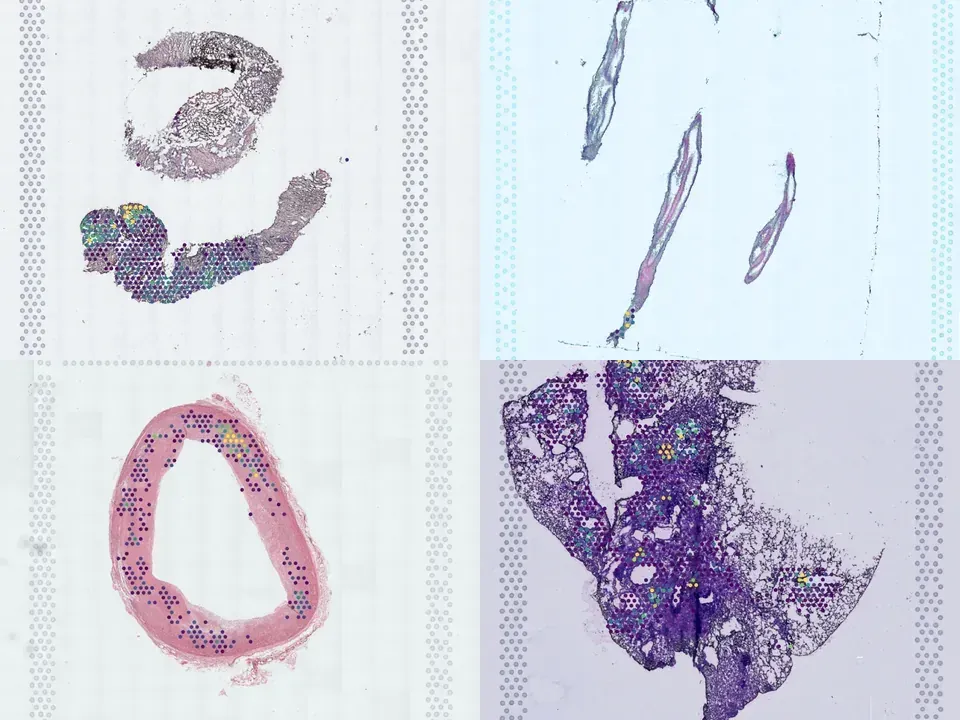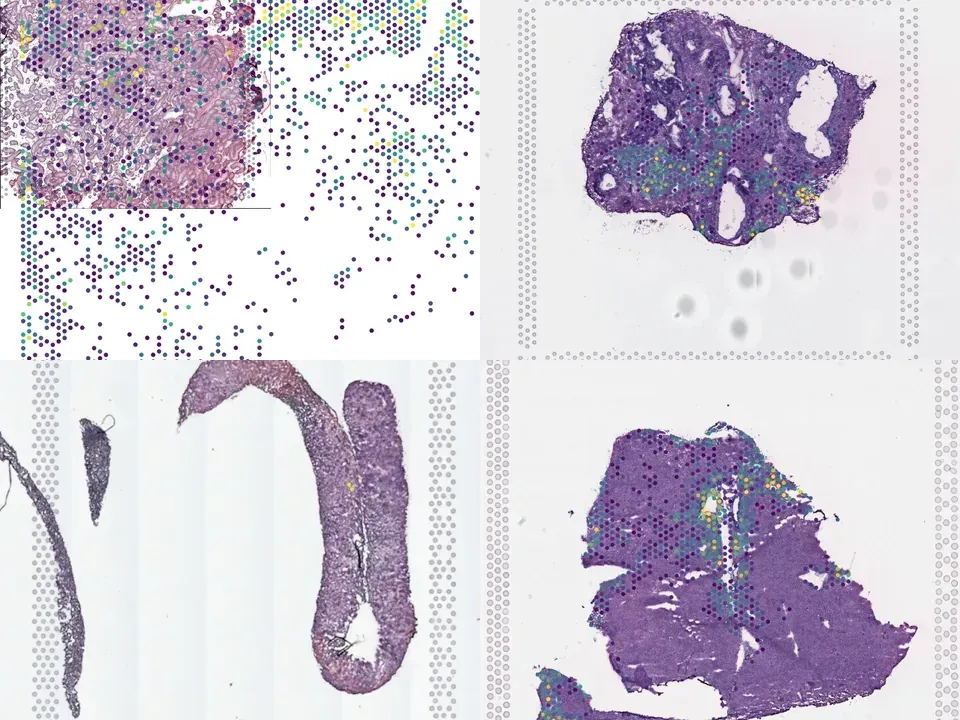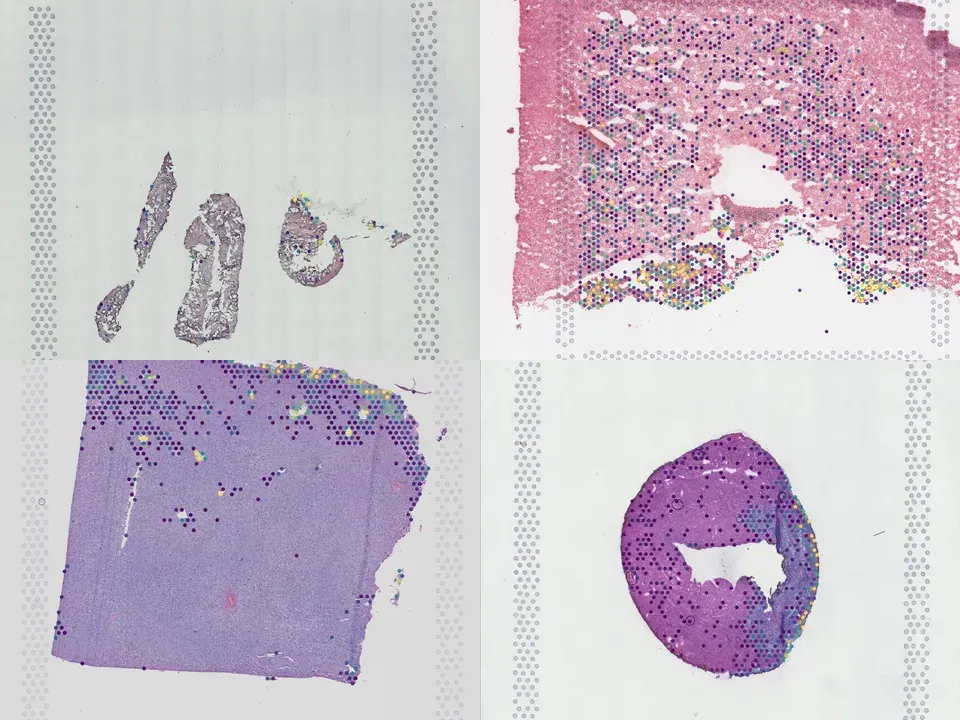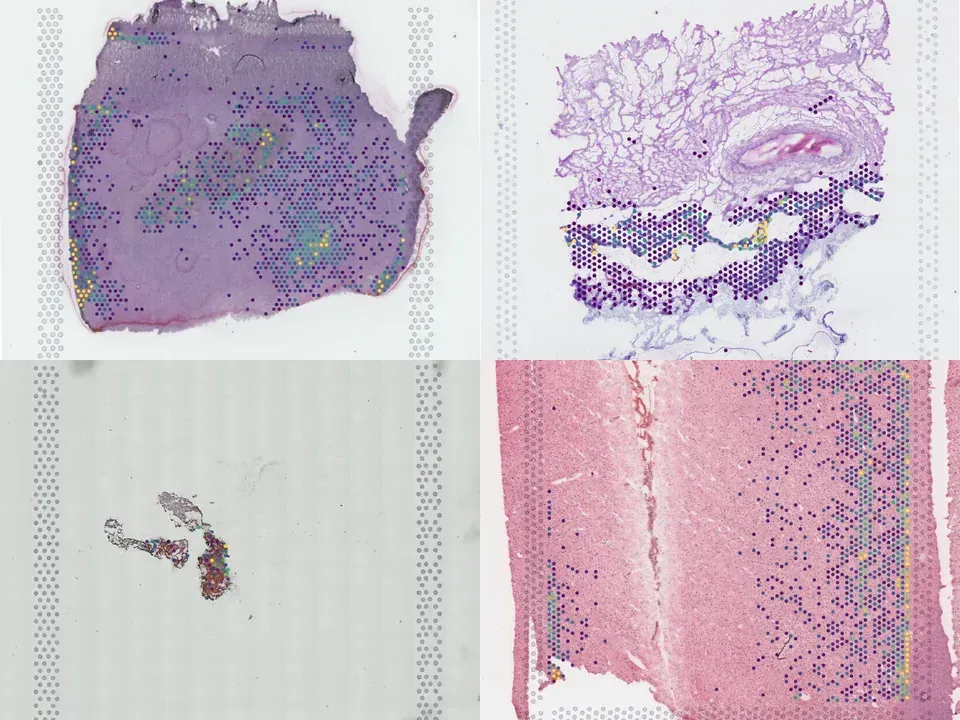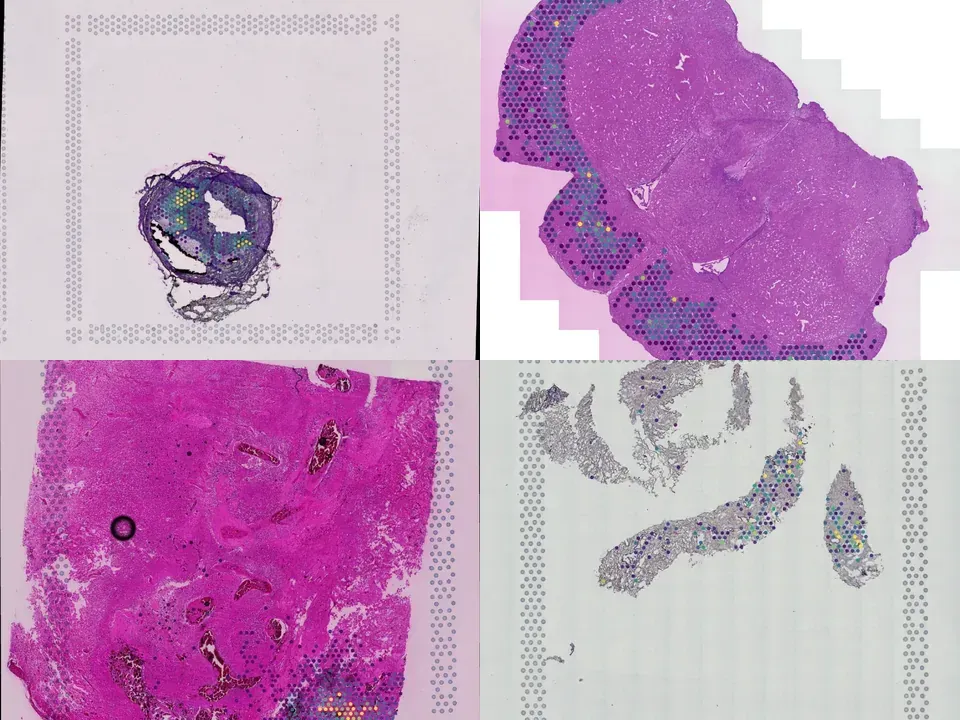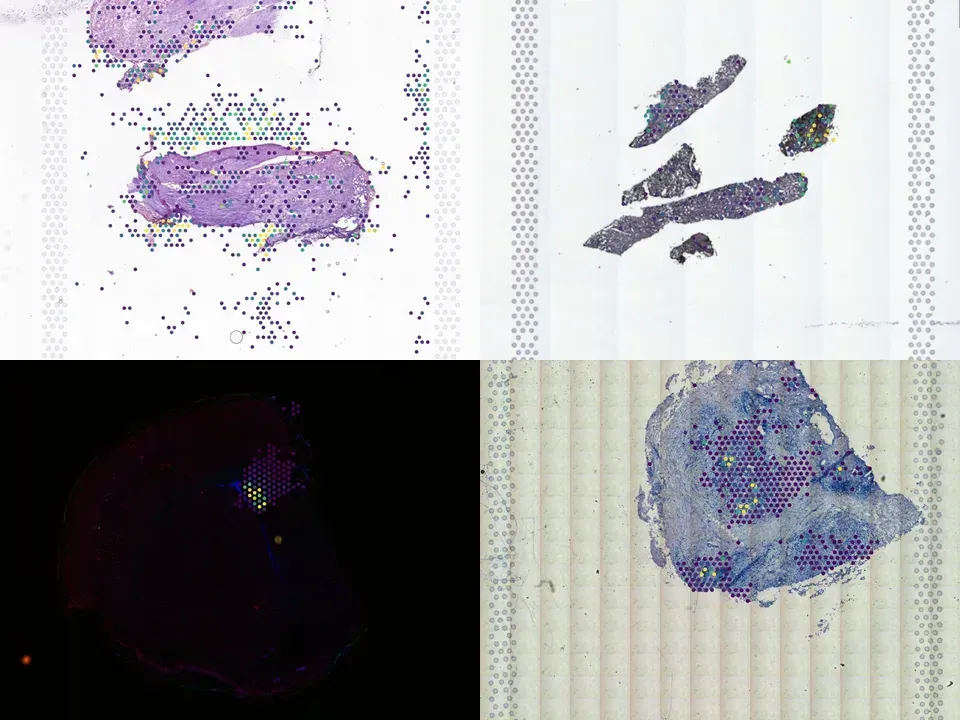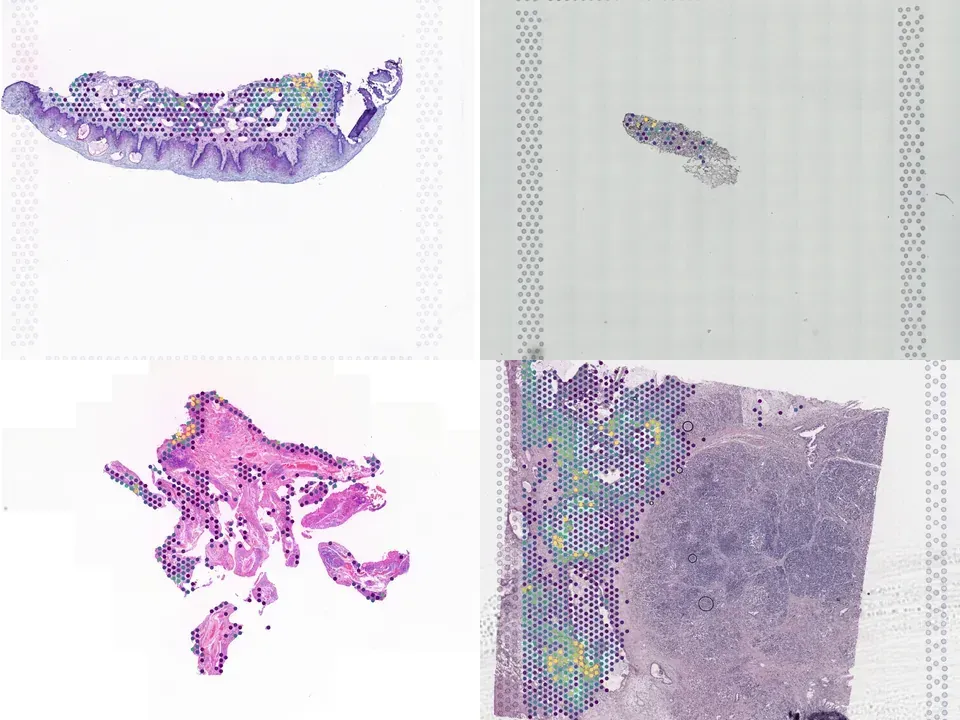
Collections / A Phase II Trial of Pembrolizumab plus Granulocyte Macrophage Colony Stimulating Factor in Advanced Biliary Cancer [Spatial Transcriptomics]

A Phase II Trial of Pembrolizumab plus Granulocyte Macrophage Colony Stimulating Factor in Advanced Biliary Cancer [Spatial Transcriptomics]

Immune checkpoint inhibitors have limited activity as monotherapy in biliary cancers. Granulocyte-macrophage colony-stimulating factor (GM-CSF) is a pleiotropic immune cell growth factor which resulted in prolonged survival when combined with ipilimumab in melanoma. We conducted a single-center, phase II trial to evaluate the efficacy and safety of combining GM-CSF with pembrolizumab in patients with advanced biliary cancers after prior standard chemotherapy but no prior immune checkpoint inhibitor. Pembrolizumab 200 mg was administered intravenously in 21-day cycles, along with two cycles of GM-CSF 250 µg subcutaneously days 1 through 14. The primary endpoint was objective response rate. Among 42 patients enrolled, the median age was 61 years, 67% had intrahepatic cholangiocarcinoma, 90% had stage IV disease, and 24% had underlying viral hepatitis. The confirmed objective response rate was 12% (95% confidence interval: 4, 26), including two patients with complete response, and 26% of patients had progression-free survival ongoing at 6 months. Treatment was well-tolerated with treatment-related grade 3-4 events in 7% and treatment-related serious adverse events in 10%. Tumor PD-L1 expression was present in 46% and was associated with a higher rate of 6-month progression-free survival. Paired tumor biopsies showed upregulation of CD8+ T cell populations and antigen processing pathways after the addition of GM-CSF. In conclusion, the addition of GM-CSF to pembrolizumab was well-tolerated but did not meet the pre-specified response rate for efficacy. A subset of patients experienced deep responses and prolonged stable disease. GM-CSF elicited changes in the tumor immune microenvironment that could guide future combination approaches.

Datasets12
Size~74.4 MB
AssayVisium
Samplehuman · bile duct
KindTime course
Flag a data issue
www.ncbi.nlm.nih.gov/geo/query/acc.cgi?acc=GSE316402 ↗
Python · sddb client
from sddb import Catalog

cohort = Catalog().collection("geo-gse316402")
cohort.members        # the 12 datasets as a table

print(cohort.licenses())              # check the terms before you download

sdatas = cohort.to_dict()             # {uid: SpatialData}, cached locally
# or keep the .zarr files in a folder of your choice:
# sdatas = cohort.to_dict(dest="data/")
Python · lamindb

Needs pip install lamindb and network access to the Lamin database, which is limited during the alpha. If it fails, use the Client tab.

import lamindb as ln

db = ln.DB("scverse/spatialdata-db")
coll = db.Collection.get(key="geo-gse316402")
coll.ordered_artifacts.to_dataframe()   # the 12 members, ordered

# download every member .zarr to the local cache:
paths = [a.cache() for a in coll.ordered_artifacts.all()]
Shell
# sddb client: download every member .zarr into data/
sddb-cli download --collection geo-gse316402 --dest data/

Licenses: 12 NCBI GEO policy

Open in Vitessce
Visium
Human bile duct
GSM9452690
human bile duct cholangiocarcinoma 4.8 MB 143 spots silver H&E NCBI GEO policy
TechnologyVisium
Organismhuman
Tissuebile duct
Conditioncholangiocarcinoma
Size4.8 MB
Spots143
silver H&E NCBI GEO policy Open in Vitessce
Open in Vitessce
Visium
Human bile duct
GSM9452684
human bile duct cholangiocarcinoma 5.5 MB 431 spots silver H&E NCBI GEO policy
TechnologyVisium
Organismhuman
Tissuebile duct
Conditioncholangiocarcinoma
Size5.5 MB
Spots431
silver H&E NCBI GEO policy Open in Vitessce
Open in Vitessce
Visium
Human bile duct
GSM9452688
human bile duct cholangiocarcinoma 6.2 MB 536 spots silver H&E NCBI GEO policy
TechnologyVisium
Organismhuman
Tissuebile duct
Conditioncholangiocarcinoma
Size6.2 MB
Spots536
silver H&E NCBI GEO policy Open in Vitessce
Open in Vitessce
Visium
Human bile duct
GSM9452687
human bile duct cholangiocarcinoma 5.6 MB 245 spots silver H&E NCBI GEO policy
TechnologyVisium
Organismhuman
Tissuebile duct
Conditioncholangiocarcinoma
Size5.6 MB
Spots245
silver H&E NCBI GEO policy Open in Vitessce
Open in Vitessce
Visium
Human bile duct
GSM9452692
human bile duct cholangiocarcinoma 6.2 MB 694 spots silver H&E NCBI GEO policy
TechnologyVisium
Organismhuman
Tissuebile duct
Conditioncholangiocarcinoma
Size6.2 MB
Spots694
silver H&E NCBI GEO policy Open in Vitessce
Open in Vitessce
Visium
Human bile duct
GSM9452693
human bile duct cholangiocarcinoma 9.0 MB 886 spots silver H&E NCBI GEO policy
TechnologyVisium
Organismhuman
Tissuebile duct
Conditioncholangiocarcinoma
Size9.0 MB
Spots886
silver H&E NCBI GEO policy Open in Vitessce
Open in Vitessce
Visium
Human bile duct
GSM9452689
human bile duct cholangiocarcinoma 8.3 MB 1,040 spots silver H&E NCBI GEO policy
TechnologyVisium
Organismhuman
Tissuebile duct
Conditioncholangiocarcinoma
Size8.3 MB
Spots1,040
silver H&E NCBI GEO policy Open in Vitessce
Open in Vitessce
Visium
Human bile duct
GSM9452694
human bile duct cholangiocarcinoma 5.8 MB 1,274 spots silver H&E NCBI GEO policy
TechnologyVisium
Organismhuman
Tissuebile duct
Conditioncholangiocarcinoma
Size5.8 MB
Spots1,274
silver H&E NCBI GEO policy Open in Vitessce
Open in Vitessce
Visium
Human bile duct
GSM9452686
human bile duct cholangiocarcinoma 6.3 MB 453 spots silver H&E NCBI GEO policy
TechnologyVisium
Organismhuman
Tissuebile duct
Conditioncholangiocarcinoma
Size6.3 MB
Spots453
silver H&E NCBI GEO policy Open in Vitessce
Open in Vitessce
Visium
Human bile duct
GSM9452685
human bile duct cholangiocarcinoma 5.0 MB 145 spots silver H&E NCBI GEO policy
TechnologyVisium
Organismhuman
Tissuebile duct
Conditioncholangiocarcinoma
Size5.0 MB
Spots145
silver H&E NCBI GEO policy Open in Vitessce
Open in Vitessce
Visium
Human bile duct
GSM9452691
human bile duct cholangiocarcinoma 6.8 MB 996 spots silver H&E NCBI GEO policy
TechnologyVisium
Organismhuman
Tissuebile duct
Conditioncholangiocarcinoma
Size6.8 MB
Spots996
silver H&E NCBI GEO policy Open in Vitessce
Open in Vitessce
Visium
Human bile duct
GSM9452695
human bile duct cholangiocarcinoma 5.0 MB 548 spots silver H&E NCBI GEO policy
TechnologyVisium
Organismhuman
Tissuebile duct
Conditioncholangiocarcinoma
Size5.0 MB
Spots548
silver H&E NCBI GEO policy Open in Vitessce

Cite this collection

No linked publication found — please cite the data source.