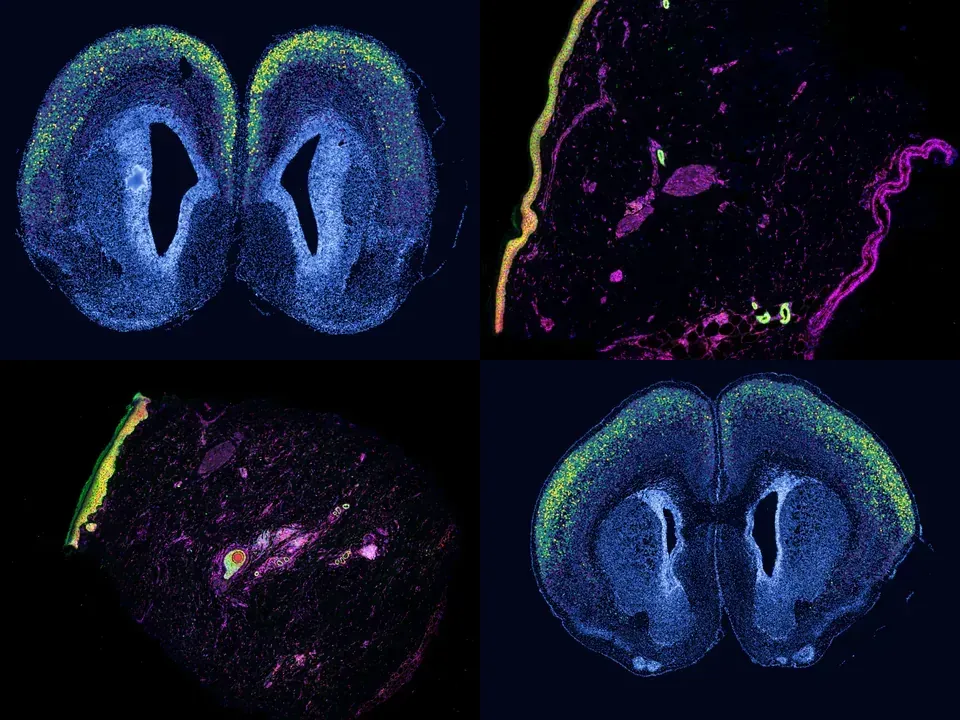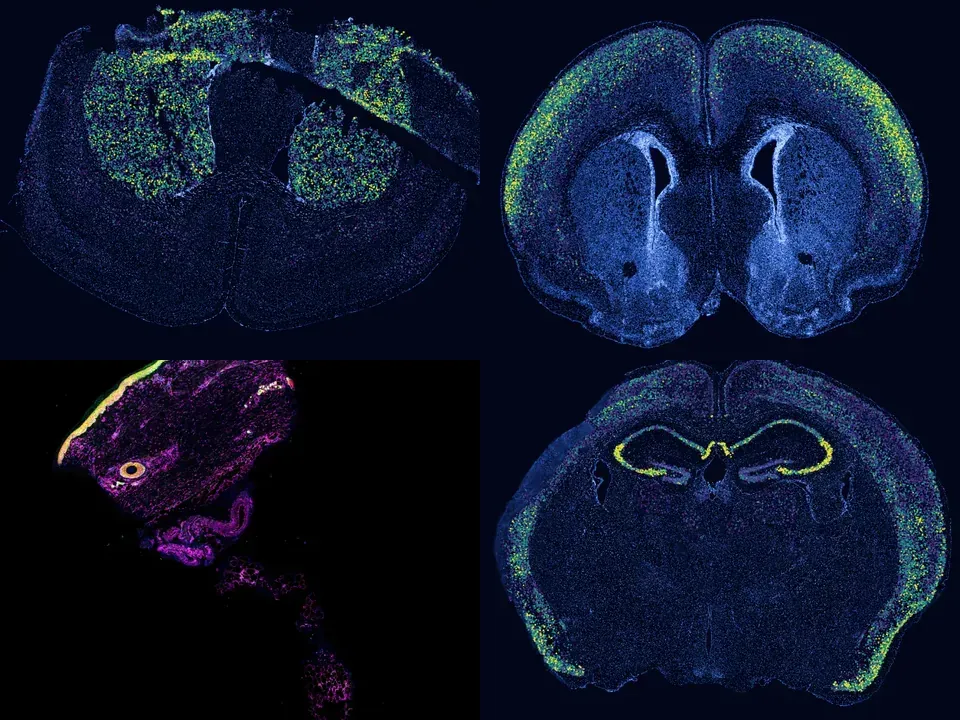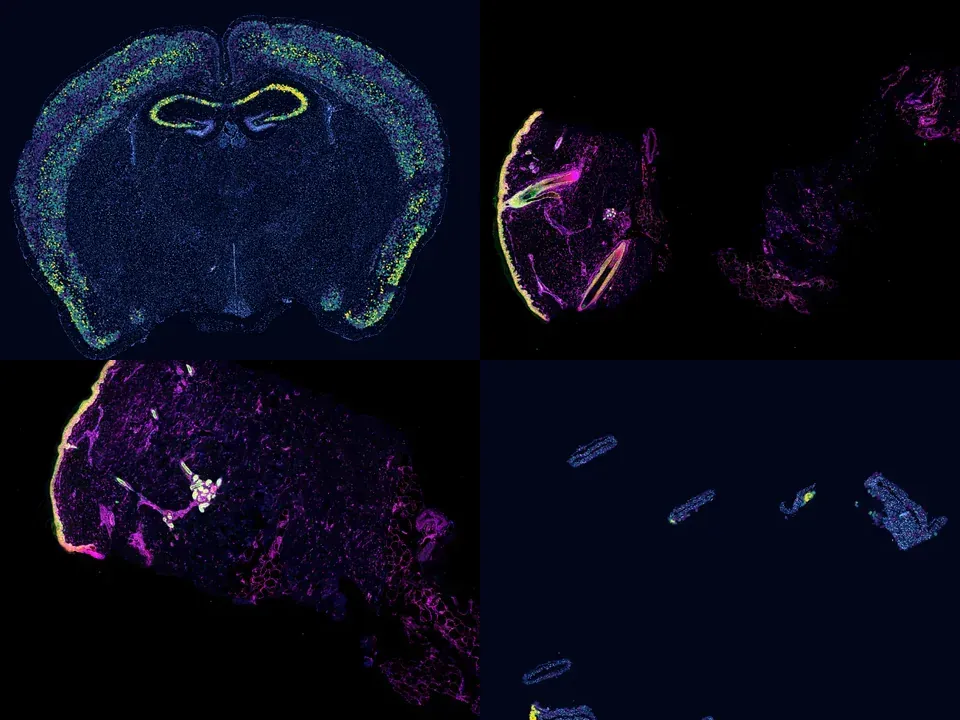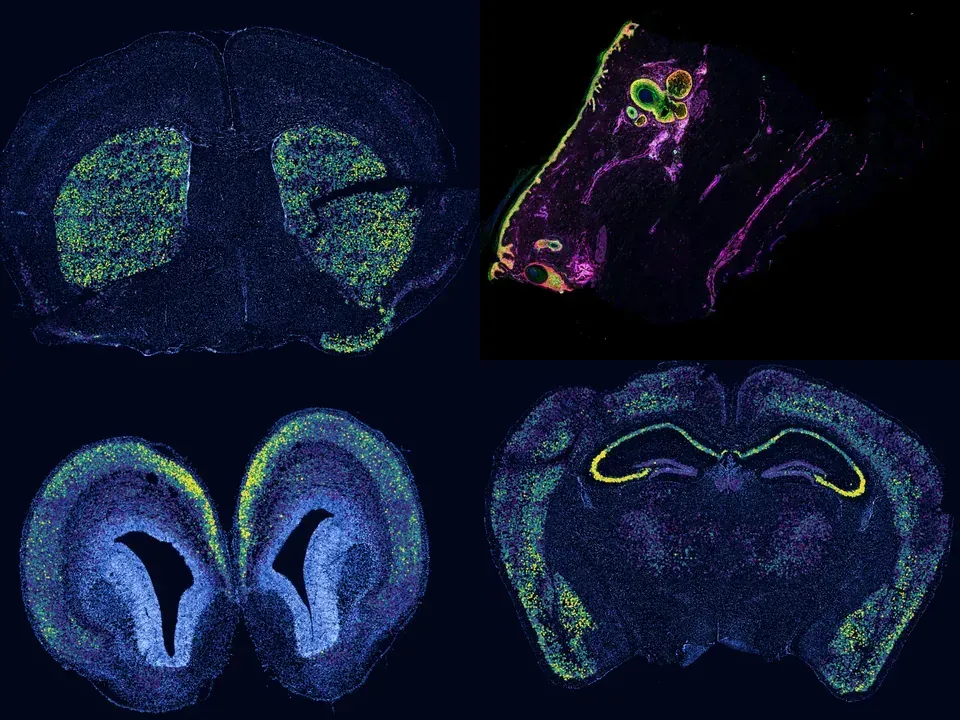
Spatial analyses of early, untreated SSc skin identify a proinflammatory vascular niche of macrophage-fibroblast signaling
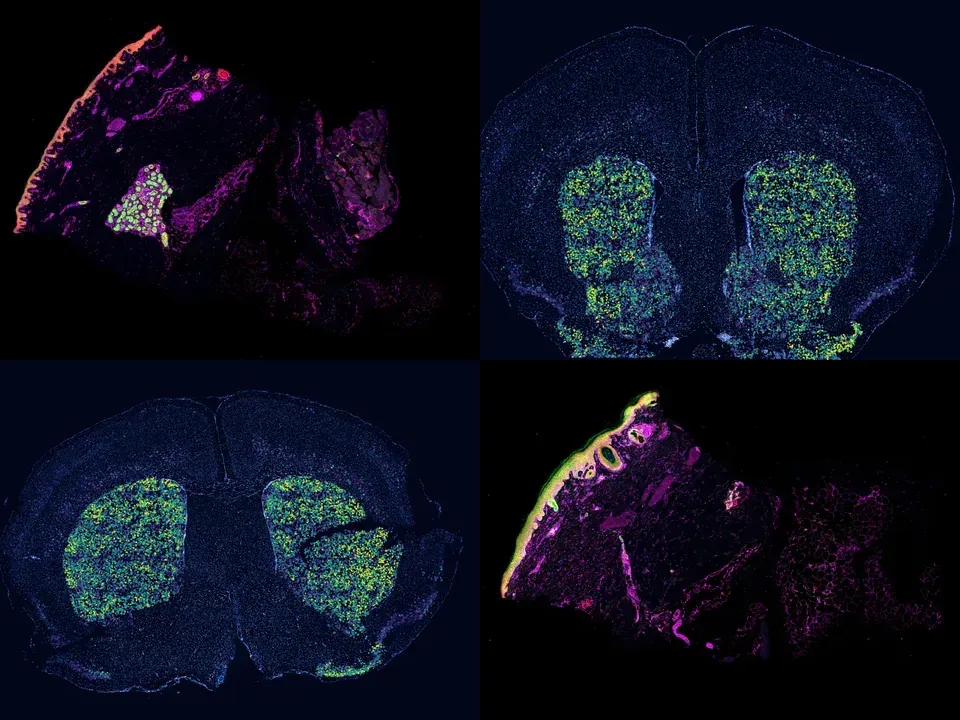
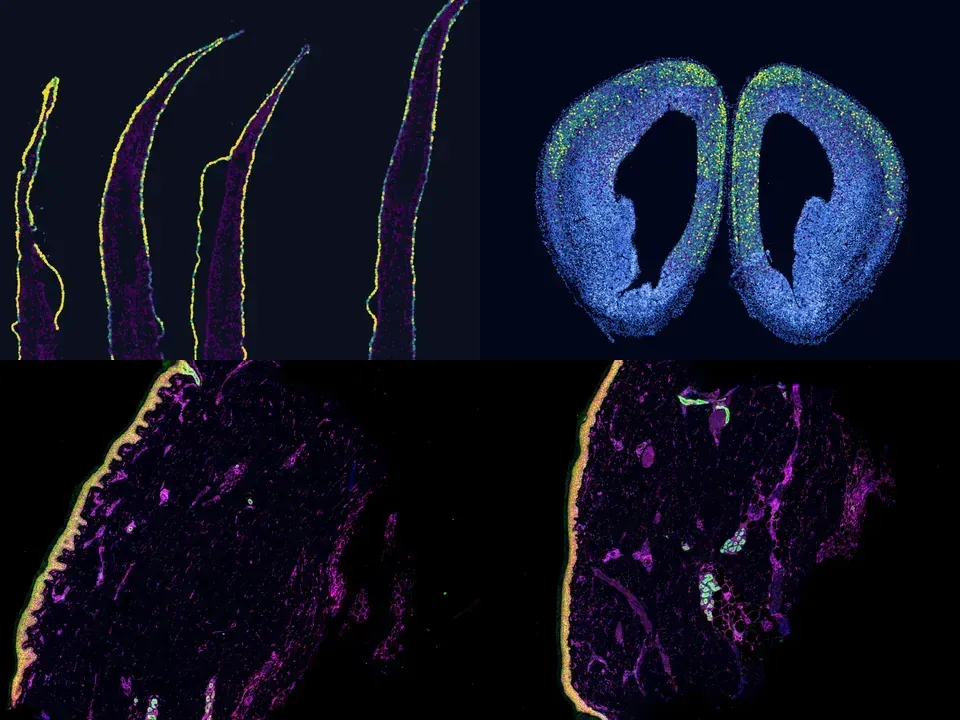
Uncovering the early interactions and spatial distribution of dermal fibroblasts and immune cells in treatment-naïve diffuse cutaneous systemic sclerosis (dcSSc) patients is critical to understanding the initiating events skin fibrosis. We generated an integrated multiomic dataset of early, treatment naïve dcSSc skin. Skin biopsies were analyzed by single-nuclei multiome sequencing (snRNA-seq and snATAC-seq) and two different paired spatial transcriptomic platforms to comprehensively describe the molecular changes in these individuals. We identified a proinflammatory niche within papillary, hypodermis, and vascular niches, that are enriched for activated myeloid cells and proinflammatory fibroblasts characterized by expression of proinflammatory cytokines. Pathway analyses showed significant enrichment of PI3K-AKT-mTOR signaling pathway expression in these cellular niches, driven by profibrotic growth factor signaling networks. Macrophage subclustering showed SSc-specific macrophage activation of IL6-JAK-STAT signaling and the enrichment of oxidative phosphorylation pathways. Ligand-receptor analysis revealed that SSc macrophages secrete PDGF and TGFB to activate the inflammatory SSc-dominant fibroblast subclusters. Spatial transcriptomic analyses showed infiltrating macrophages secreted PDGF and TGFB, modulating fibroblast activation in these niches. Multiomic data integration and spatial transcriptomic neighborhood analysis showed co-localization of fibroblasts, macrophages, and T cells around the vasculature. These data suggest that interactions between activated immune cells and proinflammatory fibroblasts around vascular niches are an early event in scleroderma pathogenesis.
from sddb import Catalog
cohort = Catalog().collection("geo-gse312932")
cohort.members # the 10 datasets as a table
print(cohort.licenses()) # check the terms before you download
sdatas = cohort.to_dict() # {uid: SpatialData}, cached locally
# or keep the .zarr files in a folder of your choice:
# sdatas = cohort.to_dict(dest="data/") Needs pip install lamindb and network access to the Lamin database, which is limited during the alpha. If it fails, use the Client tab.
import lamindb as ln
db = ln.DB("scverse/spatialdata-db")
coll = db.Collection.get(key="geo-gse312932")
coll.ordered_artifacts.to_dataframe() # the 10 members, ordered
# download every member .zarr to the local cache:
paths = [a.cache() for a in coll.ordered_artifacts.all()] # sddb client: download every member .zarr into data/
sddb-cli download --collection geo-gse312932 --dest data/ Licenses: 10 NCBI GEO policy
Cite this collection
doi.org/10.1172/jci.insight.198954 ↗@article{Jarnagin_2025,
title = {Multimodal analyses of early, untreated systemic sclerosis skin identify a proinflammatory vascular niche of macrophage-fibroblast signaling},
volume = {11},
ISSN = {2379-3708},
url = {http://dx.doi.org/10.1172/jci.insight.198954},
DOI = {10.1172/jci.insight.198954},
number = {3},
journal = {JCI Insight},
publisher = {American Society for Clinical Investigation},
author = {Jarnagin, Helen C. and Parvizi, Rezvan and Gong, Zhiyun and Gedert, Rosemary and Xing, Xianying and Tsoi, Lam (Alex) C. and Bogle, Rachael and Morrisson, Madeline J. and Perreard, Laurent and Pioli, Patricia A. and Kolling, Fred and Gudjonsson, Johann E. and Khanna, Dinesh and Whitfield, Michael L.},
year = {2025},
month = Dec
}