
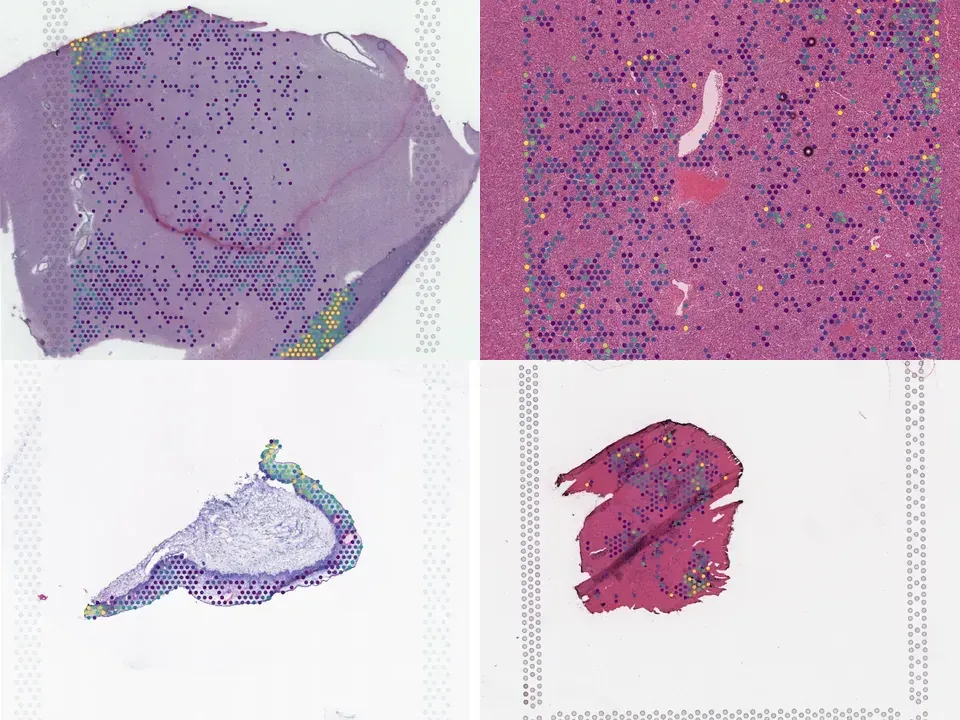
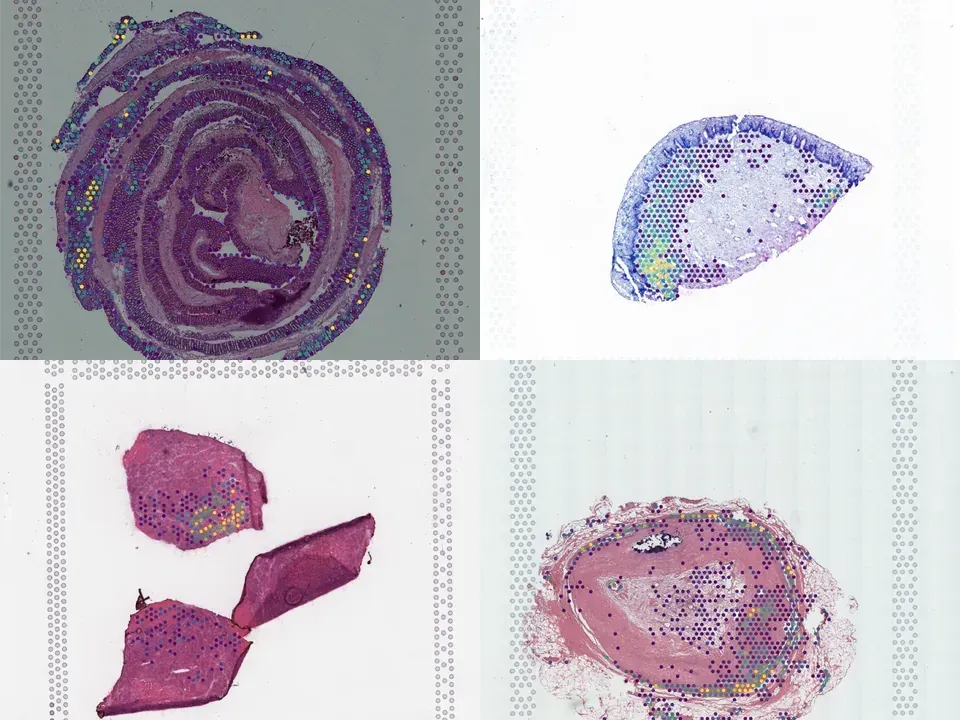
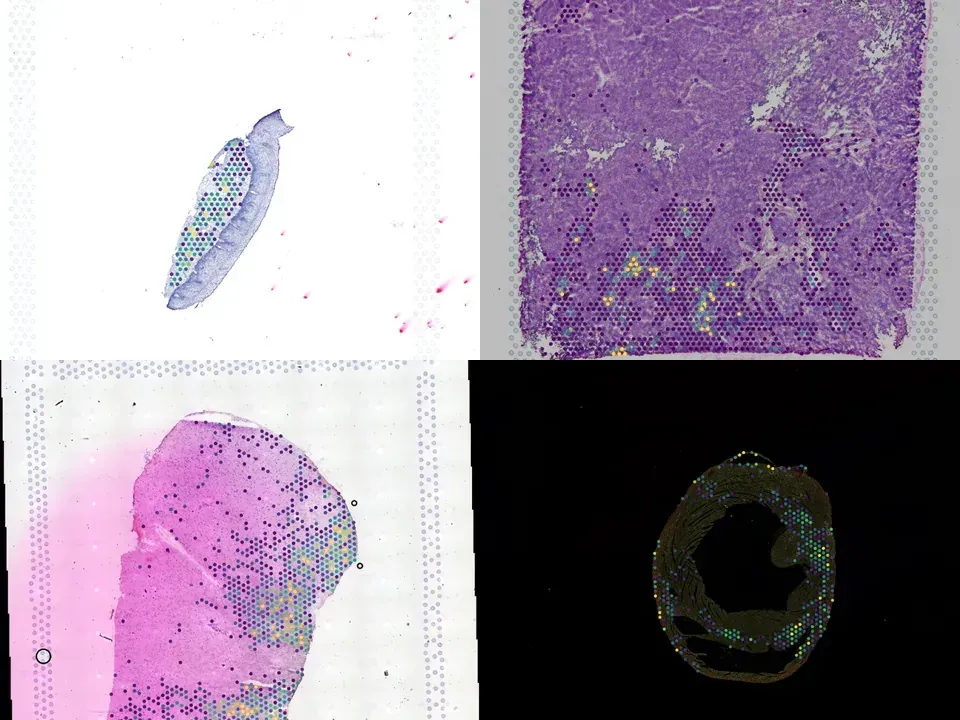
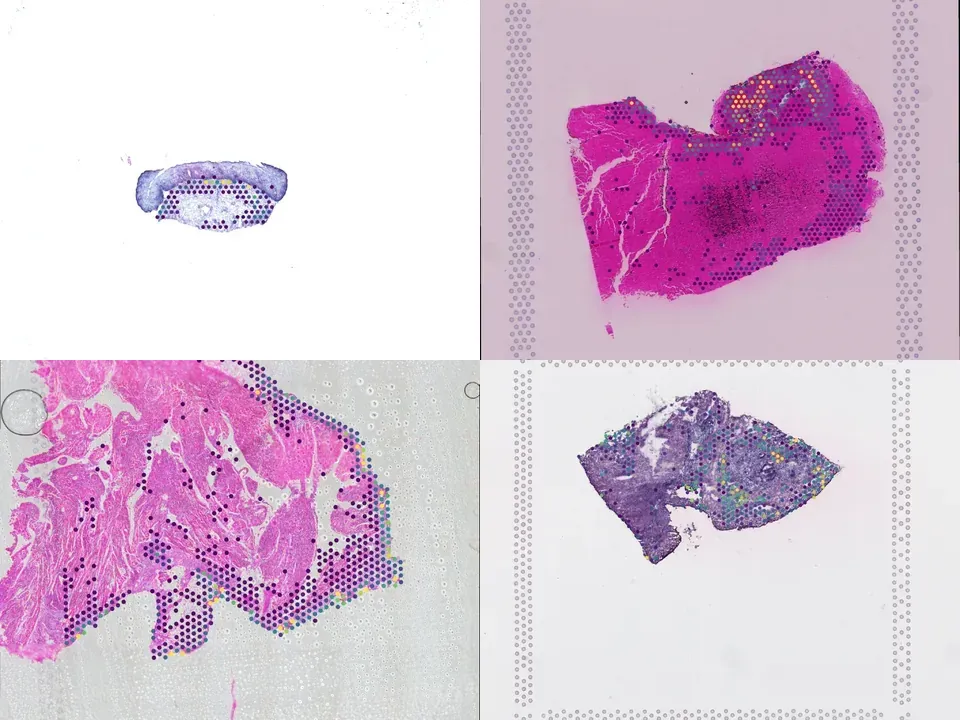
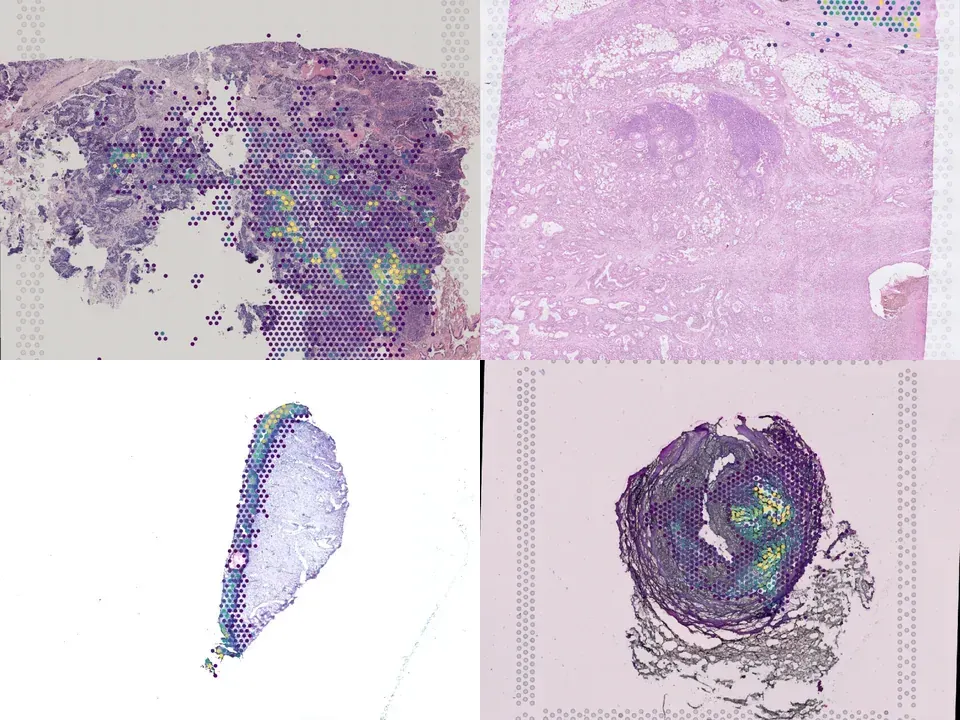
Human ectocervix
GSM9044528
human ectocervix 8.3 MB 760 spots silver H&E NCBI GEO policy
TechnologyVisium
Organismhuman
Tissueectocervix
Spots760
silver H&E NCBI GEO policy
The injectable contraceptive, depot medroxyprogesterone acetate (DMPA), is associated with compromised cervical mucosal barriers. High-resolution spatial transcriptomics is applied here to reveal the spatial localization of these altered molecular markers. Ectocervical tissue samples from Kenyan sex workers using DMPA, or non-hormonal contraceptives, underwent spatial transcriptomics and gene set enrichment analyses. Integrated systemic estradiol levels and bulk tissue gene expression data from a larger cohort enhanced the study’s scope. Unsupervised clustering unveiled four epithelial and seven submucosal layers, showcasing spatially restricted and diverse functional epithelial responses, and a less structured submucosal spatial ordering. DMPA associated with mucosal-wide immunoglobulin gene upregulation, verified by CD20+ B-cell immunostaining, and upregulated immune markers adjacent to the basal membrane. Downregulated genes represented spatially restricted disrupted epithelial barrier integrity and submucosal extracellular matrix dysfunction. The transcriptional profile was associated with markers of estrogen regulation. Collectively, our findings reveal estrogen-modulated distinct ectocervical transcriptional profiles associated with DMPA usage. While upregulation of immunoglobulin genes occurs throughout the mucosa, activation of innate immune responses and dysregulation of barrier integrity markers are spatially restricted. These results extend previous analyses using bulk transcriptomics and provide insights into the molecular landscape influenced by DMPA, shedding light on contraceptive effects and health implications.
from sddb import Catalog

cohort = Catalog().collection("geo-gse299708")
cohort.members        # the 8 datasets as a table

print(cohort.licenses())              # check the terms before you download

sdatas = cohort.to_dict()             # {uid: SpatialData}, cached locally
# or keep the .zarr files in a folder of your choice:
# sdatas = cohort.to_dict(dest="data/")Needs pip install lamindb and network access to the Lamin database, which is limited during the alpha. If it fails, use the Client tab.
import lamindb as ln

db = ln.DB("scverse/spatialdata-db")
coll = db.Collection.get(key="geo-gse299708")
coll.ordered_artifacts.to_dataframe()   # the 8 members, ordered

# download every member .zarr to the local cache:
paths = [a.cache() for a in coll.ordered_artifacts.all()]# sddb client: download every member .zarr into data/
sddb-cli download --collection geo-gse299708 --dest data/Licenses: 8 NCBI GEO policy
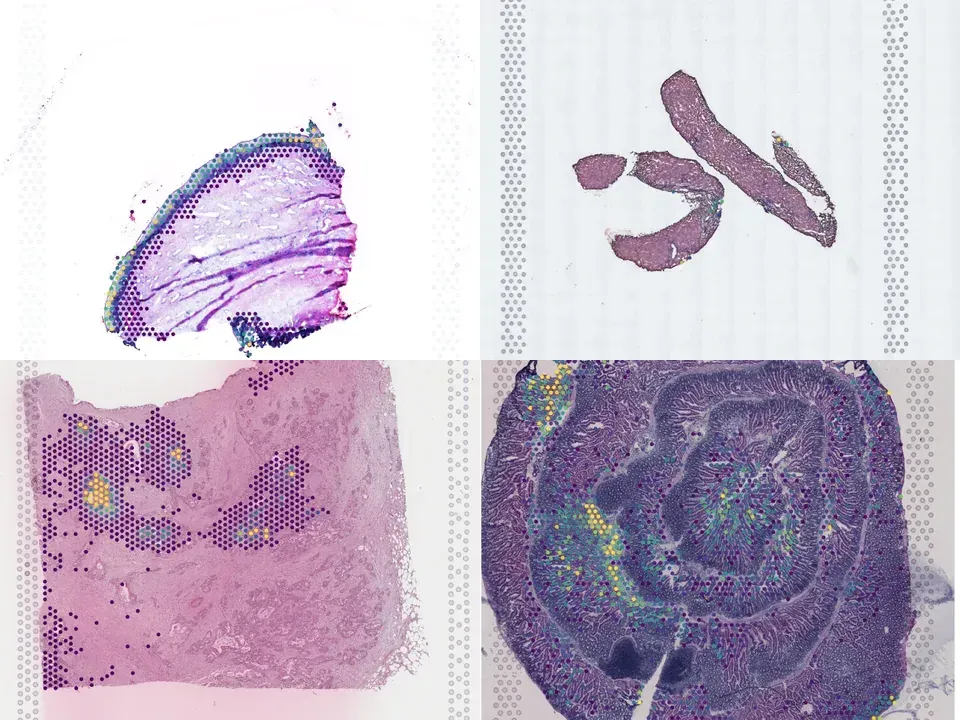
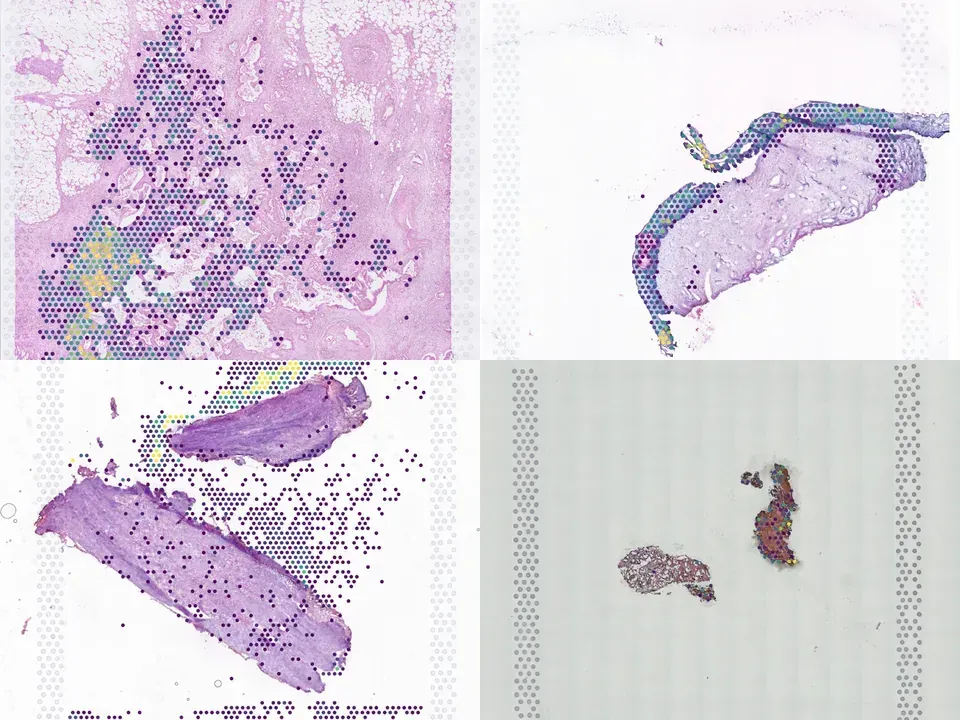
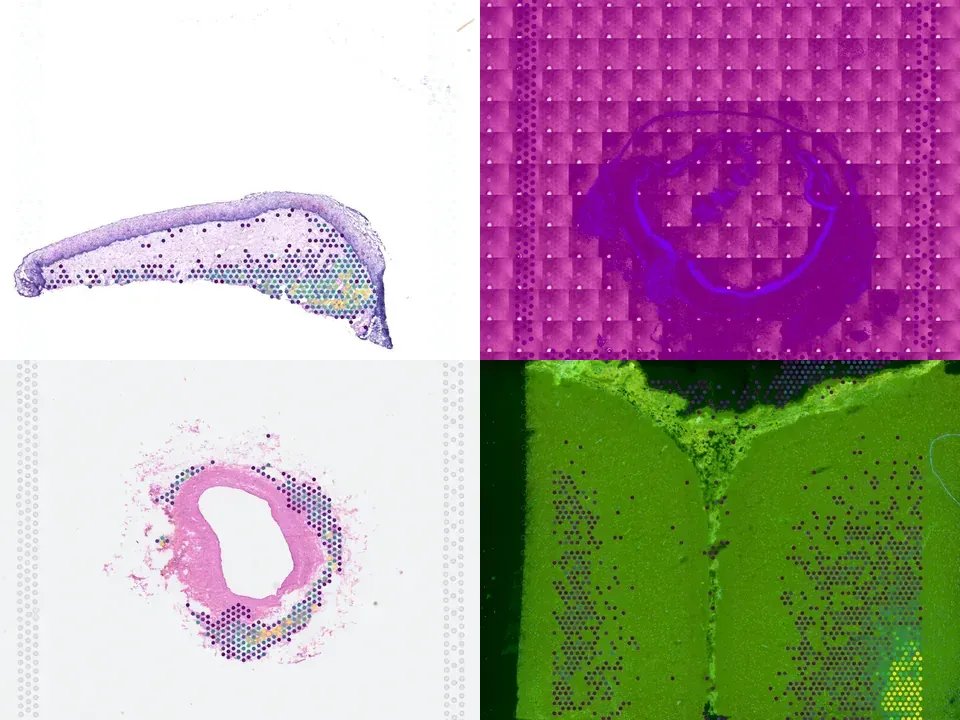
No linked publication found — please cite the data source.