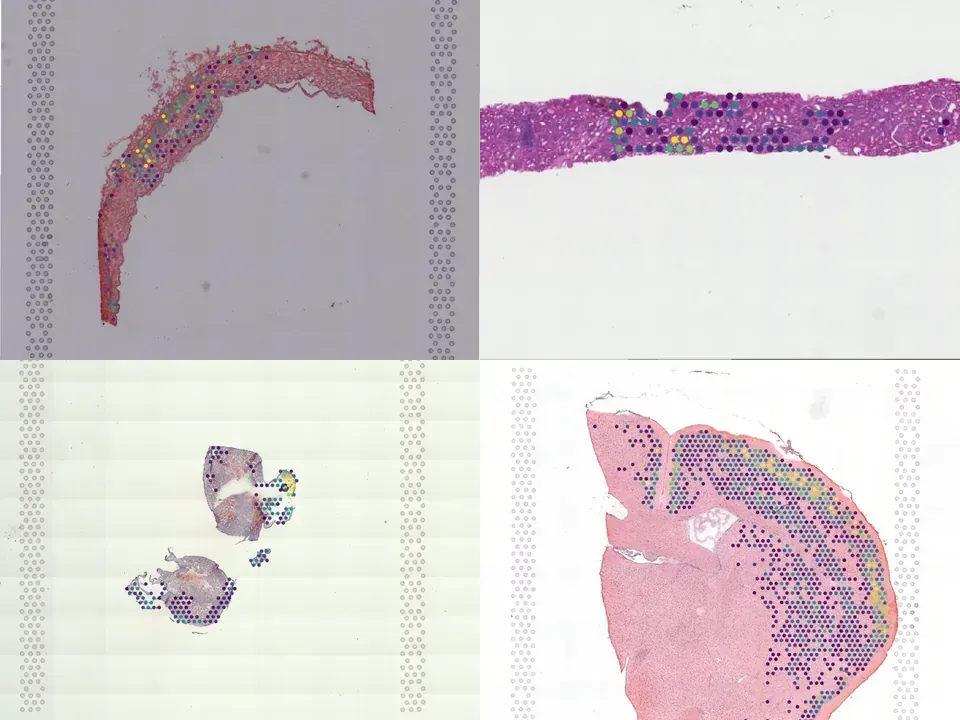
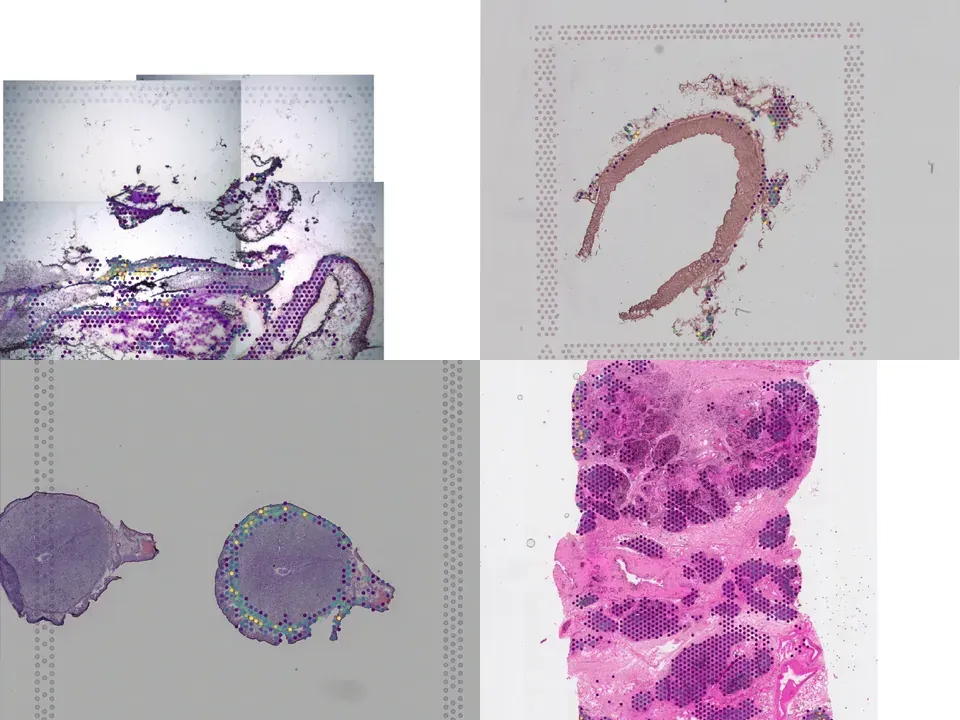
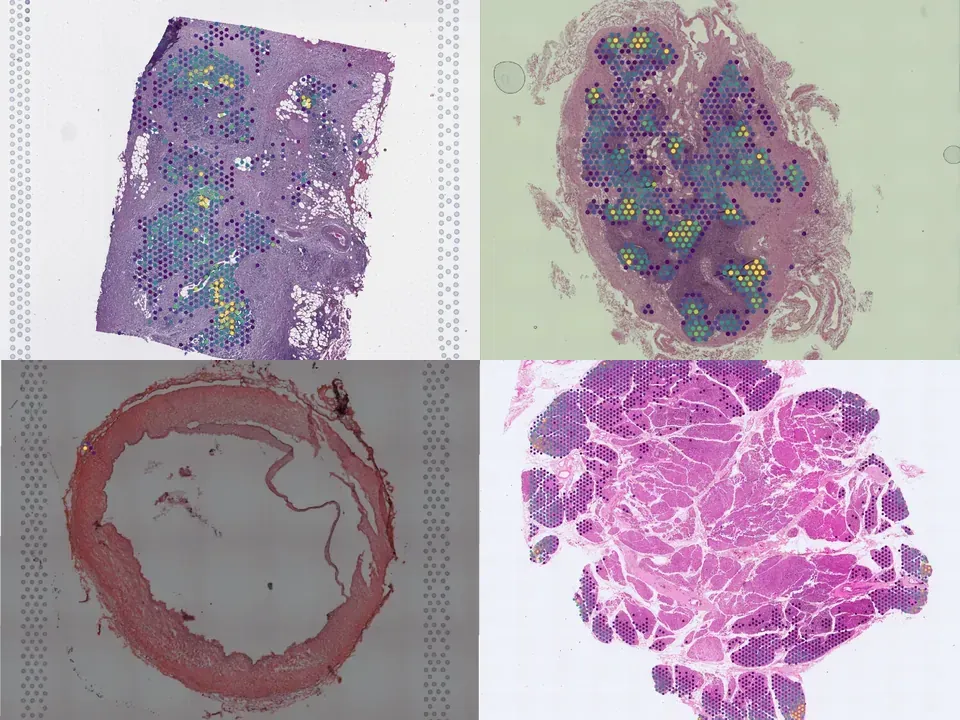
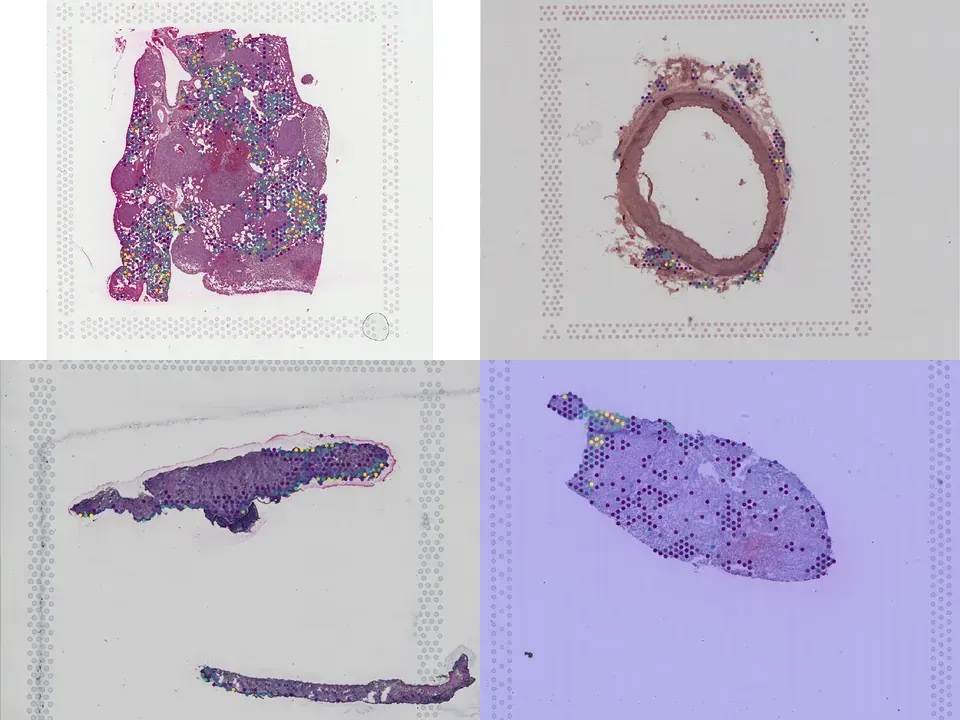
Collections / Mapping Endothelial-Macrophage Interactions in Diabetic Vasculature: Role of TREM2 in Vascular Inflammation and Ischemic Response [Spatial Transcriptomics]
Mapping Endothelial-Macrophage Interactions in Diabetic Vasculature: Role of TREM2 in Vascular Inflammation and Ischemic Response [Spatial Transcriptomics]
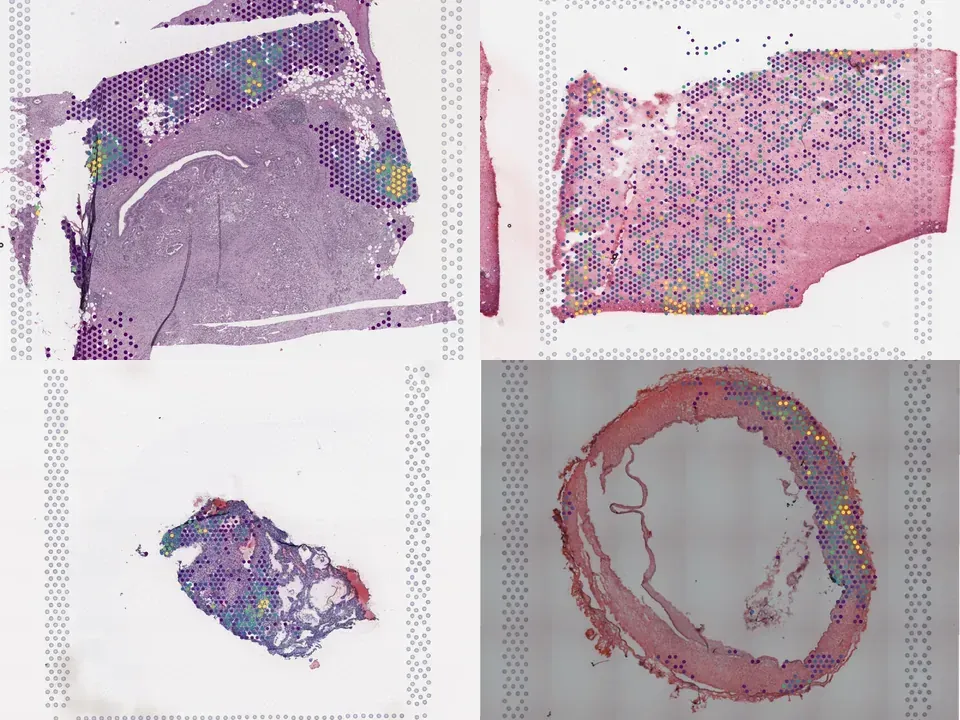
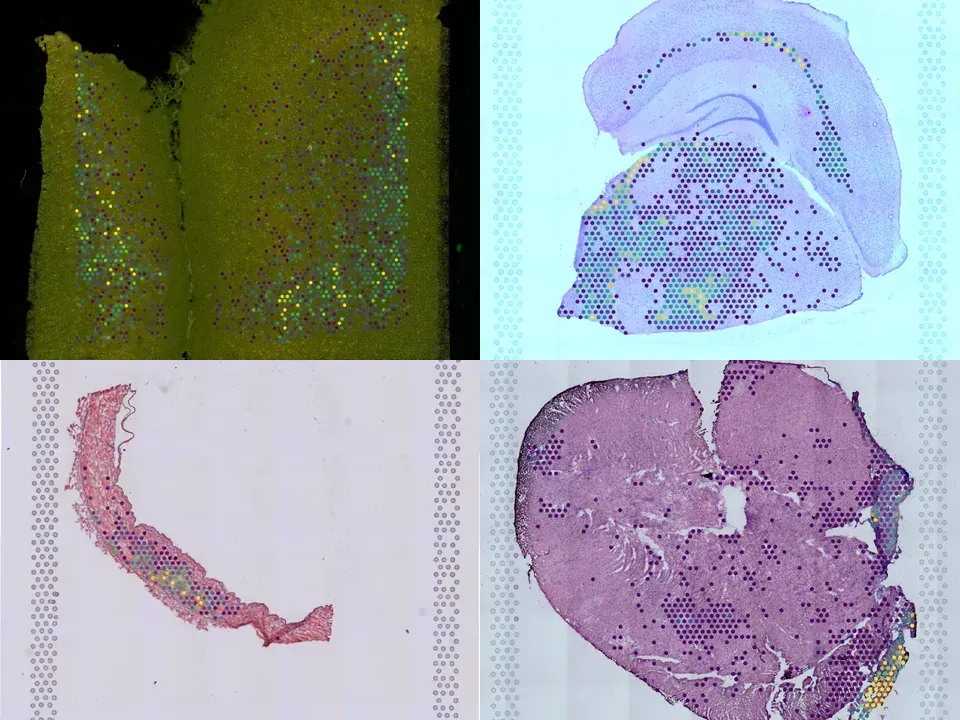
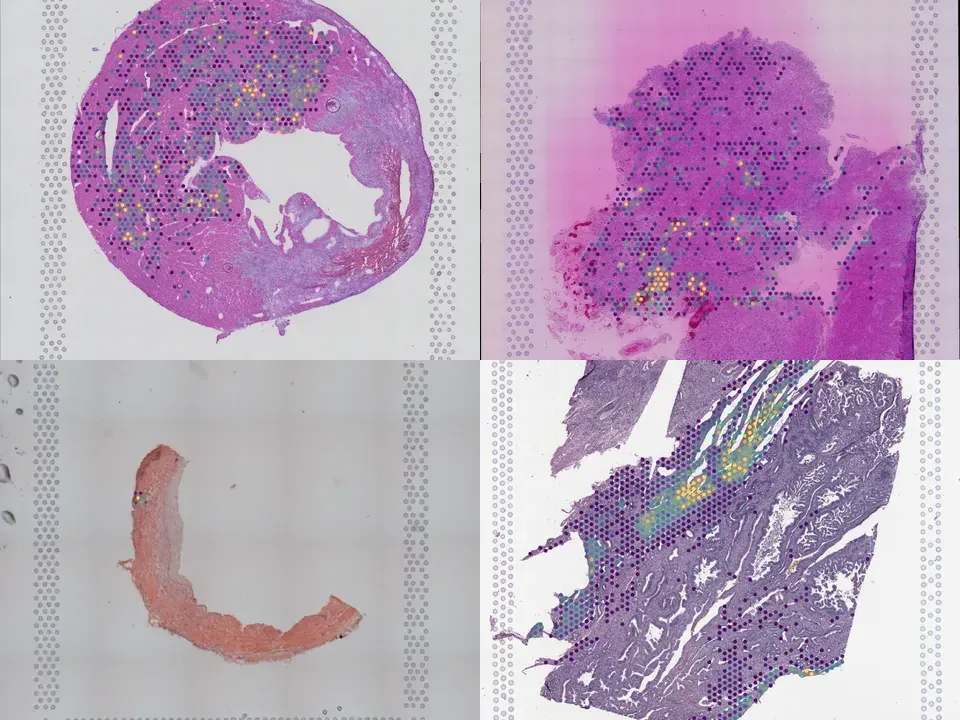
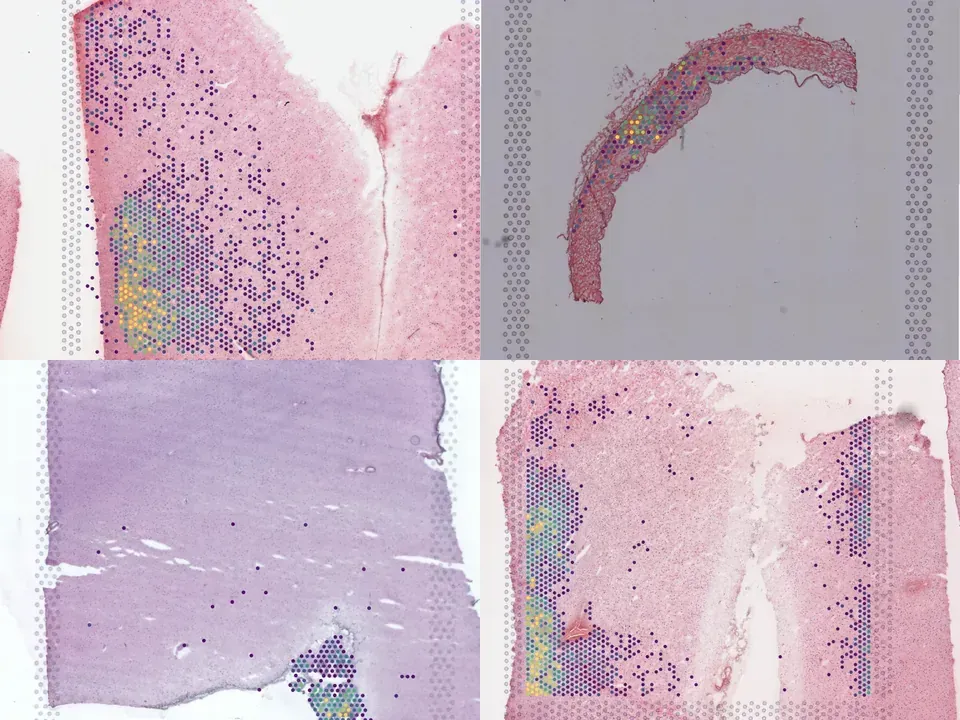
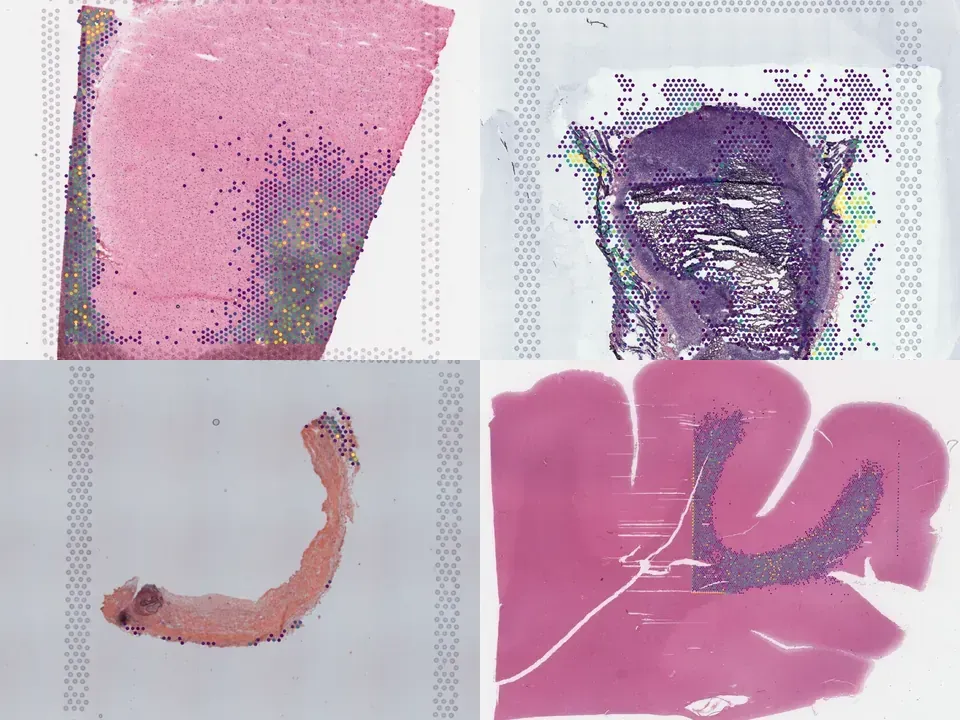
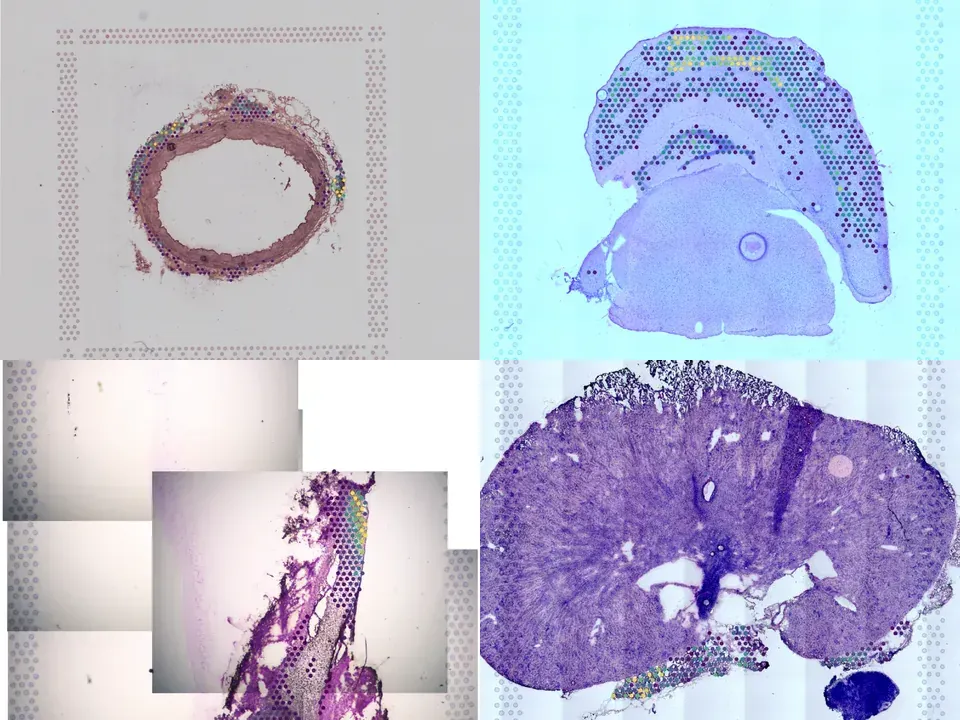
Diabetes mellitus (DM) significantly accelerates vascular diseases like peripheral arterial disease (PAD). Endothelial cells (ECs) and macrophages (MΦs) singularly and synergistically are important contributors to DM-associated vascular dysfunction. Single-cell (sc) profiling technologies are revealing the true heterogeneity of ECs and MΦs, but how this cellular diversity translates to cell-cell interactions, and consequentially vascular function, remains unknown. We leveraged scRNA sequencing and spatial transcriptome (ST) profiling to analyze human mesenteric arteries from non-diabetic (ND) and type 2 diabetic (T2D) donors. We generated a transcriptome and interactome map encompassing the major arterial cells and highlighted Triggering Receptor Expressed on Myeloid Cells 2 (TREM2) as a top T2D-induced gene in mononuclear phagocytes (MPs), with concomitant increases of TREM2 ligands in ECs. We verified DM-associated TREM2 induction in cell and mouse models, and found that TREM2 inhibition decreases pro-inflammatory responses in MPs and ECs, as well as increases EC migration in vitro. Furthermore, TREM2 inhibition using a neutralizing antibody enhanced ischemic recovery and flow reperfusion in DM mice subjected to hindlimb ischemia, suggesting that TREM2 promotes ischemic injury in DM. Finally, in human PAD, co-existing DM was associated with greater expression of TREM2 and its interaction with ECs, with a further increase in ischemic tissue compared to patient-matched non-ischemic tissue. Collectively, our study presents the first atlas of human diabetic vessels with single cell and spatial resolution, and identifies TREM2-EC interaction as a key driver of diabetic vasculopathies, the targeting of which may offer an opportunity to ameliorate vascular dysfunction associated with DM-PAD.
from sddb import Catalog

cohort = Catalog().collection("geo-gse293427")
cohort.members        # the 10 datasets as a table

print(cohort.licenses())              # check the terms before you download

sdatas = cohort.to_dict()             # {uid: SpatialData}, cached locally
# or keep the .zarr files in a folder of your choice:
# sdatas = cohort.to_dict(dest="data/")
Needs pip install lamindb and network access to the Lamin database, which is limited during the alpha. If it fails, use the Client tab.
import lamindb as ln

db = ln.DB("scverse/spatialdata-db")
coll = db.Collection.get(key="geo-gse293427")
coll.ordered_artifacts.to_dataframe()   # the 10 members, ordered

# download every member .zarr to the local cache:
paths = [a.cache() for a in coll.ordered_artifacts.all()]
@article{Malhi_2026,
  title = {Diabetes-induced TREM2–endothelial cell signaling impairs ischemic vascular repair},
  volume = {18},
  ISSN = {1946-6242},
  url = {http://dx.doi.org/10.1126/scitranslmed.adu3761},
  DOI = {10.1126/scitranslmed.adu3761},
  number = {846},
  journal = {Science Translational Medicine},
  publisher = {American Association for the Advancement of Science (AAAS)},
  author = {Malhi, Naseeb Kaur and Luo, Yingjun and Chen, Muxi and Tang, Xiaofang and Yuan, Dongqiang and Chadha, Rahuljeet Singh and Tapia, Alonso and Yin, Shufan and Liu, Xuejing and Qi, Meirigeng and Reddy, Marpadga A. and Sun, Jiawei and Otto, James and Wei, Lu and Cooke, John P. and Lee, Esak and Natarajan, Rama and Southerland, Kevin W. and Chen, Zhen Bouman},
  year = {2026},
  month = Apr
}