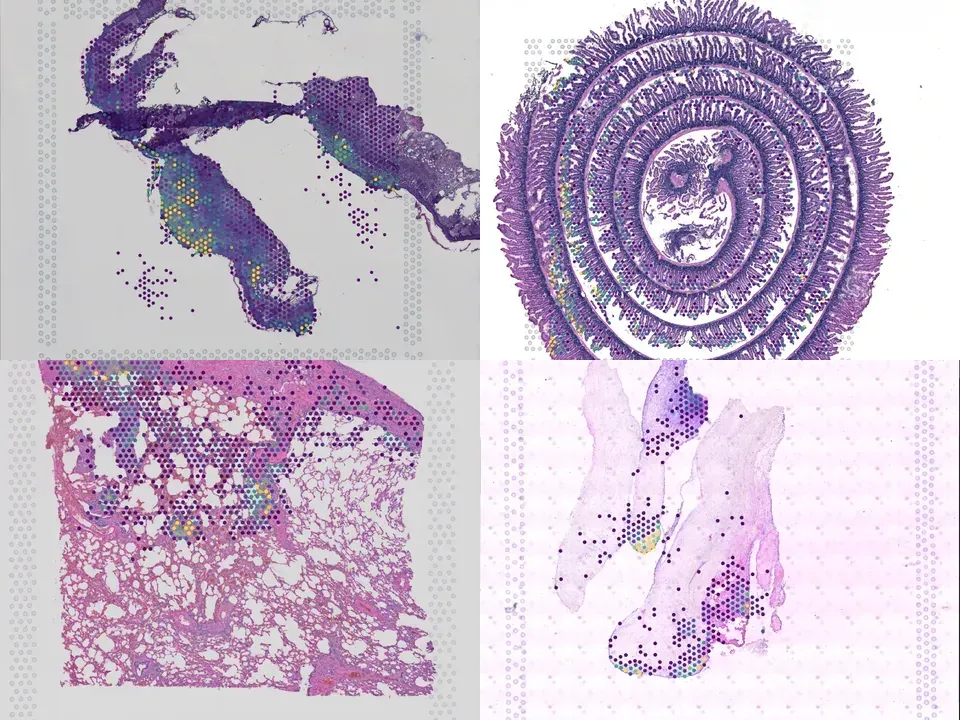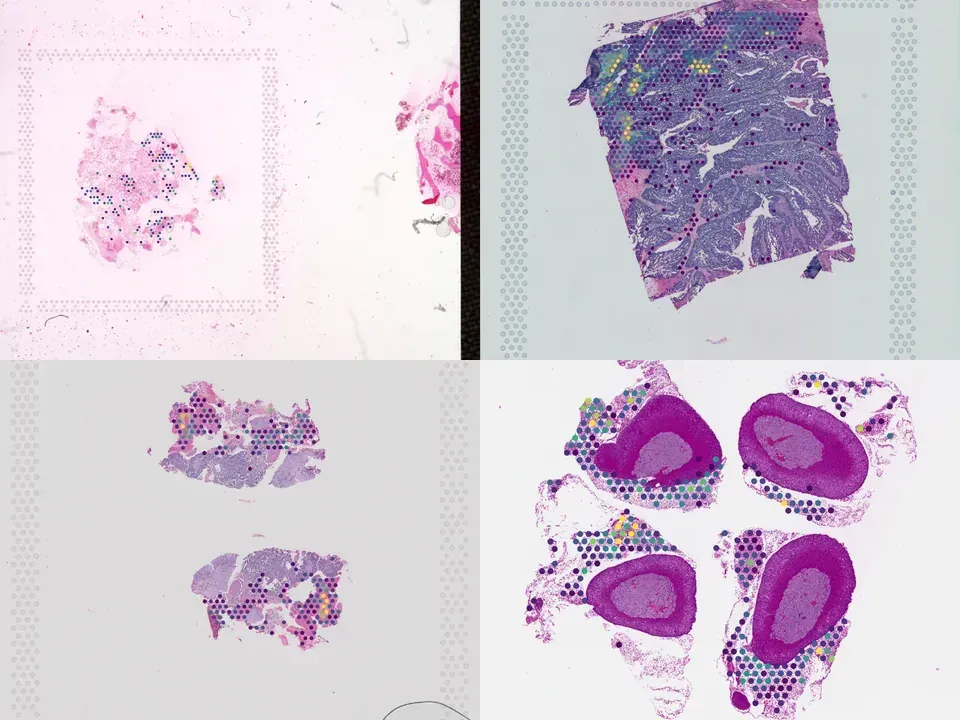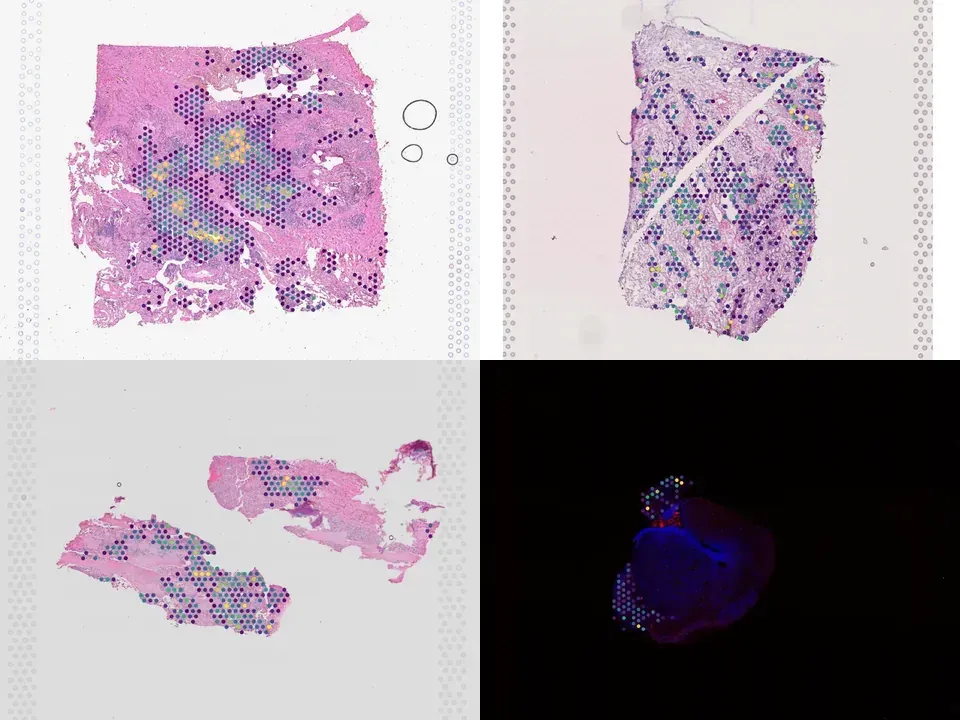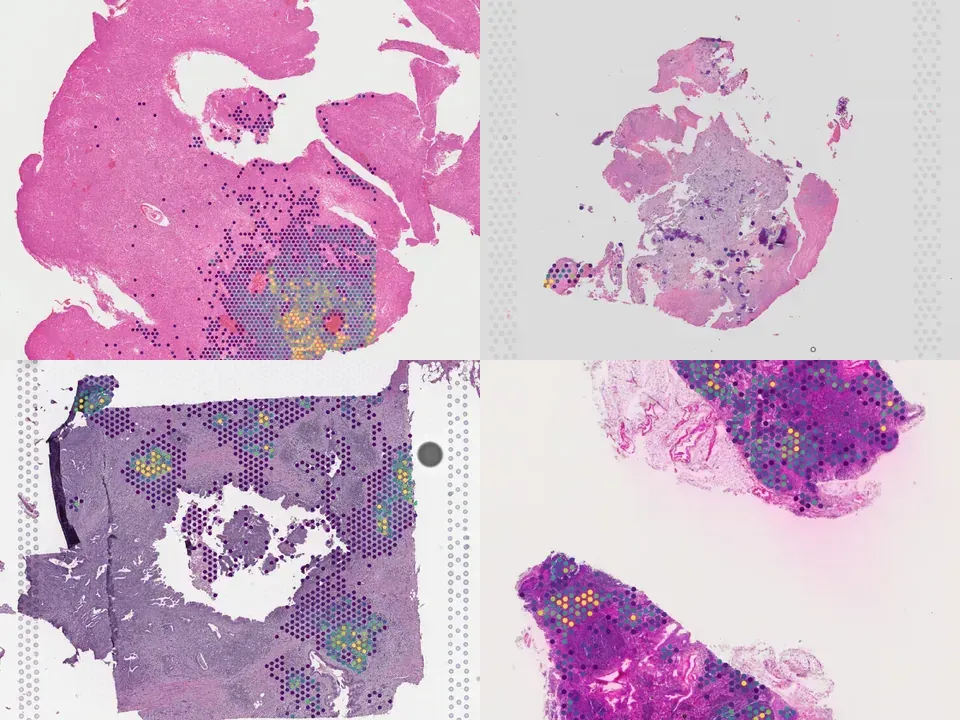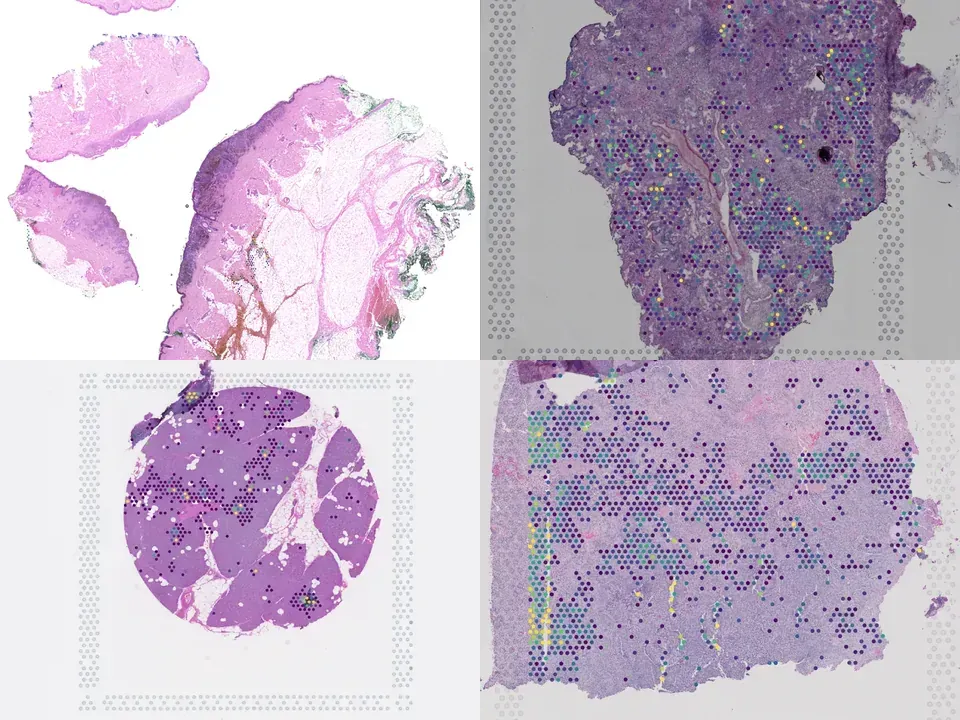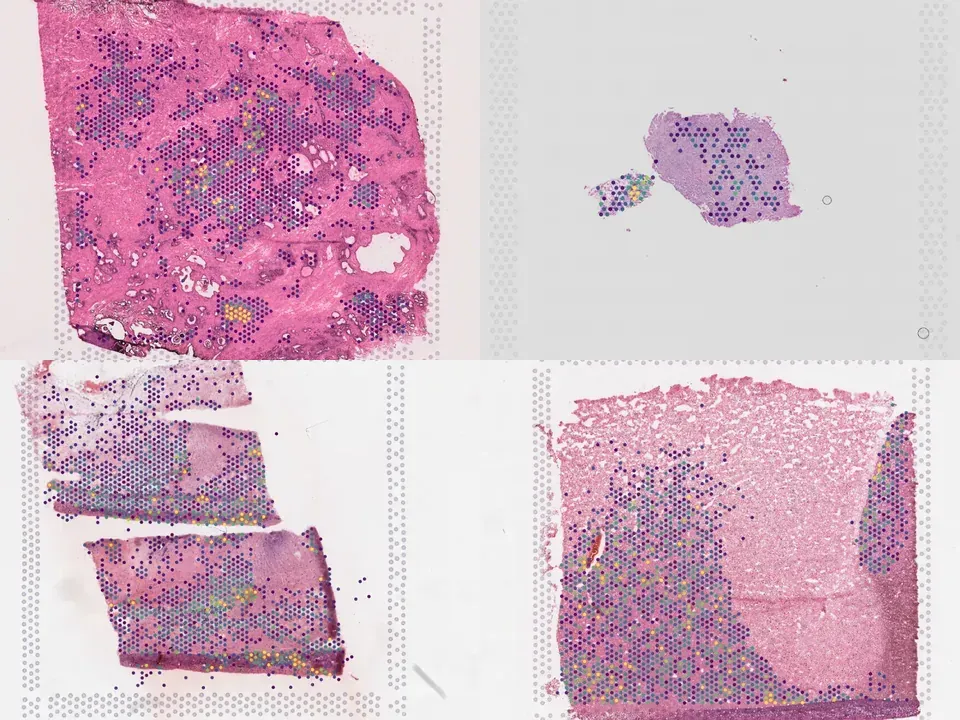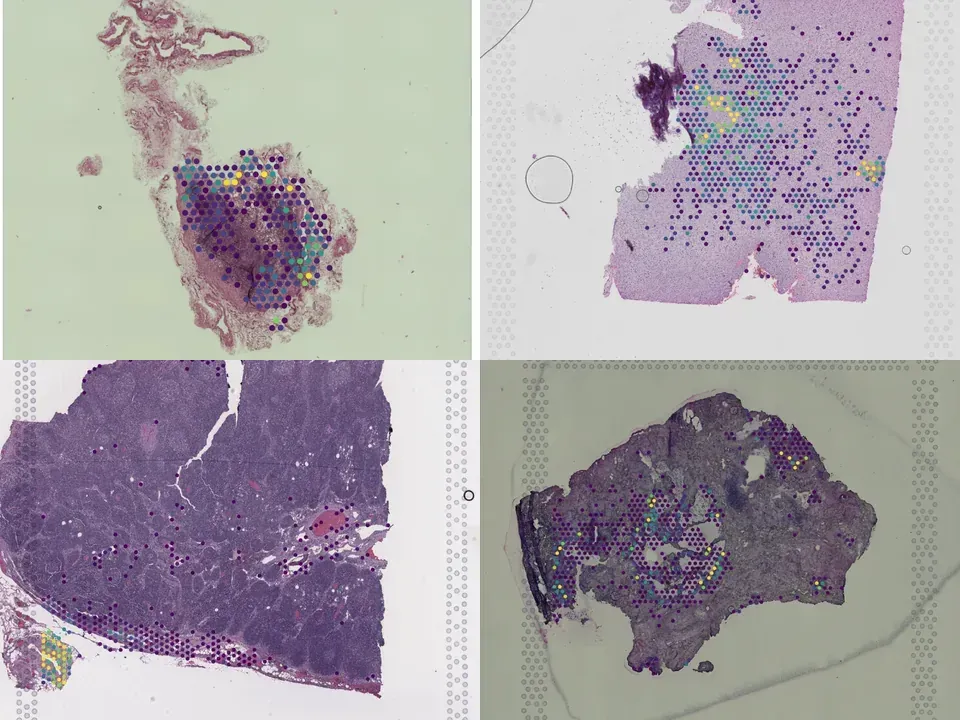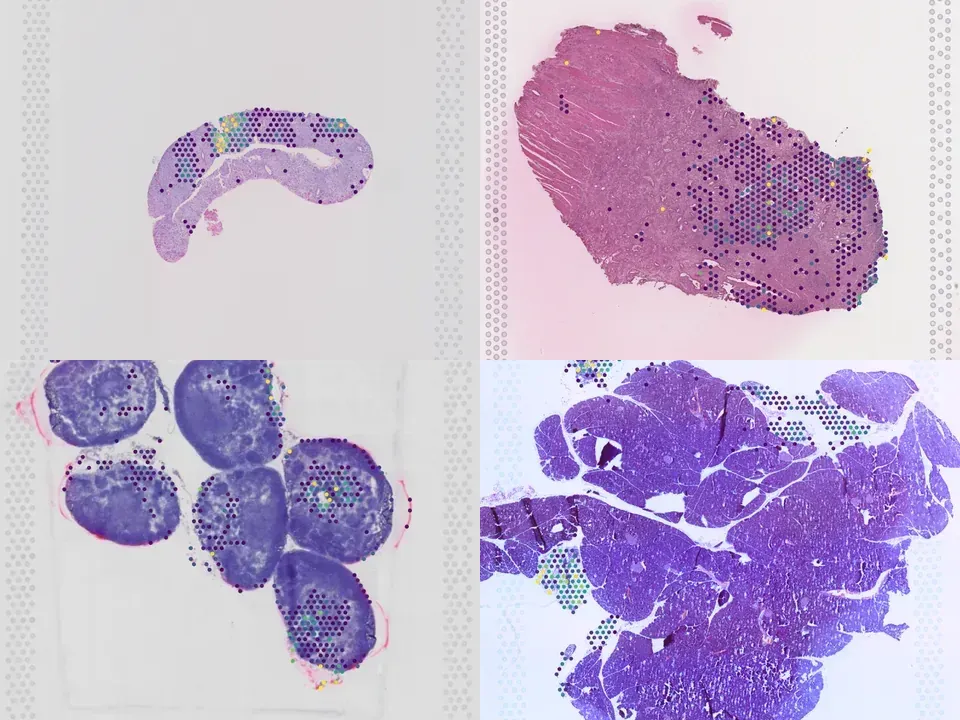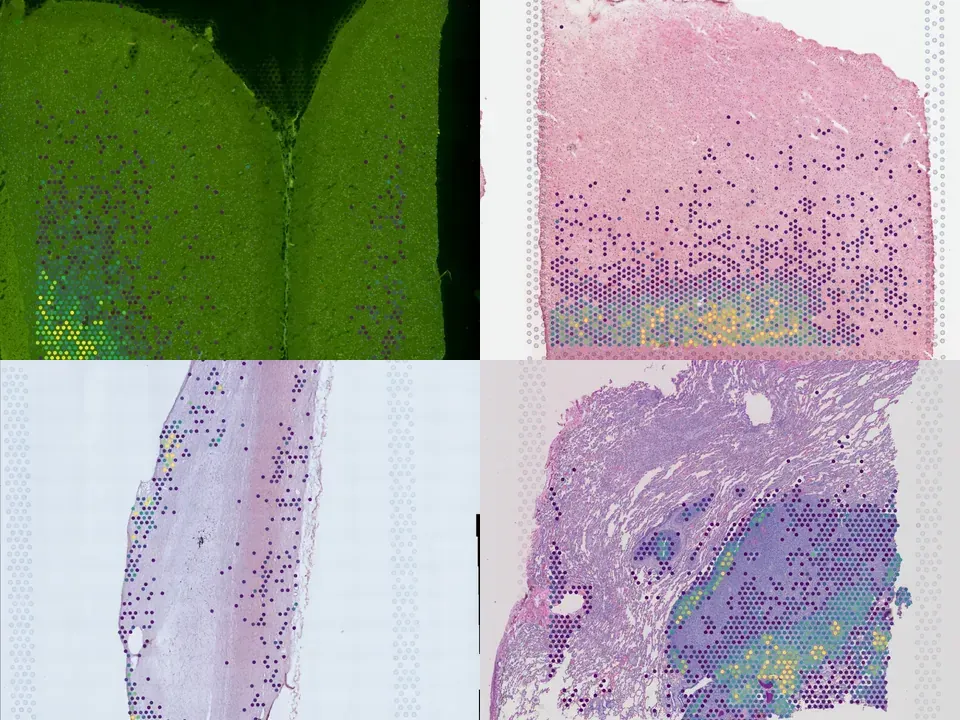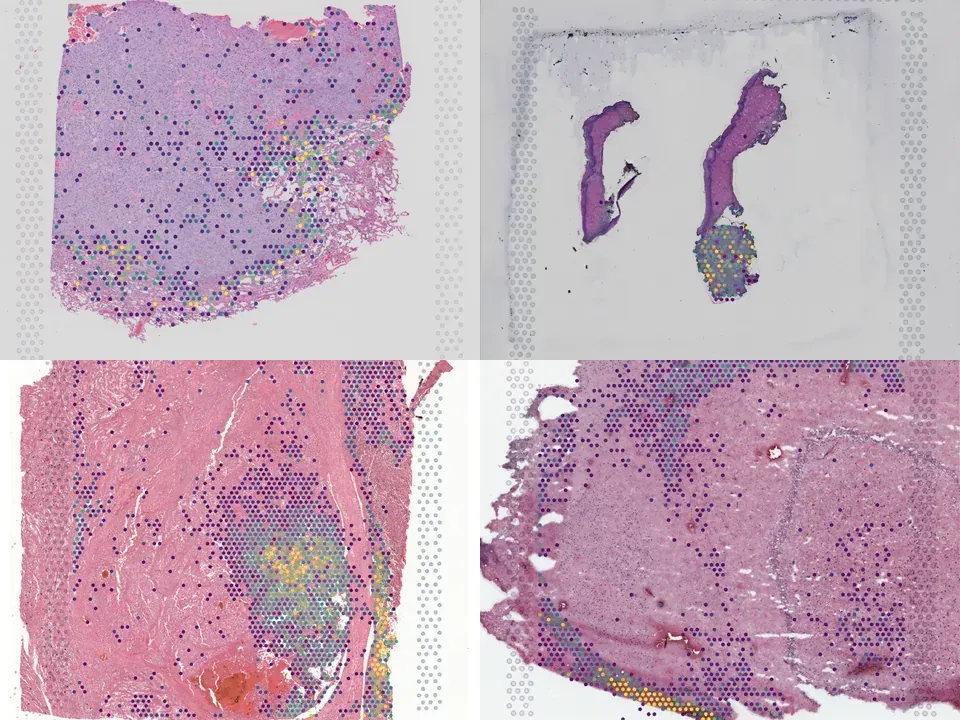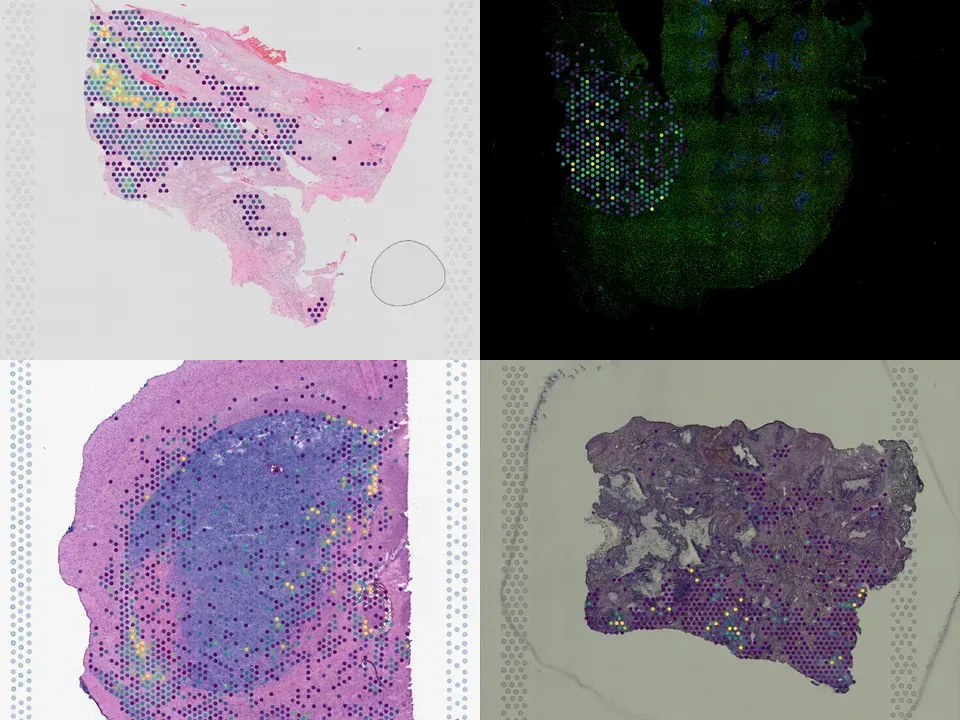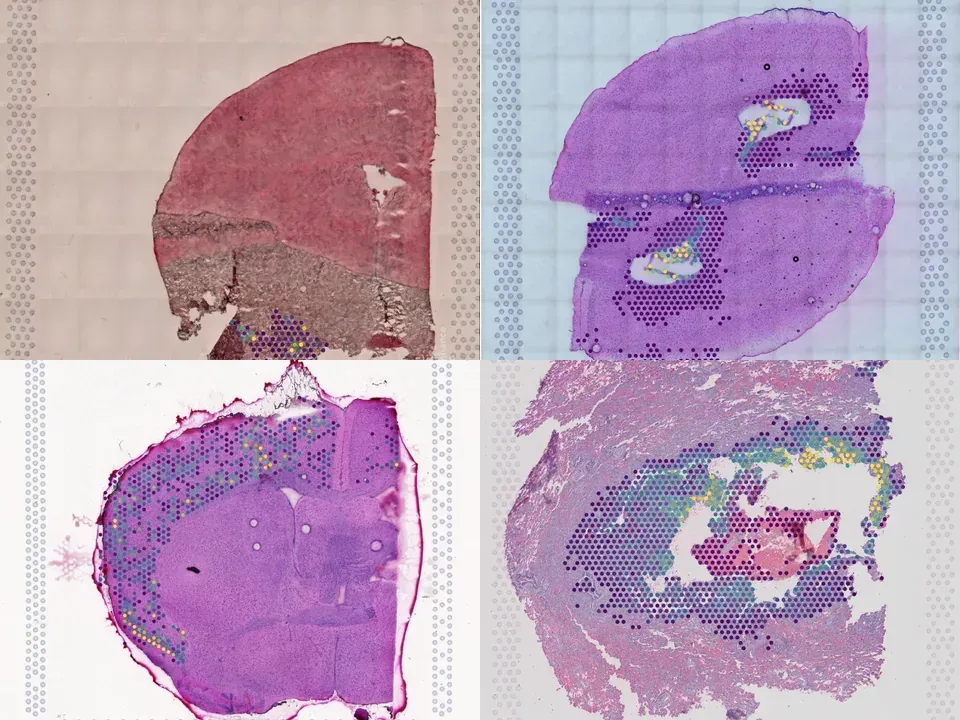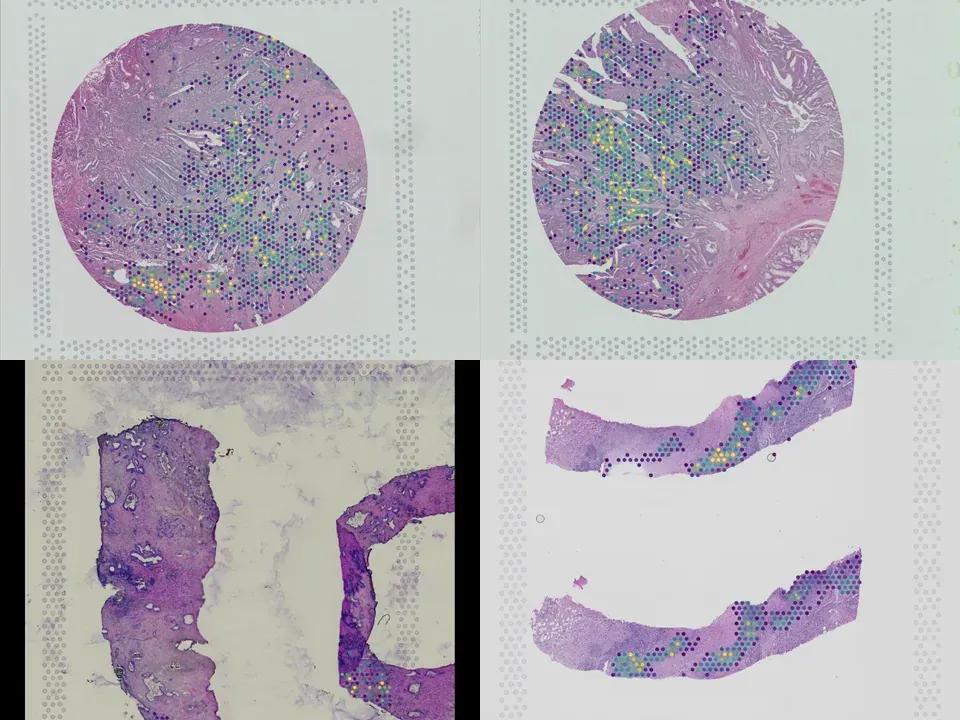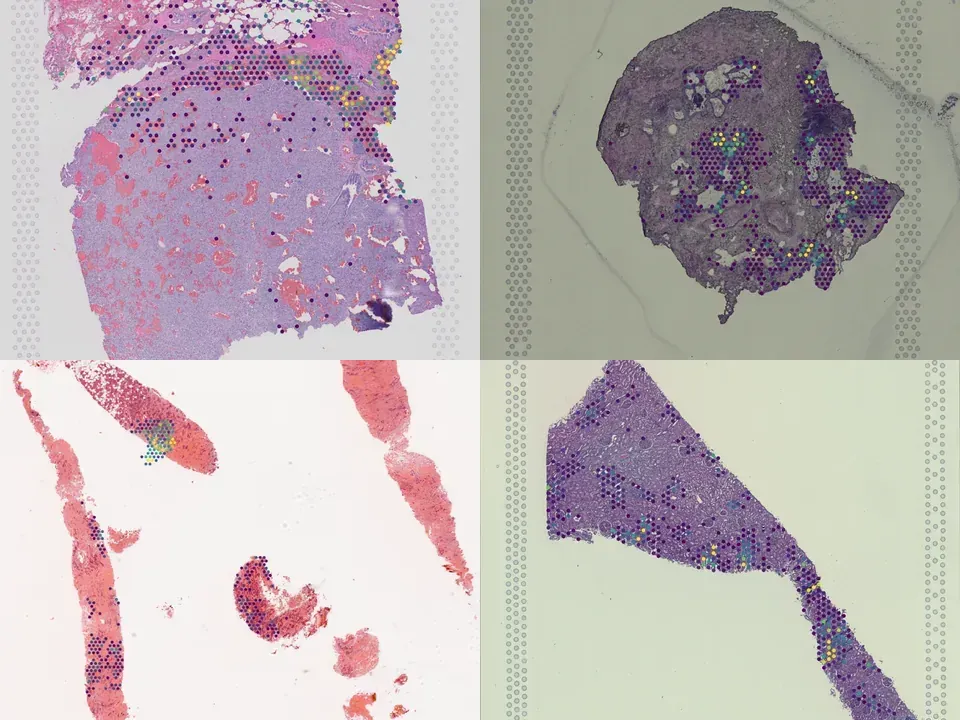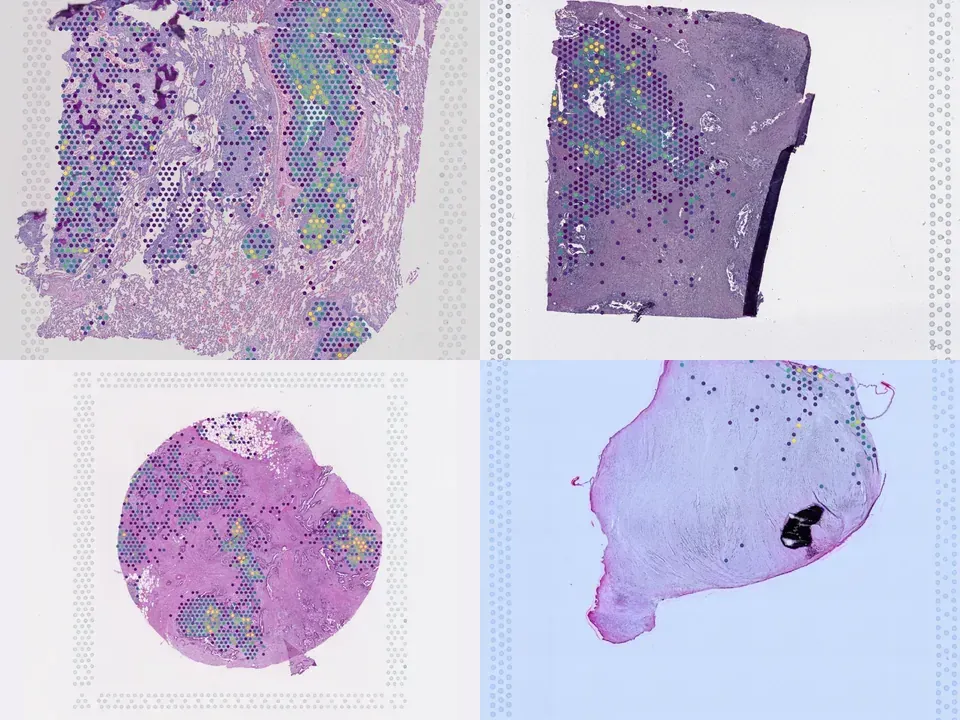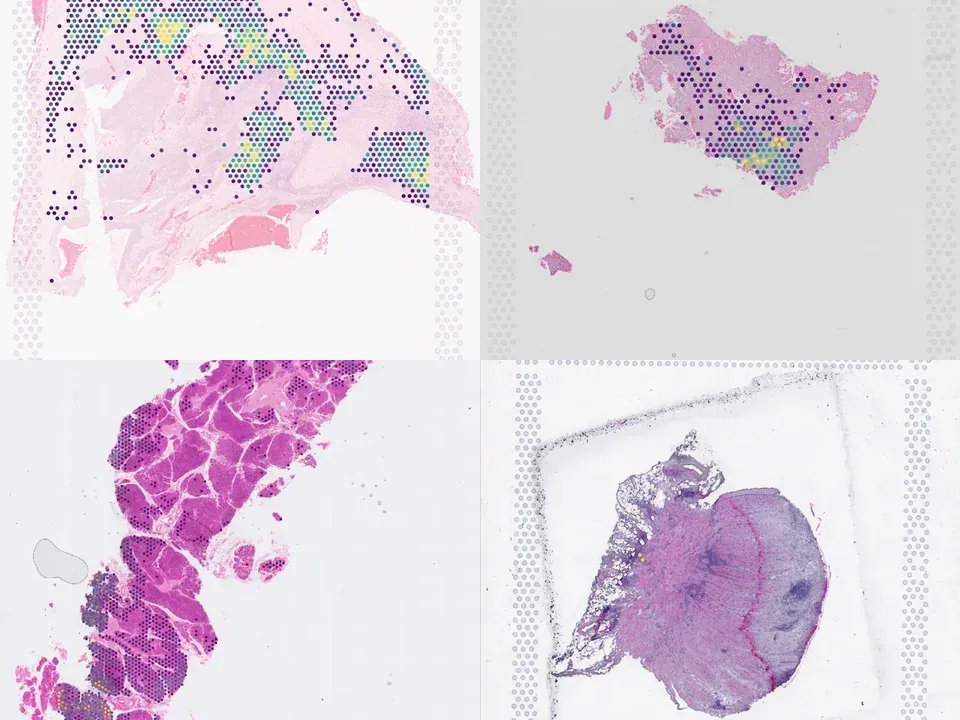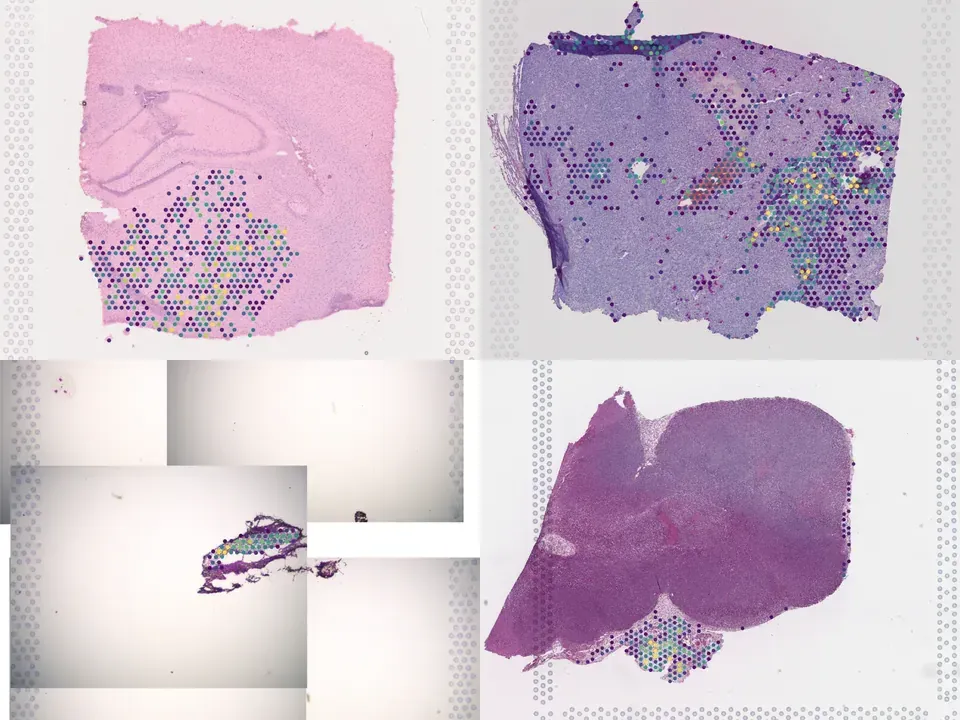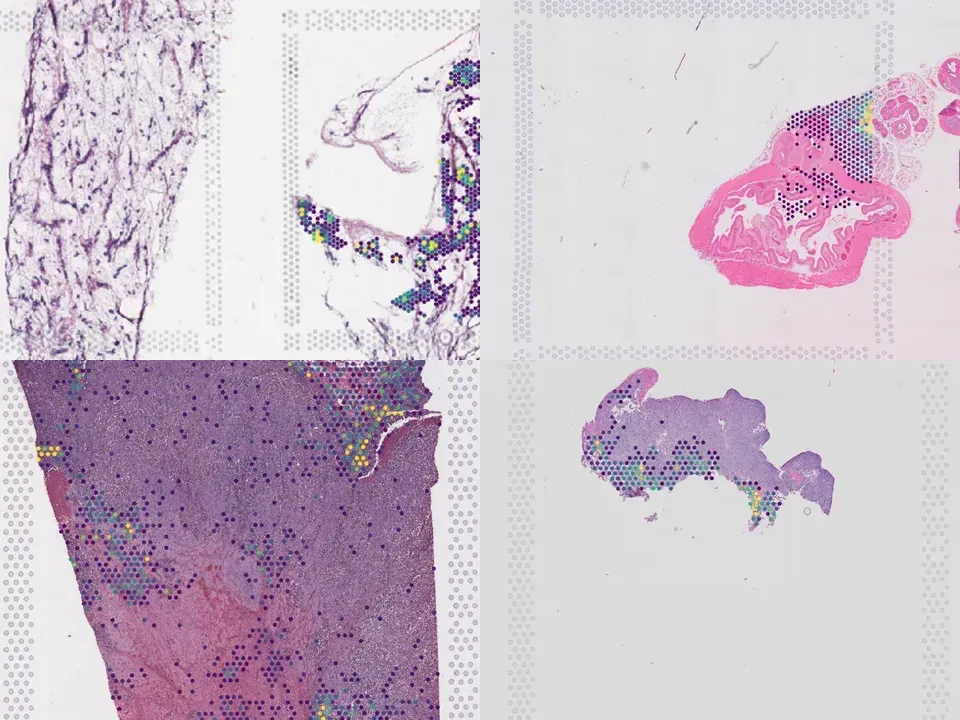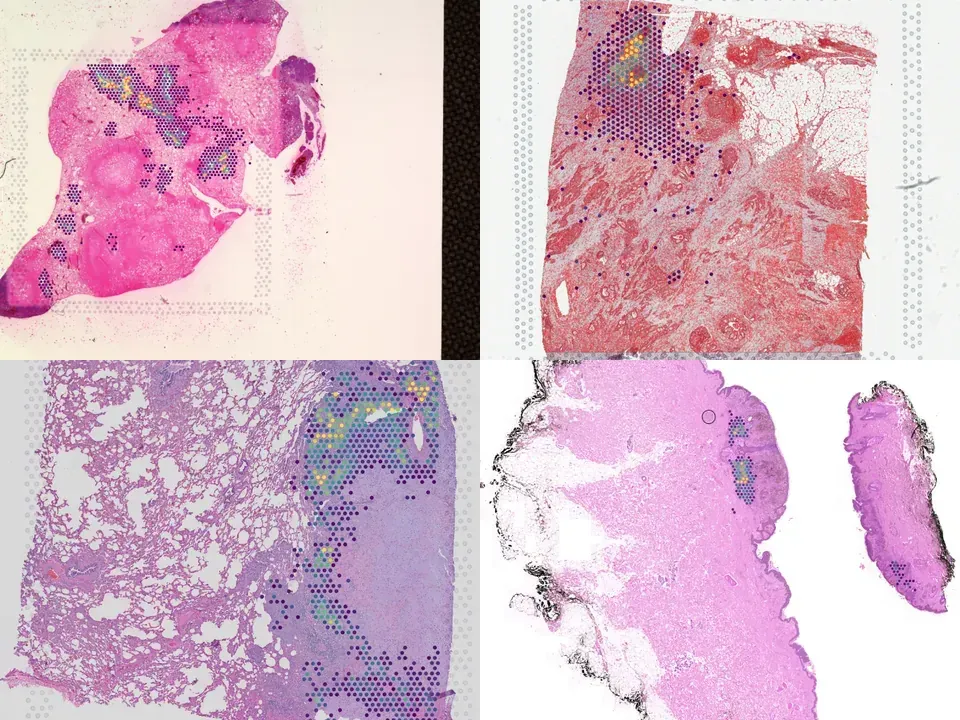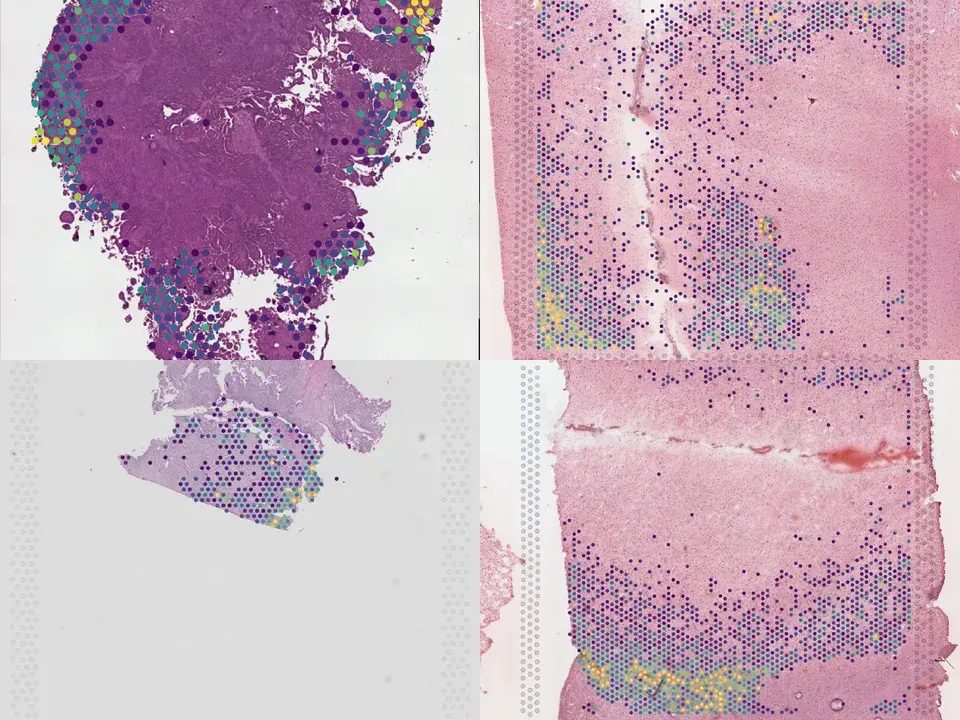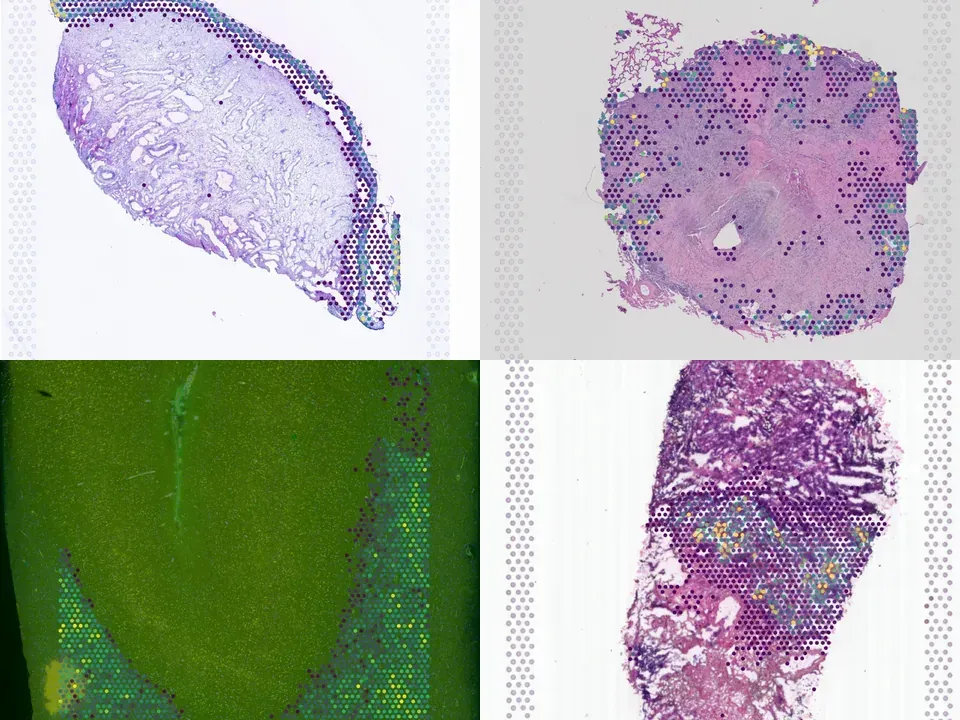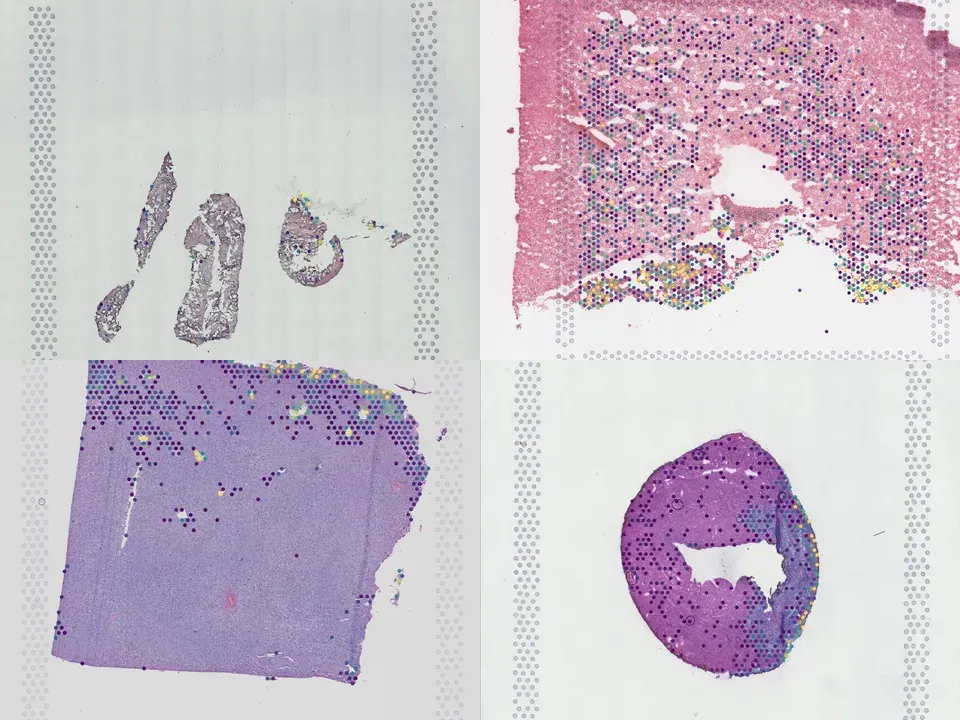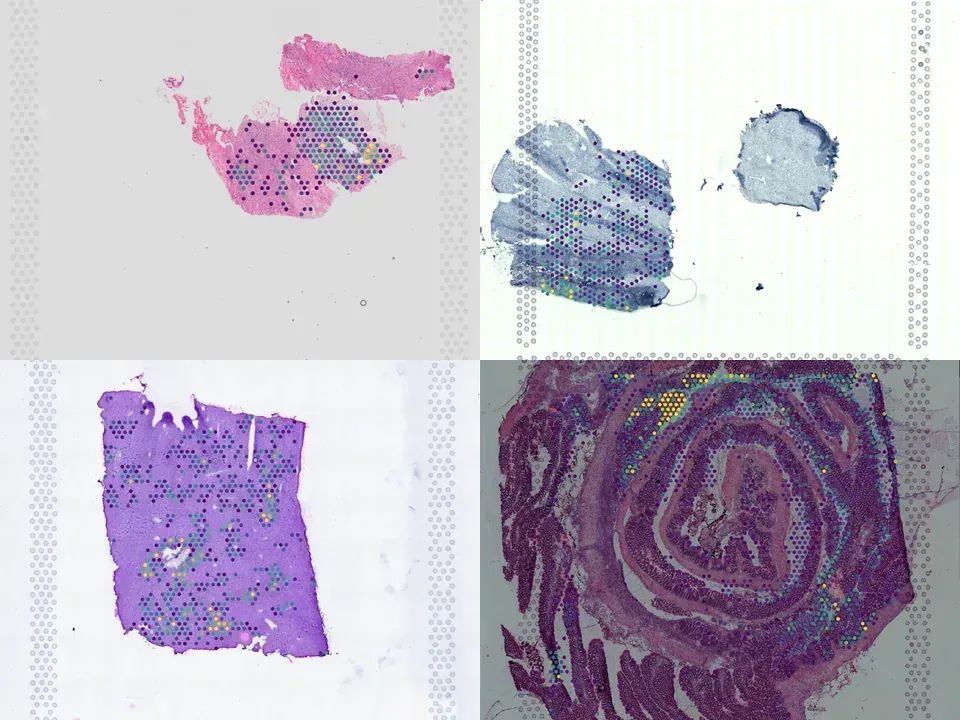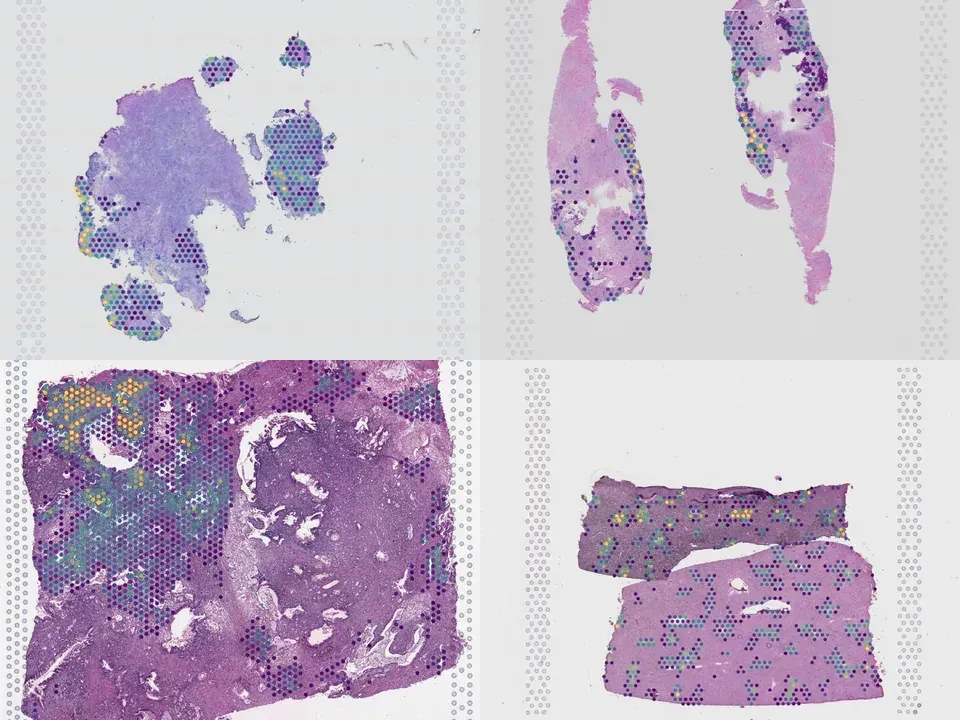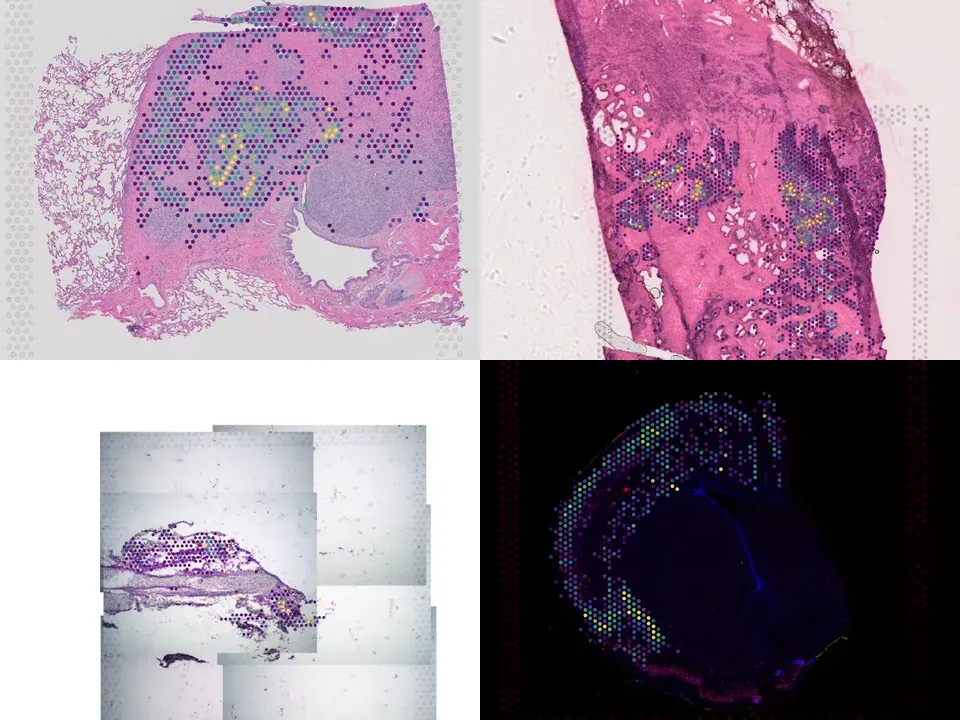
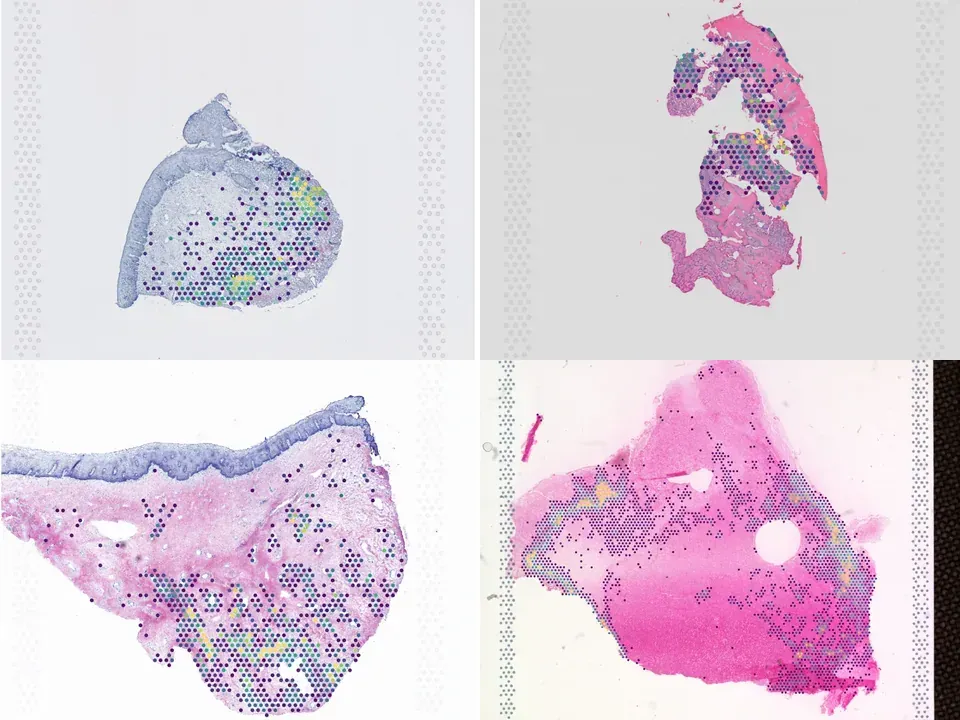
Spatial transcriptomic atlas of aggressive osteosarcomas reveals shared gene surface expression and immune landscape.
Osteosarcoma remains a highly aggressive malignancy with limited advancements in treatment efficacy and survival rates over the past four decades. Current therapeutic strategies fail in a significant proportion of patients, leading to metastatic relapse and poor prognosis. The substantial genomic instability and cellular plasticity of osteosarcoma contribute to its complex biology, necessitating innovative approaches for improved diagnosis and treatment. In this study, we applied spatial transcriptomics (ST) to 26 osteosarcoma samples, primary tumors and metastatic or local relapse samples. We described diverse differentiation phenotypes, ranging from mostly undifferentiated to metaphyseal-like organized highly differentiated phenotypes. Despite the phenotypic variability within and across samples, a comprehensive surfaceome analysis identified 306 cancer-specific membrane protein genes, among which nine formed a robust osteosarcoma-specific theranostic signature validated in multiple bulk RNAseq datasets. Additionally, spatial analysis of immune cell dynamics confirmed the systemic lymphoid cell exclusion and distinguished between cancer-excluded and -infiltrating myeloid populations. This identified three distinct populations along the osteoclastic lineage, with a systematic cancer-infiltration capacity. Cancer-infiltrating potential was also associated with type I interferon response and specific integrin-mediated adhesion mechanisms. This study provides a valuable resource to improve the understanding of osteosarcoma biology. We also suggest new clinically relevant targets in osteosarcoma, enabling the development of adapted and targeted treatment strategies for patients with the hope of improving clinical outcomes in the future.
from sddb import Catalog
cohort = Catalog().collection("geo-gse293065")
cohort.members # the 26 datasets as a table
print(cohort.licenses()) # check the terms before you download
sdatas = cohort.to_dict() # {uid: SpatialData}, cached locally
# or keep the .zarr files in a folder of your choice:
# sdatas = cohort.to_dict(dest="data/") Needs pip install lamindb and network access to the Lamin database, which is limited during the alpha. If it fails, use the Client tab.
import lamindb as ln
db = ln.DB("scverse/spatialdata-db")
coll = db.Collection.get(key="geo-gse293065")
coll.ordered_artifacts.to_dataframe() # the 26 members, ordered
# download every member .zarr to the local cache:
paths = [a.cache() for a in coll.ordered_artifacts.all()] # sddb client: download every member .zarr into data/
sddb-cli download --collection geo-gse293065 --dest data/ Licenses: 26 NCBI GEO policy
Cite this collection
doi.org/10.1038/s41467-026-74603-x ↗@article{Moquin_Beaudry_2026,
title = {Spatial transcriptomic atlas of aggressive osteosarcomas reveals shared immune landscape and targetable surface markers},
volume = {17},
ISSN = {2041-1723},
url = {http://dx.doi.org/10.1038/s41467-026-74603-x},
DOI = {10.1038/s41467-026-74603-x},
number = {1},
journal = {Nature Communications},
publisher = {Springer Science and Business Media LLC},
author = {Moquin-Beaudry, Gaël and Marques Da Costa, Maria Eugénia and Khneisser, Pierre and Thuilliez, Corentin and Audinot, Baptiste and Zair, Hanane and Signolle, Nicolas and McDermott, Michael and Tabone, Marie-Dominique and Scoazec, Jean-Yves and Badoual, Cécile and Geoerger, Birgit and Drubay, Damien and Gaspar, Nathalie and Marchais, Antonin},
year = {2026},
month = July
}