
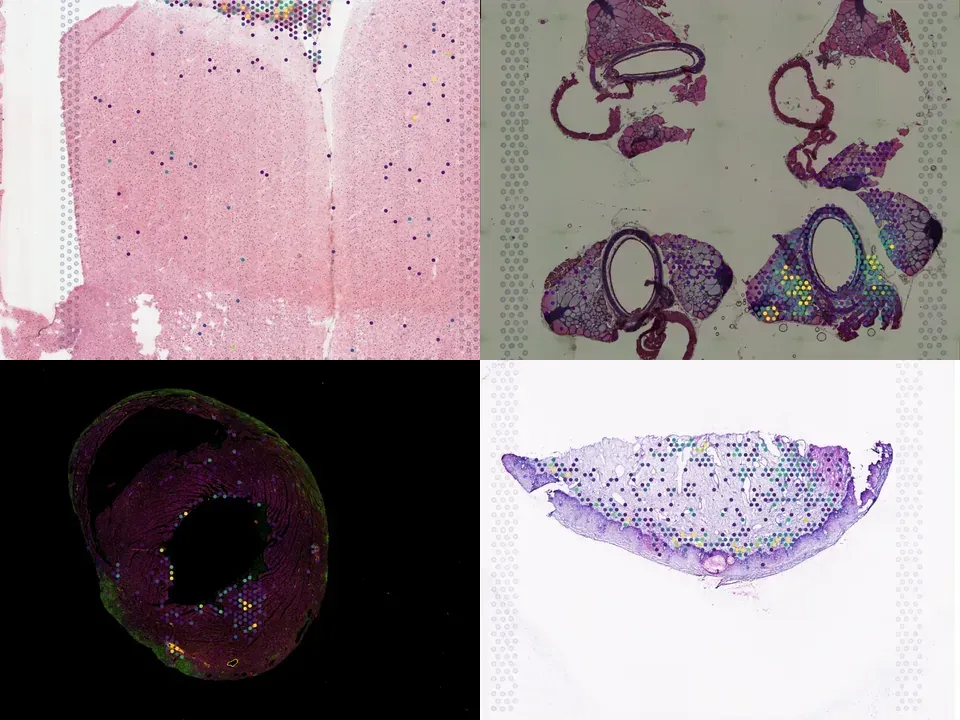
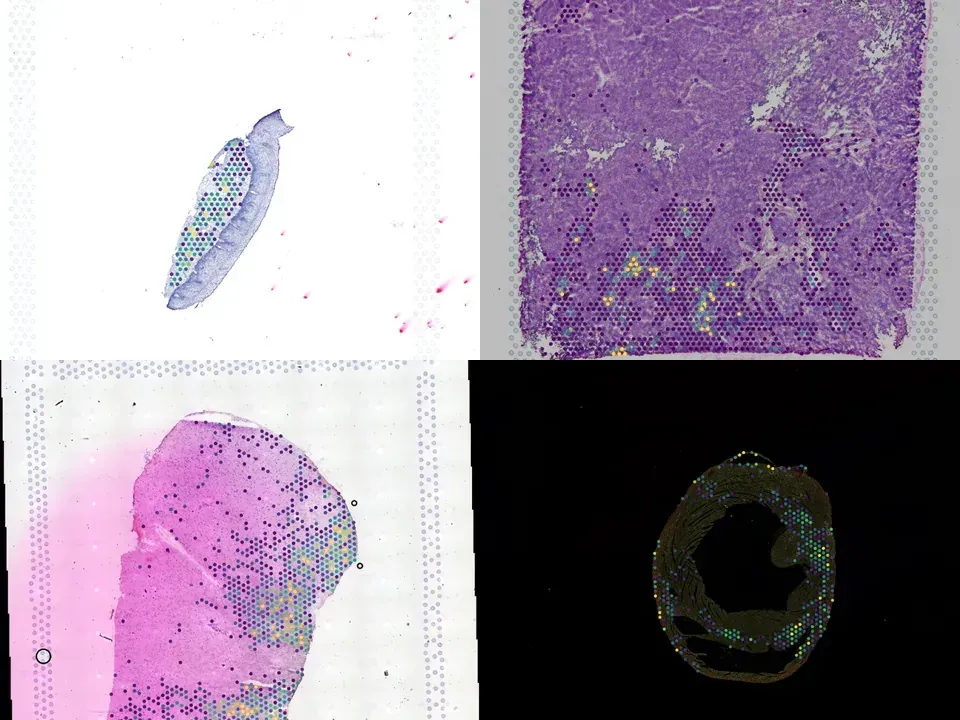
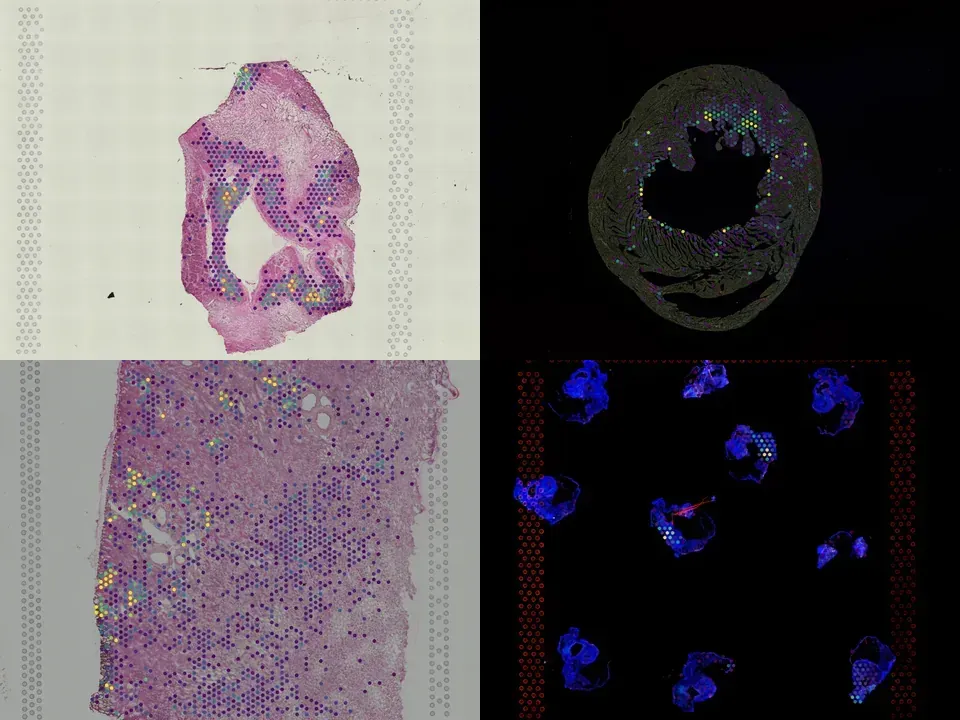
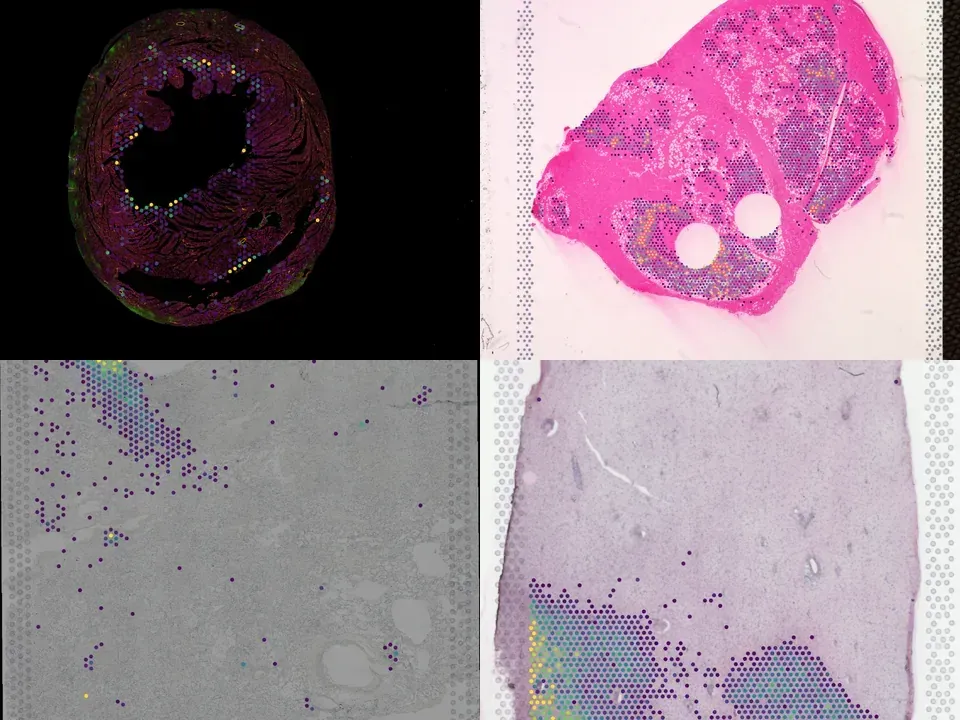
Mouse heart
GSM8806099
mouse heart 14.6 MB 1,561 spots silver H&E NCBI GEO policy
TechnologyVisium
Organismmouse
Tissueheart
Spots1,561
silver H&E NCBI GEO policy
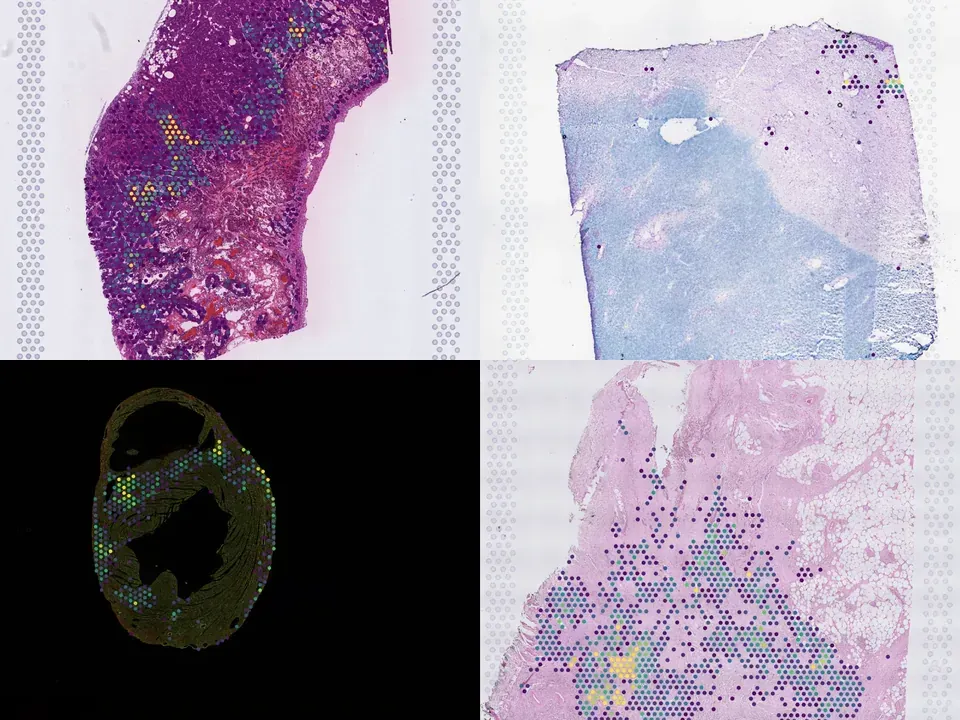
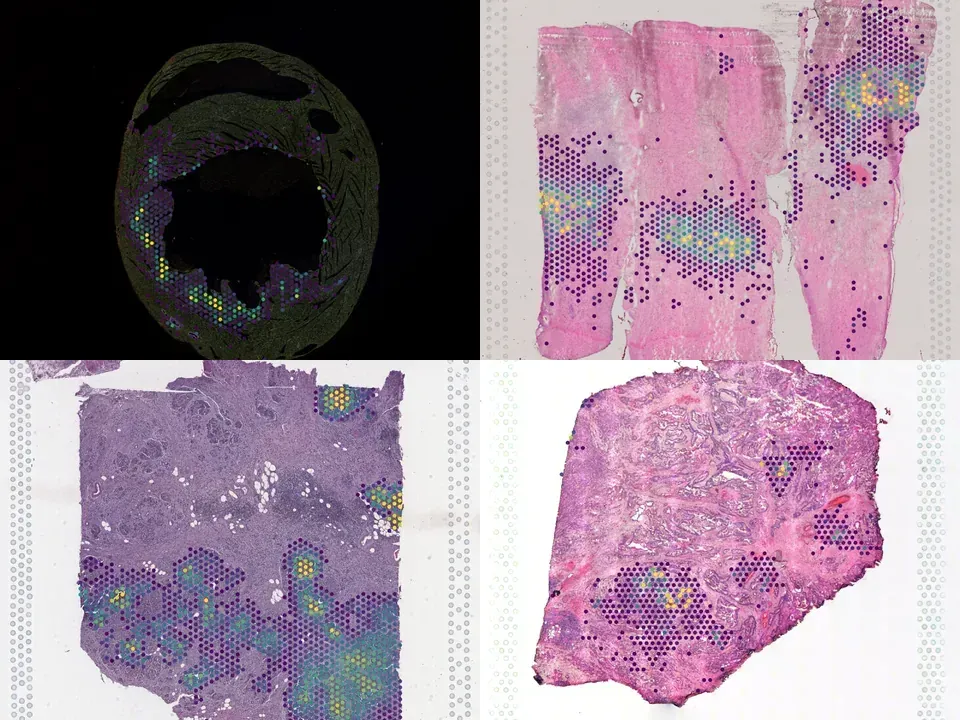
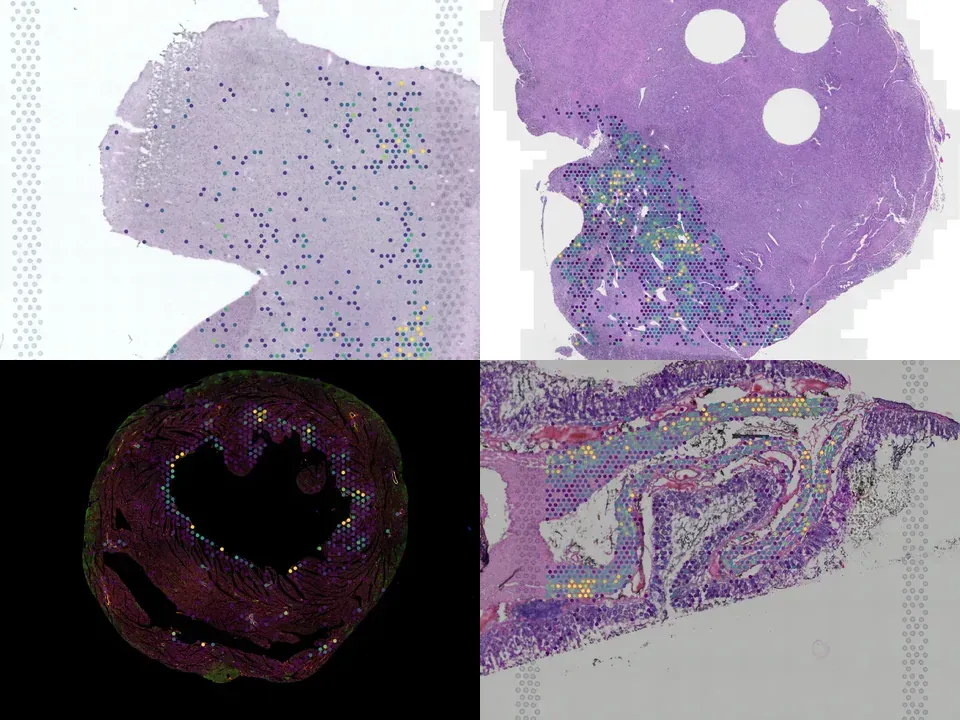
Background: Coronary microvascular disease (CMD) is an early complication of type 2 diabetes (T2D) involving adverse endothelial and smooth muscle dysfunction, vascular remodeling, and alterations in mechanics, which culminate in impaired coronary blood flow. Recent data suggest that vascular layer-specific mechanisms, influenced by the surrounding myocardium, contribute to CMD. To investigate transcriptional differences potentially contributing to CMD, we used spatial and single cell transcriptomic profiling of the coronary microcirculation and surrounding myocardium across distinct heart subregions to identify new pathways to target. Methods: We combined single cell RNA profiling and spatial transcriptomics to examine transcriptional differences and molecular signatures of CMD in T2D mice. Results: Single cell RNA profiling and spatial transcriptomics revealed upregulation of genes linked to adipogenesis, fatty acid metabolism, and oxidative phosphorylation in T2D cell clusters and coronary microvascular-enriched regions. Using spatial transcriptomics, we also examined gene expression in coronary microvessel-enriched areas across different heart subregions. Interestingly, the most pronounced transcriptional differences between T2D and control coronary microvessels were observed in the left ventricular anterior wall, where inflammatory response pathways were downregulated in T2D mice. Genes associated with oxidative phosphorylation and fatty acid oxidation were significantly upregulated in T2D coronary microvessels within the left ventricular anterior wall.Conclusions: These intriguing data support the well-documented concept that cardiac metabolic inflexibility in T2D – characterized by reduced mitochondrial function, increased reliance on fatty acid oxidation, and impaired glucose utilization – contributes to oxidative stress and lipotoxicity, key drivers of heart failure. Furthermore, these data reveal previously unrecognized transcriptomic differences in coronary microvessels across spatially-distinct regions of the T2D heart, suggesting transcriptional heterogeneity in this critical vascular bed.
from sddb import Catalog

cohort = Catalog().collection("geo-gse290094")
cohort.members        # the 7 datasets as a table

print(cohort.licenses())              # check the terms before you download

sdatas = cohort.to_dict()             # {uid: SpatialData}, cached locally
# or keep the .zarr files in a folder of your choice:
# sdatas = cohort.to_dict(dest="data/")Needs pip install lamindb and network access to the Lamin database, which is limited during the alpha. If it fails, use the Client tab.
import lamindb as ln

db = ln.DB("scverse/spatialdata-db")
coll = db.Collection.get(key="geo-gse290094")
coll.ordered_artifacts.to_dataframe()   # the 7 members, ordered

# download every member .zarr to the local cache:
paths = [a.cache() for a in coll.ordered_artifacts.all()]# sddb client: download every member .zarr into data/
sddb-cli download --collection geo-gse290094 --dest data/Licenses: 7 NCBI GEO policy
No linked publication found — please cite the data source.