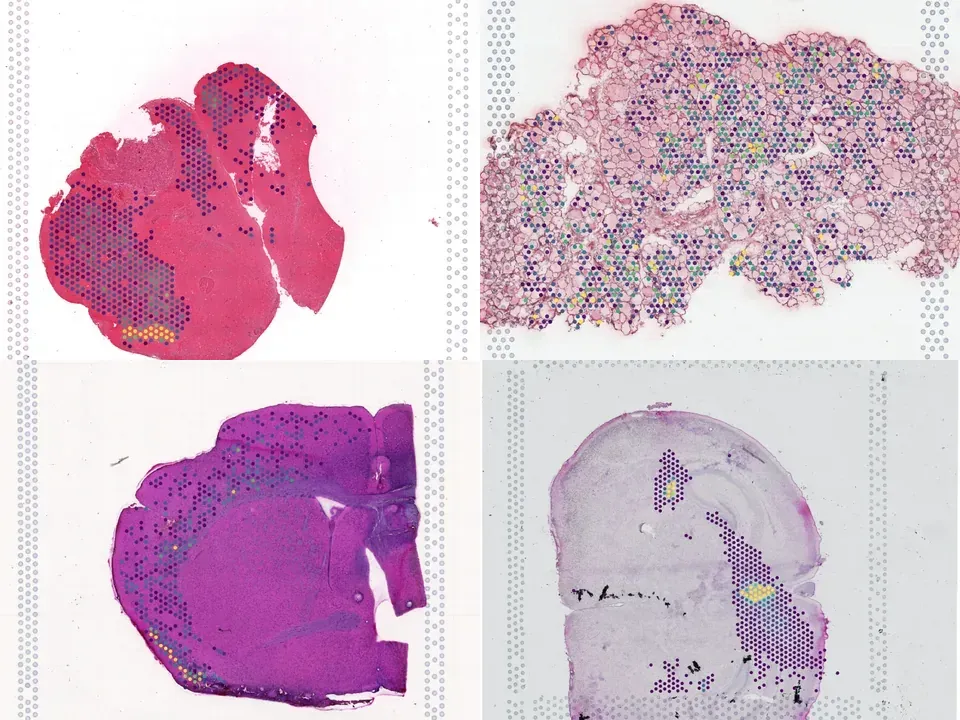
Mouse brain
GSM8801844
mouse brain glioblastoma 51.4 MB 1,975 spots bronze H&E NCBI GEO policy
TechnologyVisium
Organismmouse
Tissuebrain
Conditionglioblastoma
Spots1,975
bronze H&E NCBI GEO policy
Neuronal activity-driven mechanisms impact glioblastoma cell proliferation and invasion (1–7), and glioblastoma remodels neuronal circuits (8,9). Distinct intratumoral regions maintain functional connectivity via a subpopulation of malignant cells that mediate tumor-intrinsic neuronal connectivity and synaptogenesis through their transcriptional programs (8). However, the effects of tumor-intrinsic neuronal activity on other cells, such as immune cells, remain unknown. Here we show that regions within glioblastomas displaying elevated connectivity are characterized by regional immunosuppression. This is accompanied by different cell compositions and inflammatory status of tumor-associated macrophages (TAMs) in the tumor microenvironment. In preclinical models, genetic knockout of Thrombospondin-1 (TSP1/Thbs1), a synaptogenic factor critical for glioma-induced neuronal circuit remodeling, in glioblastoma cells suppressed synaptogenesis and glutamatergic neuronal hyperexcitability. Moreover, this restored antigen-presentation and pro-inflammatory responses, promoted the infiltration of pro-inflammatory TAMs and CD8+ T-cells, and mitigated the immunosuppressive effect of TAMs on T-cell proliferation. Furthermore, pharmacological inhibition of glutamatergic excitatory neuronal signaling redirected TAMs toward a less immunosuppressive phenotype, resulting in prolonged mouse survival. Lastly, pharmacological inhibition of glutamatergic signaling showed potential to enhance the efficacy of immune cell-based therapy. Altogether, our results demonstrate previously unrecognized immunosuppression mechanisms resulting from glioma-neuronal circuit remodeling and suggest that targeting glioma-neuron-immune crosstalk could provide new avenues for immunotherapy.
from sddb import Catalog

cohort = Catalog().collection("geo-gse289934")
cohort.members        # the 2 datasets as a table

print(cohort.licenses())              # check the terms before you download

sdatas = cohort.to_dict()             # {uid: SpatialData}, cached locally
# or keep the .zarr files in a folder of your choice:
# sdatas = cohort.to_dict(dest="data/")Needs pip install lamindb and network access to the Lamin database, which is limited during the alpha. If it fails, use the Client tab.
import lamindb as ln

db = ln.DB("scverse/spatialdata-db")
coll = db.Collection.get(key="geo-gse289934")
coll.ordered_artifacts.to_dataframe()   # the 2 members, ordered

# download every member .zarr to the local cache:
paths = [a.cache() for a in coll.ordered_artifacts.all()]# sddb client: download every member .zarr into data/
sddb-cli download --collection geo-gse289934 --dest data/Licenses: 2 NCBI GEO policy

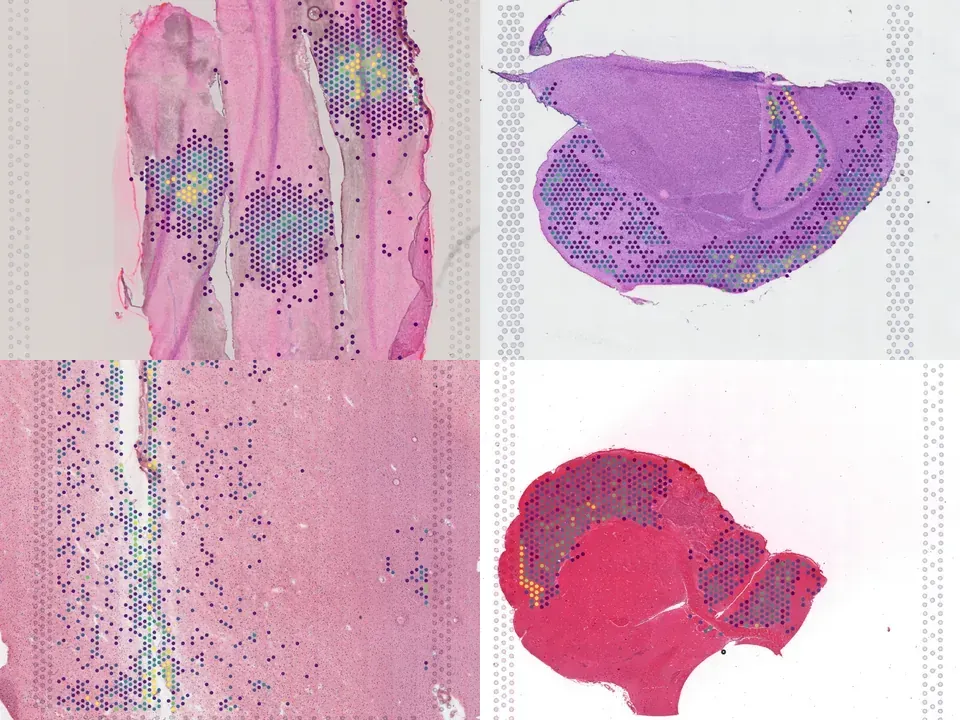
No linked publication found — please cite the data source.