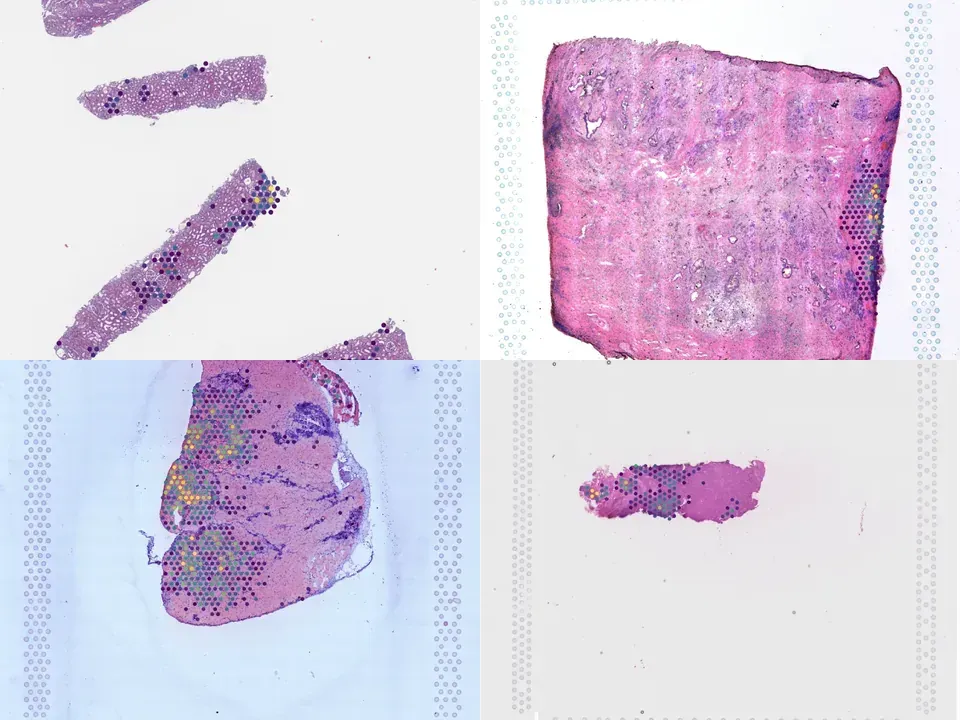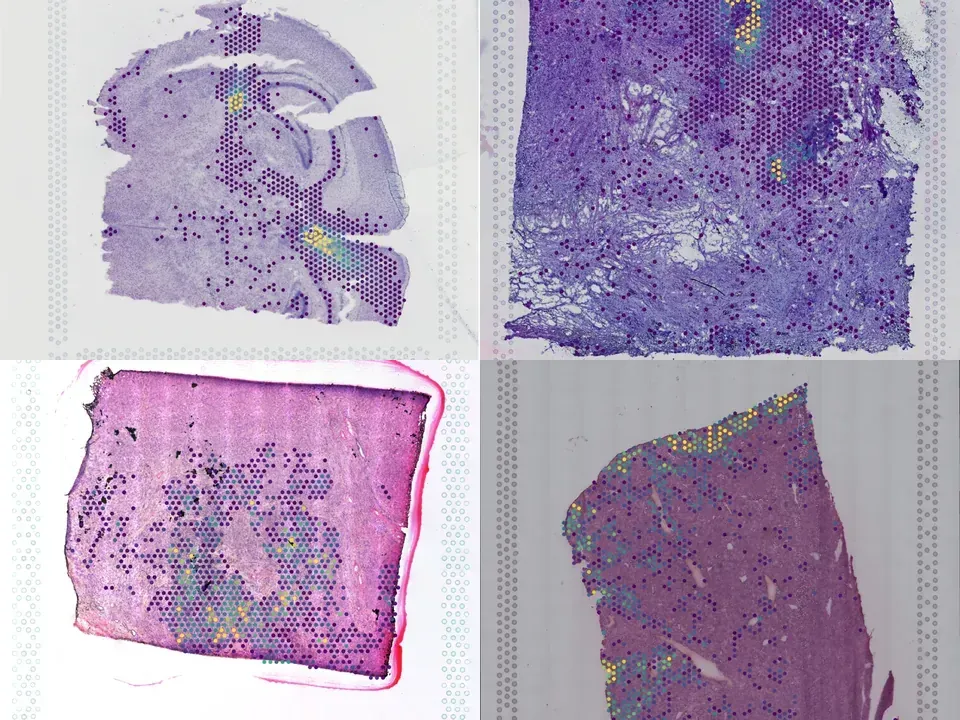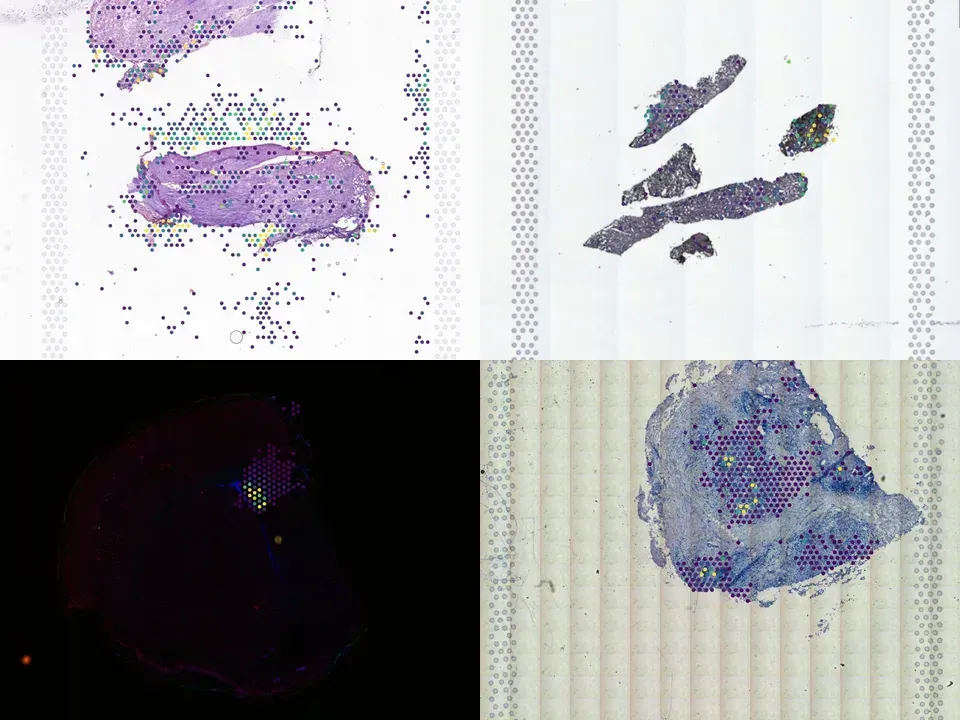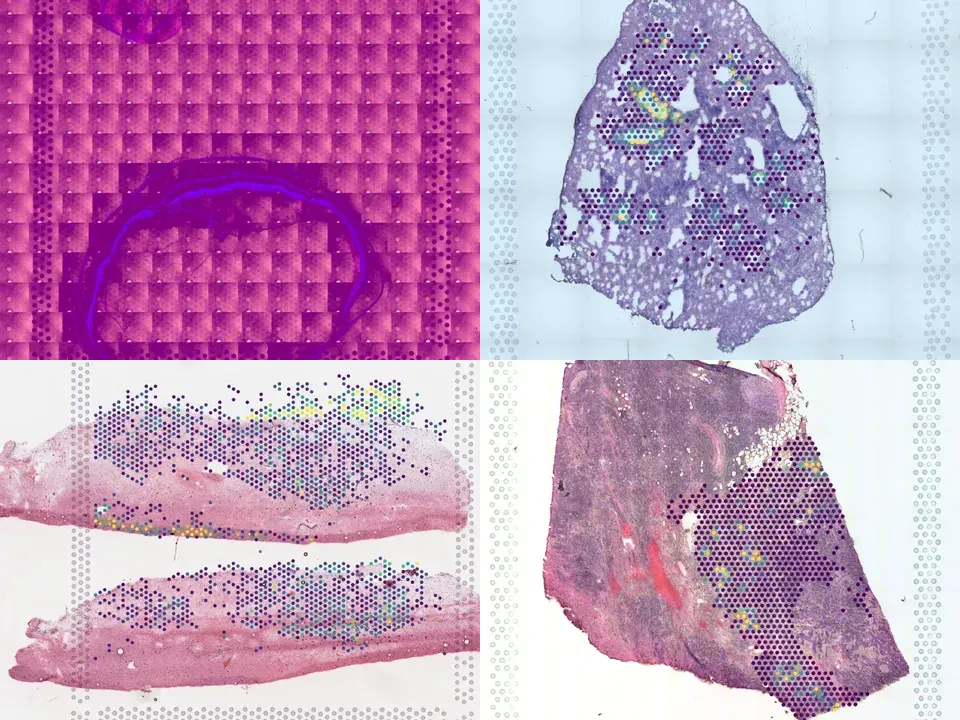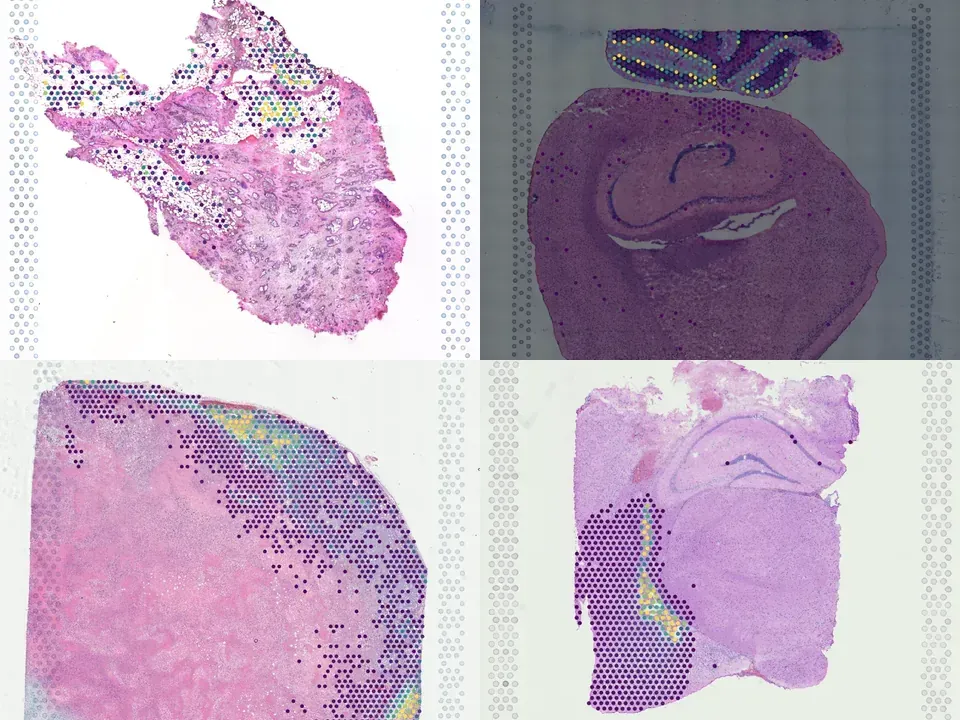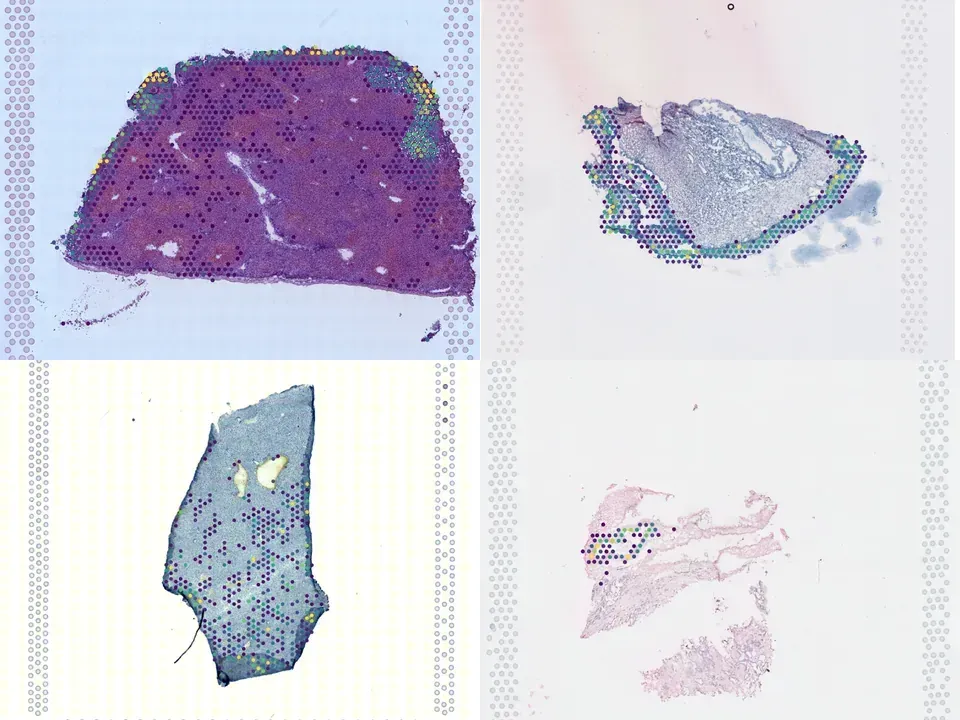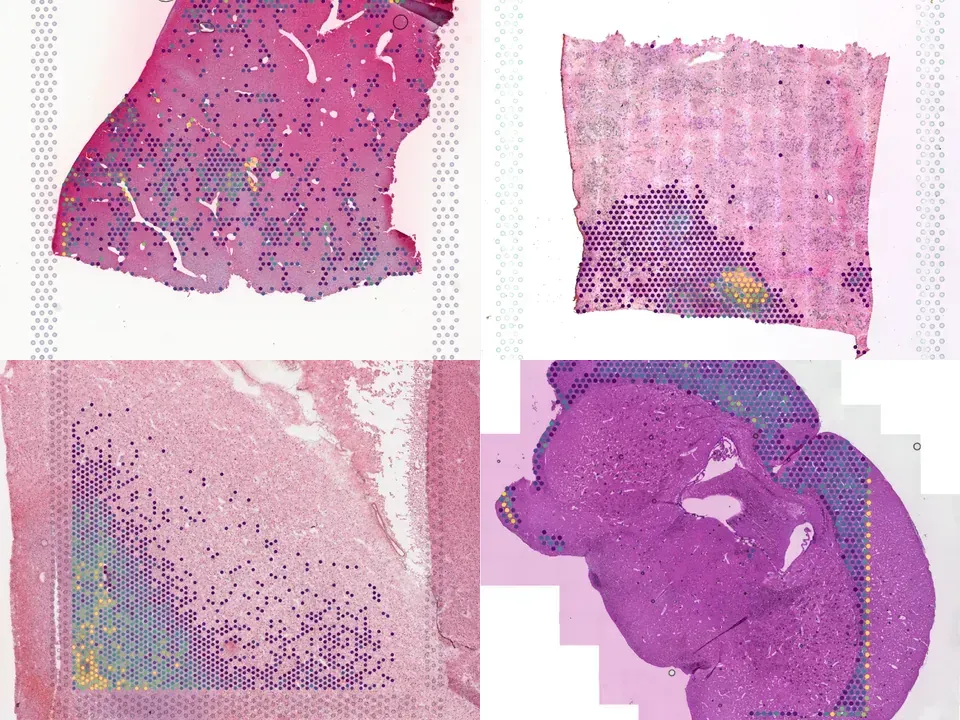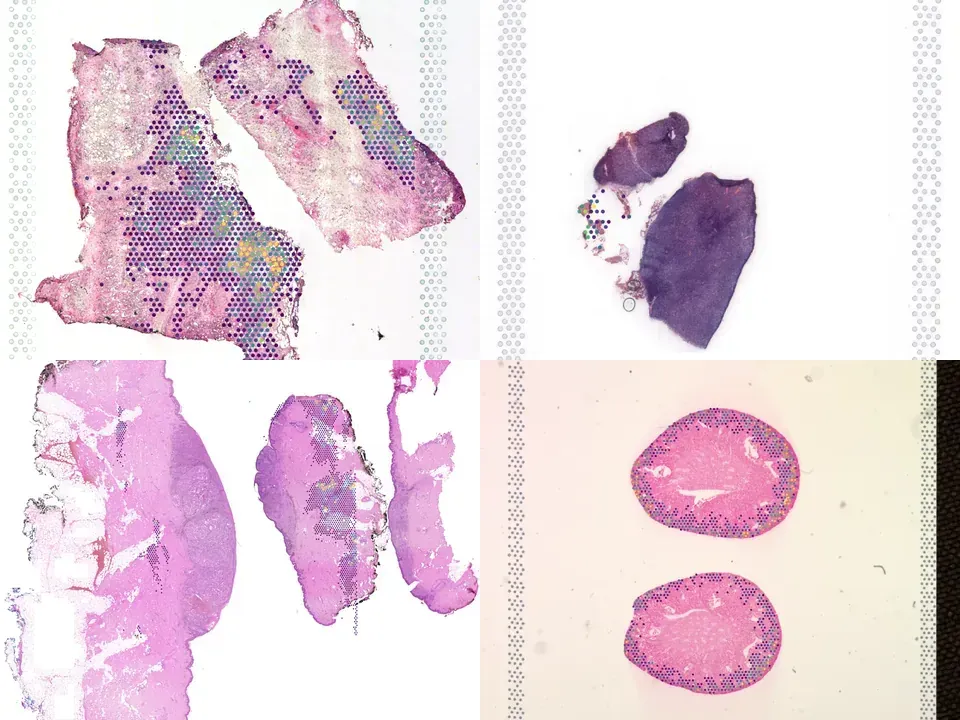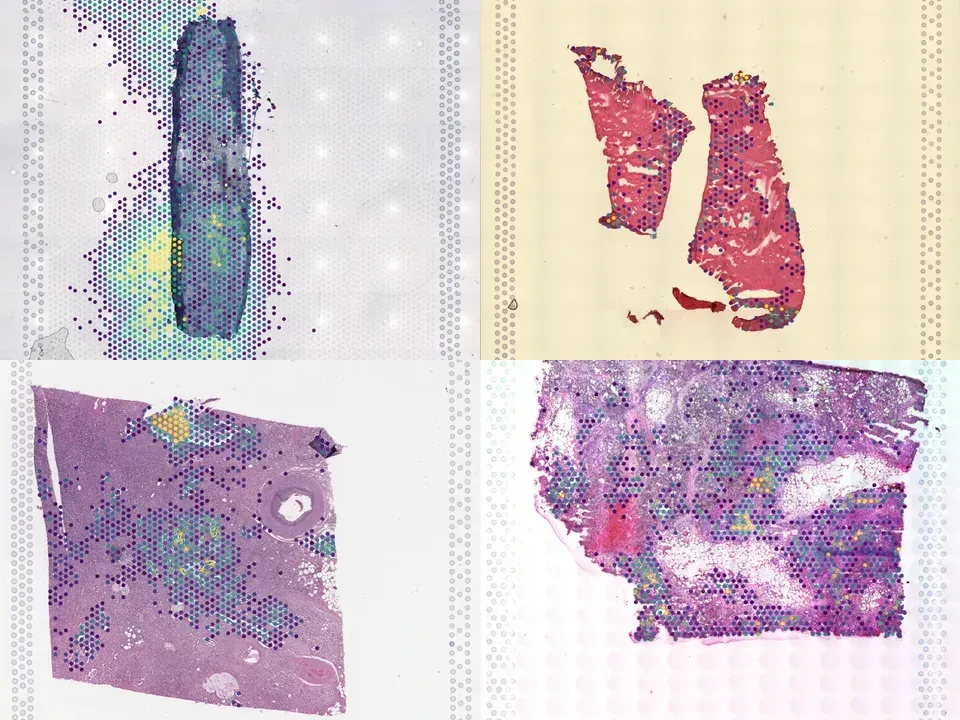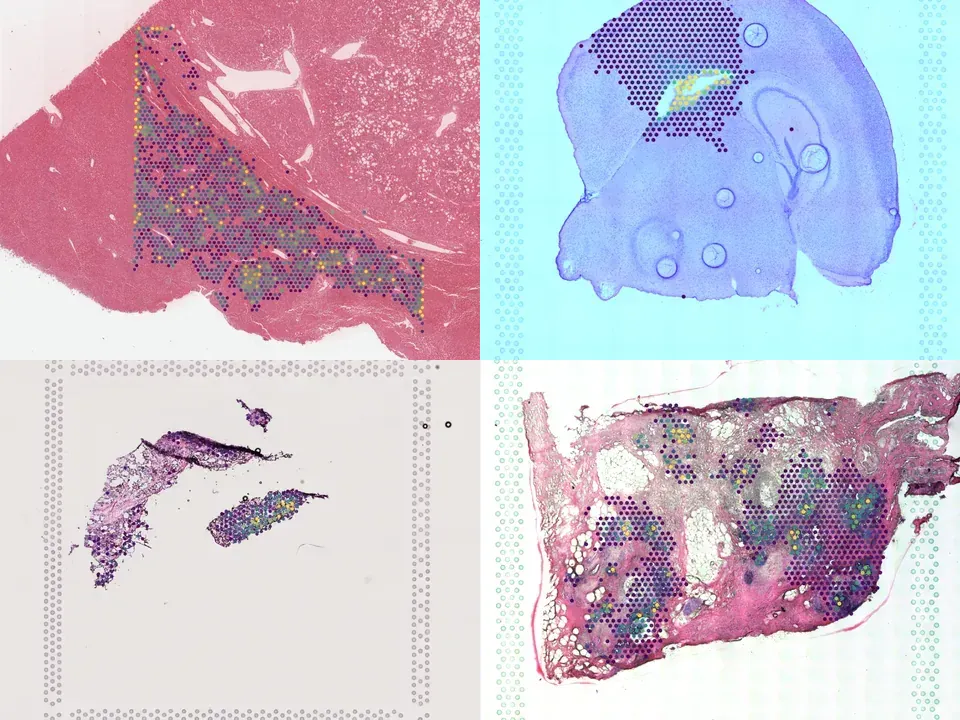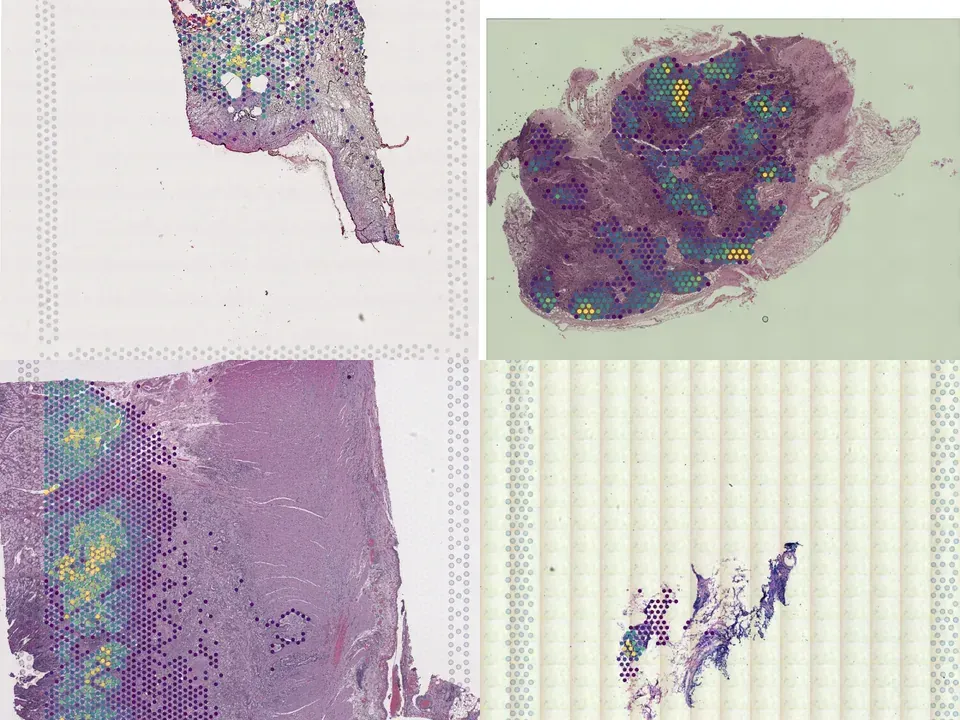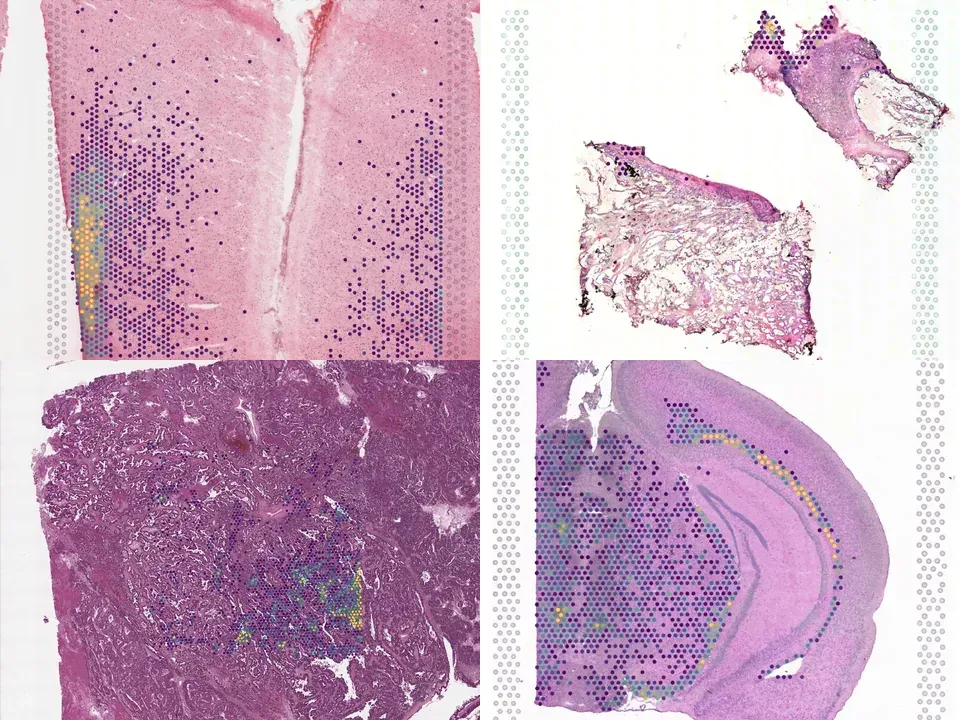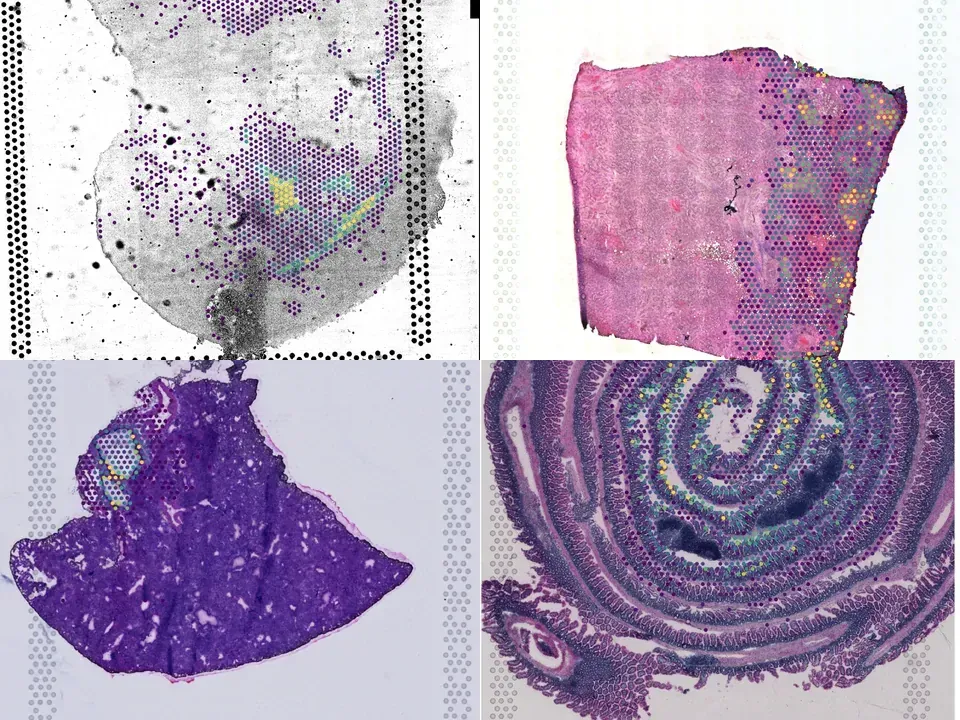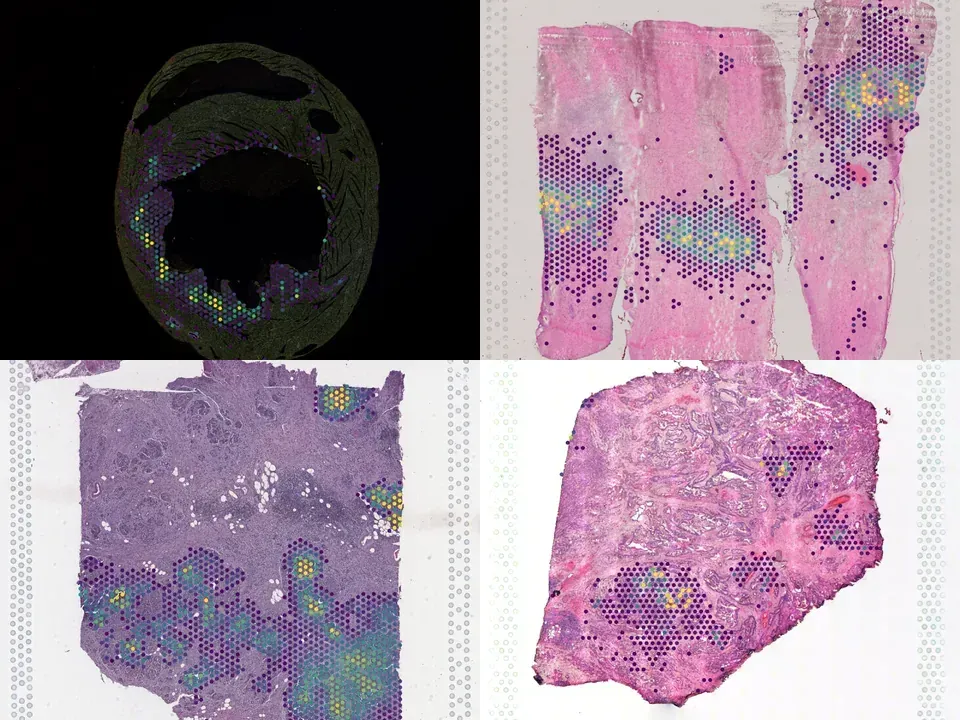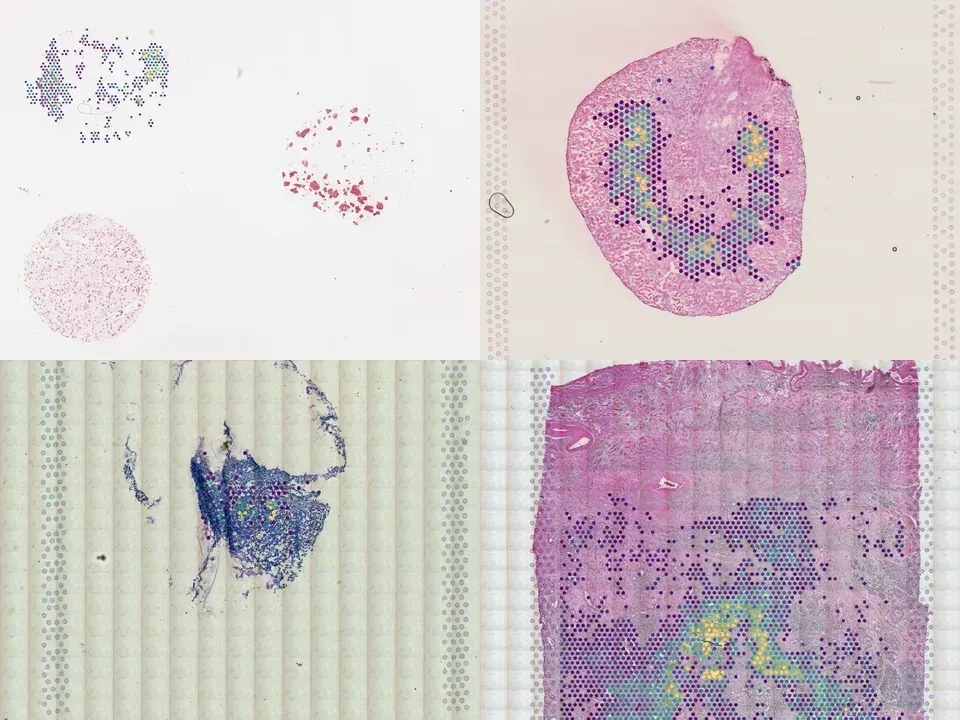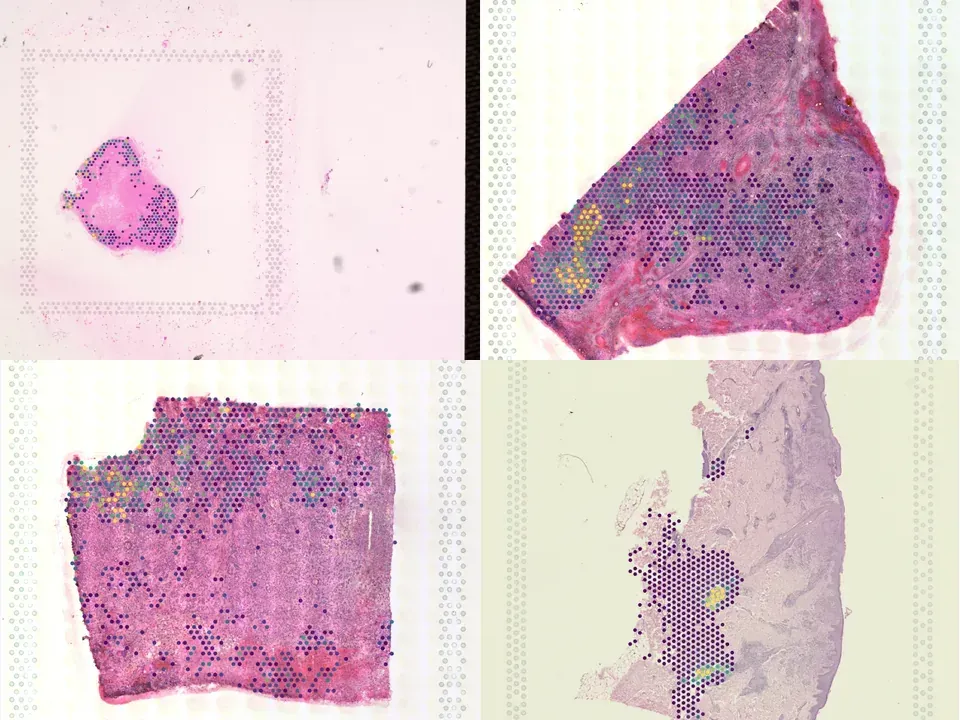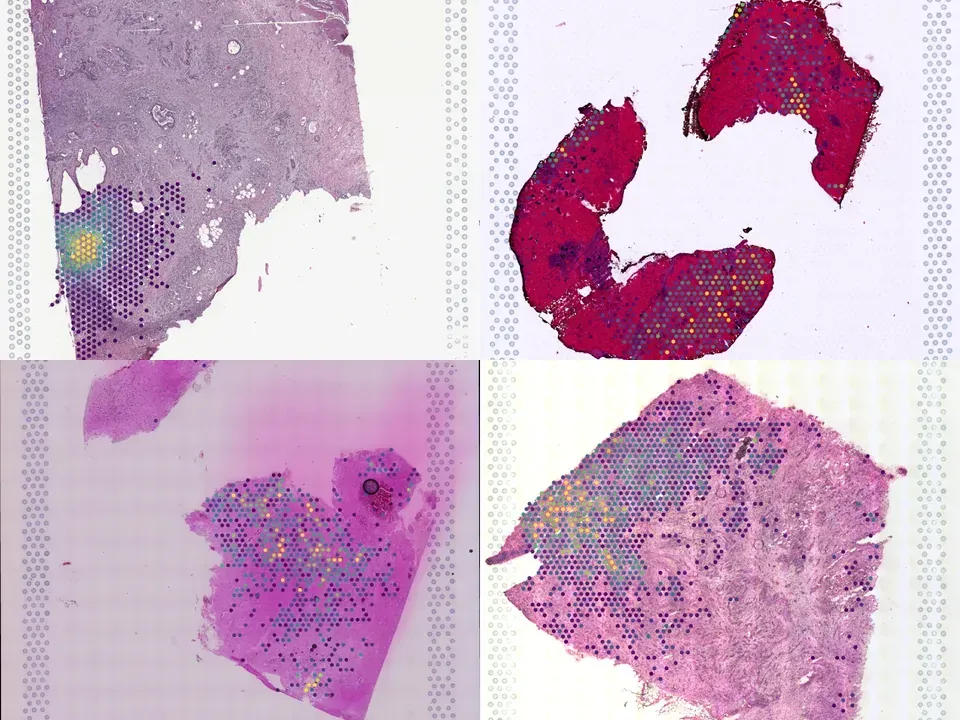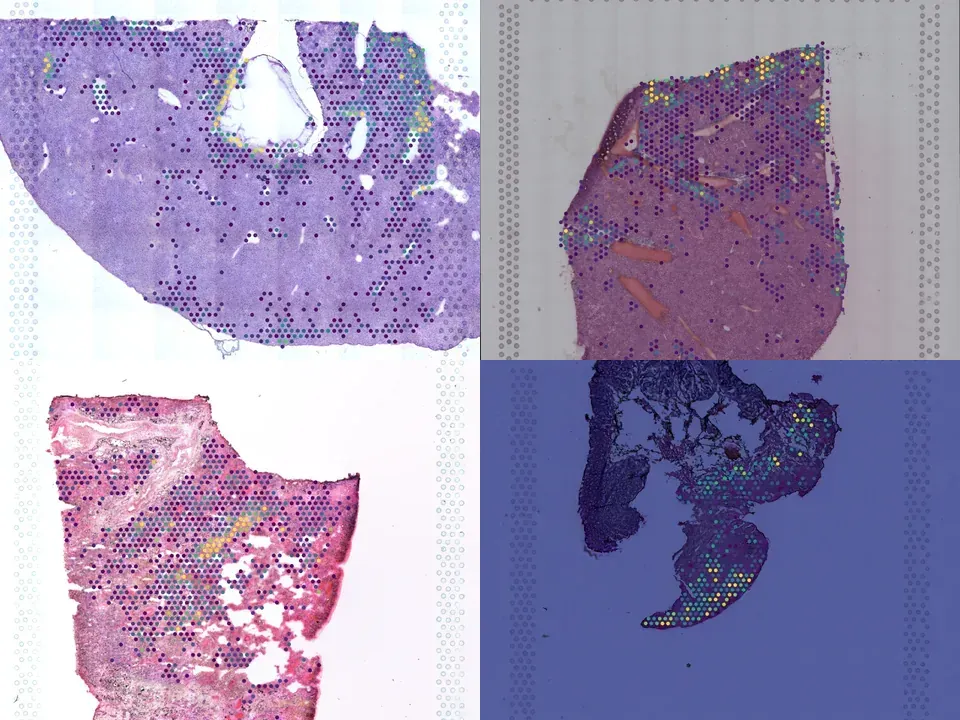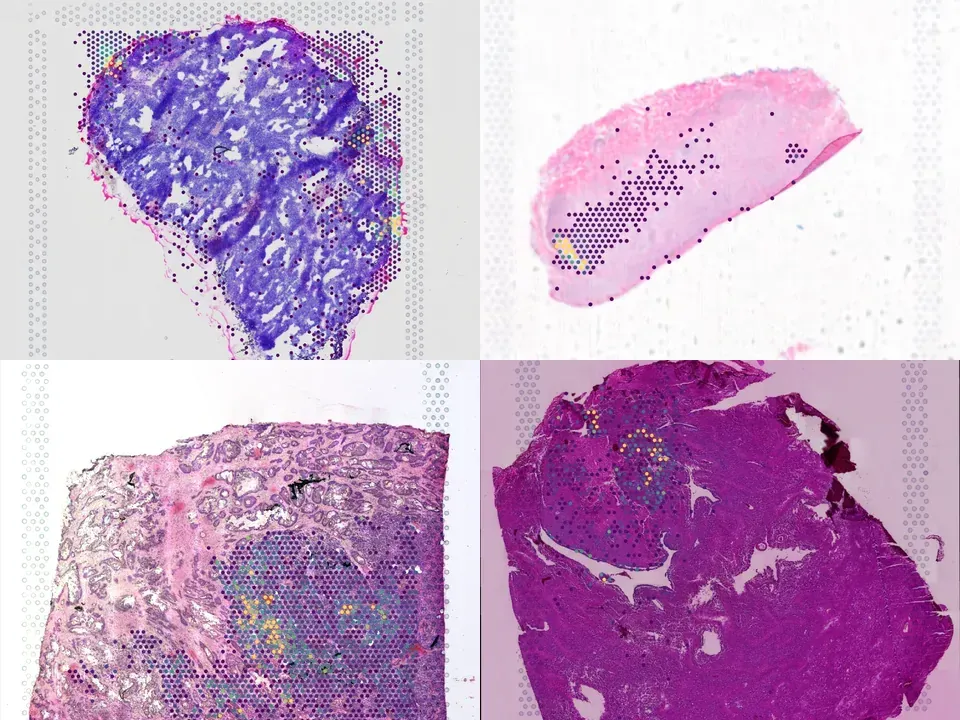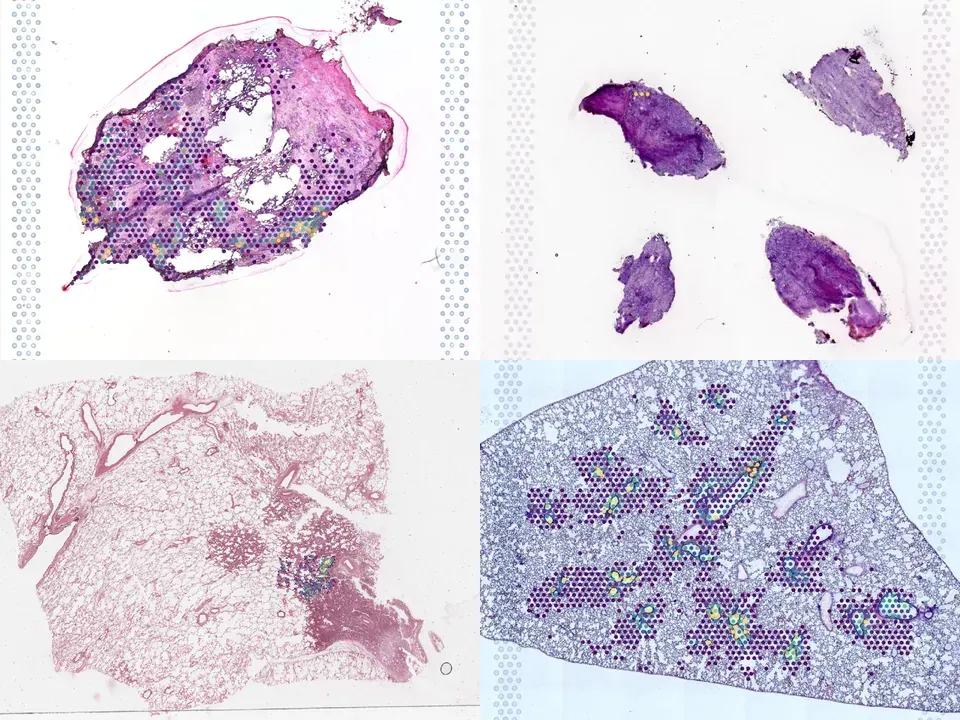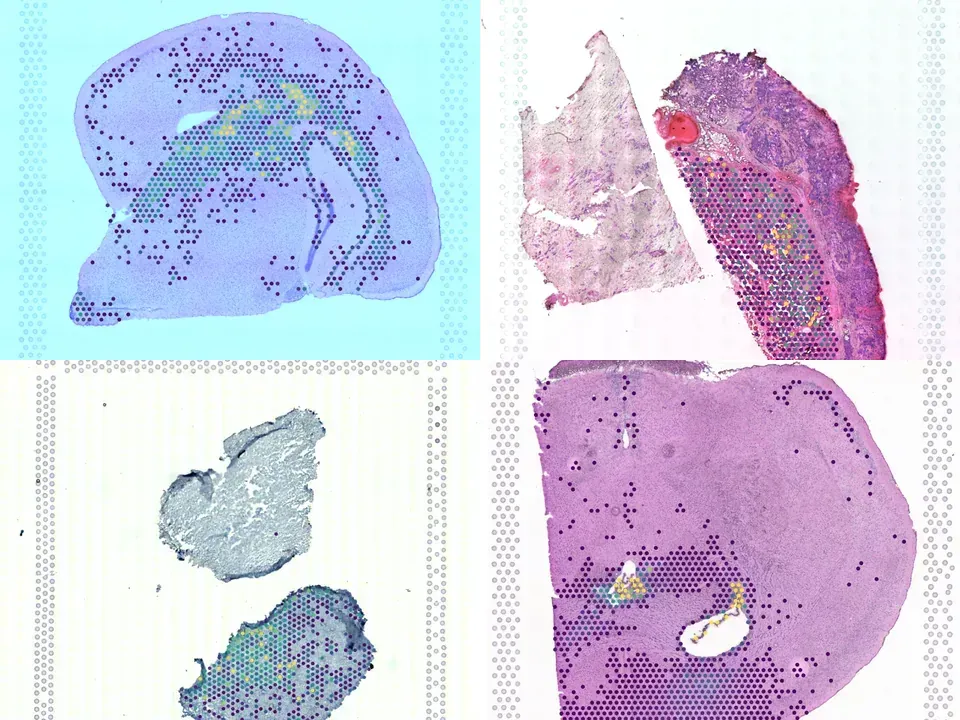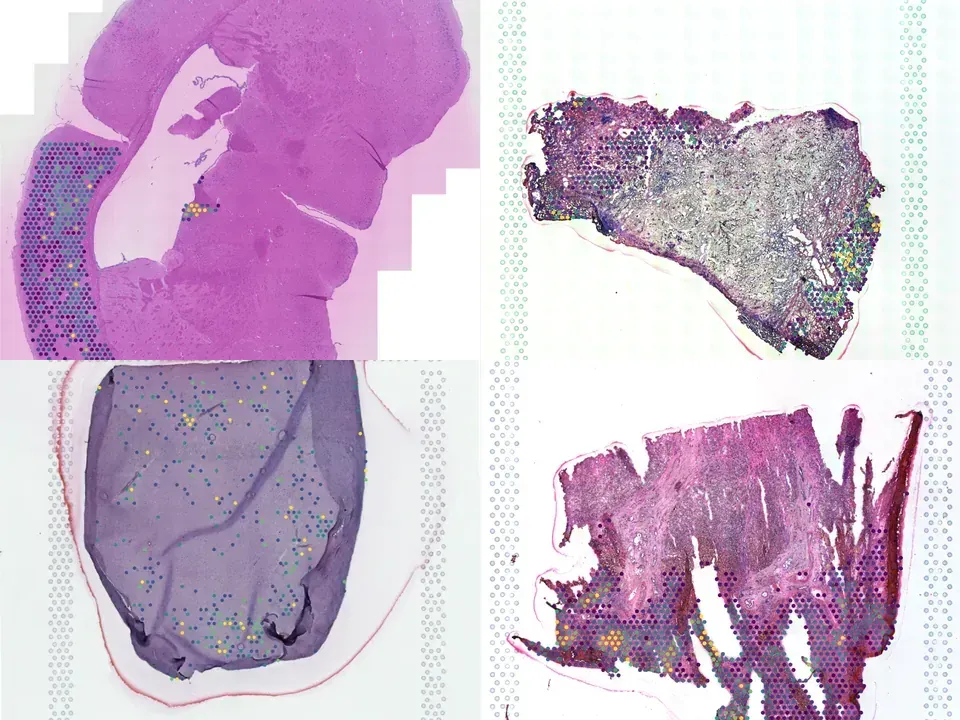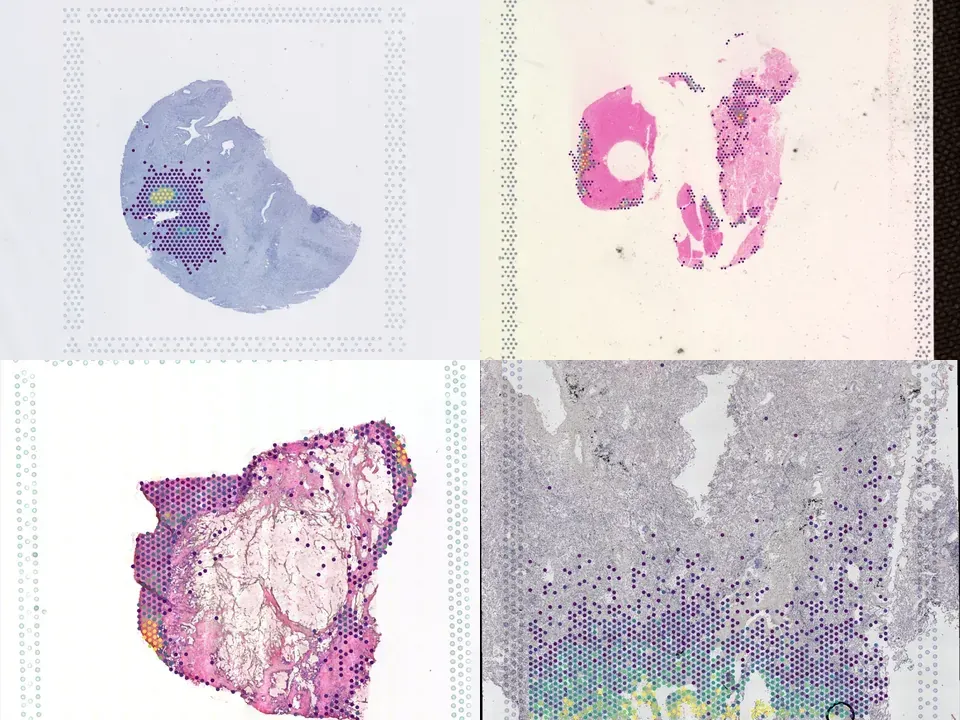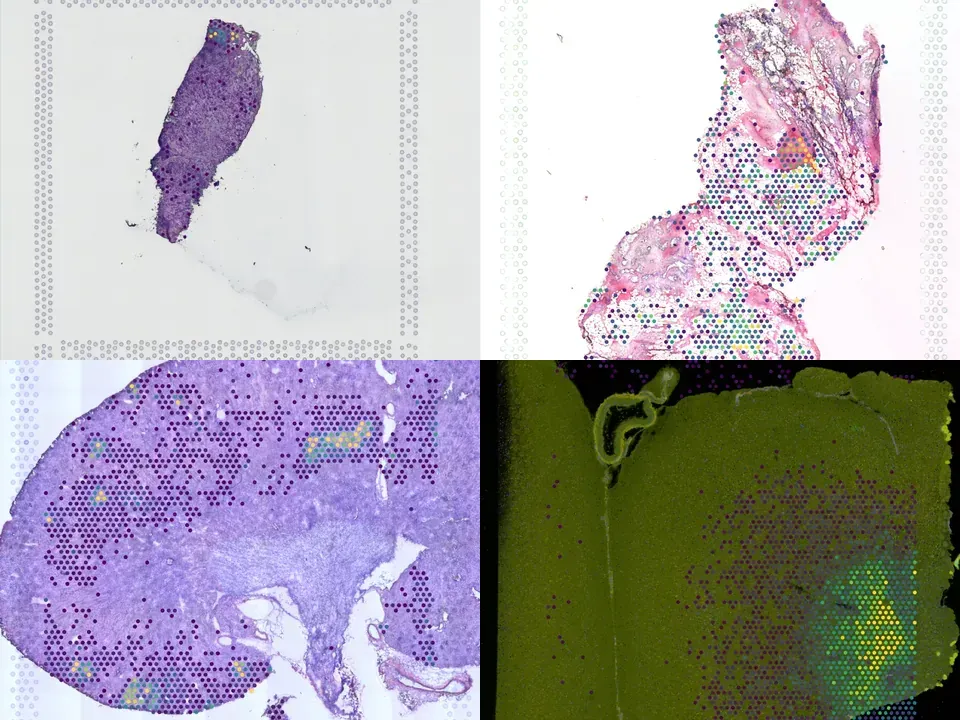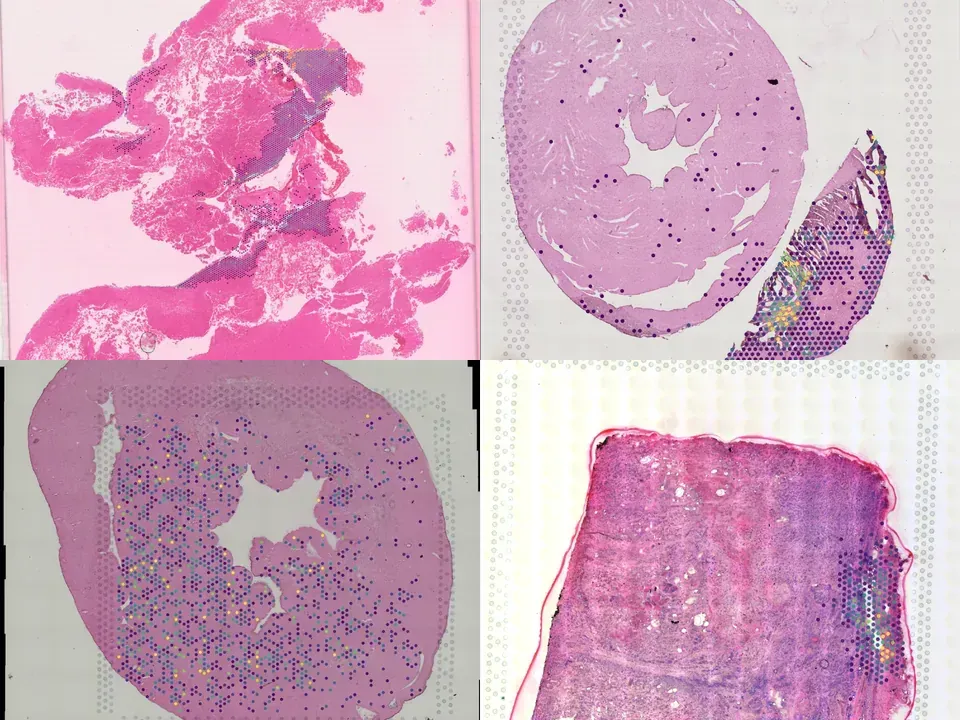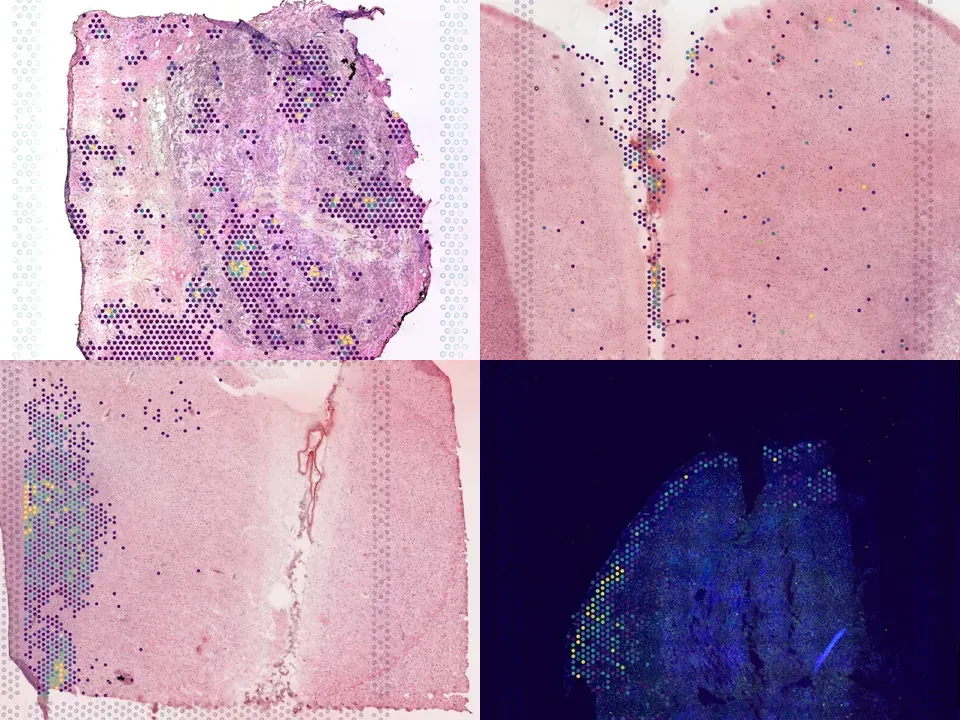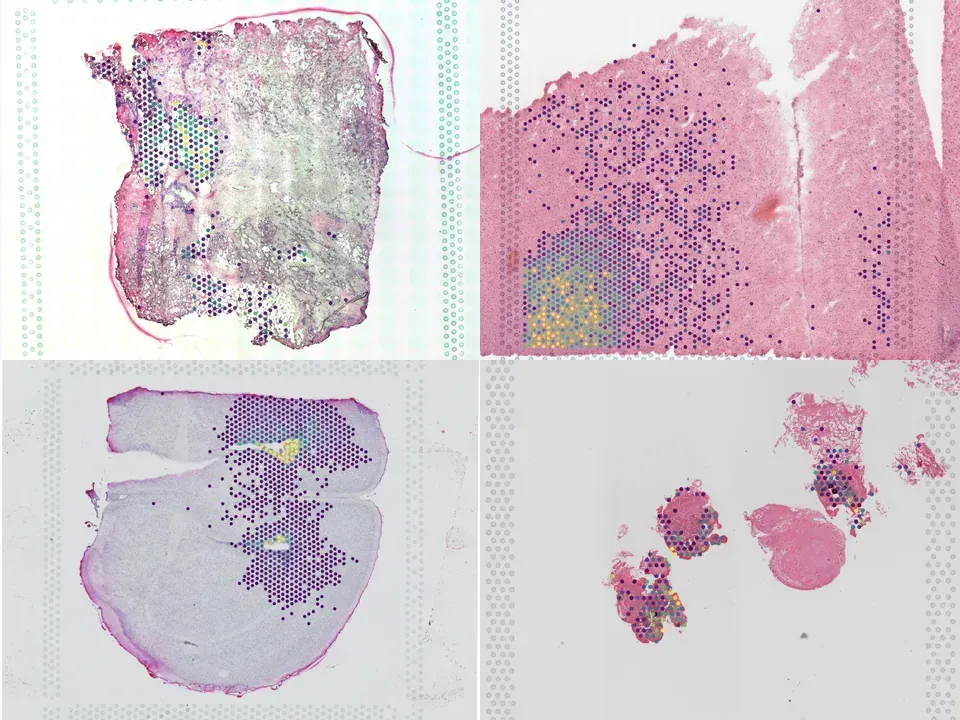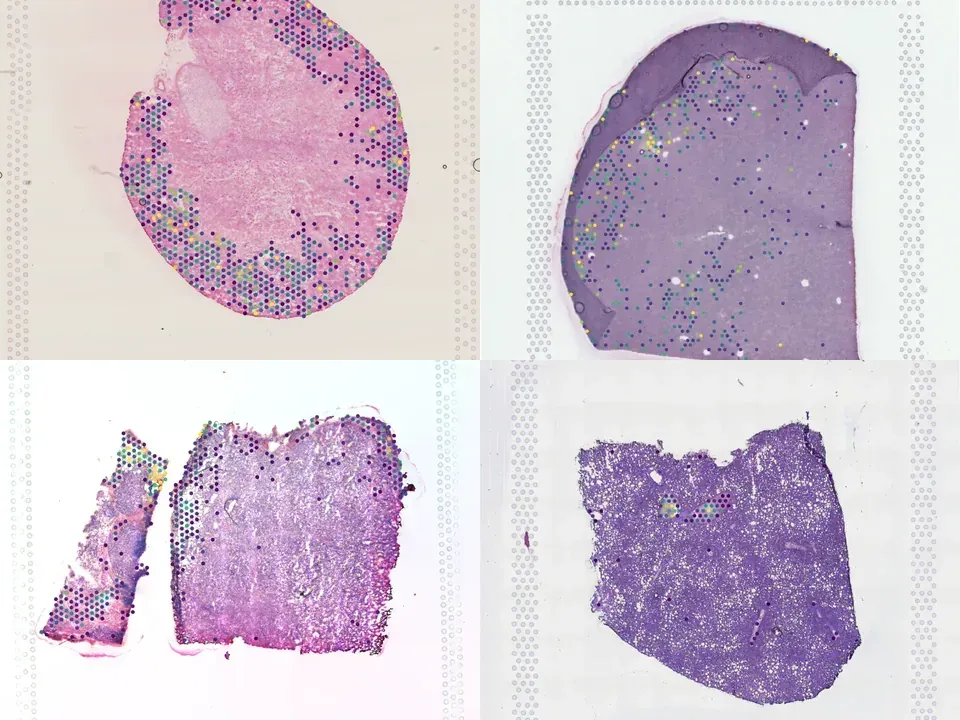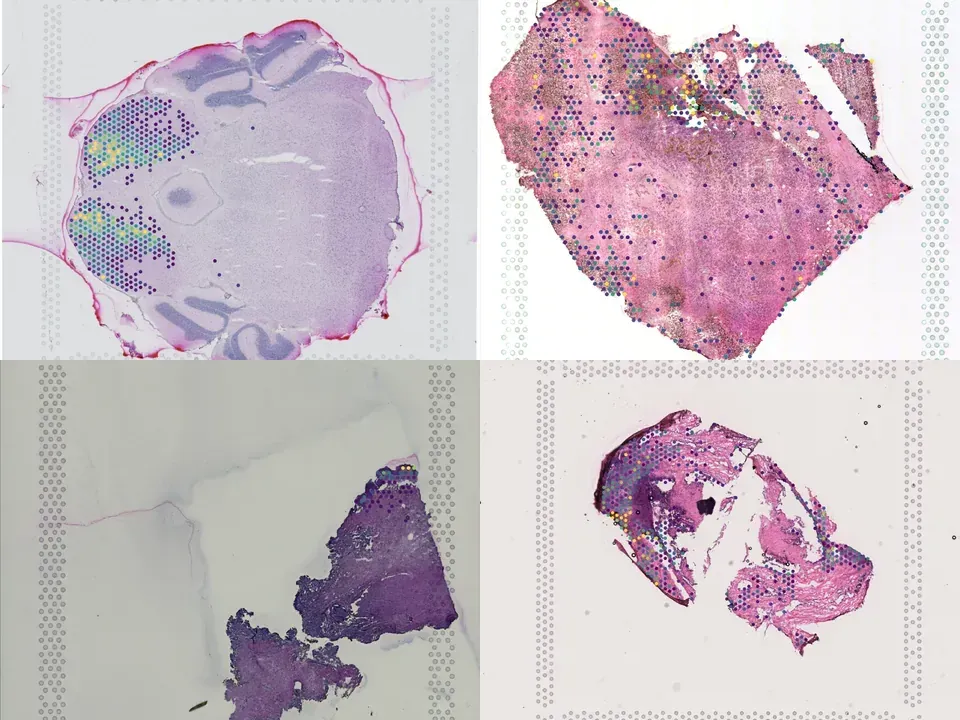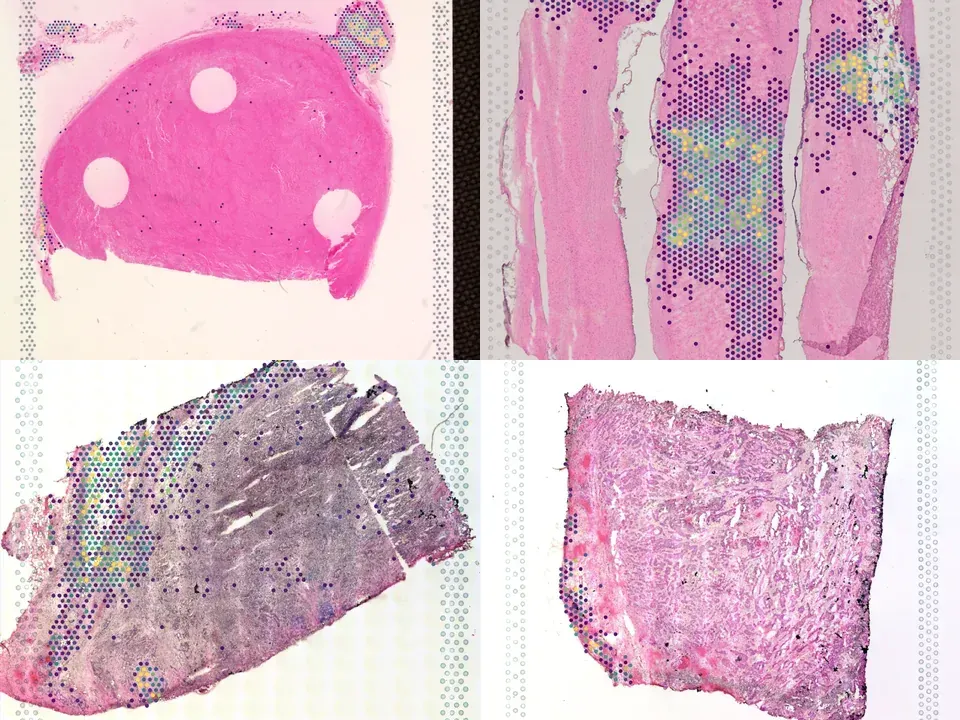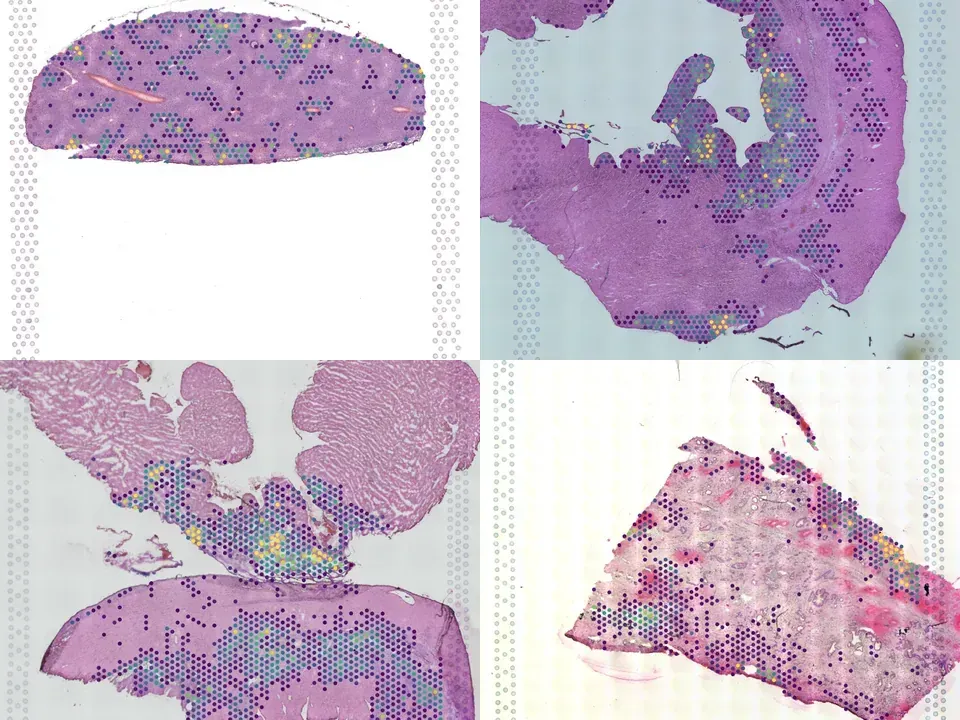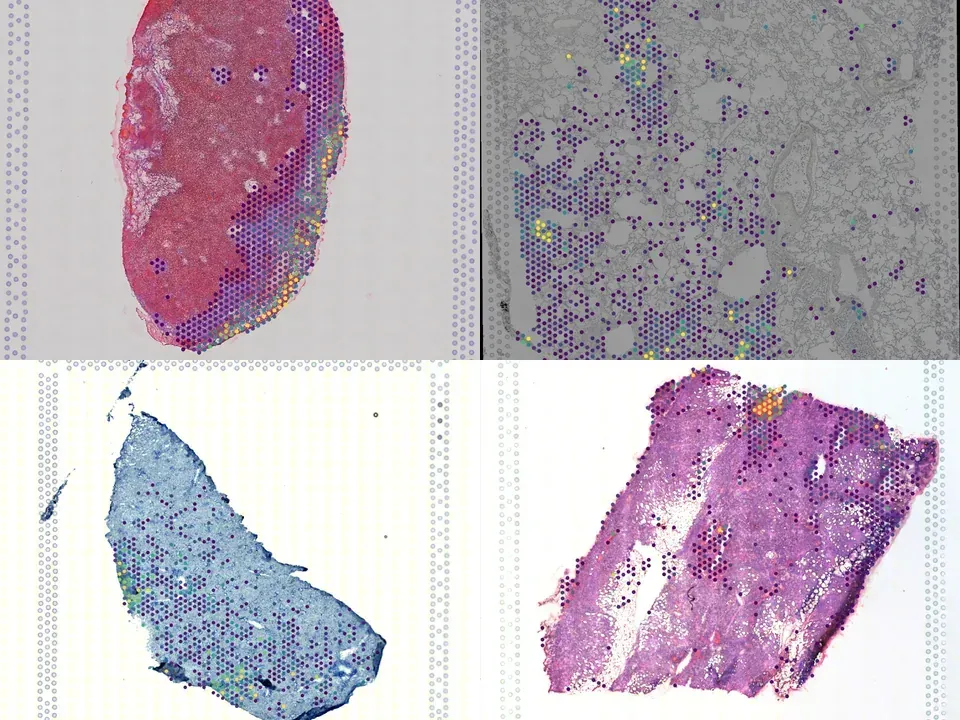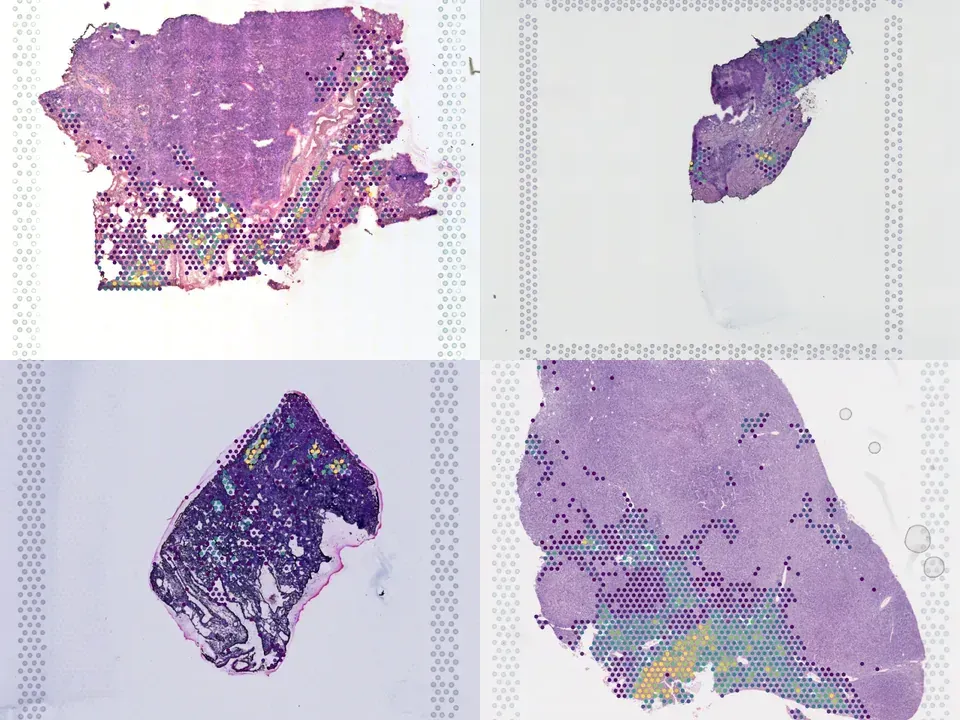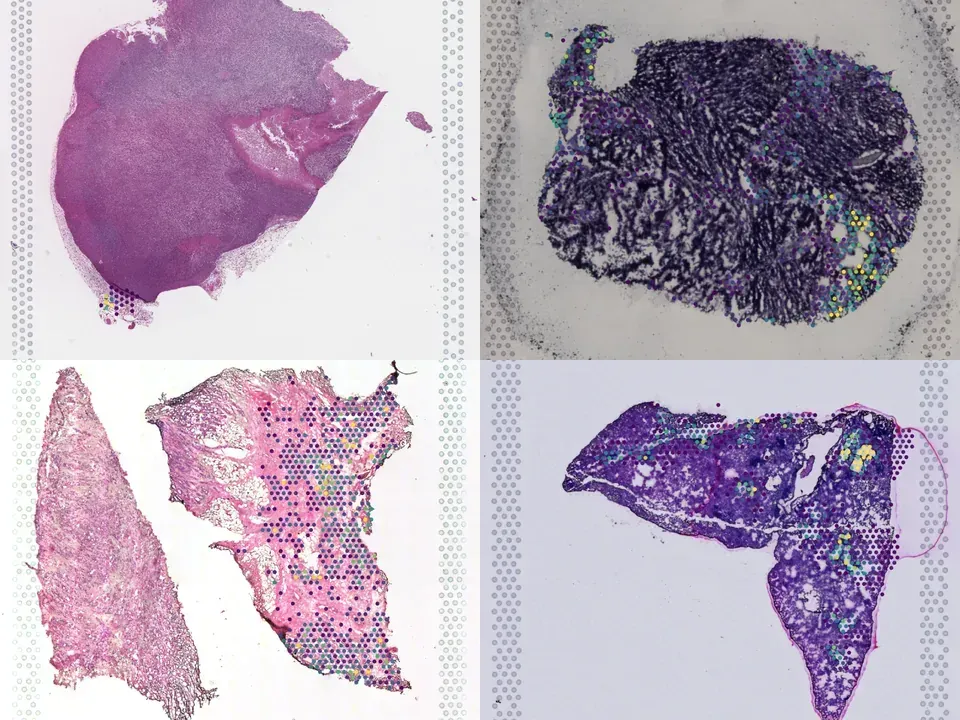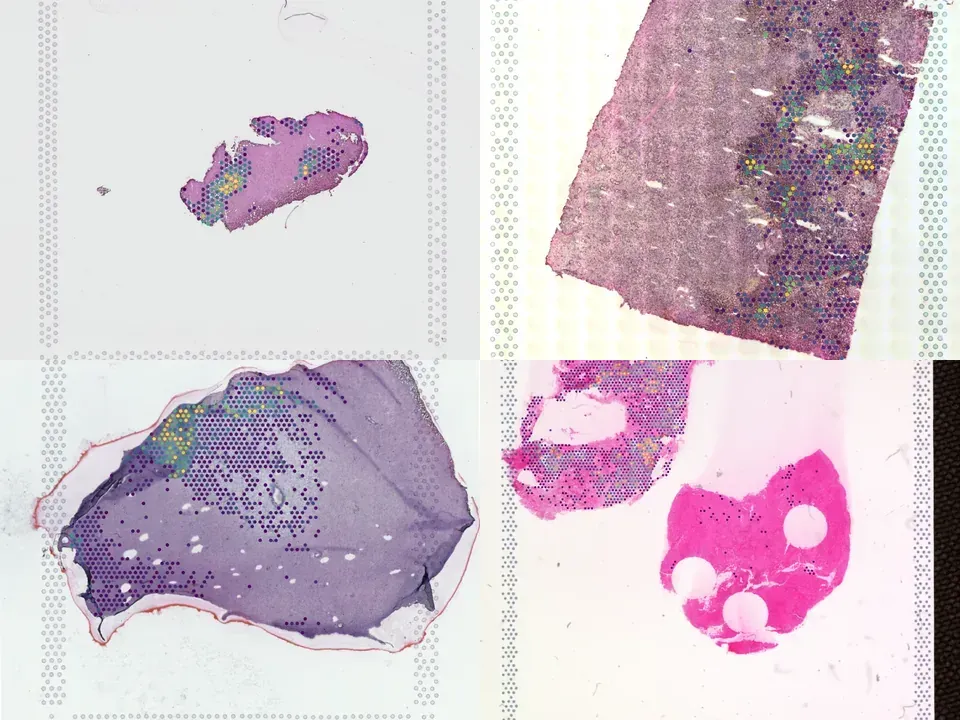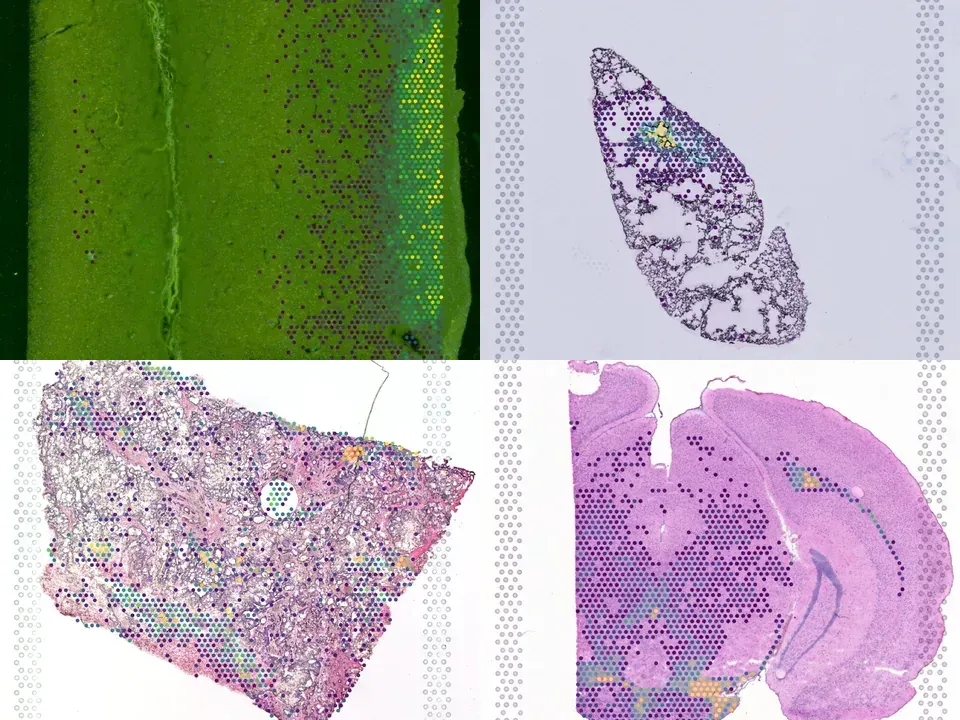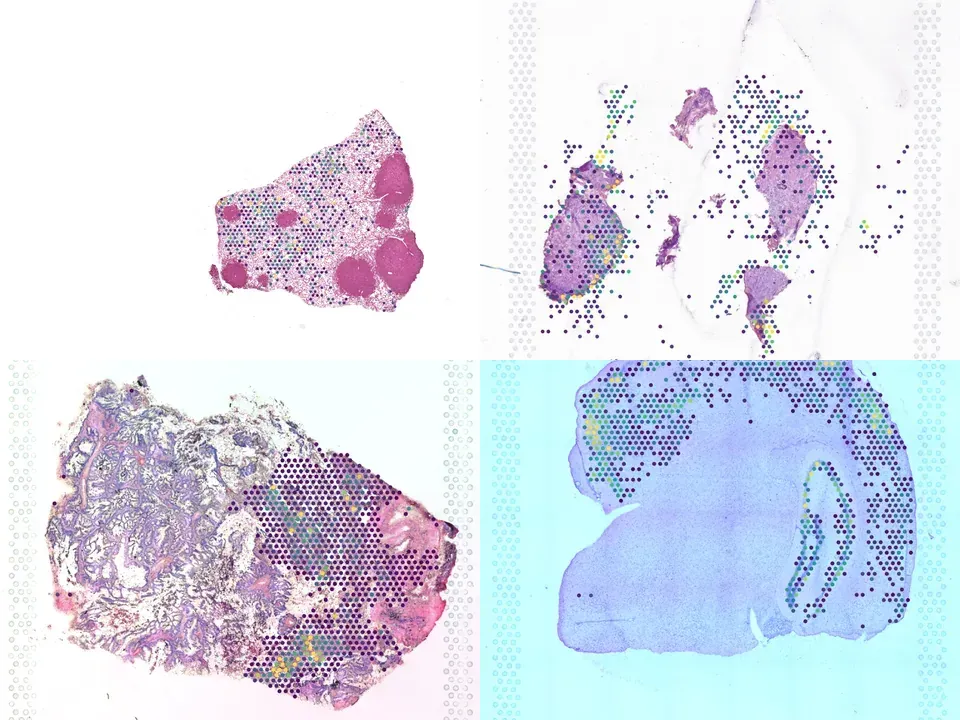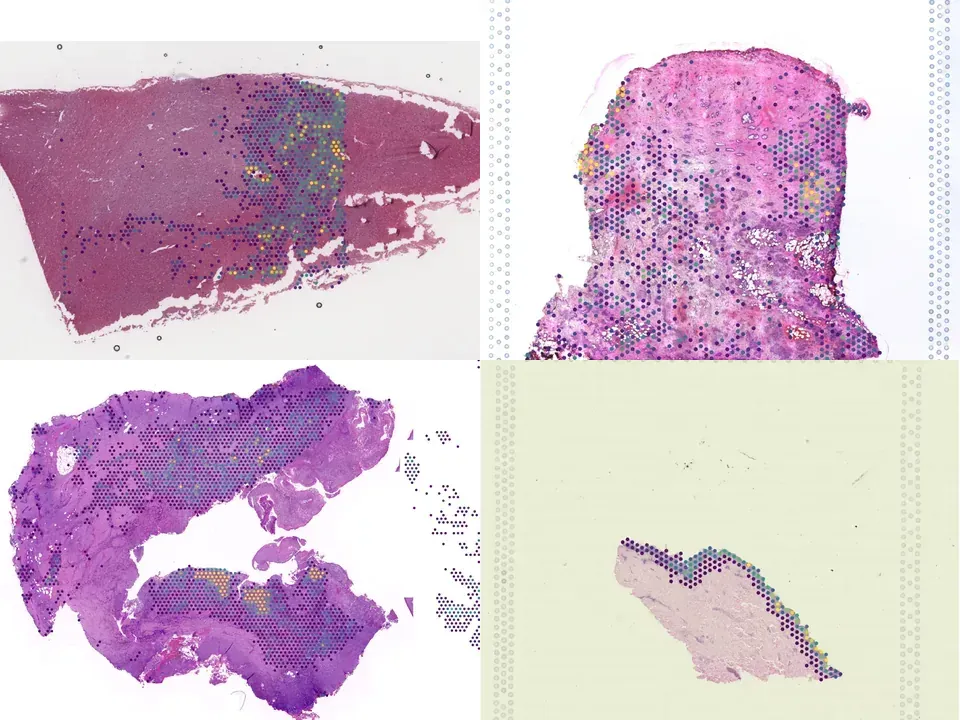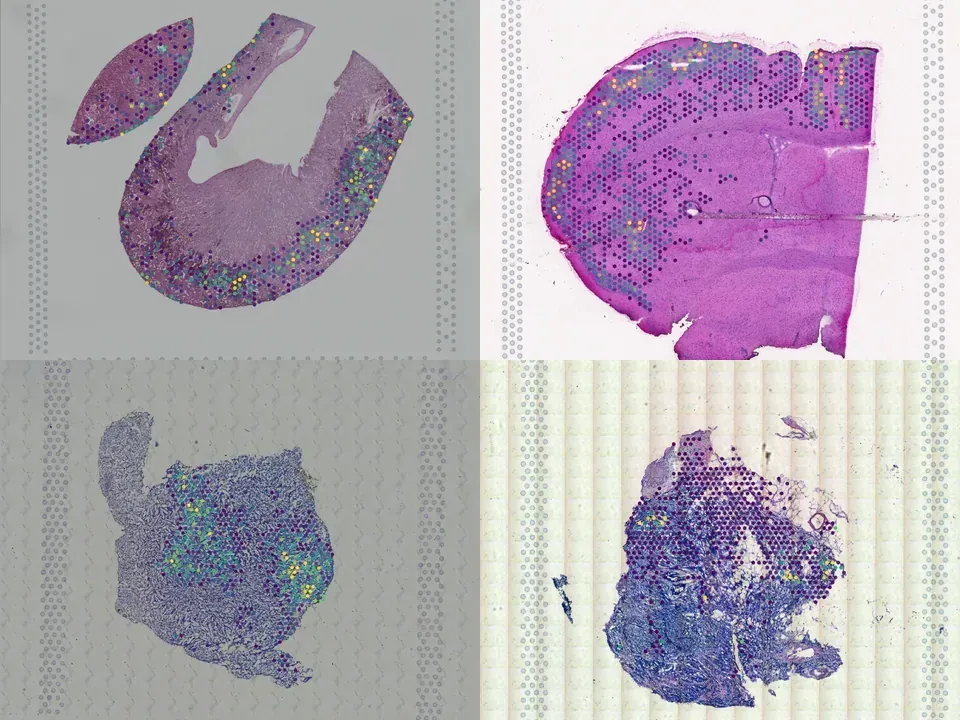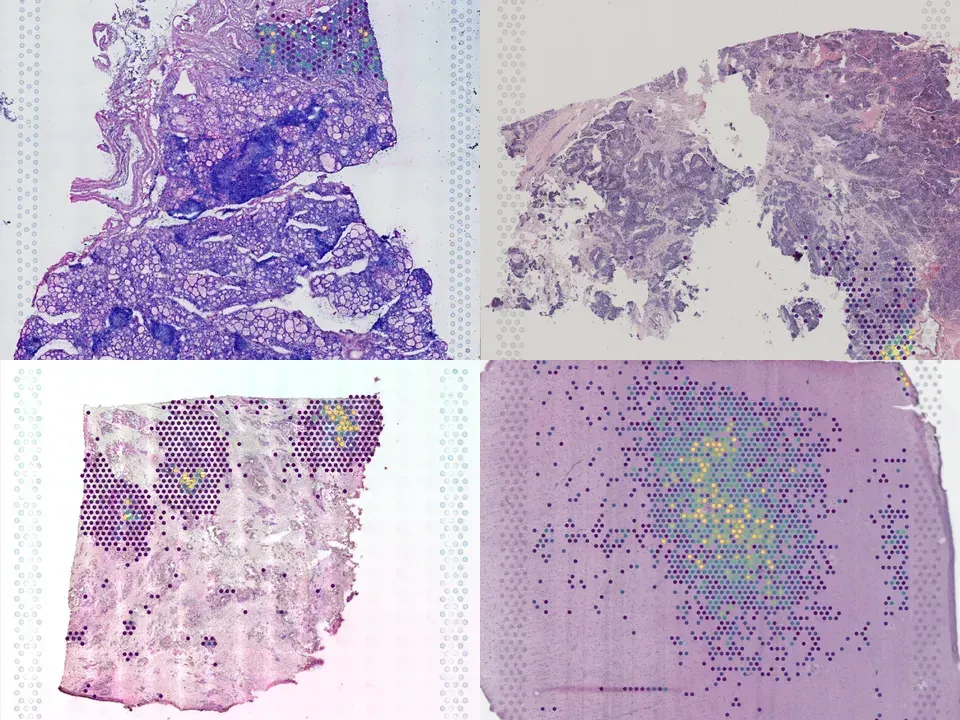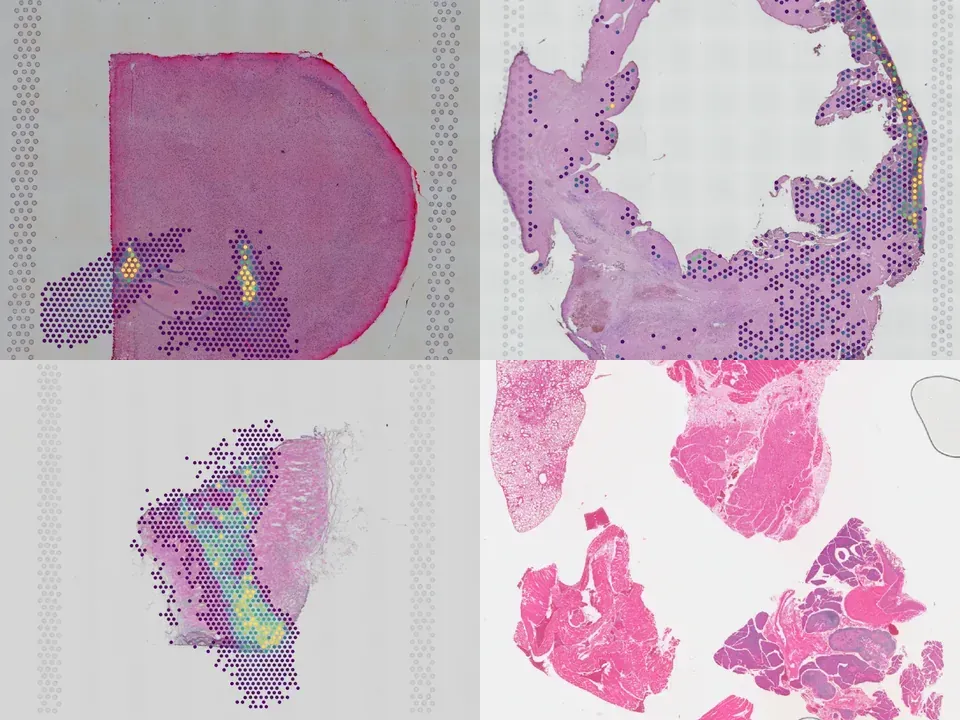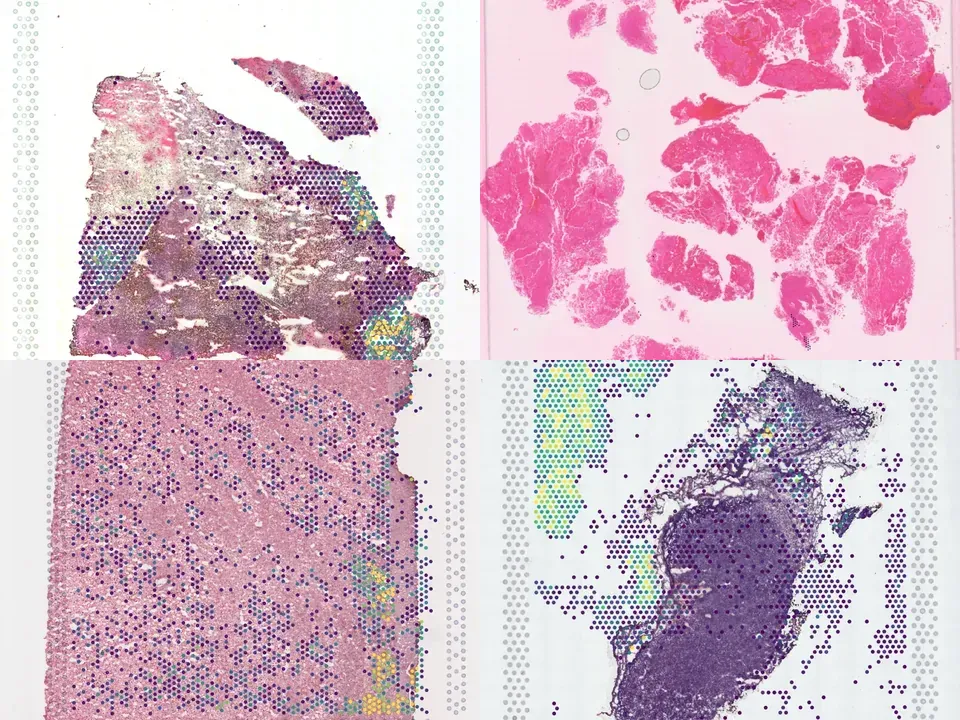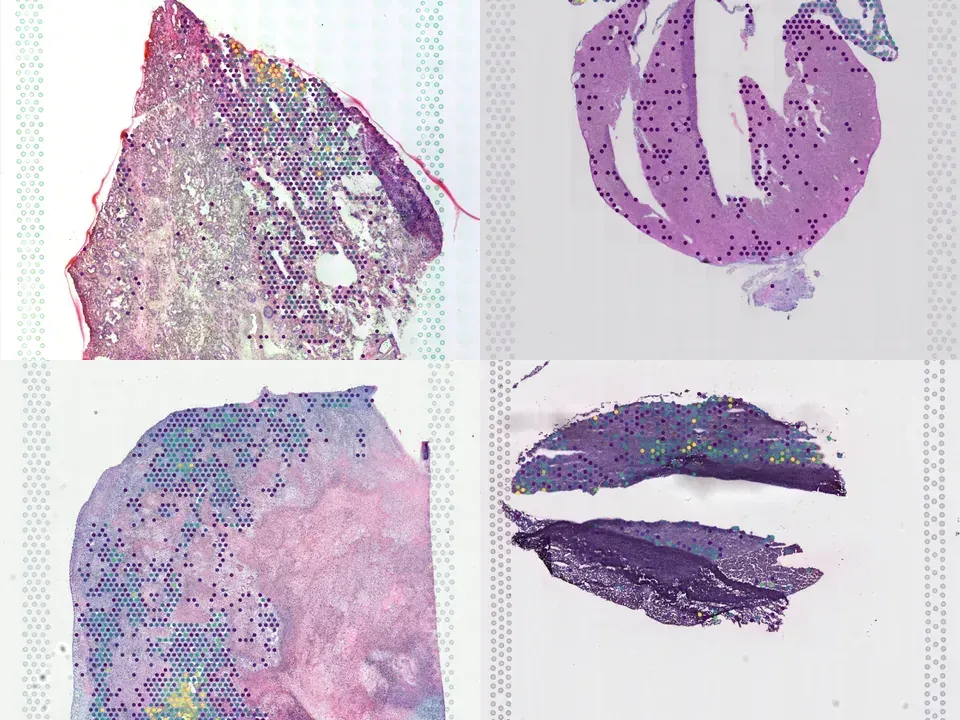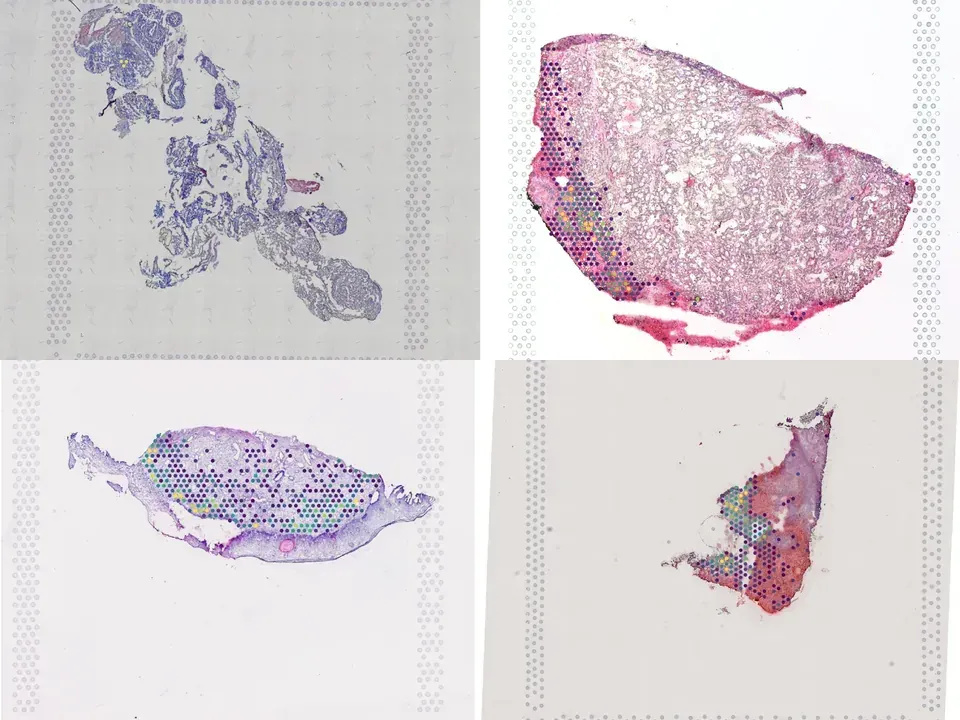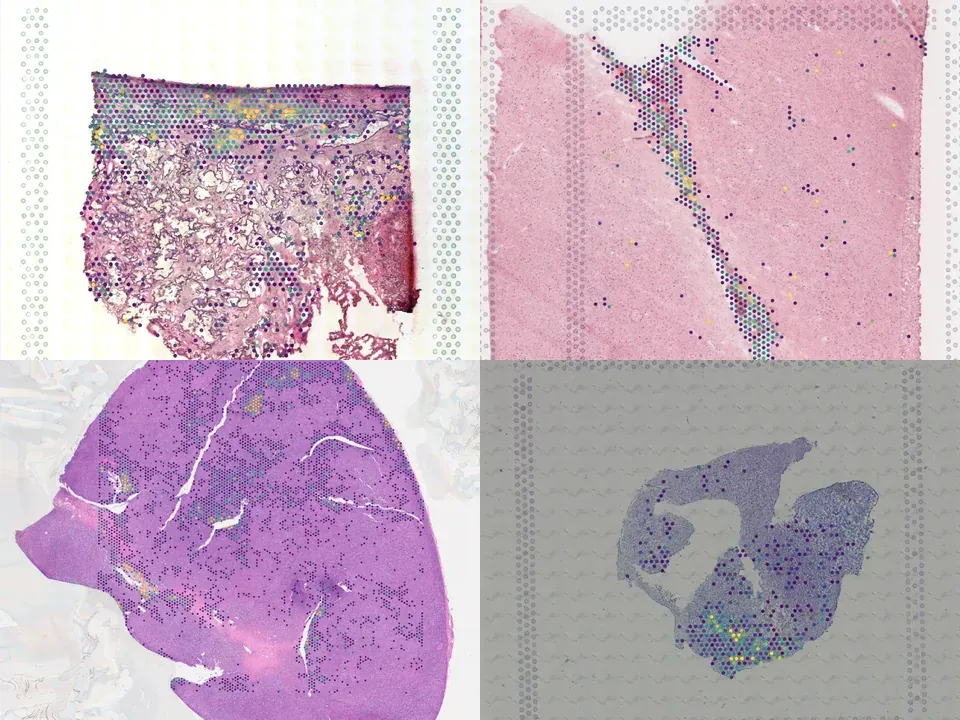
Spatial mapping of transcriptomic and lineage plasticity in metastatic pancreatic cancer
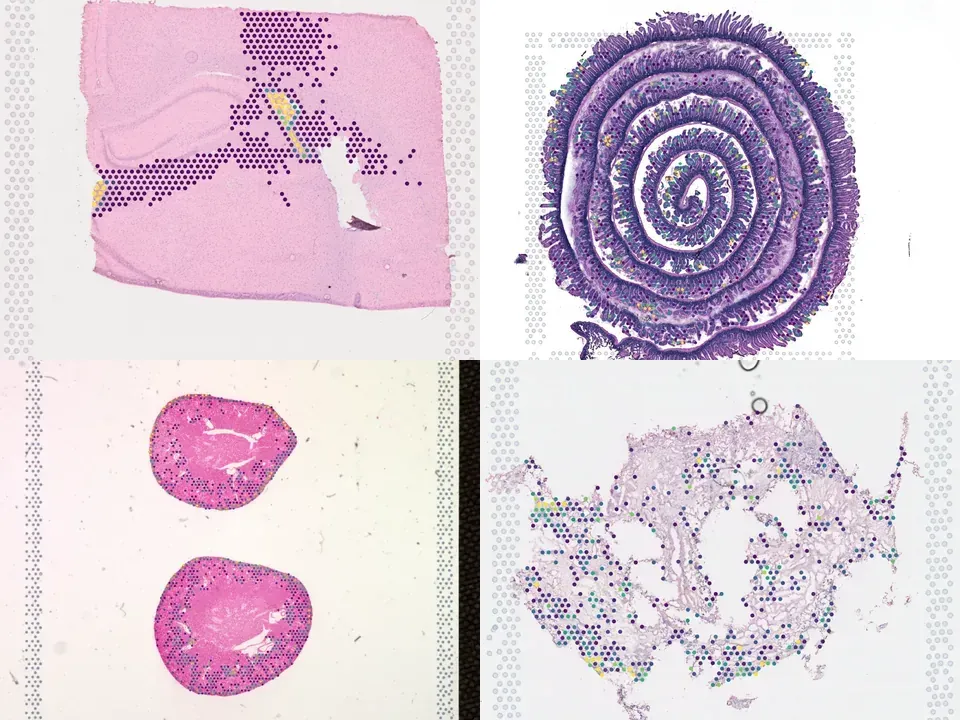
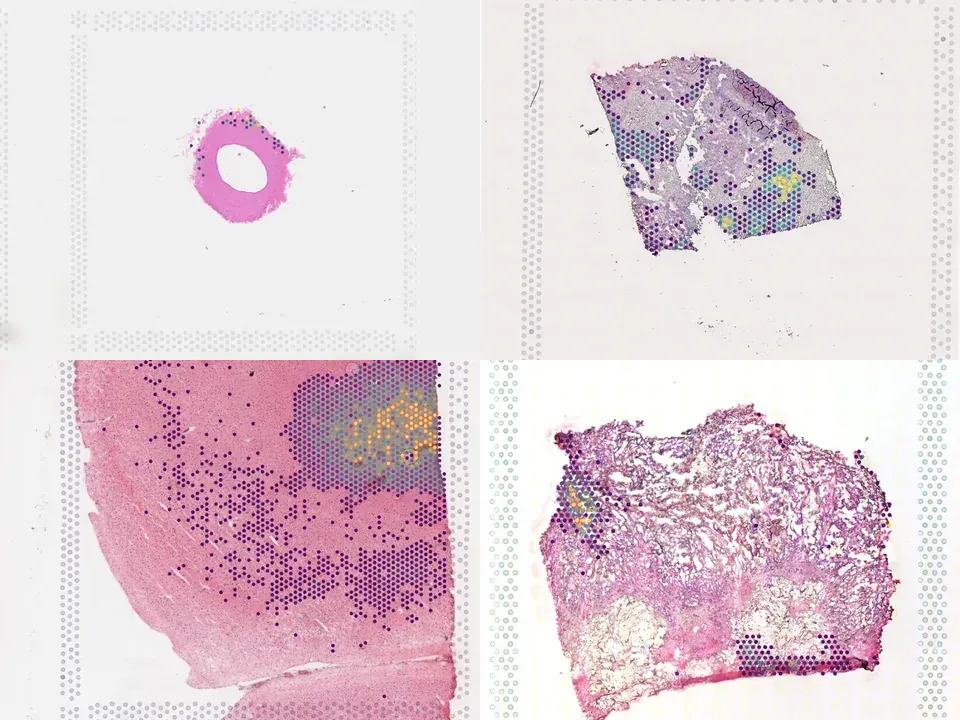
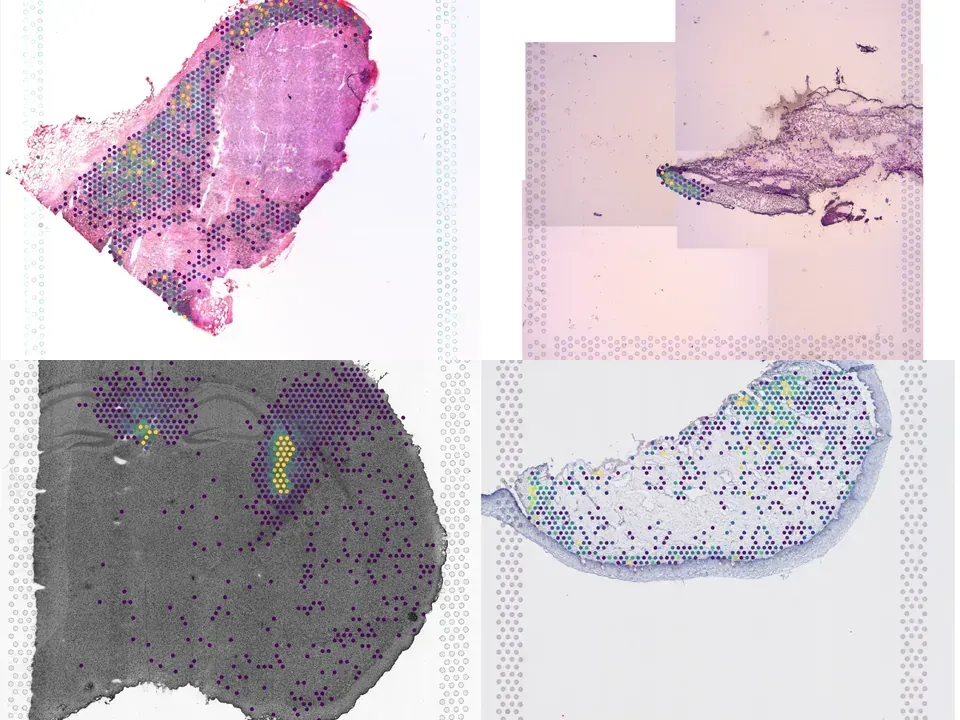
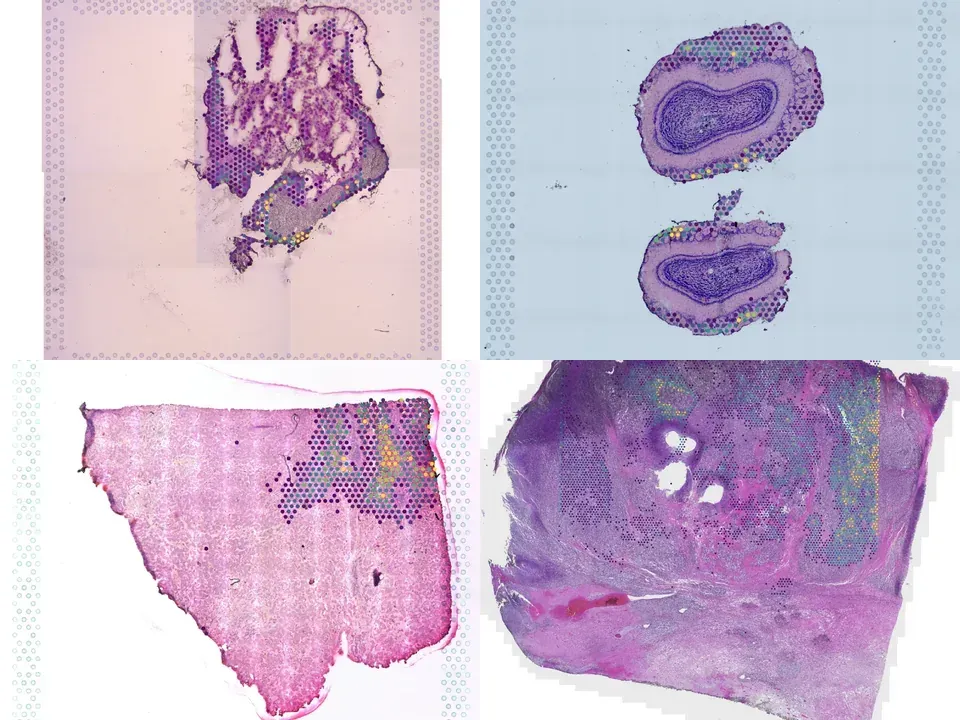
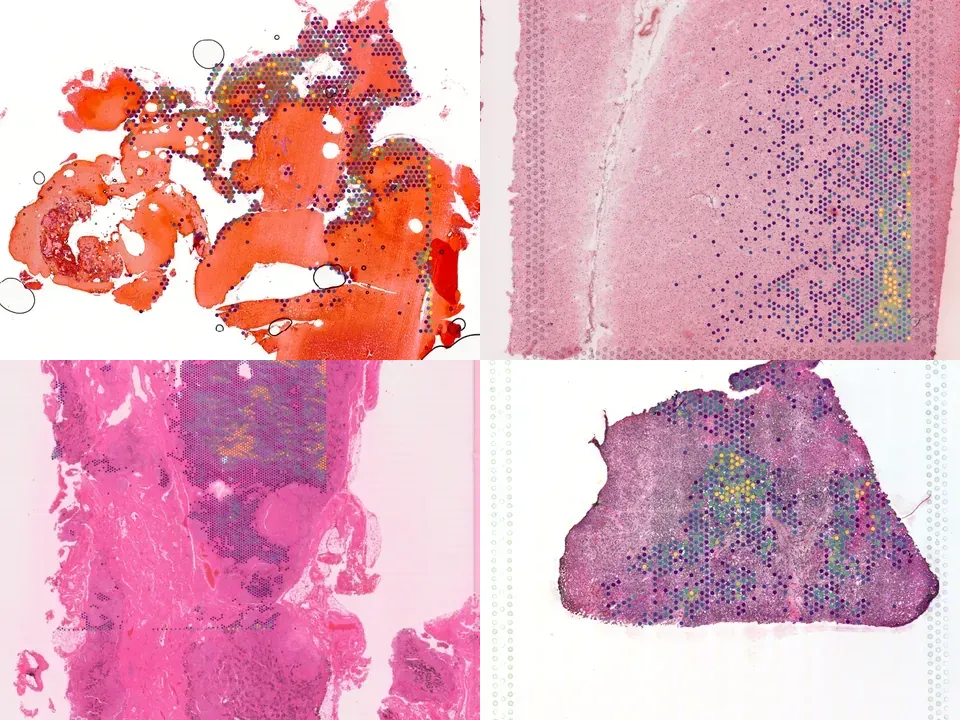
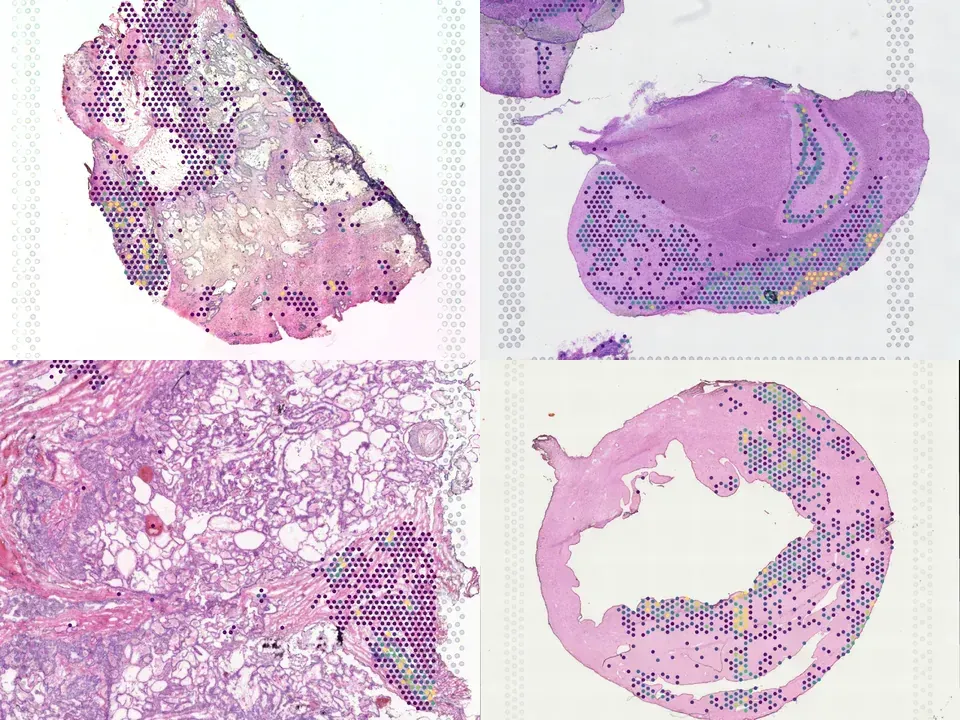
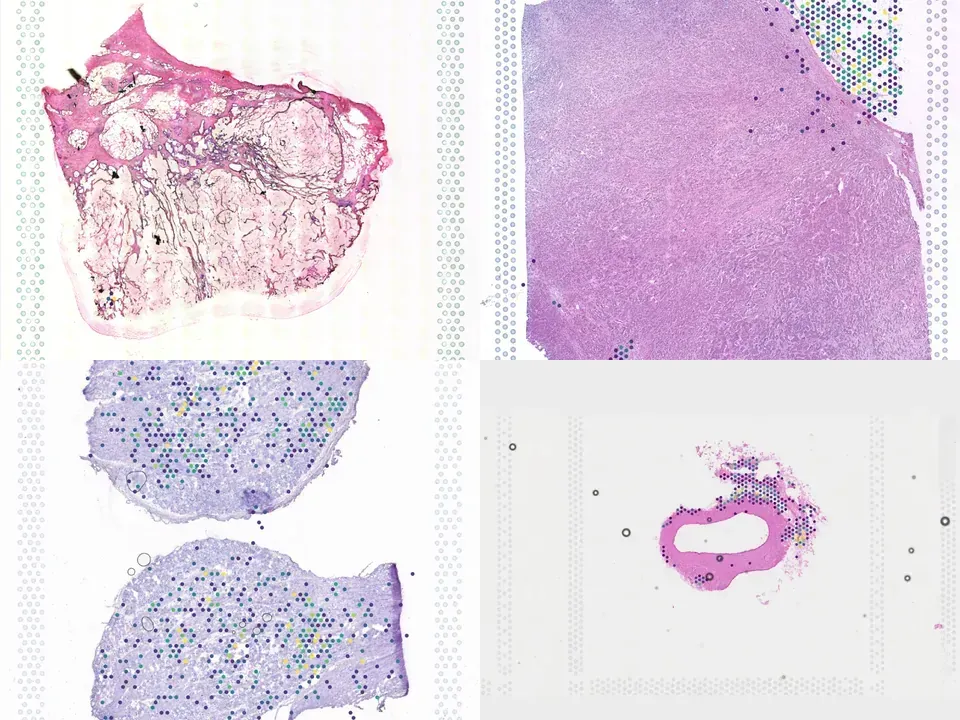
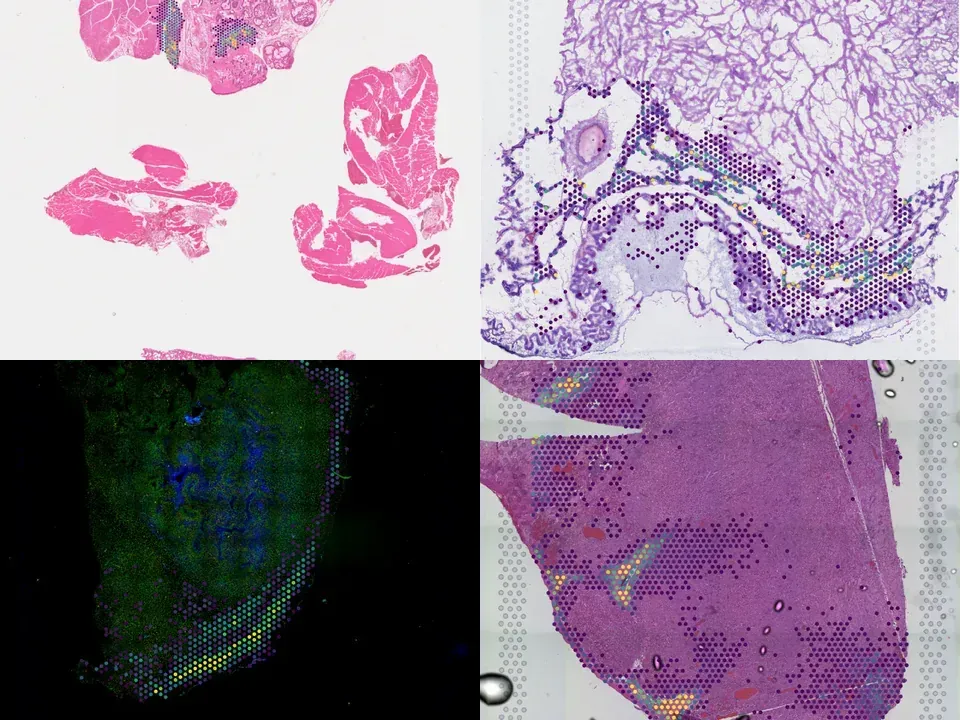
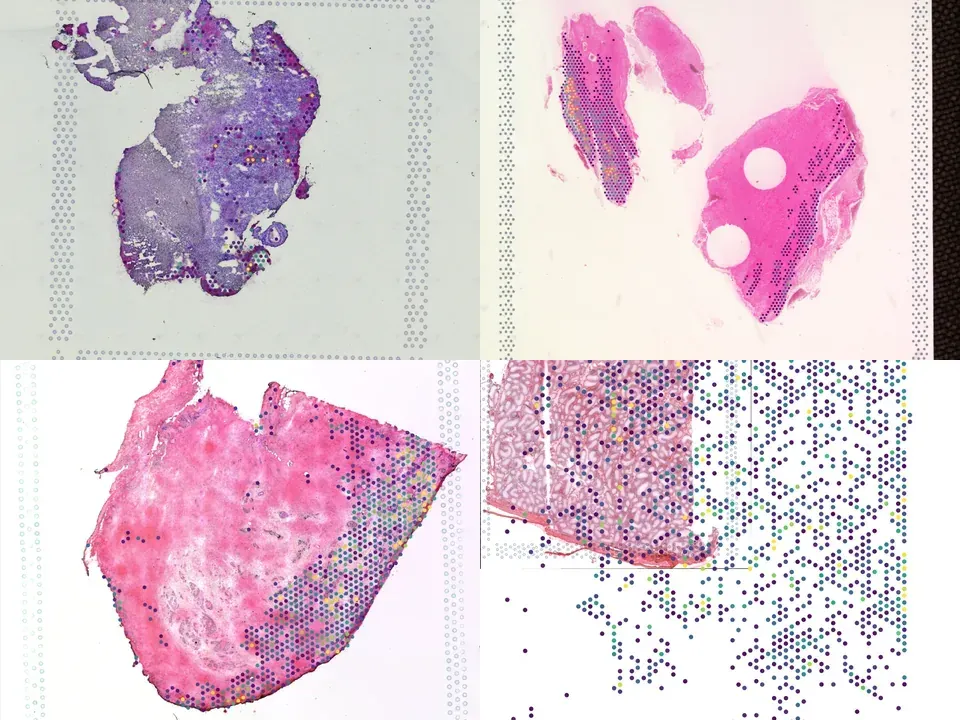
Patients with treatment-refractory pancreatic cancer often succumb to widespread systemic metastases; however, the transcriptomic heterogeneity that underlies recalcitrance to therapy remains understudied, particularly in the spatial context. We constructed high-resolution spatial maps of transcriptional heterogeneity, clonal architecture and lineage plasticity using spatially resolved transcriptomics from 55 individual samples of primary tumour, liver, lung, and peritoneal metastases, collected from 13 patients via a rapid ("warm") autopsy program. Additionally, we validated the lineage composition and spatial distribution using patient-derived xenograft (PDX) models generated from the primary tumours of two patients.
from sddb import Catalog
cohort = Catalog().collection("geo-gse274557")
cohort.members # the 57 datasets as a table
print(cohort.licenses()) # check the terms before you download
sdatas = cohort.to_dict() # {uid: SpatialData}, cached locally
# or keep the .zarr files in a folder of your choice:
# sdatas = cohort.to_dict(dest="data/") Needs pip install lamindb and network access to the Lamin database, which is limited during the alpha. If it fails, use the Client tab.
import lamindb as ln
db = ln.DB("scverse/spatialdata-db")
coll = db.Collection.get(key="geo-gse274557")
coll.ordered_artifacts.to_dataframe() # the 57 members, ordered
# download every member .zarr to the local cache:
paths = [a.cache() for a in coll.ordered_artifacts.all()] # sddb client: download every member .zarr into data/
sddb-cli download --collection geo-gse274557 --dest data/ Licenses: 57 NCBI GEO policy
Cite this collection
No linked publication found — please cite the data source.