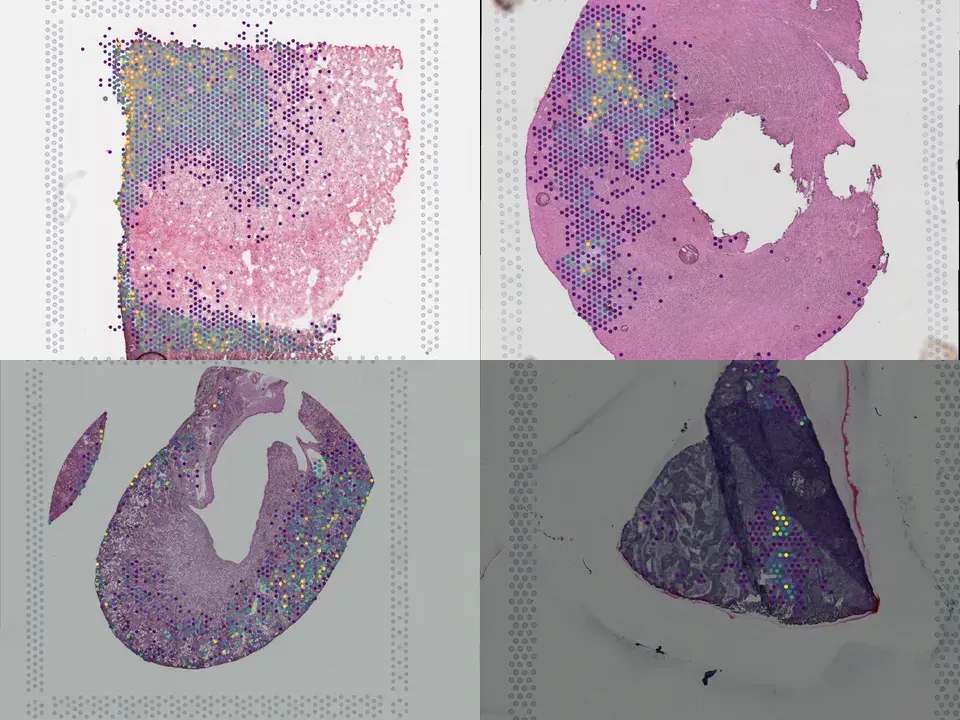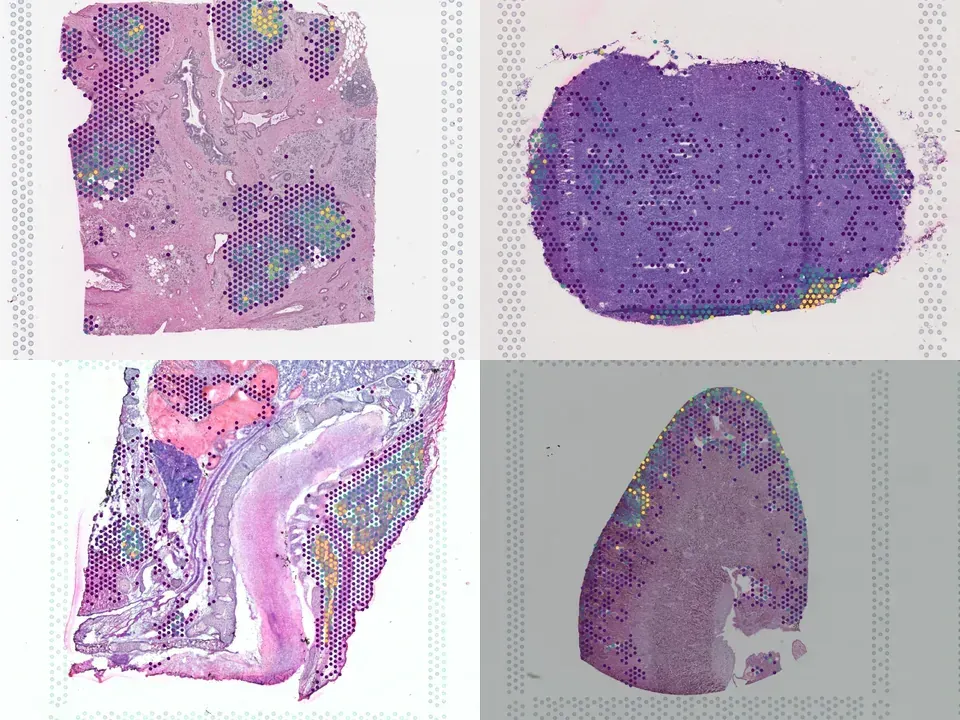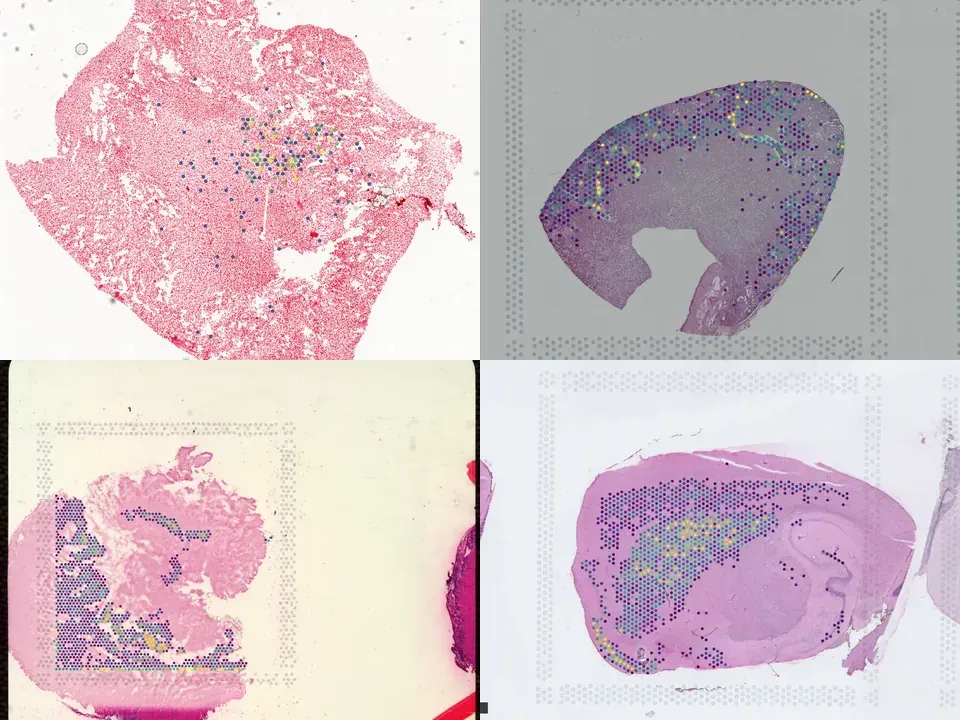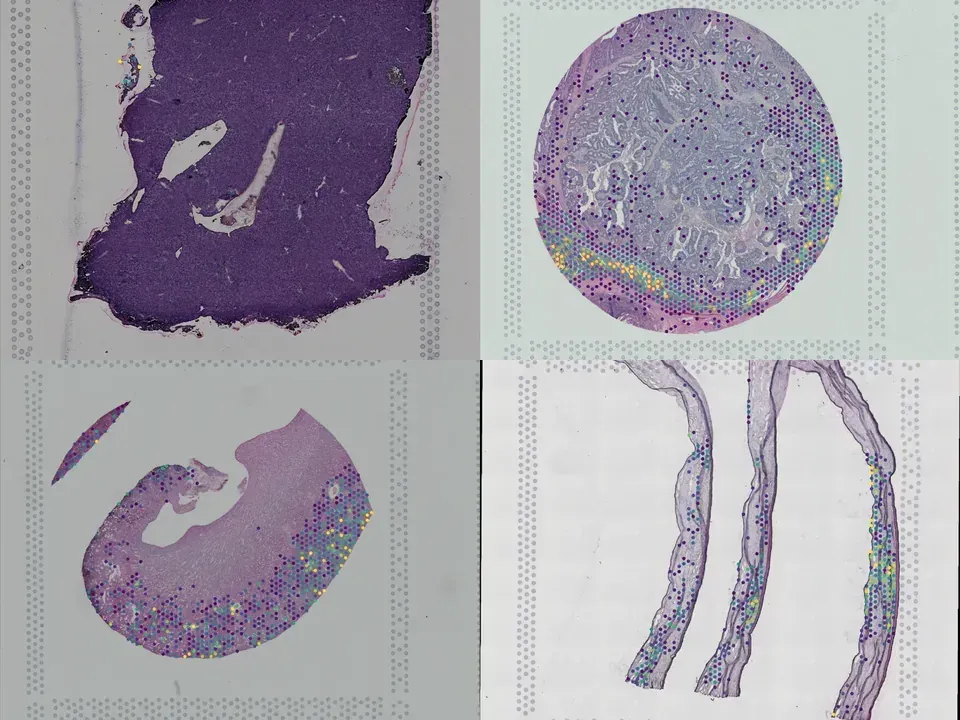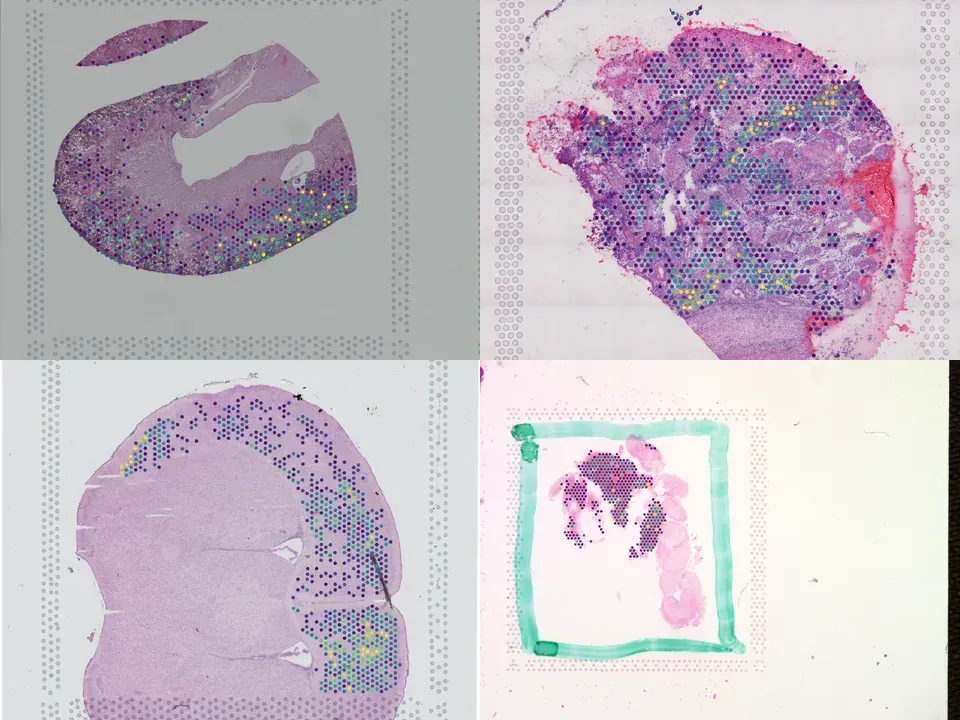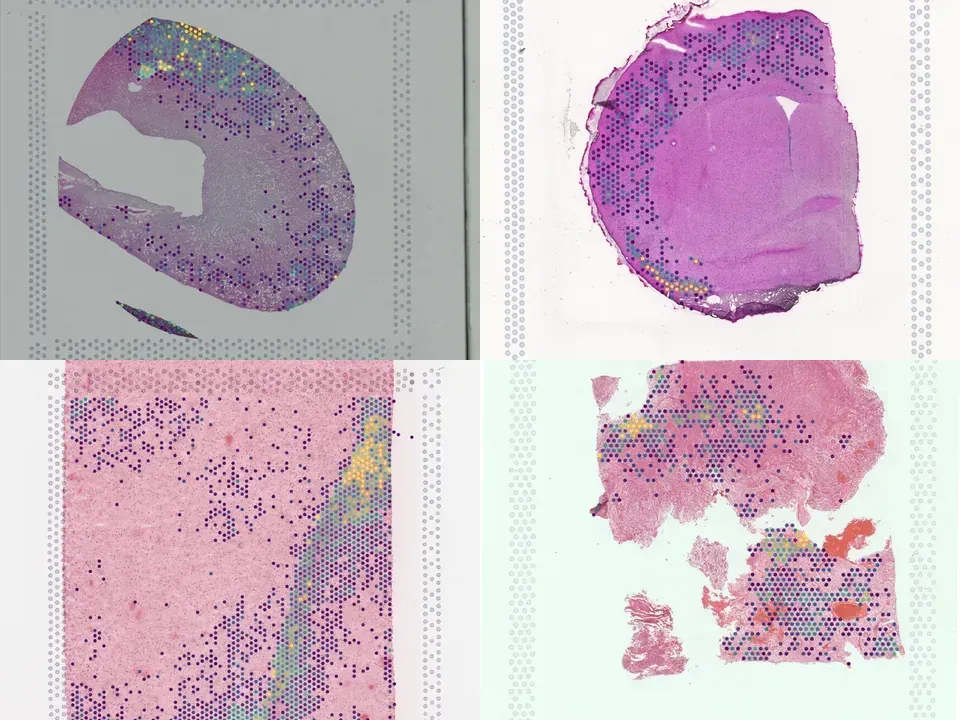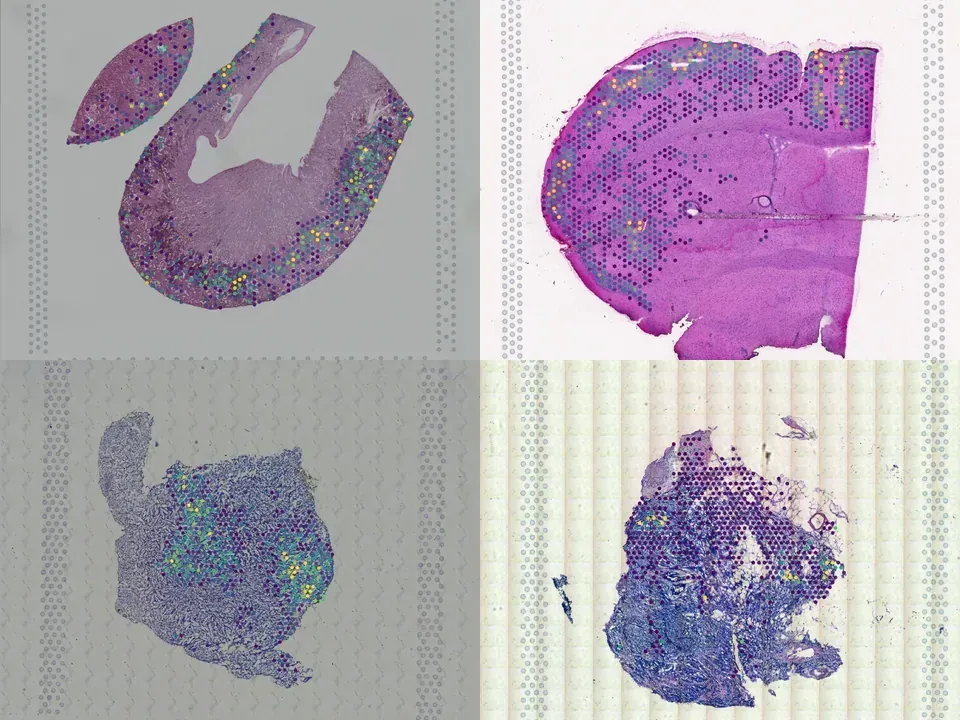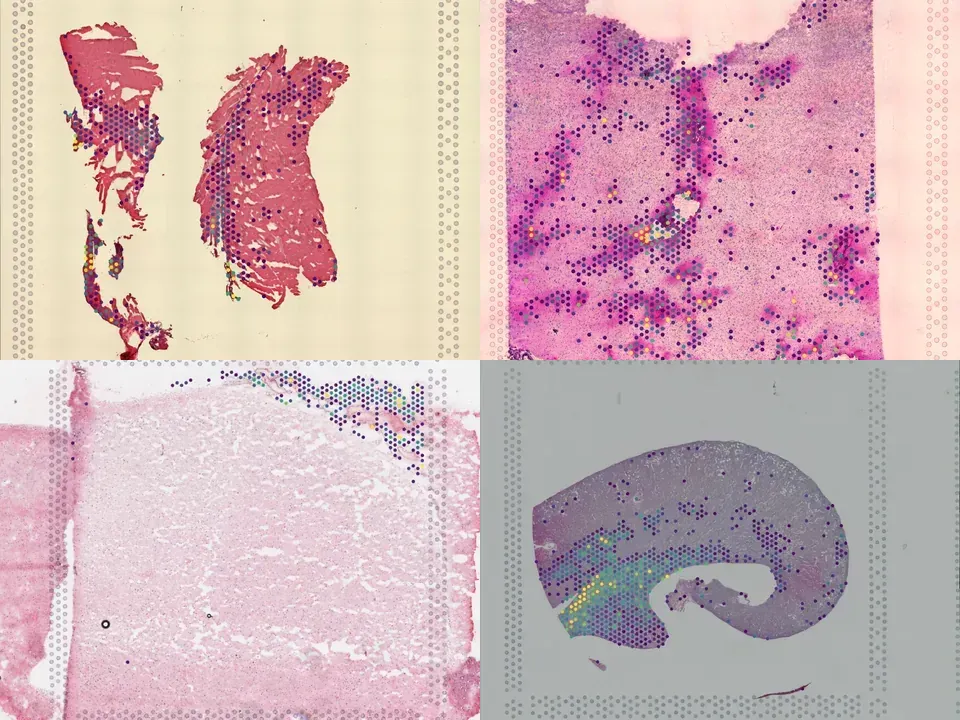
CH6824025, potent and selective DDR1 inhibitor, reduces kidney fibrosis in UUO mice
Discoidin domain receptor 1 (DDR1) is a collagen receptor with tyrosine kinase activity, and its expression is enhanced in various disease conditions. Although previous research suggests that DDR1 contributes to renal disease progression, DDR1 inhibitors for renal fibrosis have yet to be developed. In this study, we used unilateral ureteral obstruction (UUO) mice to investigate whether CH6824025, a strong and selective DDR1 phosphorylation inhibitor, can improve renal fibrosis. Furthermore, to analyze its action in detail, we performed 10x Visium spatial transcriptomics (ST) analysis on the kidney. Orally administered CH6824025 suppressed the phosphorylation of DDR1 in renal tissue, and the amount of hydroxyproline, the Sirius red-positive area, and the mRNA expression of fibrosis and inflammation-related genes in the kidney were significantly decreased. 10x Visium ST analysis suggested that DDR1 is mainly expressed in distal nephrons under normal conditions, but that its expression appears to increase in the injured proximal tubules in UUO mice. Comparing mRNA expression in DDR1 positive spots in the vehicle and the CH6824025 administration group, oxidative phosphorylation and mitochondrial dysfunction were improved, and pathways involved in fibrosis inhibited in the CH6824025 administration group. Downstream analysis suggested that mRNA expression changes in the CH6824025 administration group contribute to the inhibition of cell movement. Taken together, our findings suggest that CH6824025 inhibited the migration of inflammatory cells to the injury site in UUO mice, reduced inflammation, and brought about the maintenance of cell homeostasis and inhibition of fibrosis. DDR1 inhibitors are expected to be a promising treatment for renal fibrosis.
from sddb import Catalog
cohort = Catalog().collection("geo-gse273978")
cohort.members # the 8 datasets as a table
print(cohort.licenses()) # check the terms before you download
sdatas = cohort.to_dict() # {uid: SpatialData}, cached locally
# or keep the .zarr files in a folder of your choice:
# sdatas = cohort.to_dict(dest="data/") Needs pip install lamindb and network access to the Lamin database, which is limited during the alpha. If it fails, use the Client tab.
import lamindb as ln
db = ln.DB("scverse/spatialdata-db")
coll = db.Collection.get(key="geo-gse273978")
coll.ordered_artifacts.to_dataframe() # the 8 members, ordered
# download every member .zarr to the local cache:
paths = [a.cache() for a in coll.ordered_artifacts.all()] # sddb client: download every member .zarr into data/
sddb-cli download --collection geo-gse273978 --dest data/ Licenses: 8 NCBI GEO policy
Cite this collection
doi.org/10.1124/jpet.124.002330 ↗@article{Yasui_2024,
title = {CH6824025, Potent and Selective Discoidin Domain Receptor 1 Inhibitor, Reduces Kidney Fibrosis in Unilateral Ureteral Obstruction Mice},
volume = {391},
ISSN = {0022-3565},
url = {http://dx.doi.org/10.1124/jpet.124.002330},
DOI = {10.1124/jpet.124.002330},
number = {3},
journal = {The Journal of Pharmacology and Experimental Therapeutics},
publisher = {Elsevier BV},
author = {Yasui, Yukari and Murata, Takeshi and Tsuboi, Yoshinori and Murai, Atsuko and Horiba, Naoshi},
year = {2024},
month = Dec,
pages = {450–459}
}