Collections / Spatial transcriptomics unveils novel potential disease mechanisms associated with the microenvironment in Multiple Myeloma
Spatial transcriptomics unveils novel potential disease mechanisms associated with the microenvironment in Multiple Myeloma
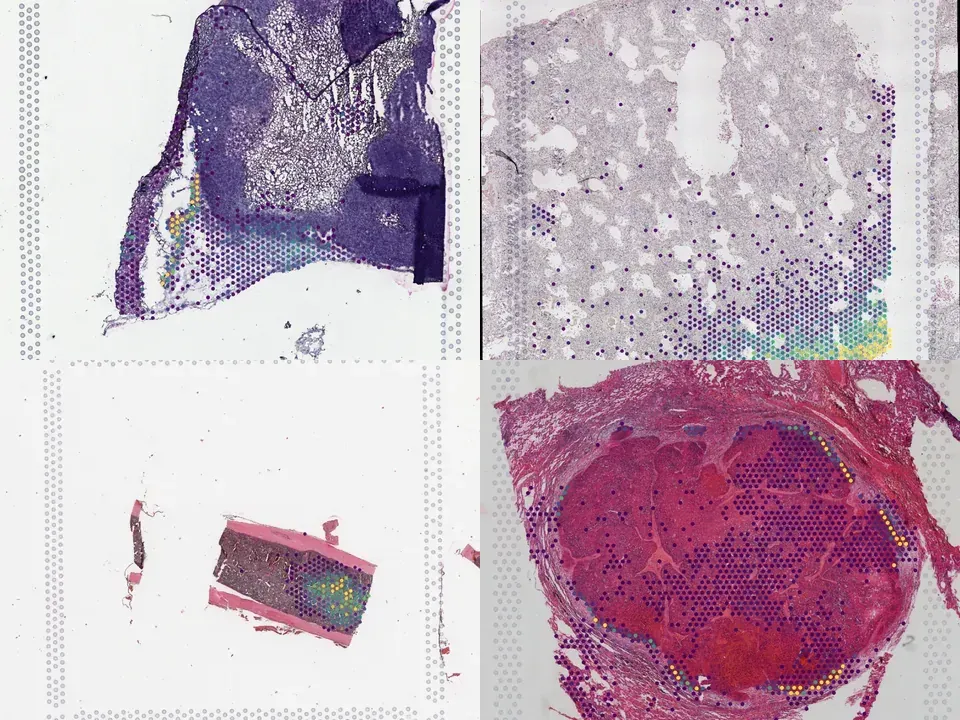
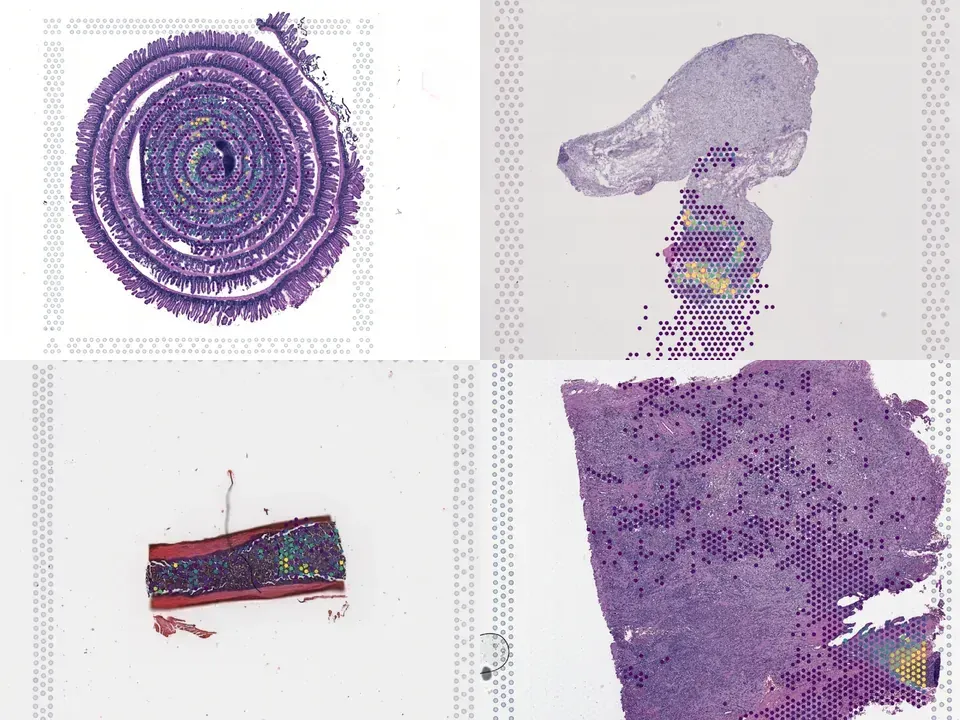
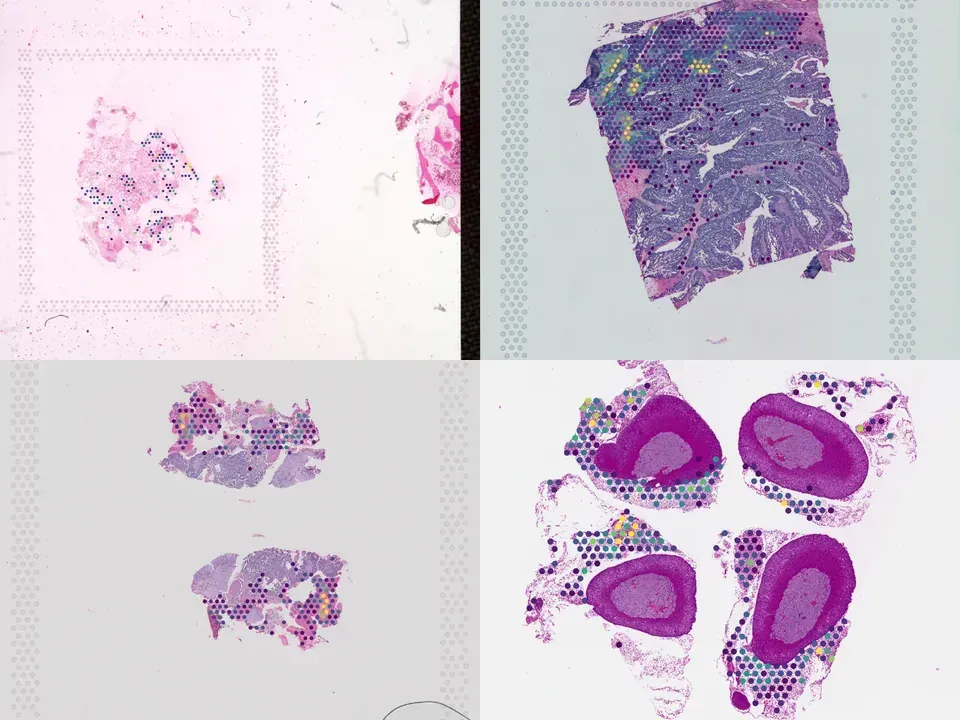
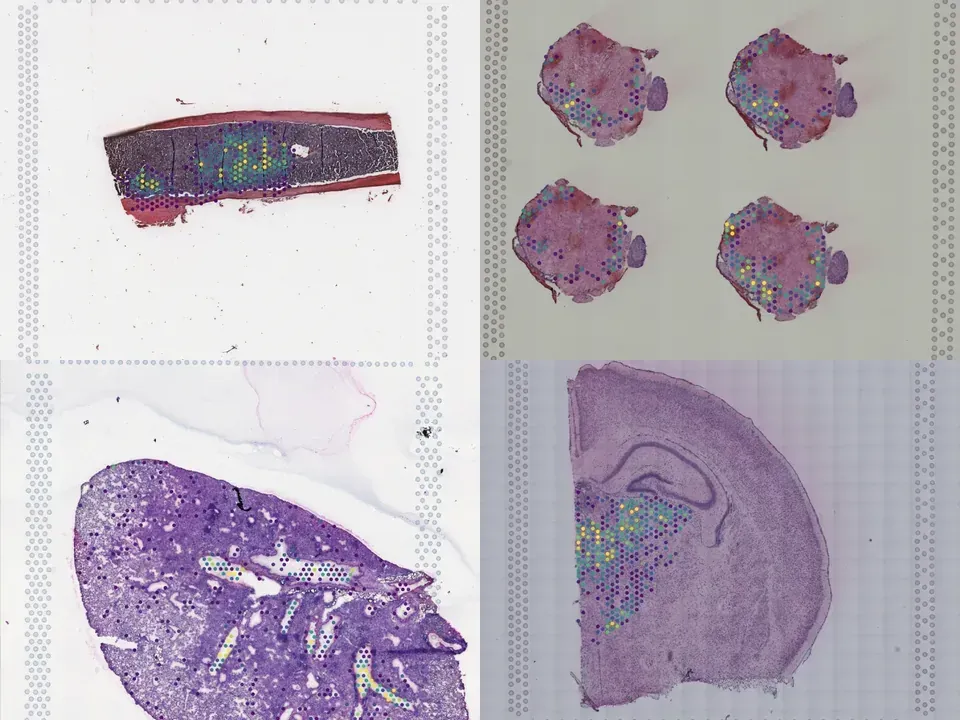
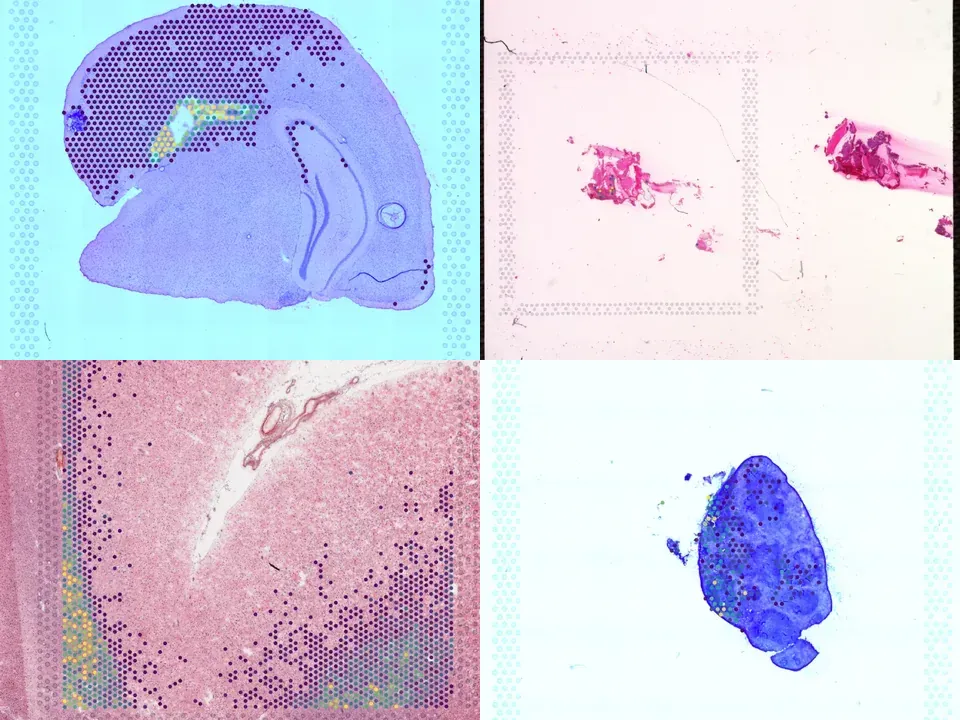
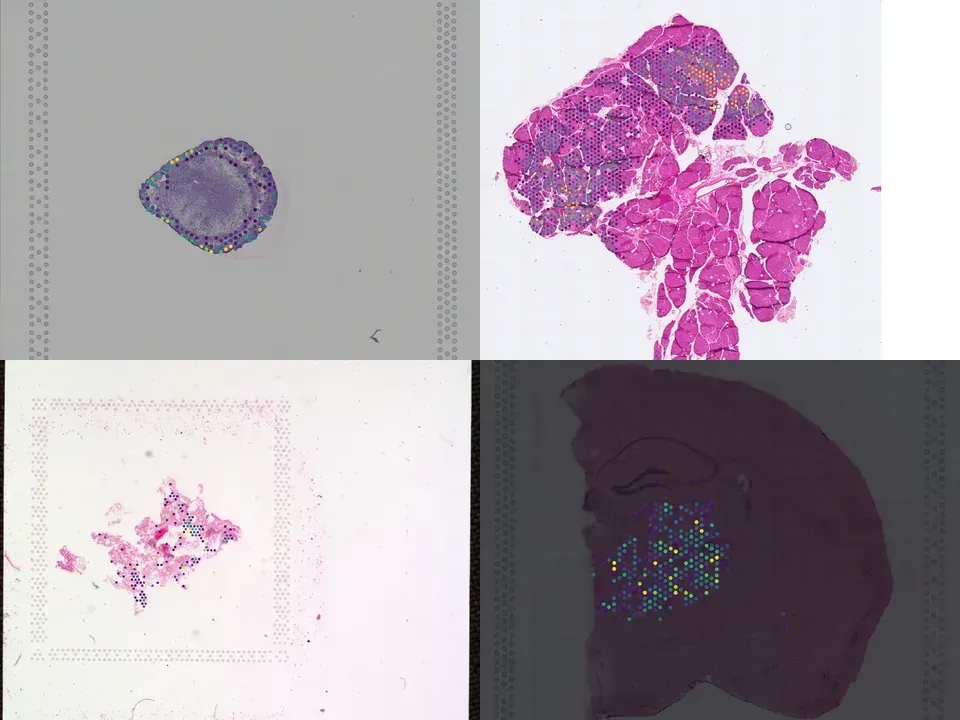
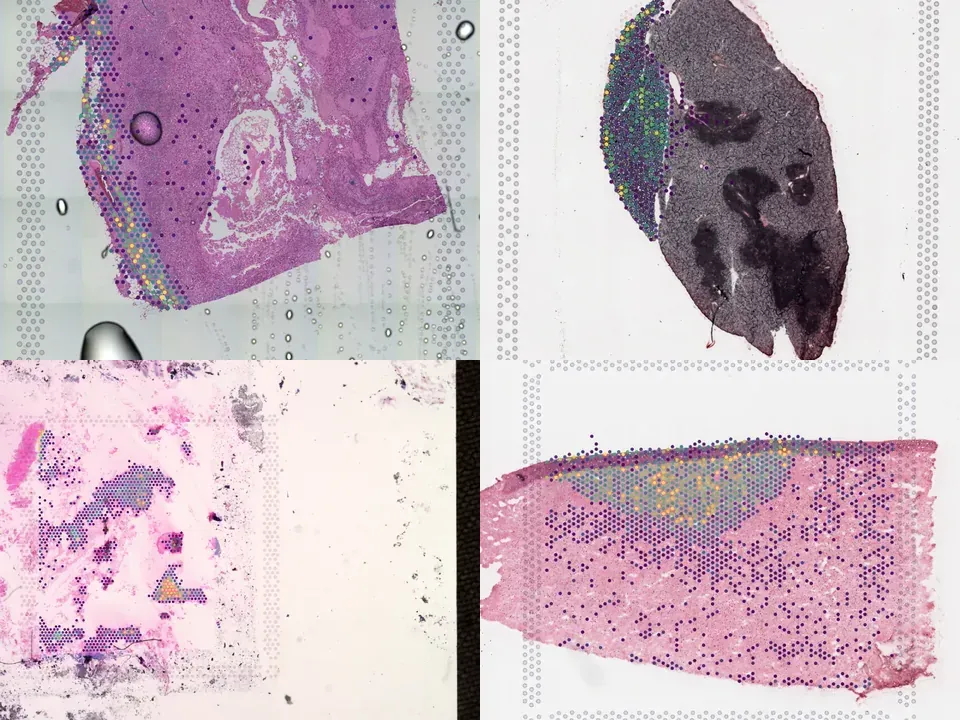
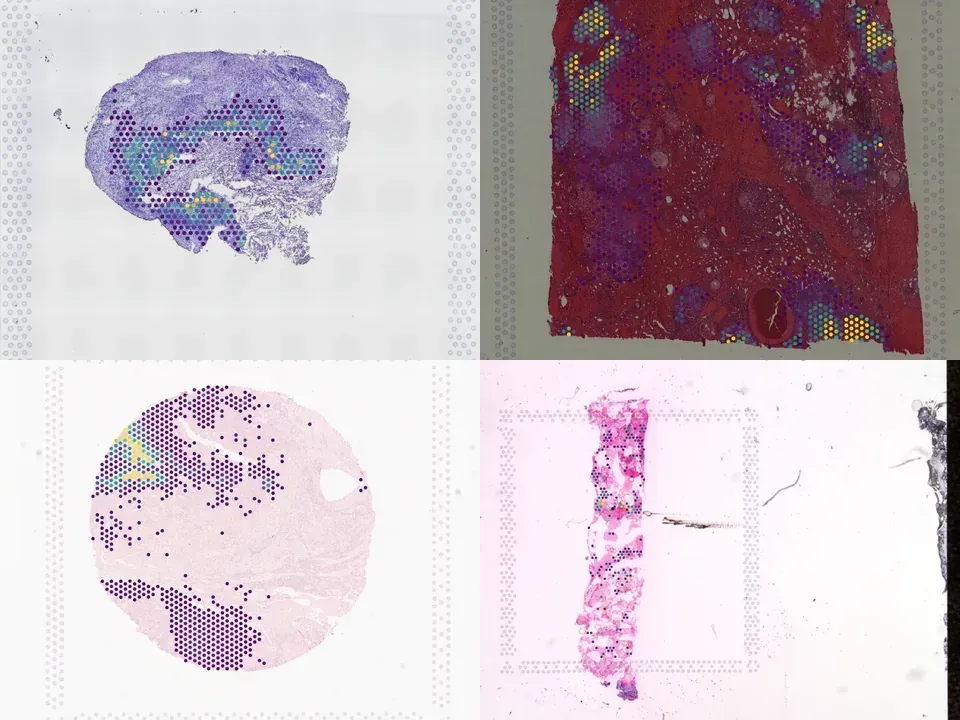
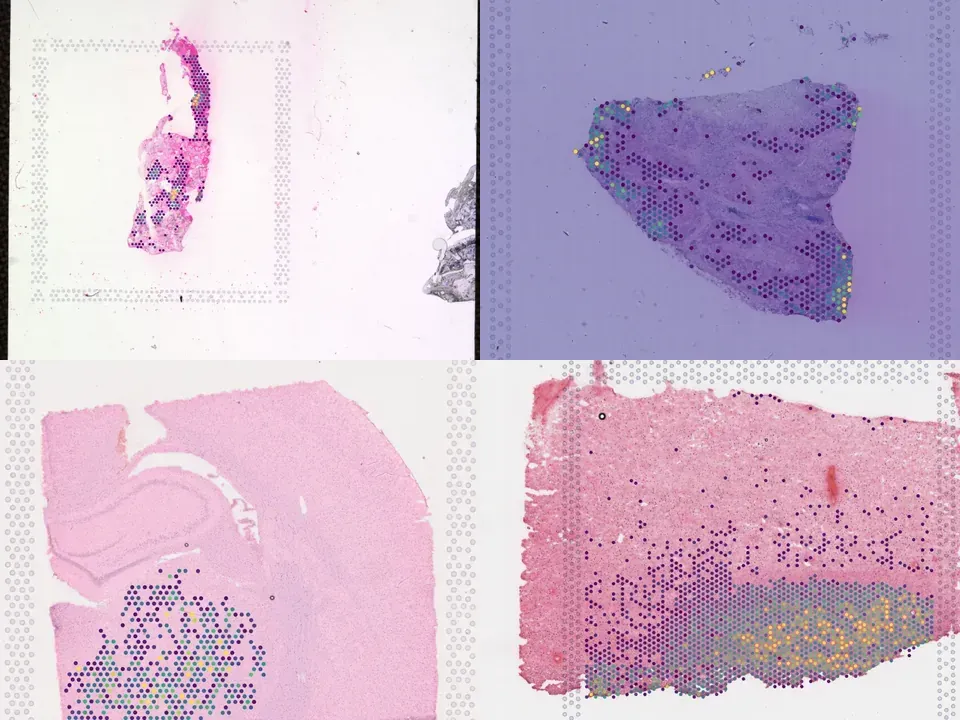
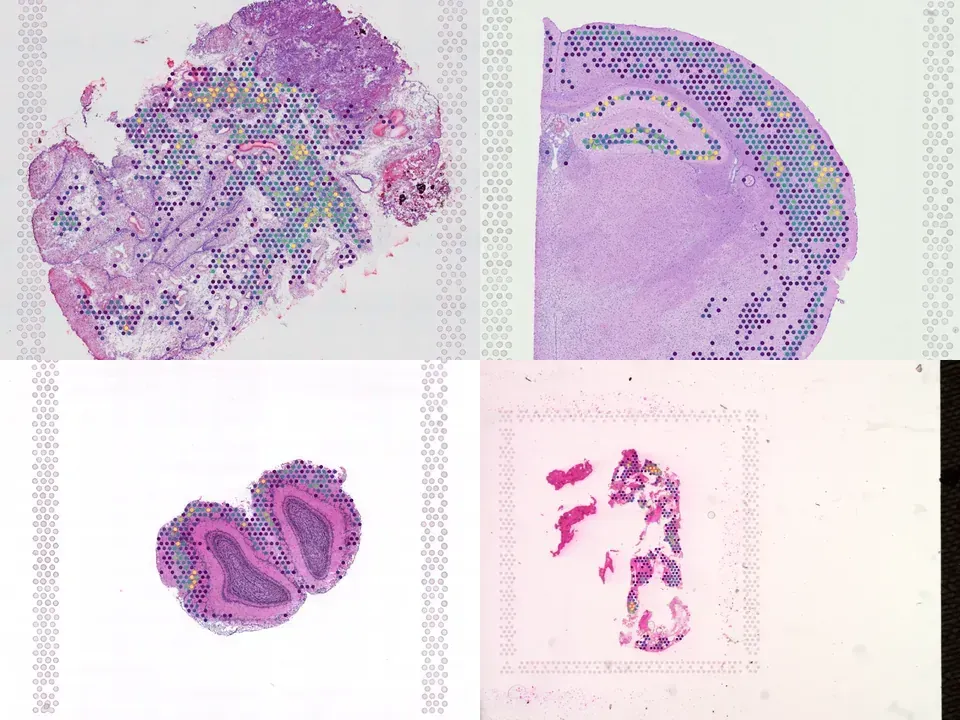
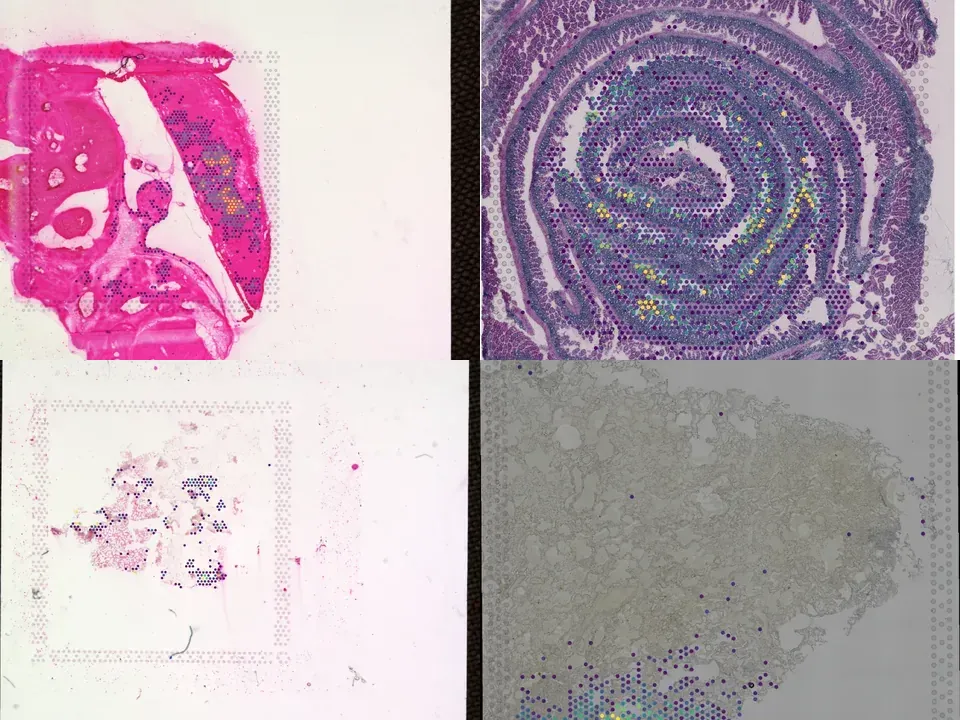
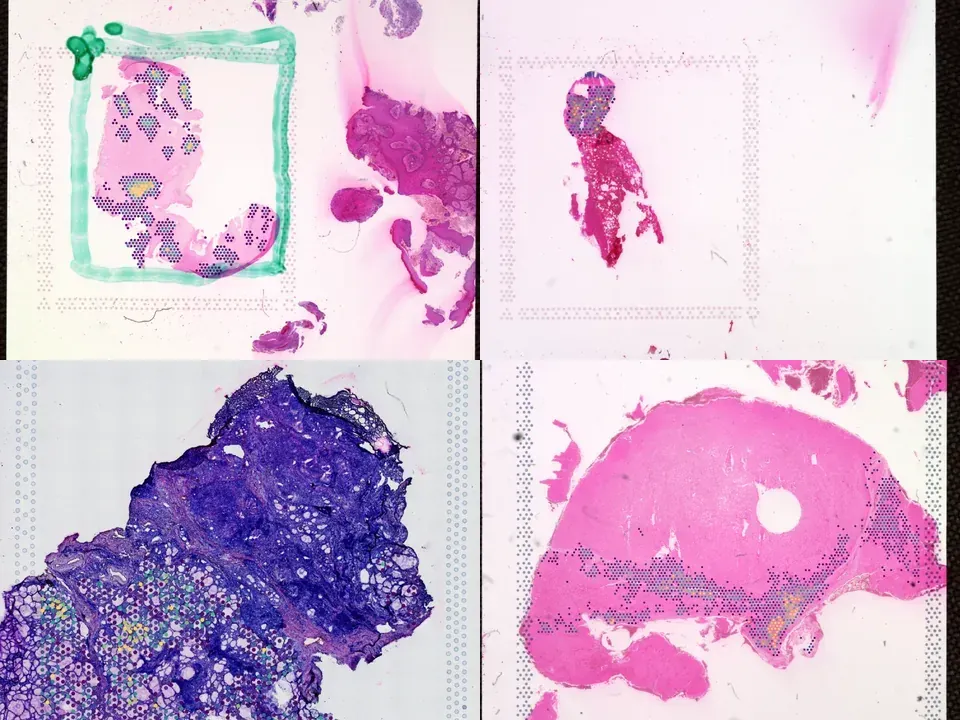
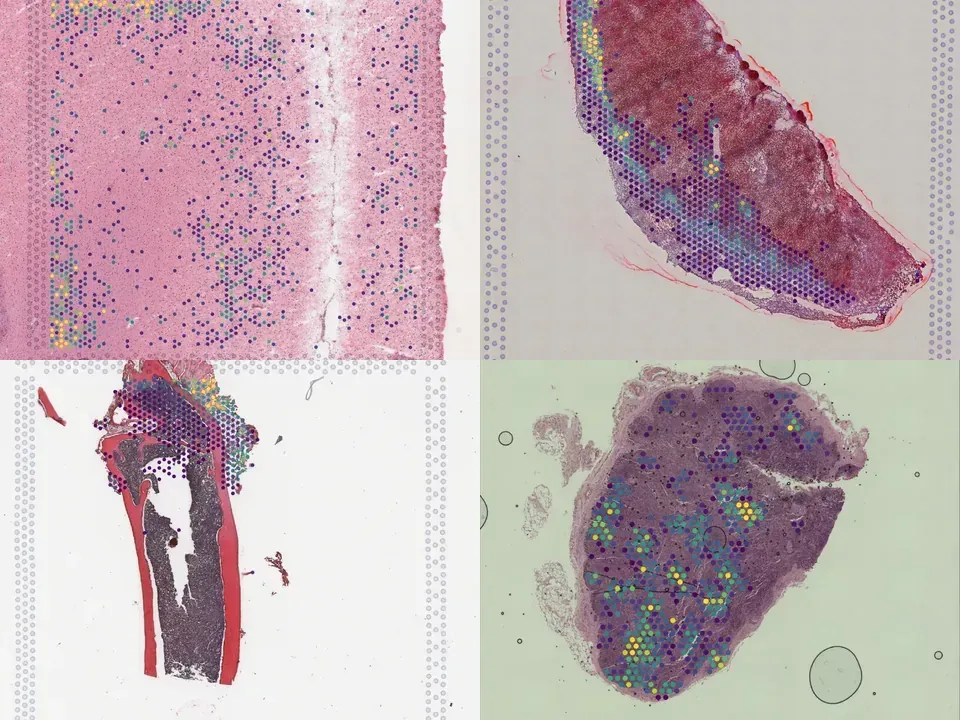
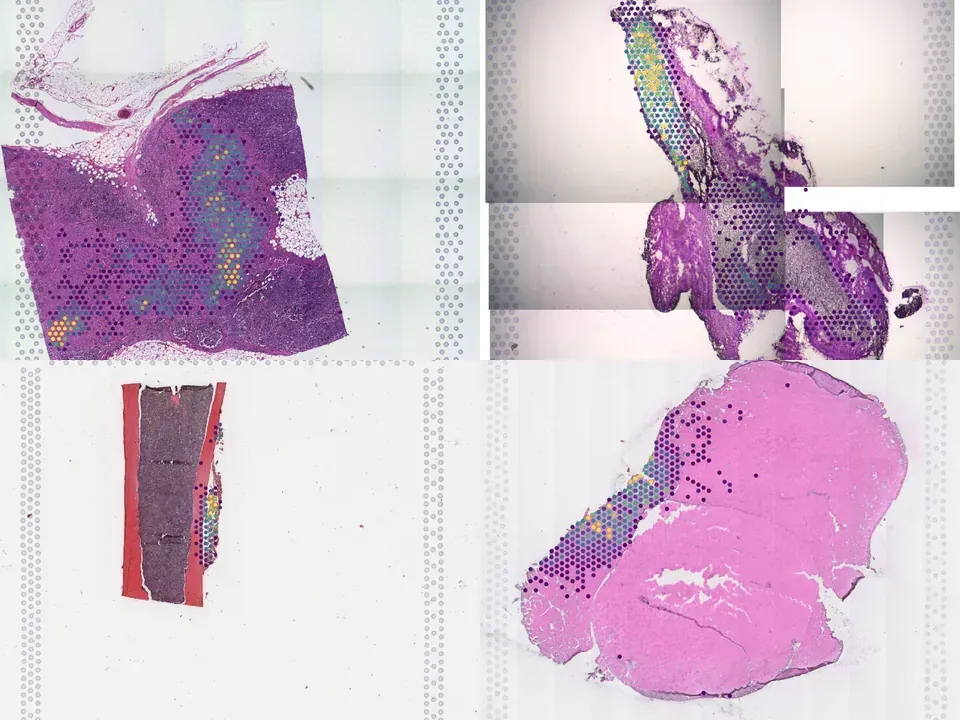
Understanding the spatial organization of the bone marrow (BM) microenvironment at single cell resolution and the niche specific transcriptional regulatory programs remains a challenge. Using formalin-fixed paraffin-embedded (FFPE) samples from our recently described MIcγ1 multiple myeloma (MM) mouse model (Larrayoz et al, Nat Med. 2023), we performed spatial transcriptional profiling of healthy and multiple myeloma BM using the Visium Spatial Gene Expression analysis (10x Genomics). A custom data-analysis framework that combines spatial with single-cell transcriptomic profiles allowed us to identify cell type composition and establish specific cell relations within the bone marrow. As a result, we defined the spatial distribution of transcriptionally heterogenous MM plasma cell (MM-PC) groups. Furthermore, we spatially defined transcriptional programs involved in the pathogenesis of MM within the BM microenvironment that were associated with MM-PC density gradient, such as the spatial location of T cells with effector and exhausted phenotypes. Application of spatial transcriptomics to FFPE human BM biopsies with varying degrees of PC infiltration validated findings from our murine model. The application of spatial transcriptomics to fully mineralized tissues provides a comprehensive spatial overview of the BM microenvironment allowing the identification of deregulated mechanism involved in the pathogenesis of diseases such as MM.
from sddb import Catalog

cohort = Catalog().collection("geo-gse269875")
cohort.members        # the 14 datasets as a table

print(cohort.licenses())              # check the terms before you download

sdatas = cohort.to_dict()             # {uid: SpatialData}, cached locally
# or keep the .zarr files in a folder of your choice:
# sdatas = cohort.to_dict(dest="data/")
Needs pip install lamindb and network access to the Lamin database, which is limited during the alpha. If it fails, use the Client tab.
import lamindb as ln

db = ln.DB("scverse/spatialdata-db")
coll = db.Collection.get(key="geo-gse269875")
coll.ordered_artifacts.to_dataframe()   # the 14 members, ordered

# download every member .zarr to the local cache:
paths = [a.cache() for a in coll.ordered_artifacts.all()]
@article{Cenzano_2026,
  title = {Single‐Cell Profiling Reveals
                    <scp>RAB13</scp>
                    <sup>+</sup>
                    Endothelial Cells and Profibrotic Mesenchymal Cells in Aged Human Bone Marrow},
  volume = {25},
  ISSN = {1474-9726},
  url = {http://dx.doi.org/10.1111/acel.70475},
  DOI = {10.1111/acel.70475},
  number = {4},
  journal = {Aging Cell},
  publisher = {Wiley},
  author = {Cenzano, Itziar and Cócera, Miguel and Lopez‐Perez, Ana Rosa and Campos‐Dopazo, Lorea and Ruiz, Javier and Sancho, Ignacio and Martin‐Uriz, Patxi San and Aguirre‐Ruiz, Paula and Sarvide, Sarai and Vilas‐Zornoza, Amaia and Ripalda‐Cemborain, Purificacion and Alignani, Diego and Lopez, Aitziber and Barrios, Marta Miñana and Agreda, Delia Quilez and Ye, Jin and Lehmann, Robert and Sudupe, Laura and Abengozar‐Muela, Marta and Lopez‐Janeiro, Álvaro and Tamariz‐Amador, Luis‐Esteban and Muiños‐López, Emma and Saez, Borja and Tegner, Jesper and Calvo, Isabel A. and Gomez‐Cabrero, David and Prosper, Felipe},
  year = {2026},
  month = Apr
}