
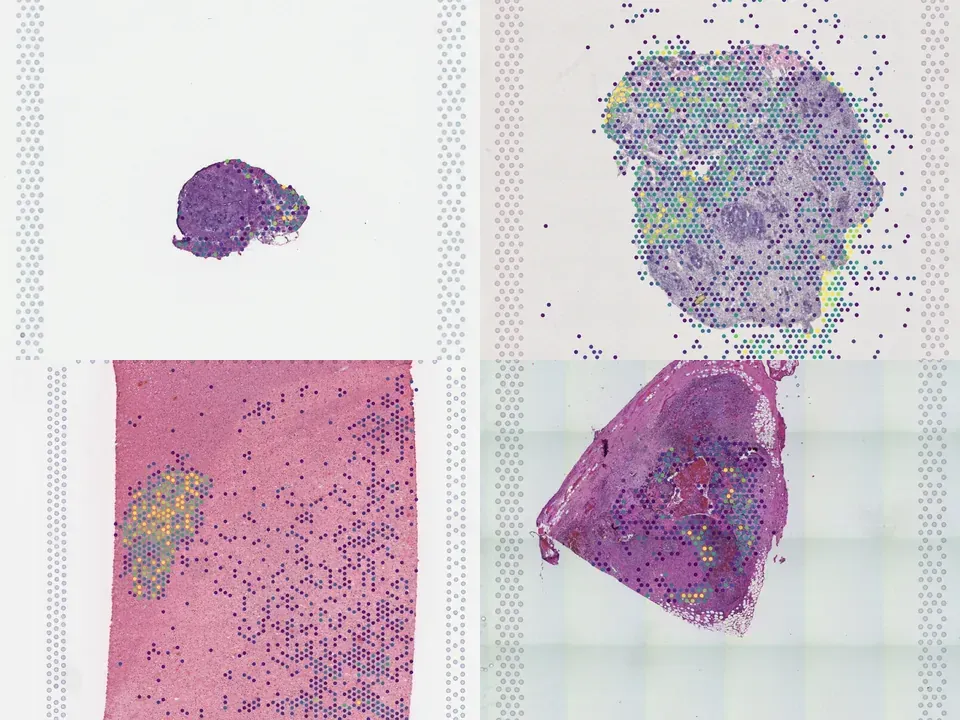
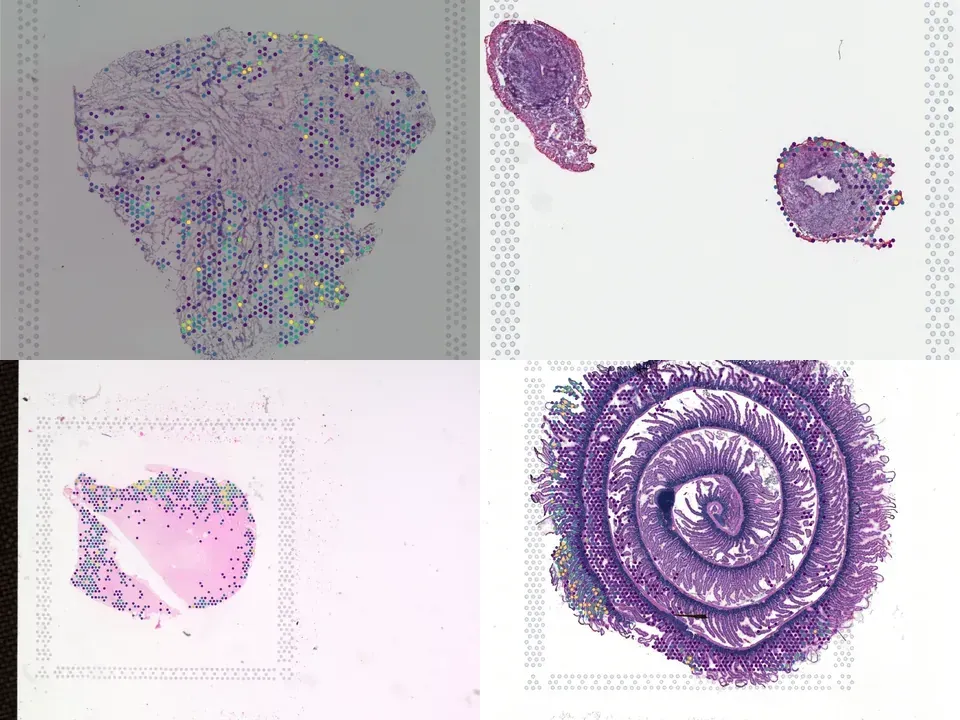
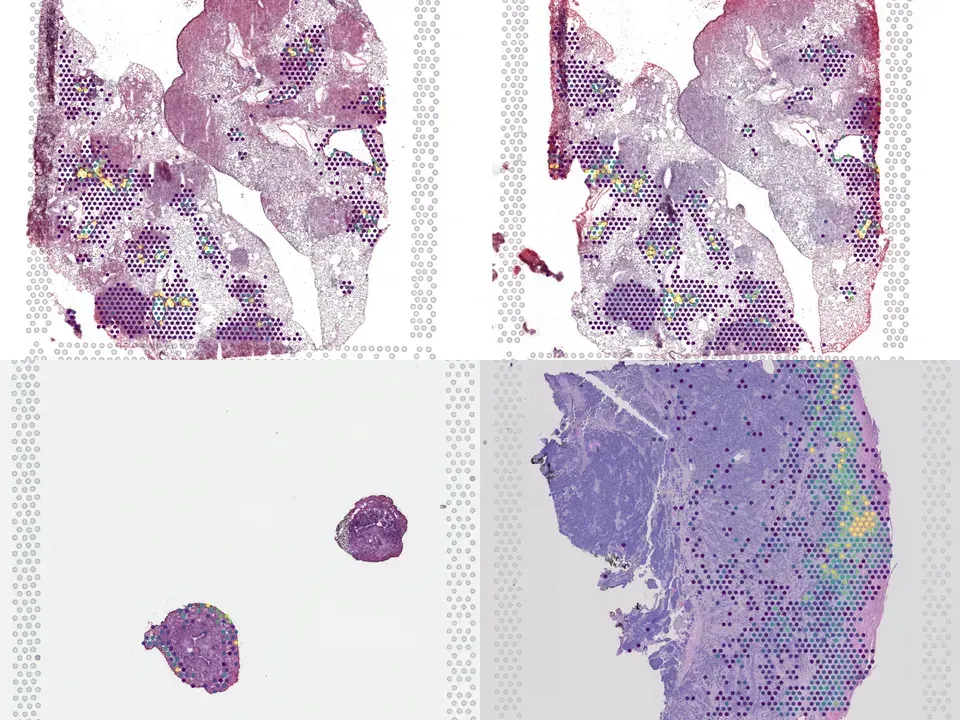
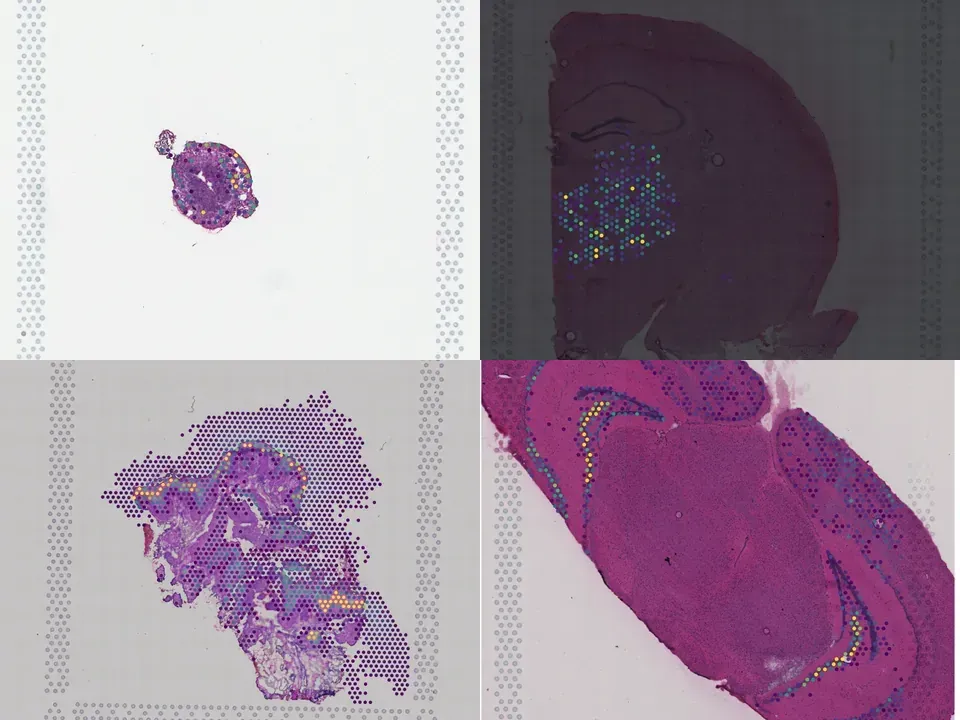
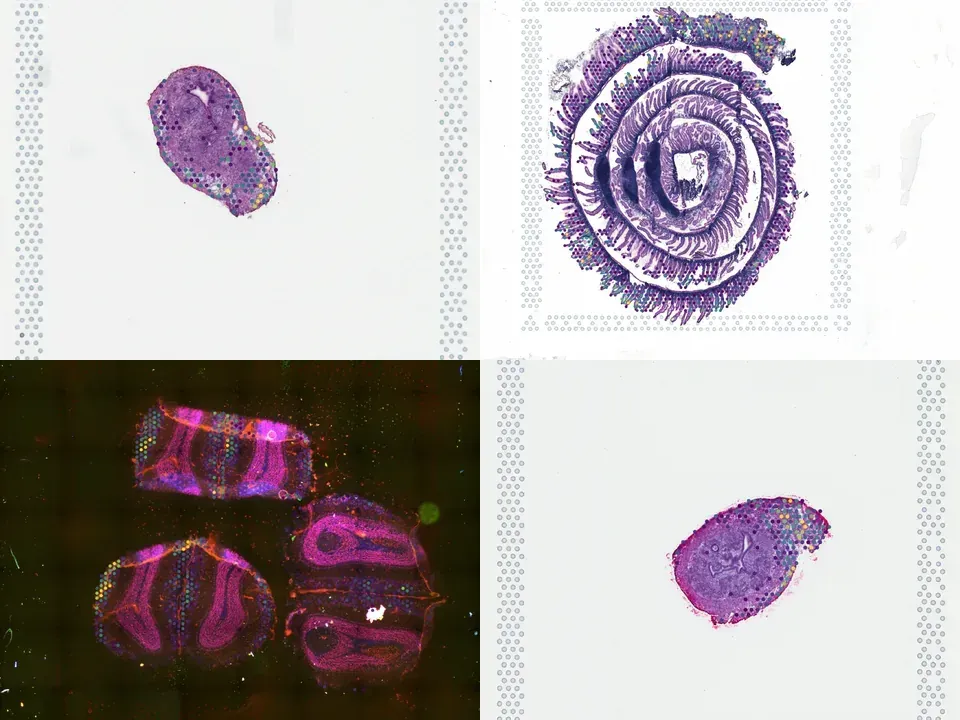
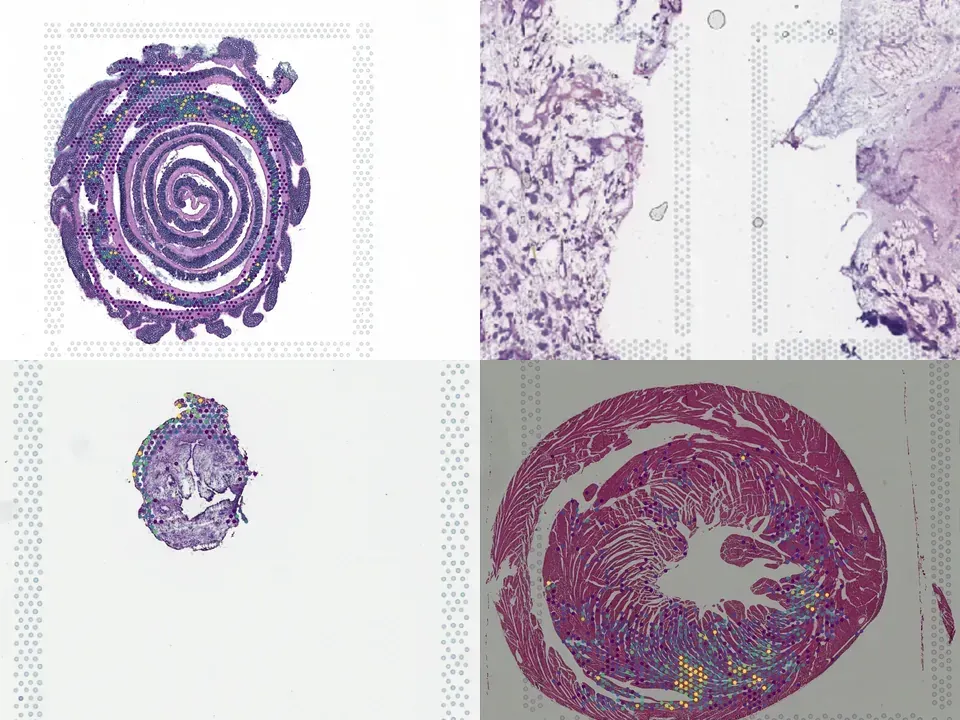
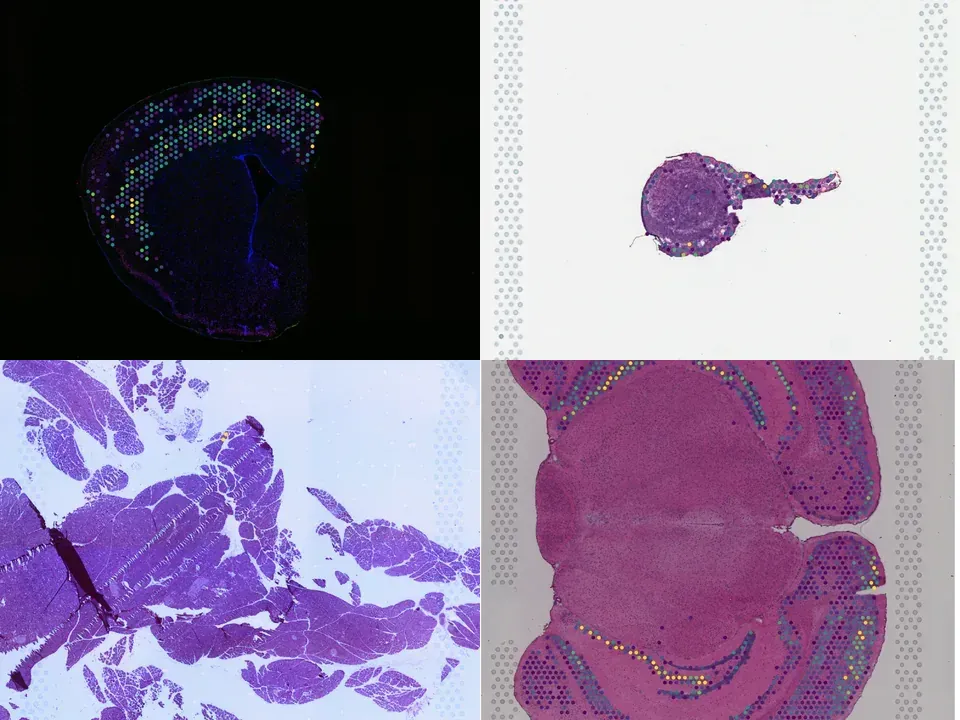
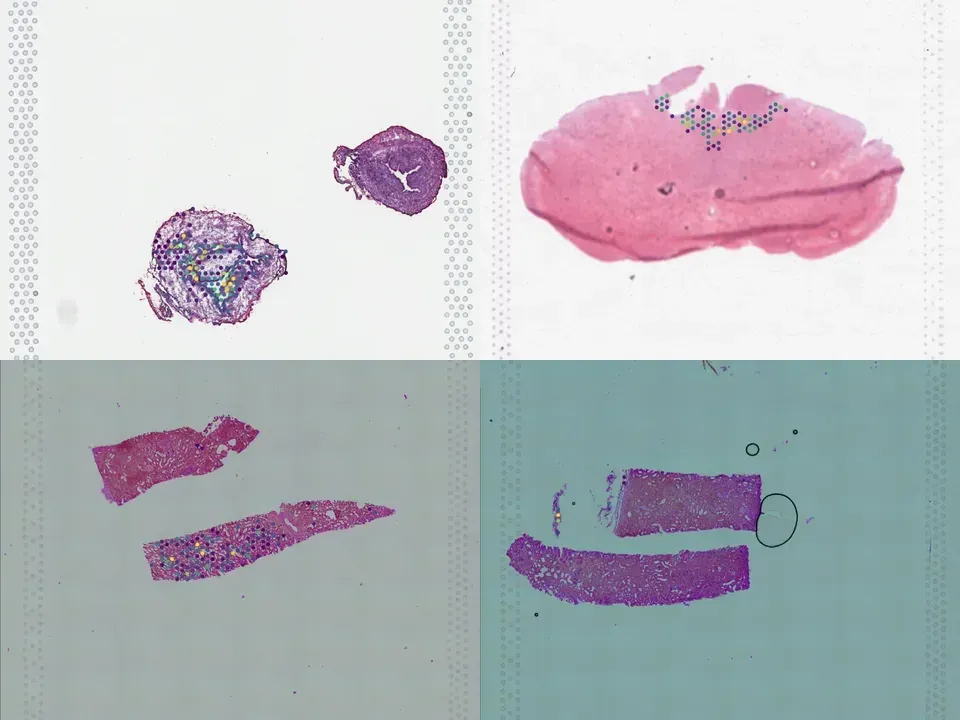
Mouse uterus
GSM8313242
mouse uterus 9.5 MB 310 spots bronze H&E NCBI GEO policy
TechnologyVisium
Organismmouse
Tissueuterus
Spots310
Magnificationother · 3.436 µm/px
bronze H&E NCBI GEO policy
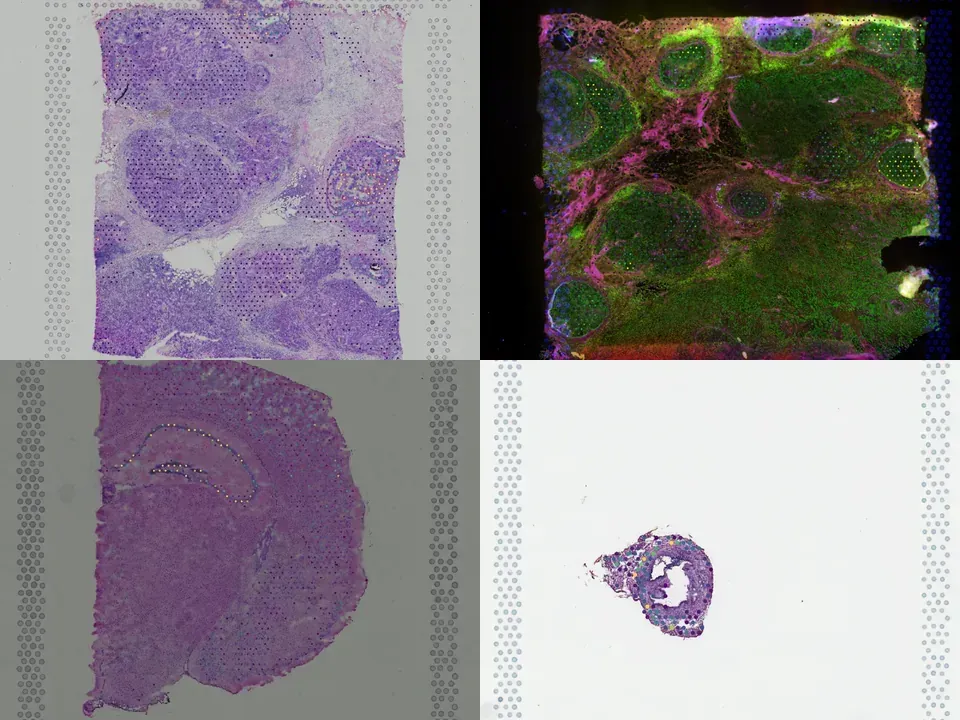
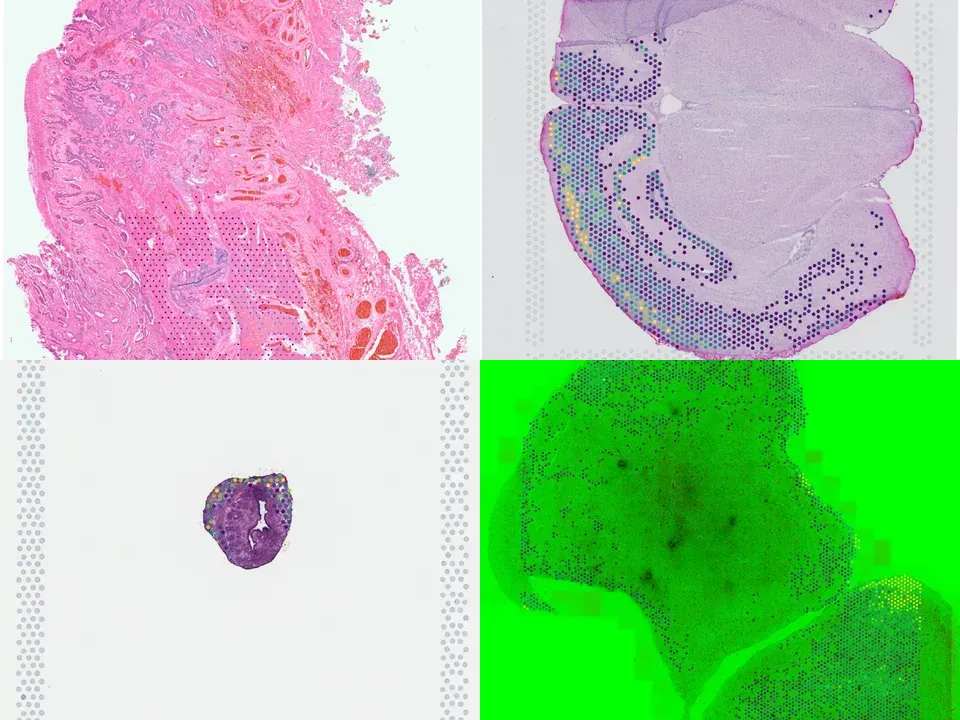
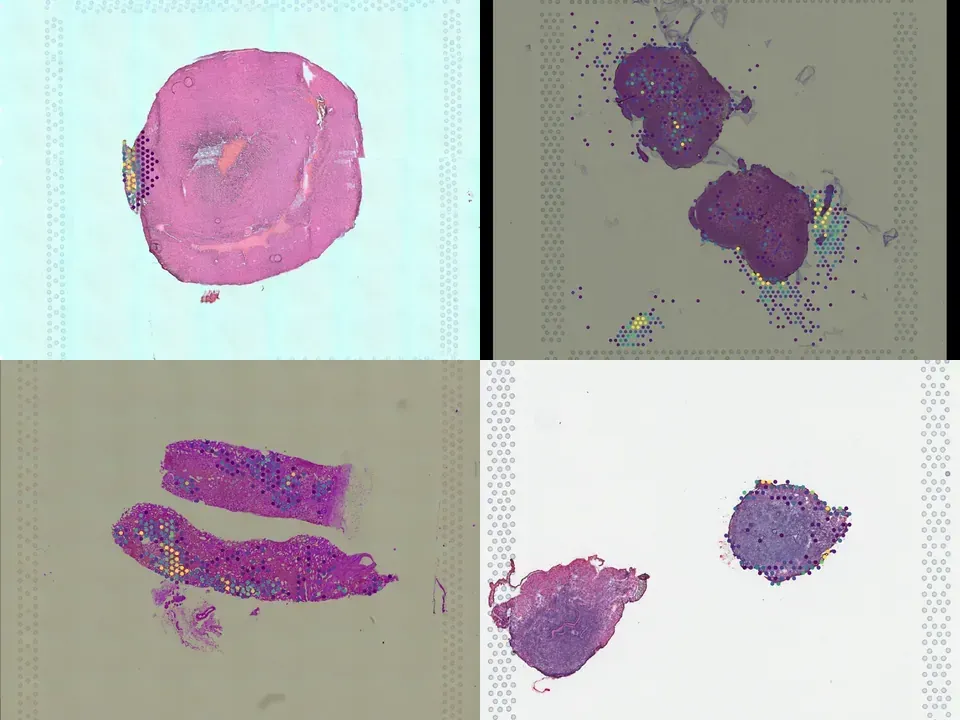
Serous endometrial carcinoma (SEC) is one of the most aggressive and lethal types of uterine cancer, responsible for about 40% of all endometrial cancer-related deaths. Due to the rapid progression of SEC, early detection of this disease is of utmost importance. However, molecular and cellular dynamics during the pre-dysplastic stage of this disease remain largely unknown. Here, we provide a comprehensive census of cell types and their states for normal, pre-dysplastic, and dysplastic endometrium in a mouse model of SEC. This model is associated with inactivation of tumor suppressor genes Trp53 and Rb1, whose pathways are altered frequently in SEC. We report that pre-dysplastic changes are characterized by expanded and increasingly diverse immature luminal epithelial cell populations. Decrease of differentiated cell states is accompanied by a previously unreported reduction in number and strength of predicted interactions between epithelial and stromal endometrial cells. Such reduction is transient and is followed by formation of a new set of intercellular interactions marking further cancer progression. By using a multi-level approach combining single-cell and spatial transcriptomics paired with screening for clinically relevant genes in human endometrial carcinoma, we identified a panel of genes with potential use as early diagnostic, prognostic, and therapeutic targets. In summary, our results suggest an important role of luminal epithelial cell state in SEC pathogenesis, uncover transient reduction in cell-cell interactions prior the onset of cancer-associated dysplastic changes, and validate our mouse SEC model as a promising comparative platform in preclinical settings.
from sddb import Catalog

cohort = Catalog().collection("geo-gse269332")
cohort.members        # the 12 datasets as a table

print(cohort.licenses())              # check the terms before you download

sdatas = cohort.to_dict()             # {uid: SpatialData}, cached locally
# or keep the .zarr files in a folder of your choice:
# sdatas = cohort.to_dict(dest="data/")Needs pip install lamindb and network access to the Lamin database, which is limited during the alpha. If it fails, use the Client tab.
import lamindb as ln

db = ln.DB("scverse/spatialdata-db")
coll = db.Collection.get(key="geo-gse269332")
coll.ordered_artifacts.to_dataframe()   # the 12 members, ordered

# download every member .zarr to the local cache:
paths = [a.cache() for a in coll.ordered_artifacts.all()]# sddb client: download every member .zarr into data/
sddb-cli download --collection geo-gse269332 --dest data/Licenses: 12 NCBI GEO policy
@article{Flesken_Nikitin_2025,
  title = {Cell state dynamics during early stages of serous endometrial carcinoma},
  volume = {267},
  ISSN = {1096-9896},
  url = {http://dx.doi.org/10.1002/path.6470},
  DOI = {10.1002/path.6470},
  number = {3},
  journal = {The Journal of Pathology},
  publisher = {Wiley},
  author = {Flesken‐Nikitin, Andrea and Pirtz, Matalin G and Ashe, Christopher S and Ellenson, Lora H and Yemelyanova, Anna and Cosgrove, Benjamin D and Nikitin, Alexander Yu},
  year = {2025},
  month = Sept,
  pages = {289–303}
}