
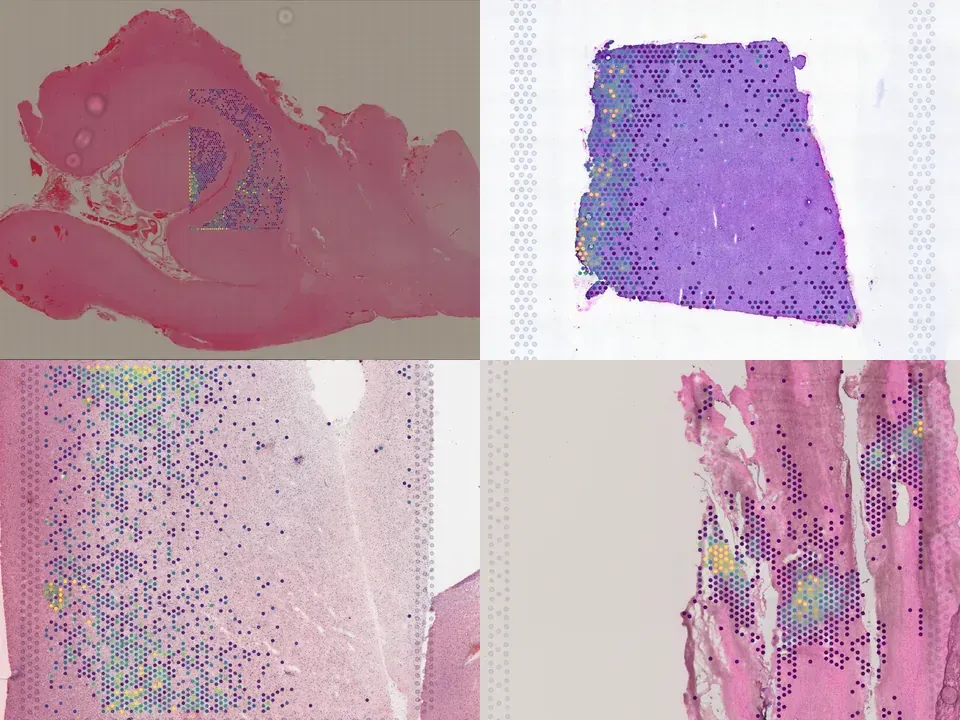
Mouse spinal cord
GSM8299021
mouse spinal cord 33.2 MB 2,448 spots silver H&E NCBI GEO policy
TechnologyVisium
Organismmouse
Tissuespinal cord
Spots2,448
silver H&E NCBI GEO policy
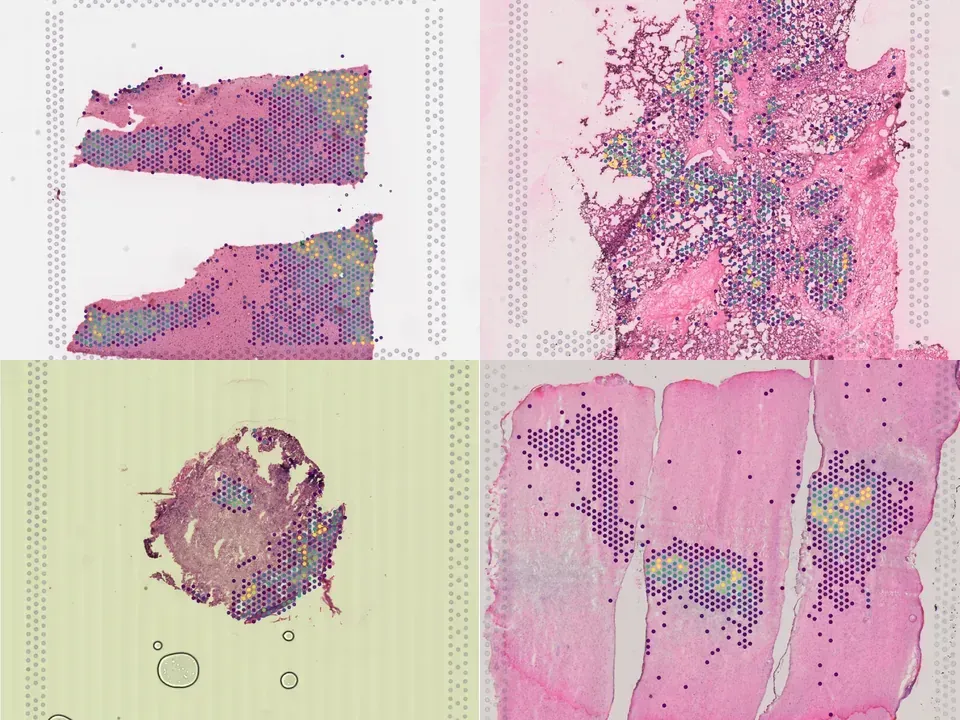
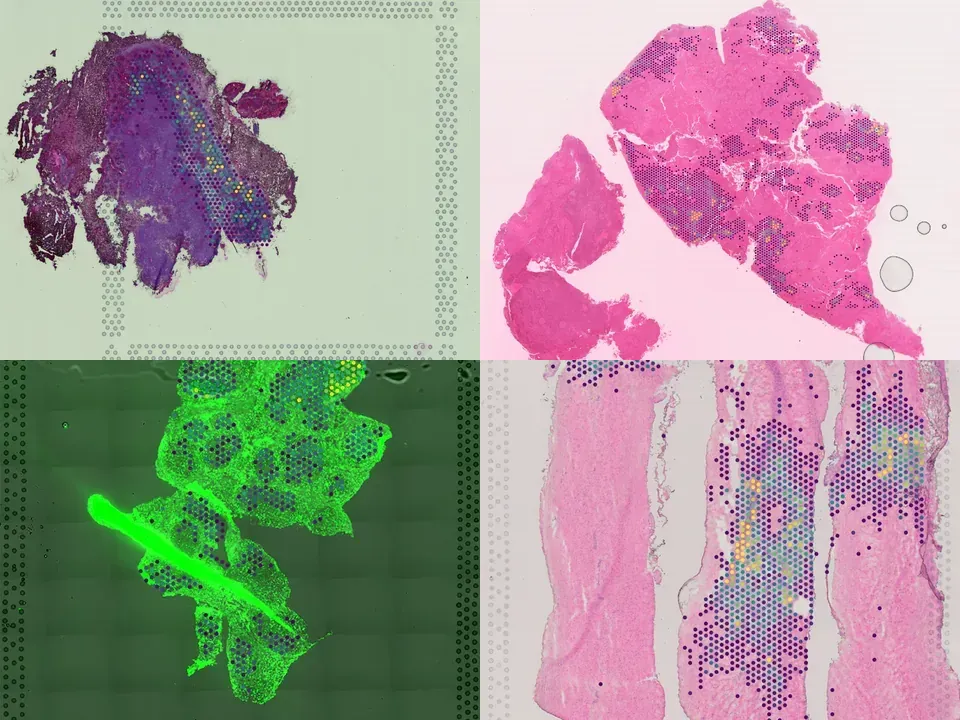
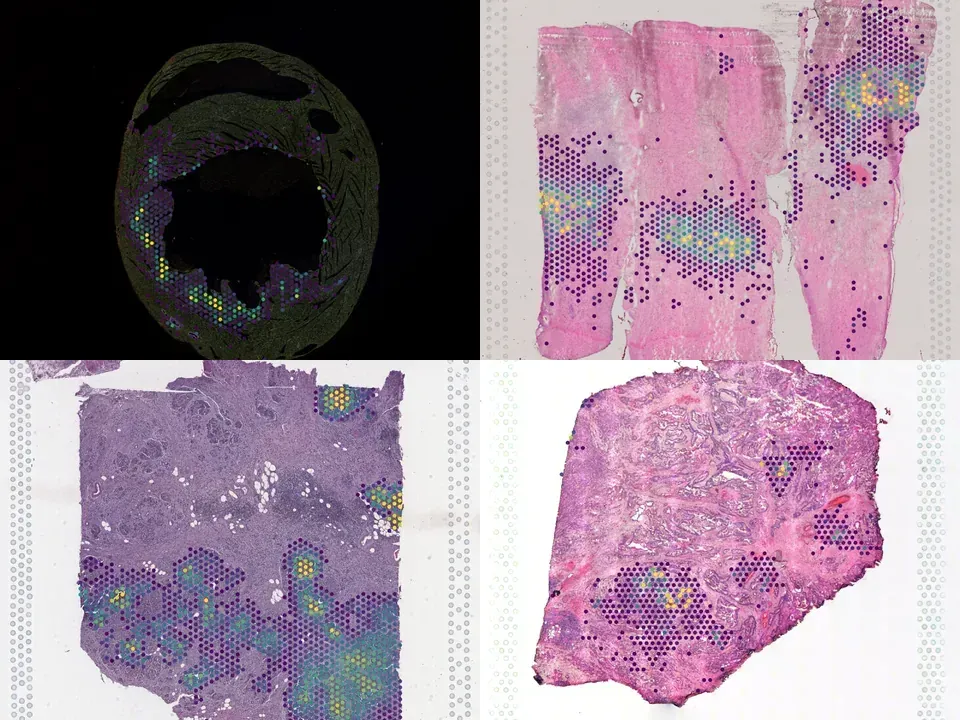
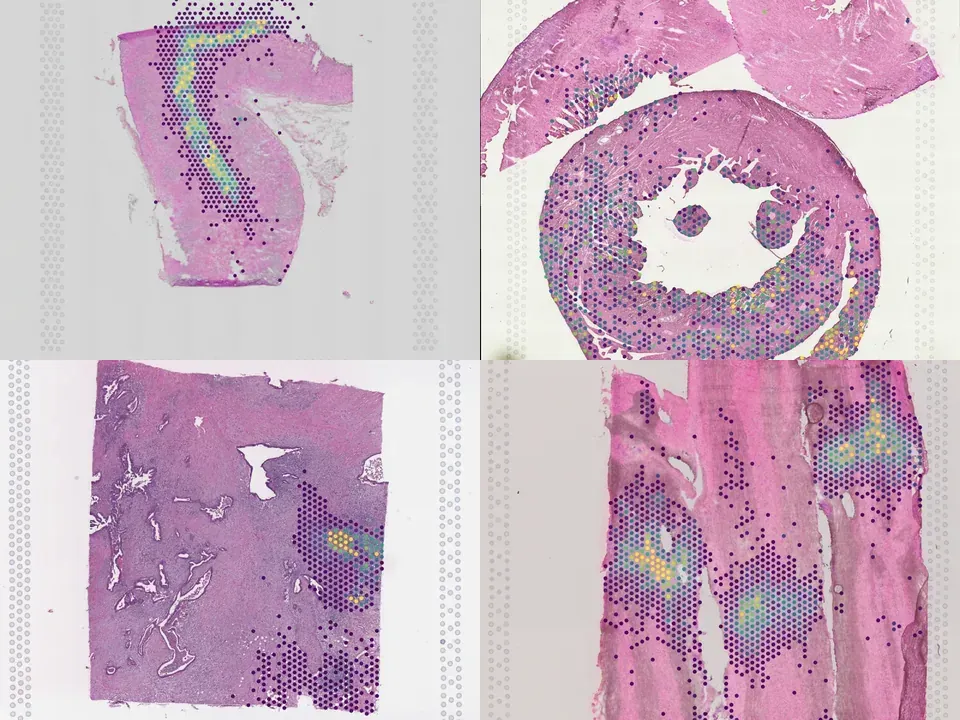
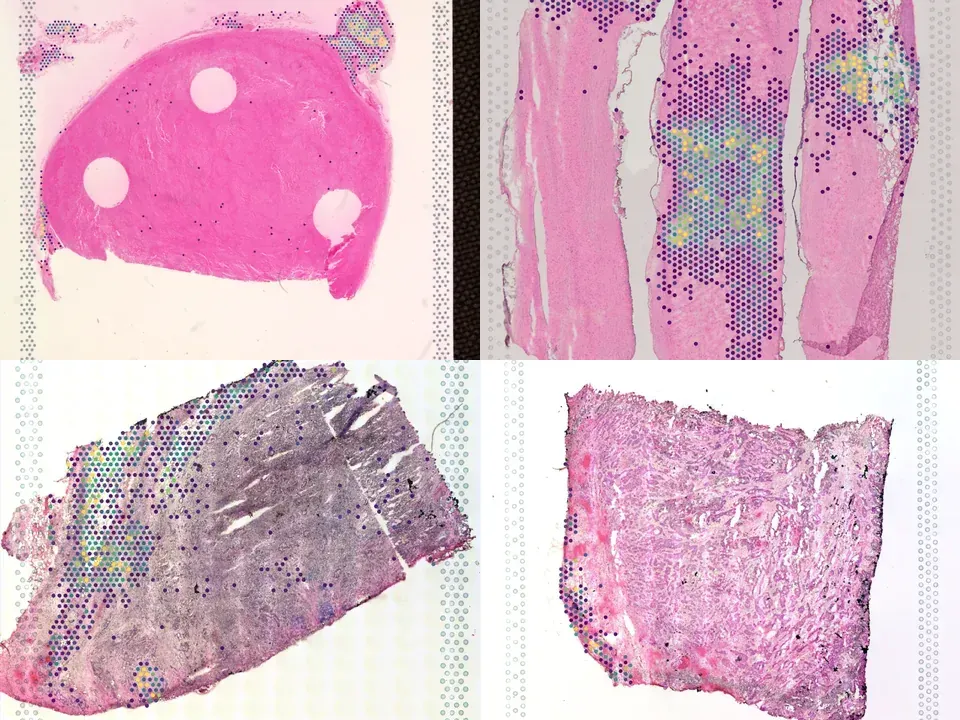
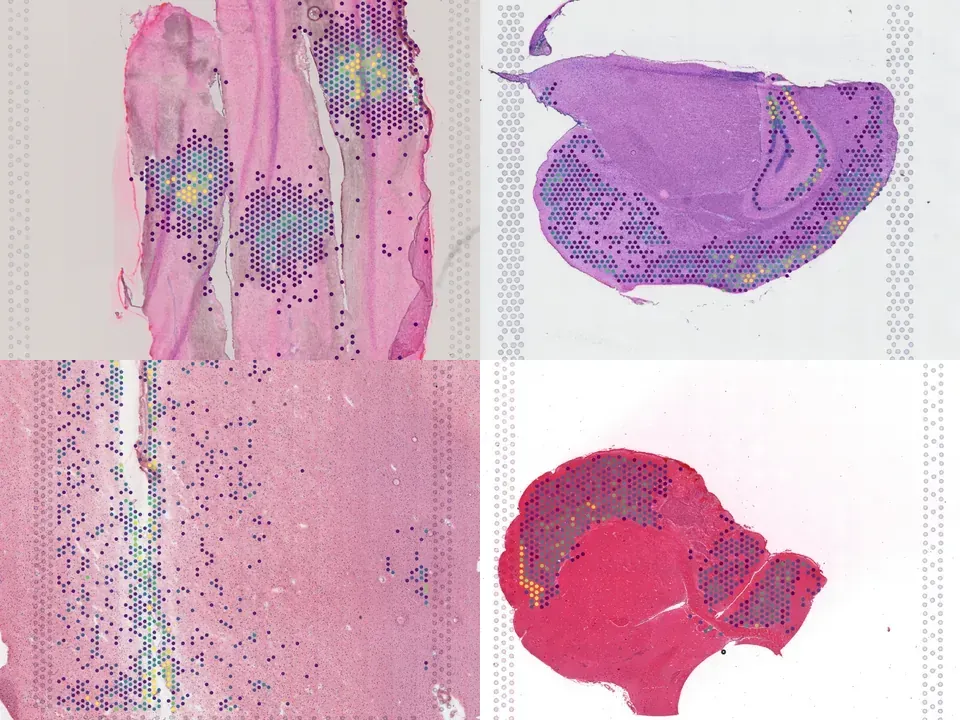
This submission is a dataset of single-nucleus transcriptomics in the spinal cords of mice. The single-nuclei transcriptomics data is harvested and profiled using Visium Spatial Gene Expression.
from sddb import Catalog

cohort = Catalog().collection("geo-gse268779")
cohort.members        # the 7 datasets as a table

print(cohort.licenses())              # check the terms before you download

sdatas = cohort.to_dict()             # {uid: SpatialData}, cached locally
# or keep the .zarr files in a folder of your choice:
# sdatas = cohort.to_dict(dest="data/")Needs pip install lamindb and network access to the Lamin database, which is limited during the alpha. If it fails, use the Client tab.
import lamindb as ln

db = ln.DB("scverse/spatialdata-db")
coll = db.Collection.get(key="geo-gse268779")
coll.ordered_artifacts.to_dataframe()   # the 7 members, ordered

# download every member .zarr to the local cache:
paths = [a.cache() for a in coll.ordered_artifacts.all()]# sddb client: download every member .zarr into data/
sddb-cli download --collection geo-gse268779 --dest data/Licenses: 7 NCBI GEO policy
No linked publication found — please cite the data source.