
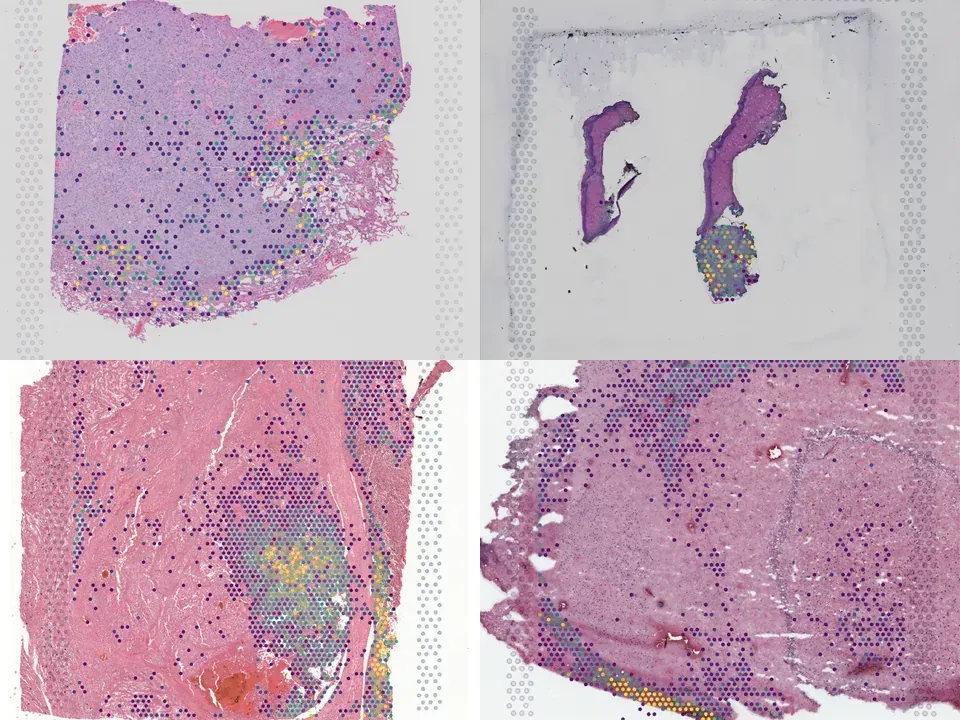
Human hippocampal formation
GSM8226204
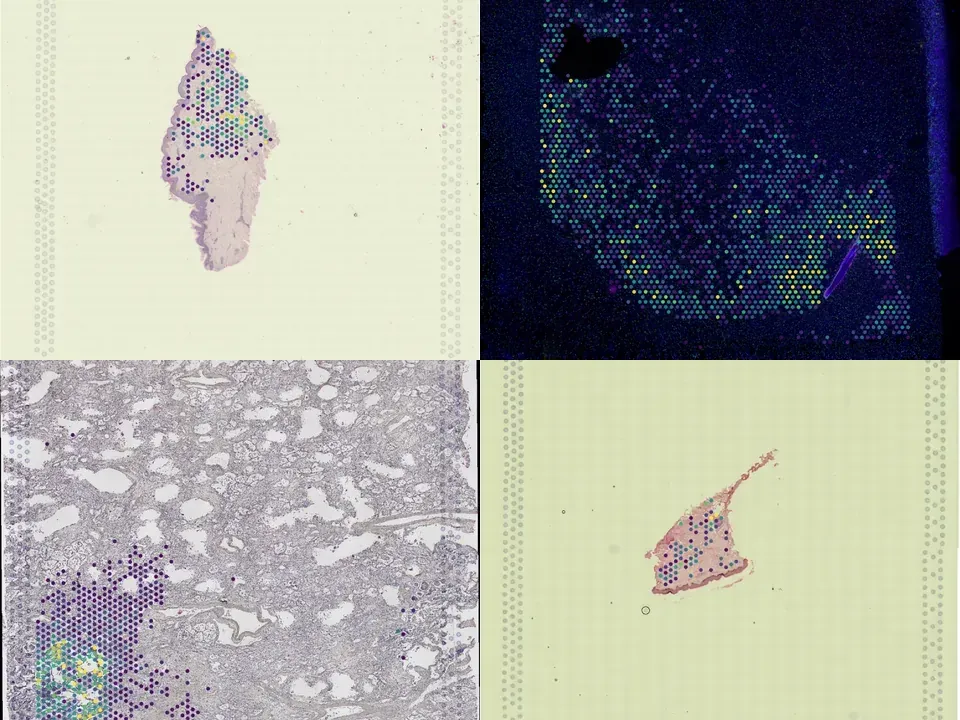
human hippocampal formation 27.8 MB 4,992 spots silver H&E NCBI GEO policy
TechnologyVisium
Organismhuman
Tissuehippocampal formation
Spots4,992
silver H&E NCBI GEO policy
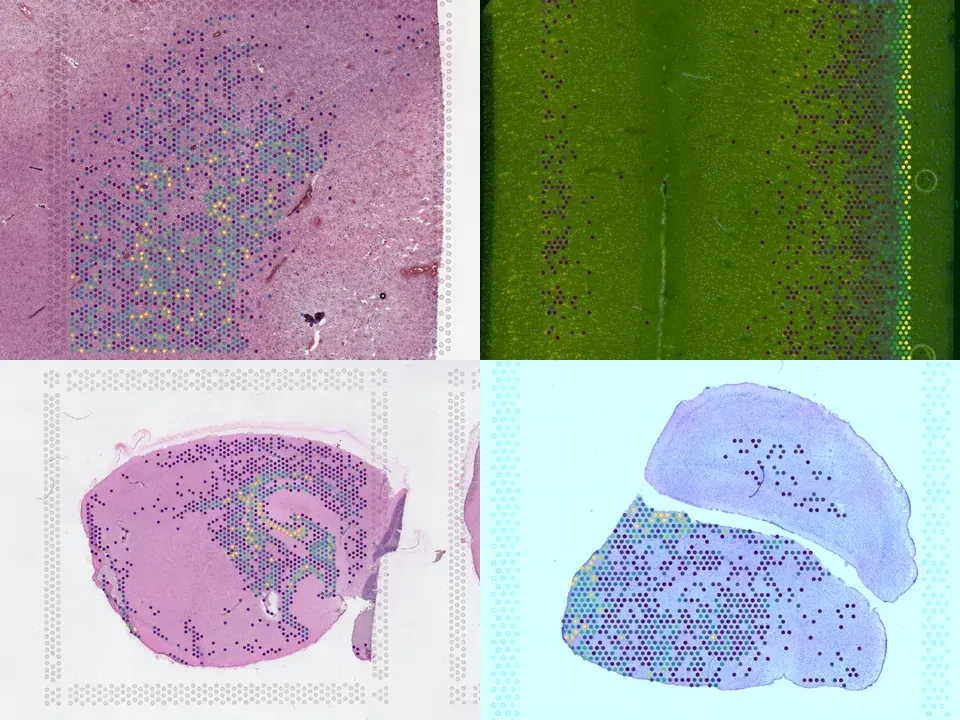
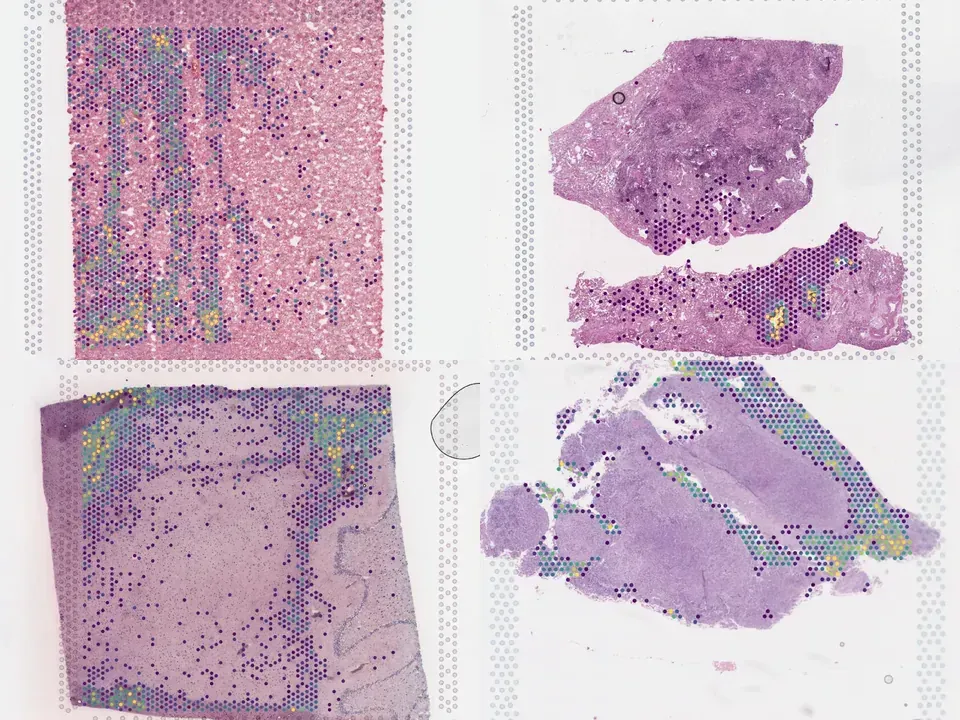
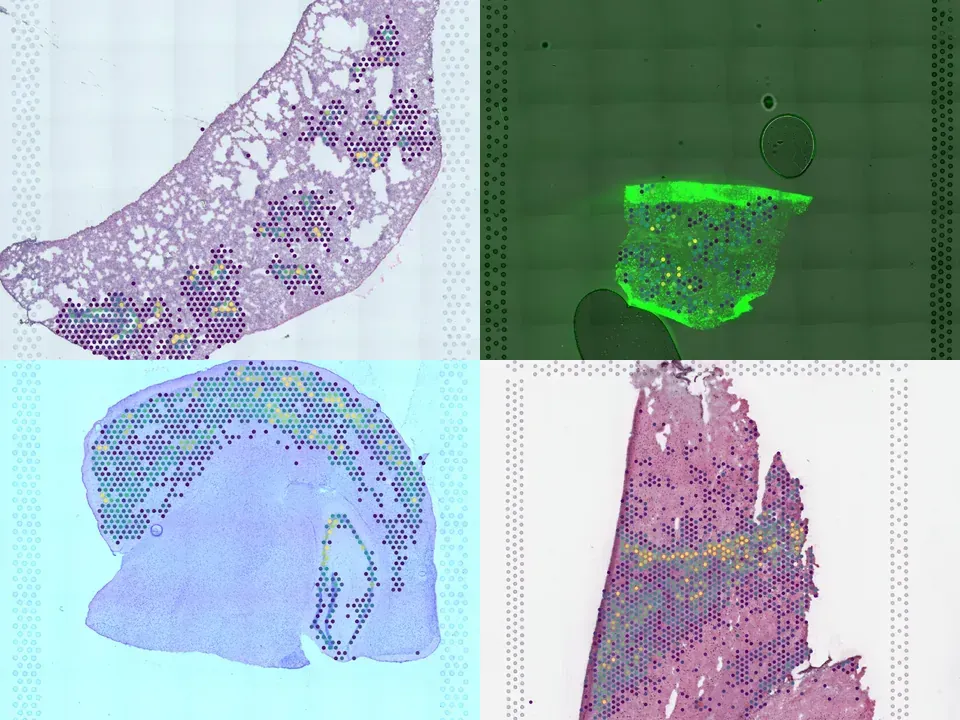
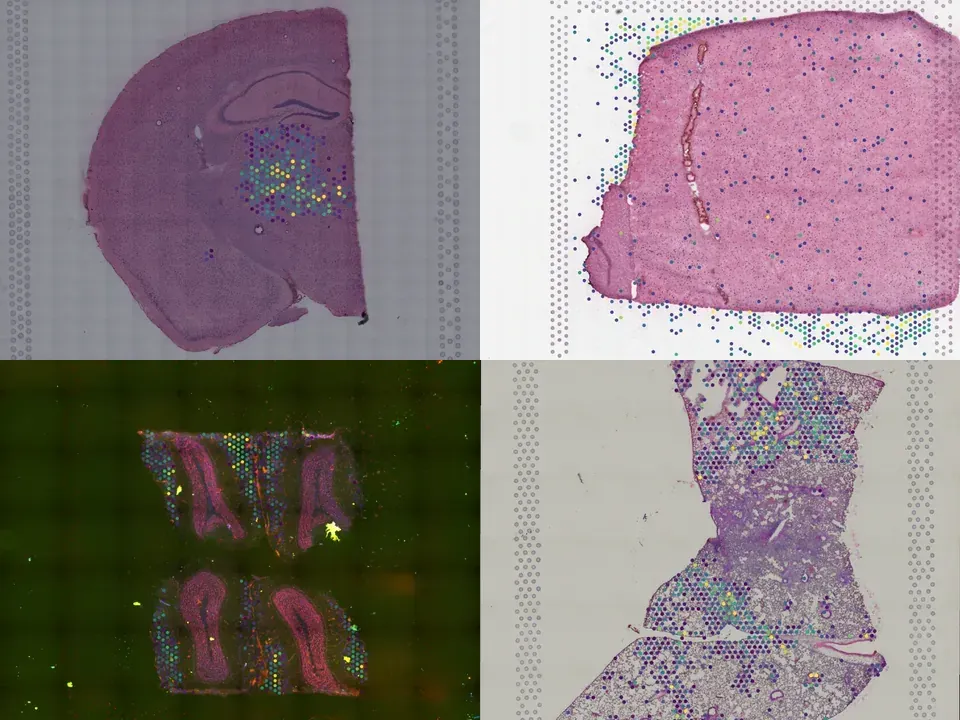
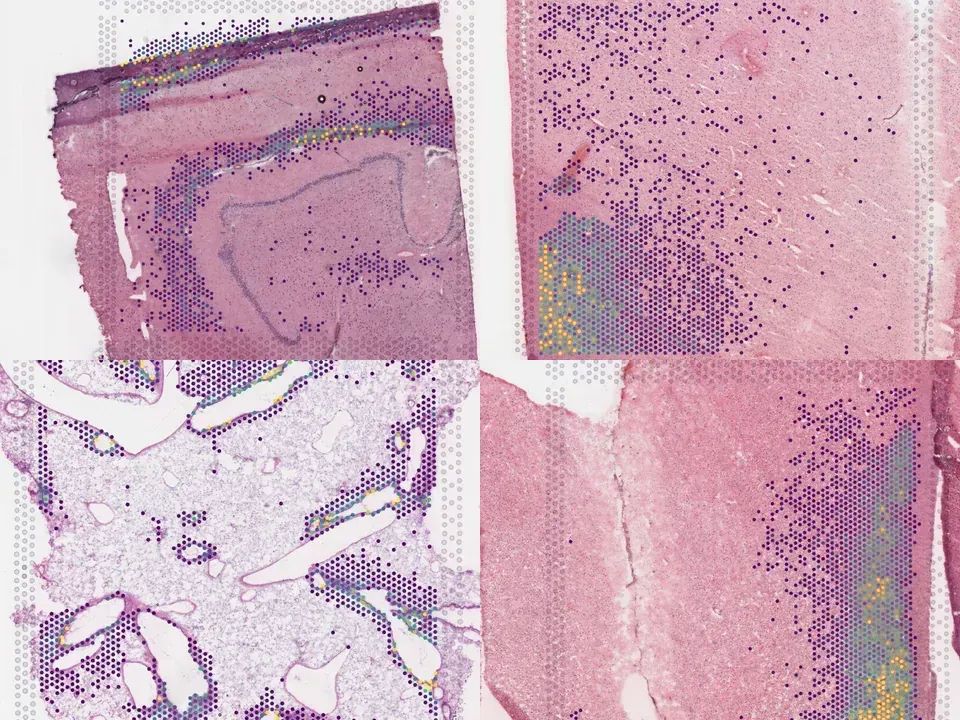
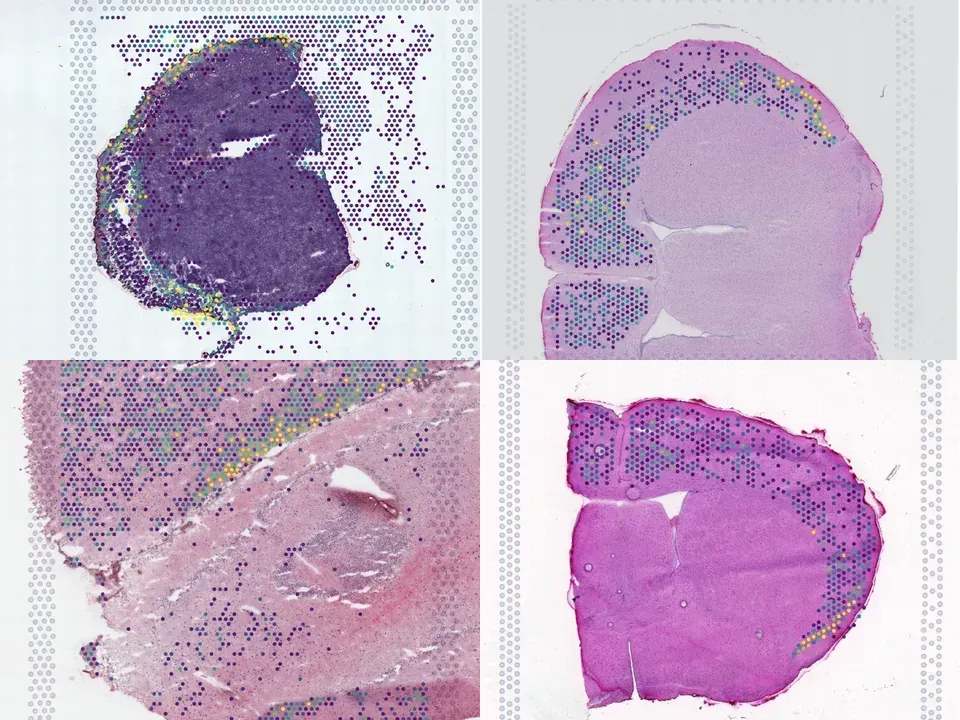
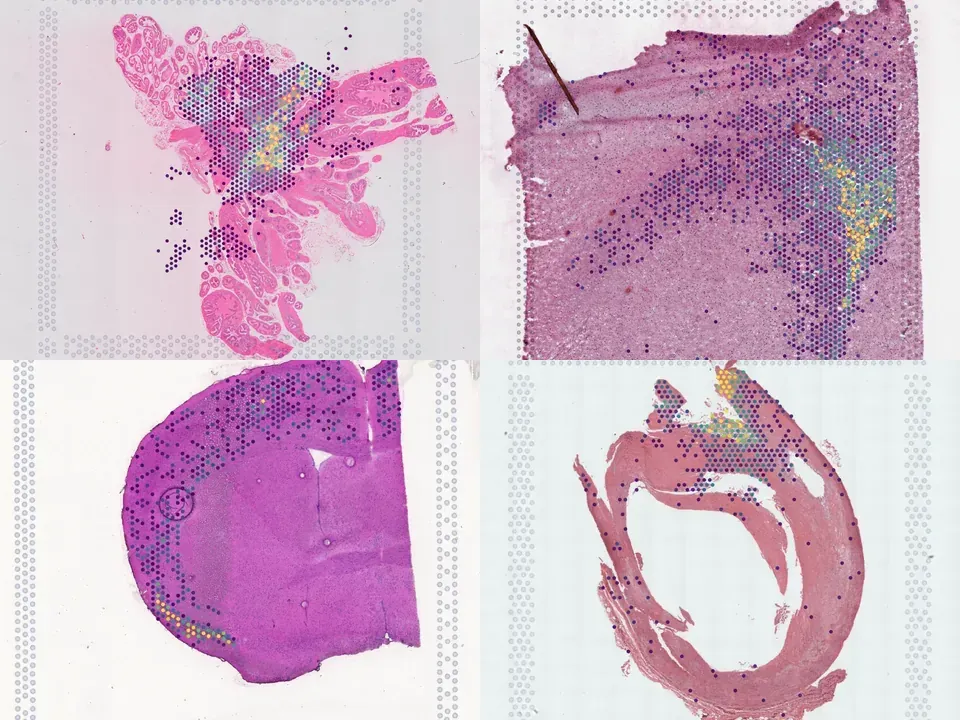
The hippocampus contains many unique cell types, which serve the structure’s specialized functions, including learning, memory and cognition. These cells have distinct spatial topography, morphology, physiology, and connectivity, highlighting the need for transcriptome-wide profiling strategies that retain cytoarchitectural organization. Here, we generated spatially-resolved transcriptomics (SRT) and single-nucleus RNA-sequencing (snRNA-seq) data from adjacent tissue sections of the anterior human hippocampus across ten adult neurotypical donors. We defined molecular profiles for hippocampal cell types and spatial domains. Using non-negative matrix factorization and transfer learning, we integrated these data to define gene expression patterns within the snRNA-seq data and probe their expression in the SRT data. Using this approach, we leveraged existing rodent datasets that feature information on circuit connectivity and neural activity induction to make predictions about axonal projection targets and likelihood of ensemble recruitment in spatially-defined cellular populations of the human hippocampus. Finally, we integrated genome-wide association studies with transcriptomic data to identify enrichment of genetic components for neurodevelopmental, neuropsychiatric, and neurodegenerative disorders across cell types, spatial domains, and gene expression patterns of the human hippocampus. To make this comprehensive molecular atlas accessible to the scientific community, both raw and processed data are freely available, including through interactive web applications.
from sddb import Catalog

cohort = Catalog().collection("geo-gse264692")
cohort.members        # the 9 datasets as a table

print(cohort.licenses())              # check the terms before you download

sdatas = cohort.to_dict()             # {uid: SpatialData}, cached locally
# or keep the .zarr files in a folder of your choice:
# sdatas = cohort.to_dict(dest="data/")Needs pip install lamindb and network access to the Lamin database, which is limited during the alpha. If it fails, use the Client tab.
import lamindb as ln

db = ln.DB("scverse/spatialdata-db")
coll = db.Collection.get(key="geo-gse264692")
coll.ordered_artifacts.to_dataframe()   # the 9 members, ordered

# download every member .zarr to the local cache:
paths = [a.cache() for a in coll.ordered_artifacts.all()]# sddb client: download every member .zarr into data/
sddb-cli download --collection geo-gse264692 --dest data/Licenses: 9 NCBI GEO policy
No linked publication found — please cite the data source.