
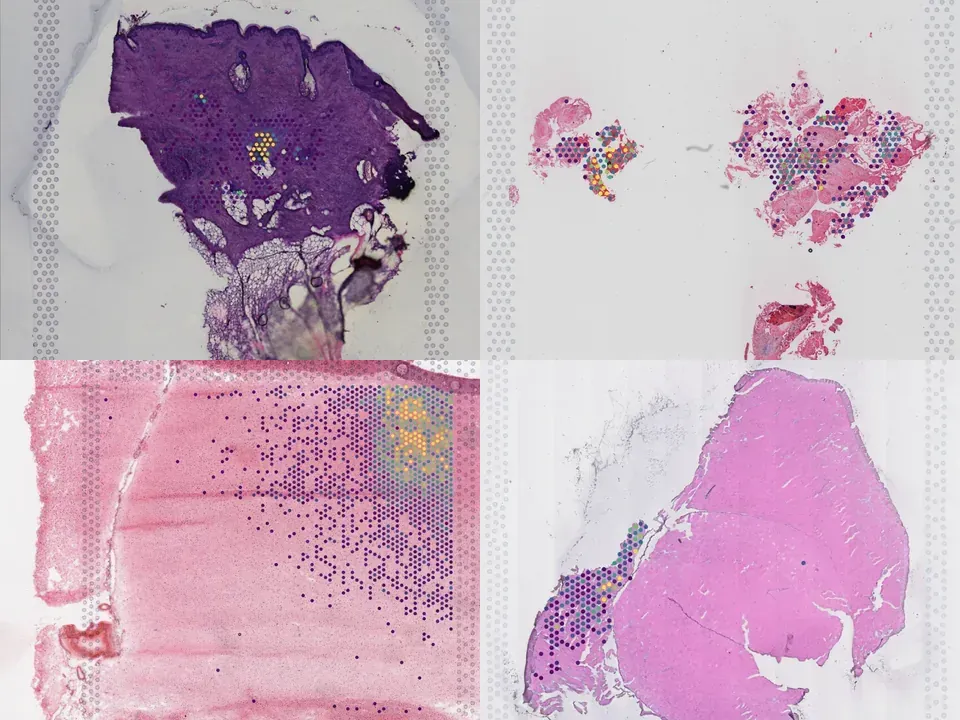
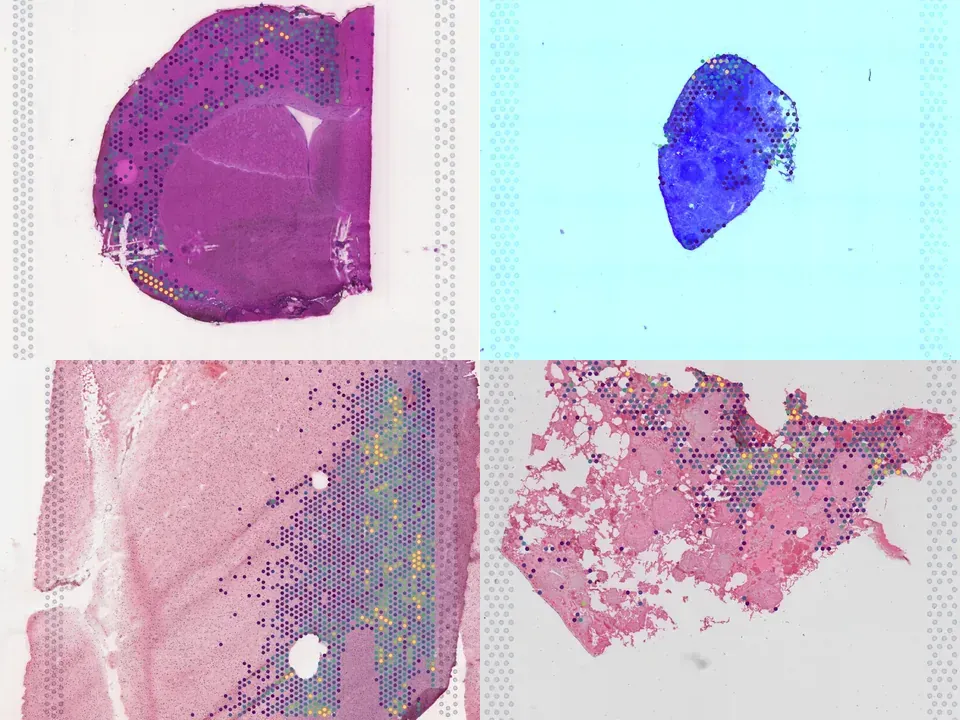
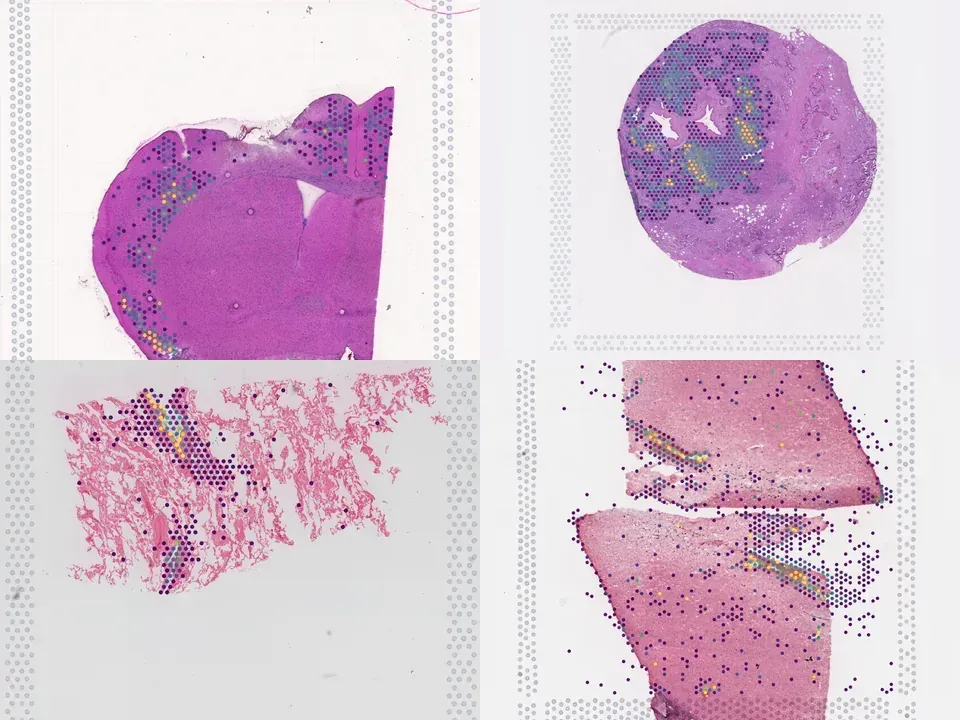
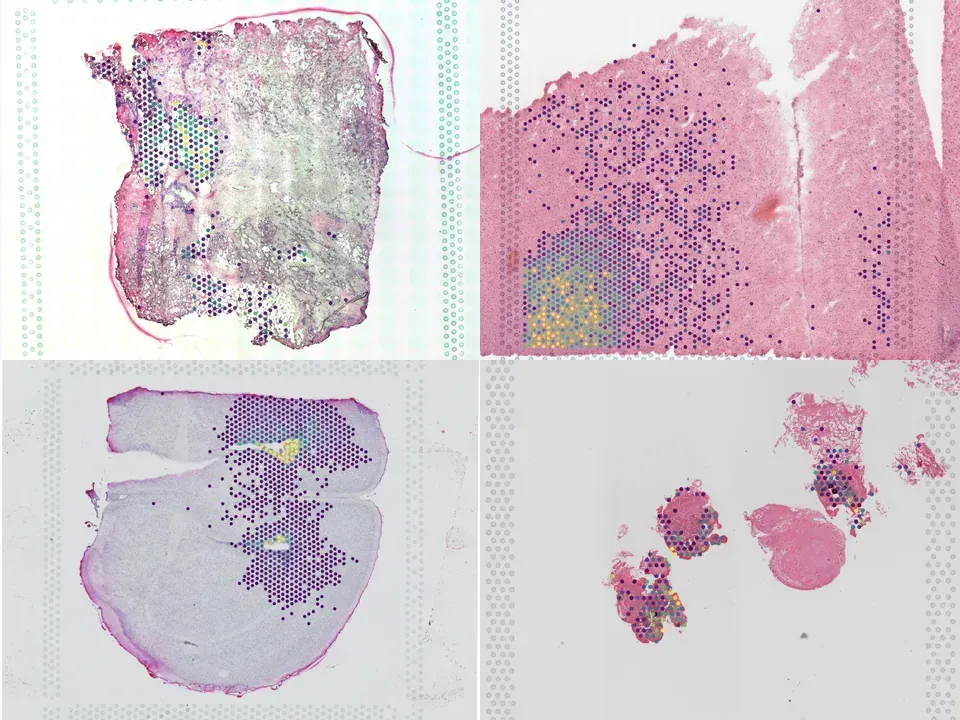
Human lung
GSM8182906
human lung sarcoidosis 13.6 MB 1,051 spots silver H&E NCBI GEO policy
TechnologyVisium
Organismhuman
Tissuelung
Conditionsarcoidosis
Spots1,051
silver H&E NCBI GEO policy
Sarcoidosis is a chronic inflammatory disorder characterized by the presence of tiny collections of immune cells known as granulomas. An incomplete understanding of etiology and immune-pathologic pathways have limited the development of quality biomarkers and novel targeted therapies. We found a Fsp1-Cre mediated TSC1/2 deletion mice unexpectedly led to development of a disease state, which was identified and characterized by spatial transcriptomics and single-cell RNA sequencing, similar to sarcoidosis. Notably, we identified CCL24 as a novel key chemotactic regulator in this model of sarcoidosis and found decreased CCL24 in the sarcoid group, thus translating our model and hypothesis to the human form of the disease. Intriguingly, we found that CCL24 and azithromycin significantly blocked the progression of granuloma formation in this model. Our findings not only improve an integrated understanding of the progression of sarcoidosis but also provide the basis for developing novel potential clinical interventions in sarcoidosis therapeutics.
from sddb import Catalog

cohort = Catalog().collection("geo-gse262998")
cohort.members        # the 4 datasets as a table

print(cohort.licenses())              # check the terms before you download

sdatas = cohort.to_dict()             # {uid: SpatialData}, cached locally
# or keep the .zarr files in a folder of your choice:
# sdatas = cohort.to_dict(dest="data/")Needs pip install lamindb and network access to the Lamin database, which is limited during the alpha. If it fails, use the Client tab.
import lamindb as ln

db = ln.DB("scverse/spatialdata-db")
coll = db.Collection.get(key="geo-gse262998")
coll.ordered_artifacts.to_dataframe()   # the 4 members, ordered

# download every member .zarr to the local cache:
paths = [a.cache() for a in coll.ordered_artifacts.all()]# sddb client: download every member .zarr into data/
sddb-cli download --collection geo-gse262998 --dest data/Licenses: 4 NCBI GEO policy
No linked publication found — please cite the data source.