
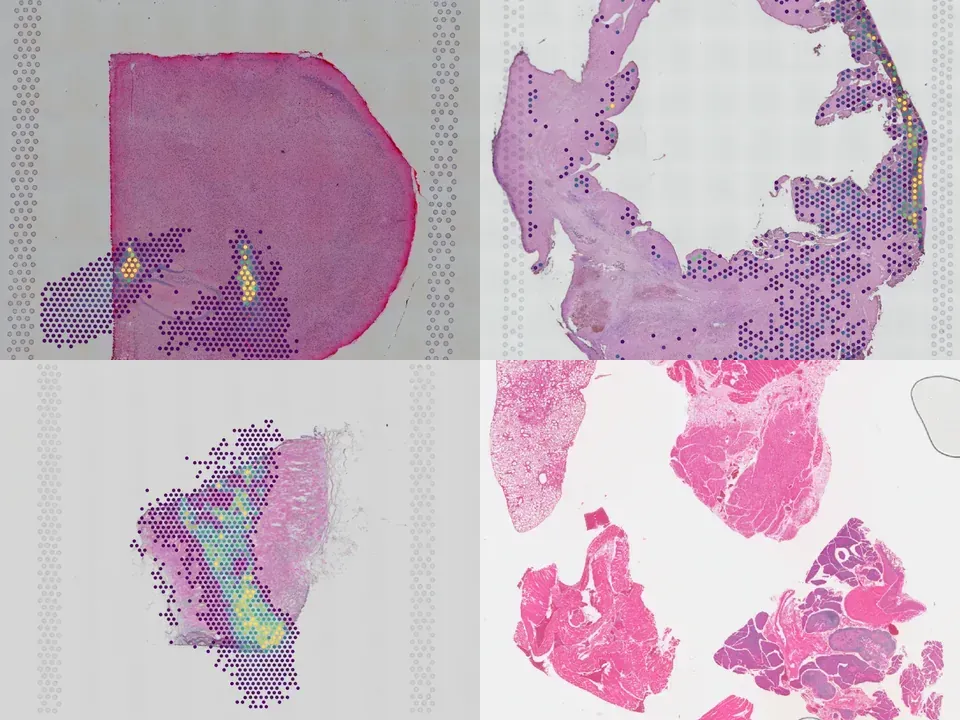
Human adrenal gland
GSM8028753
human adrenal gland 26.2 MB 4,992 spots silver H&E NCBI GEO policy
TechnologyVisium
Organismhuman
Tissueadrenal gland
Spots4,992
silver H&E NCBI GEO policy
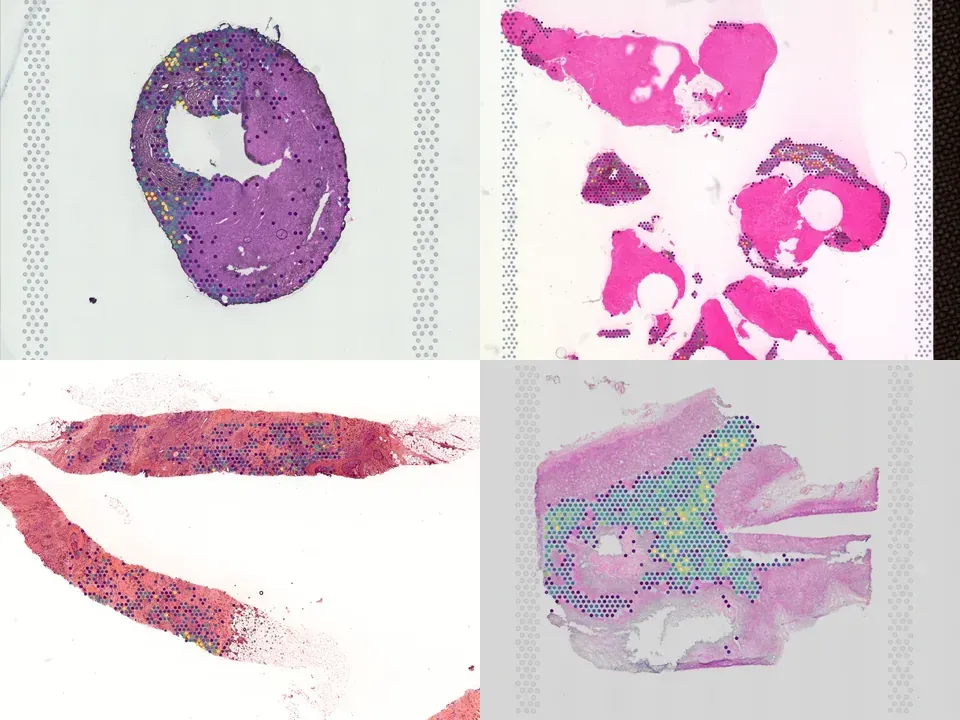
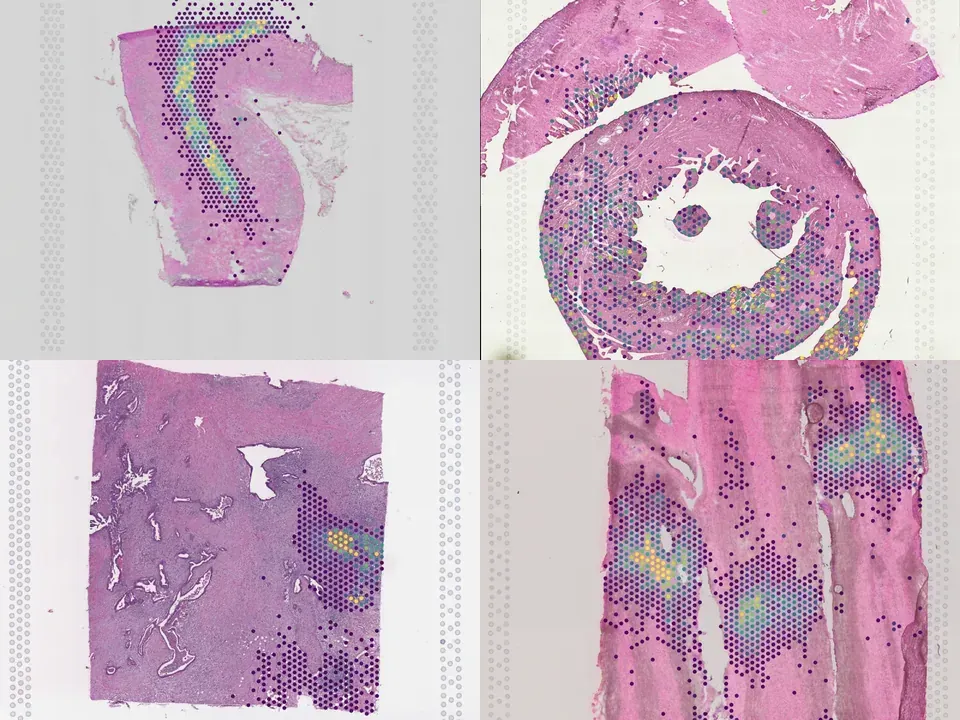
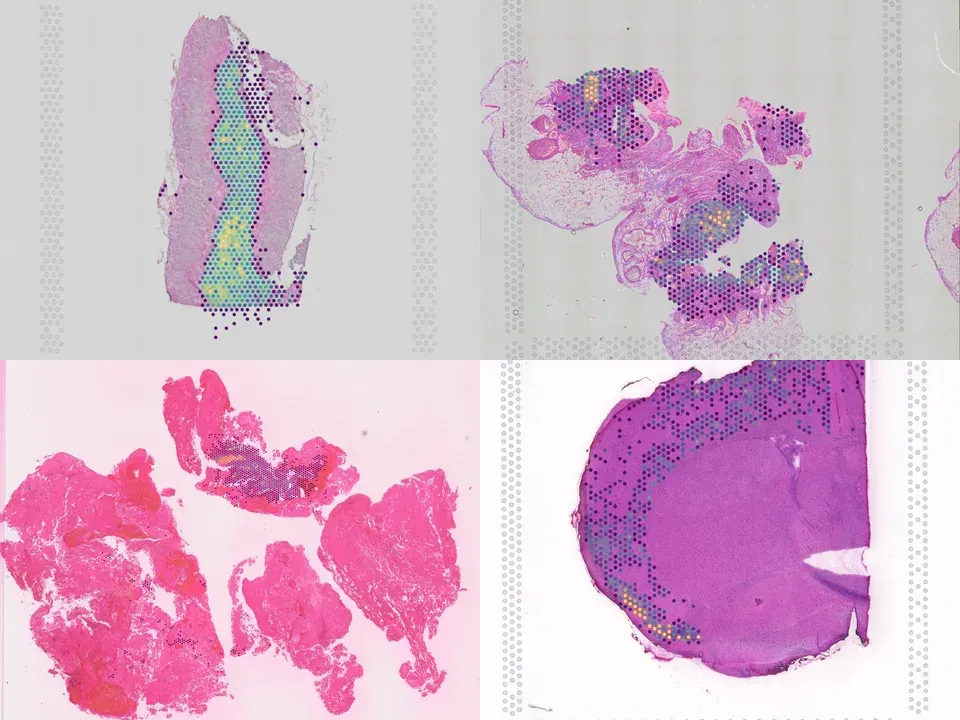
The adrenal gland is a fundamental endocrine organ exhibiting constant renewal. Despite extensive work in rodents, human-specific aspects of hormone-producing cell populations, stem cells, and self-renewal mechanisms are not fully understood. To fill this knowledge gap and address species-specific features, we generated high density single-cell and spatial transcriptomics atlases of adult human and mouse adrenal glands using Visium, VisiumHD and Stereo-seq, covering a spectrum of sexes and ages. Our comparisons between human and murine adrenal gland revealed significant evolutionary divergence despite homology in function of specific regions, which questiones the applicability of mouse models in studies of human adrenal disorders. Self-renewal mechanisms in adrenocortical populations that were previously discovered in mice also revealed human-specific features or were confronted by human-specific transitions not evident in rodents. The latter included specific perivascular mesenchymal progenitors, and dispersed SF1+/EZH2+ progenitor cells, which implies that human adrenocortical cells may be renewed in a localized manner in addition to the centripetal model. We also engaged in cross-comparison of our adult human adrenals with fetal stages to reveal developmental strategies still operating as a part of self-renewal in adults. Unexpectedly, human SF1+/EZH2+ progenitors turned out to be operating during adrenocortical development and later during adult stages, albeit in different degrees. At last, we revealed sex-specific differences in human cholesterol metabolism and other features reflecting human and mouse sexual dimorphism in adrenal glands. Overall, our new comparative mouse-human atlases shall provide an additional resource for further molecular interrogations of adrenal gland biology and pathology.
from sddb import Catalog

cohort = Catalog().collection("geo-gse253850")
cohort.members        # the 4 datasets as a table

print(cohort.licenses())              # check the terms before you download

sdatas = cohort.to_dict()             # {uid: SpatialData}, cached locally
# or keep the .zarr files in a folder of your choice:
# sdatas = cohort.to_dict(dest="data/")Needs pip install lamindb and network access to the Lamin database, which is limited during the alpha. If it fails, use the Client tab.
import lamindb as ln

db = ln.DB("scverse/spatialdata-db")
coll = db.Collection.get(key="geo-gse253850")
coll.ordered_artifacts.to_dataframe()   # the 4 members, ordered

# download every member .zarr to the local cache:
paths = [a.cache() for a in coll.ordered_artifacts.all()]# sddb client: download every member .zarr into data/
sddb-cli download --collection geo-gse253850 --dest data/Licenses: 4 NCBI GEO policy
No linked publication found — please cite the data source.