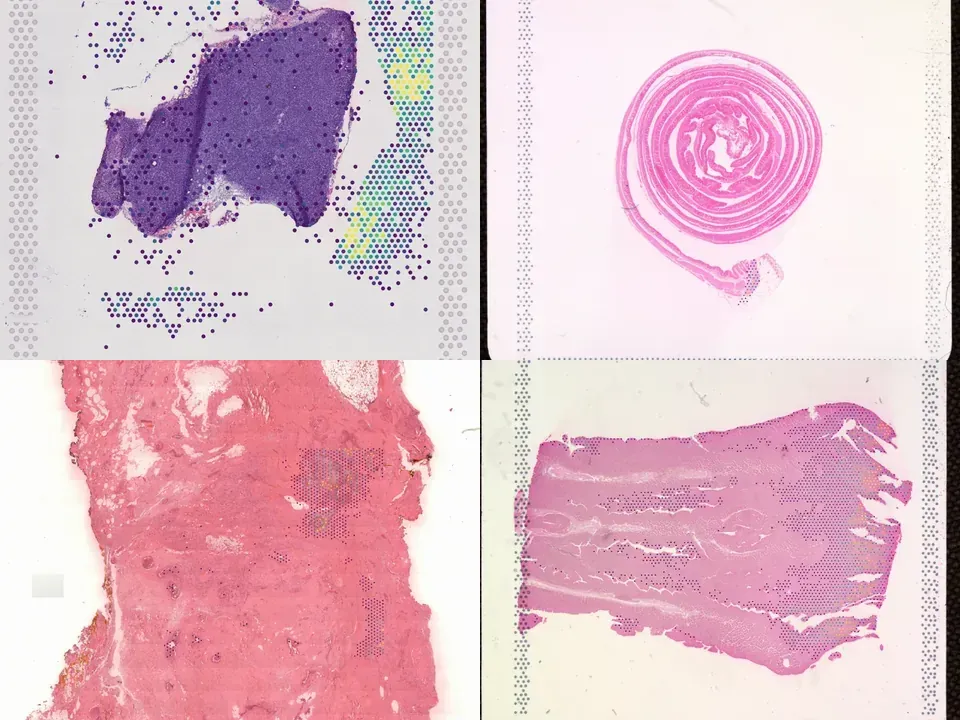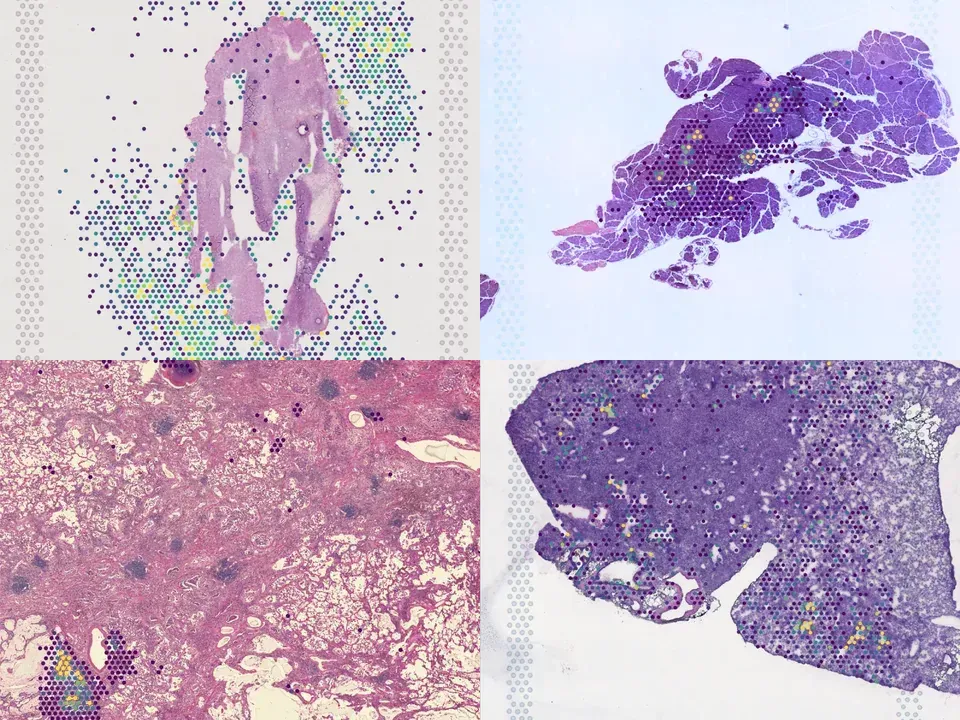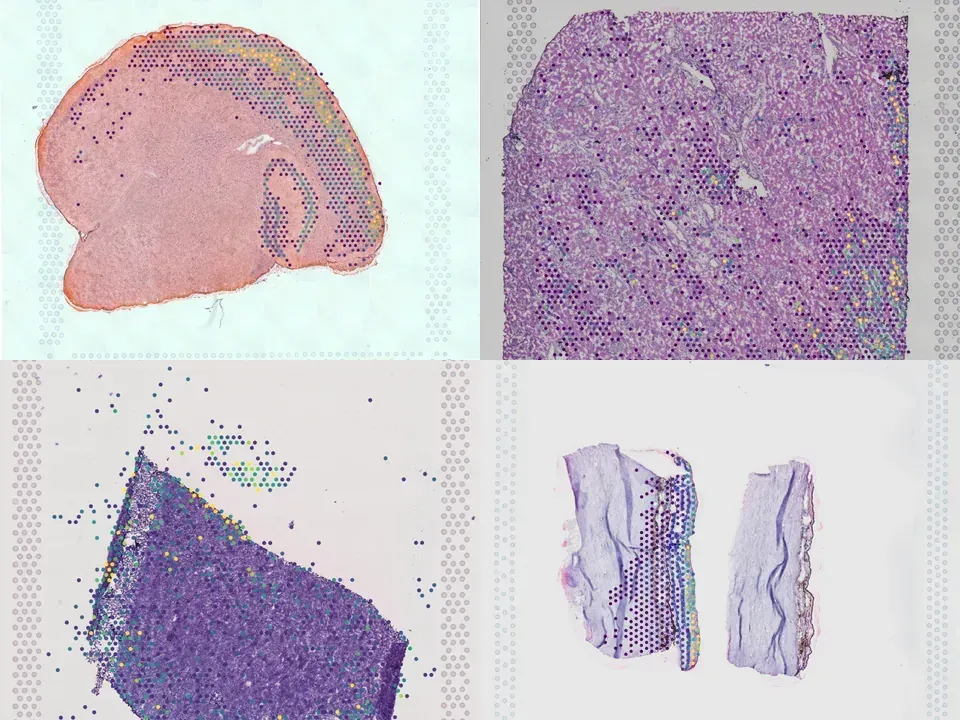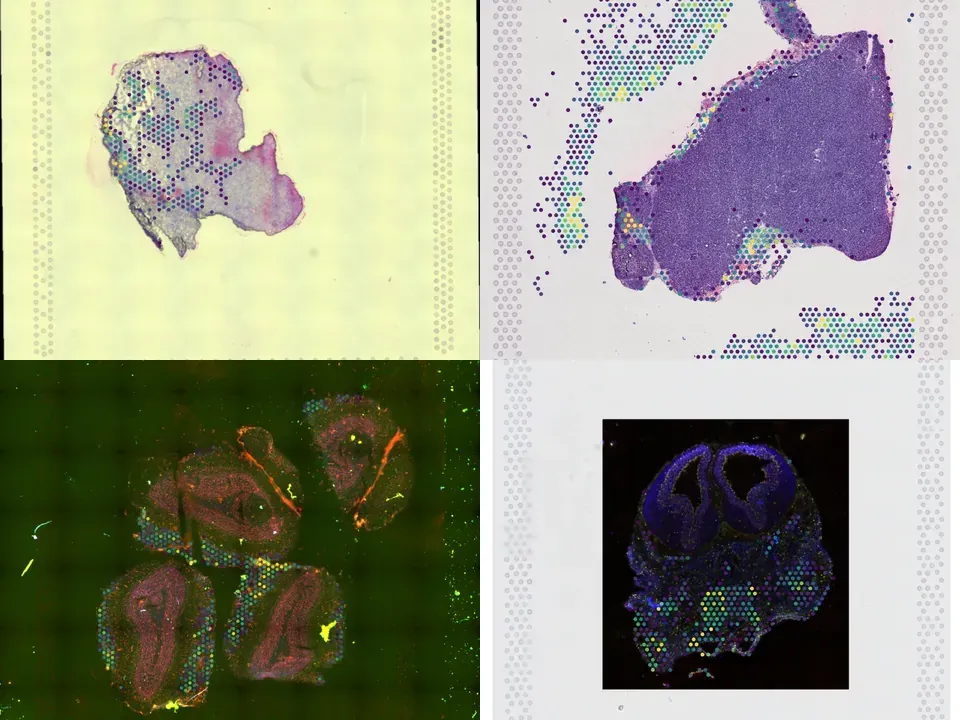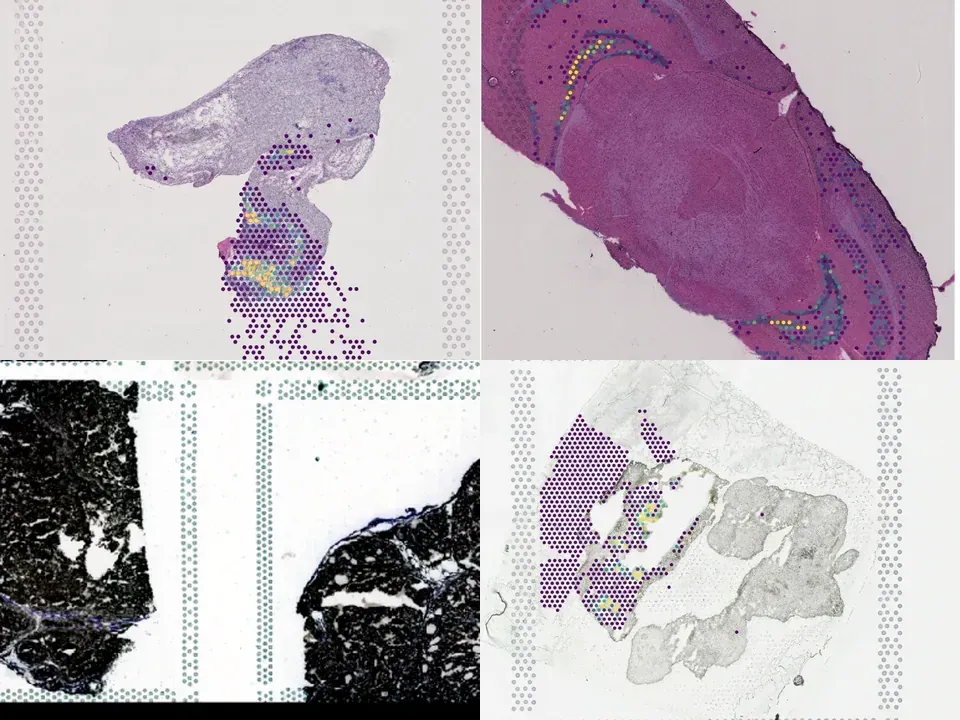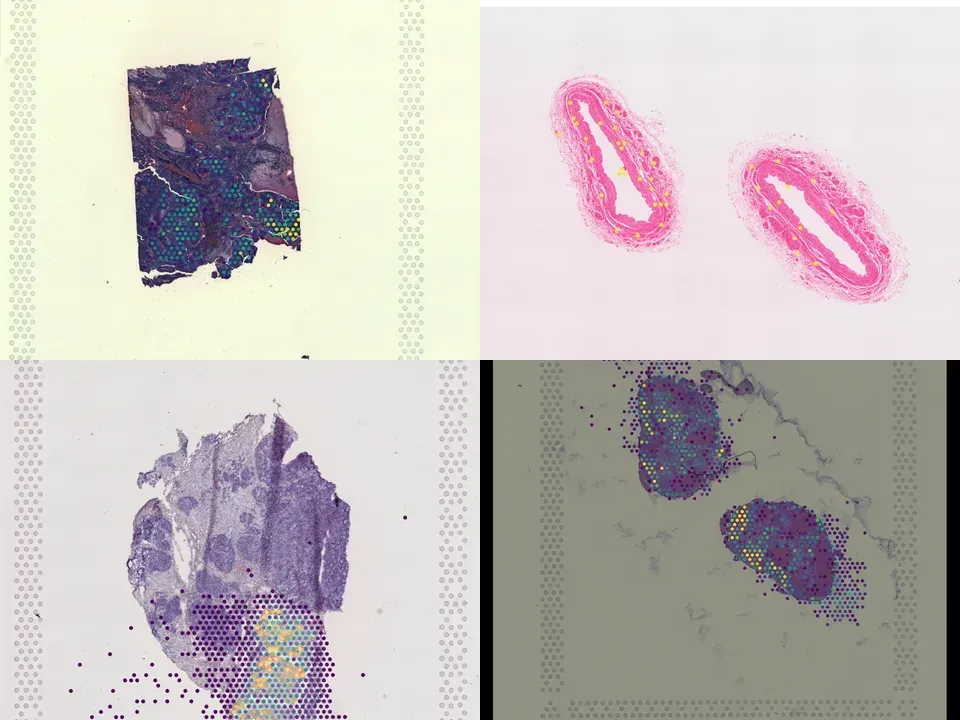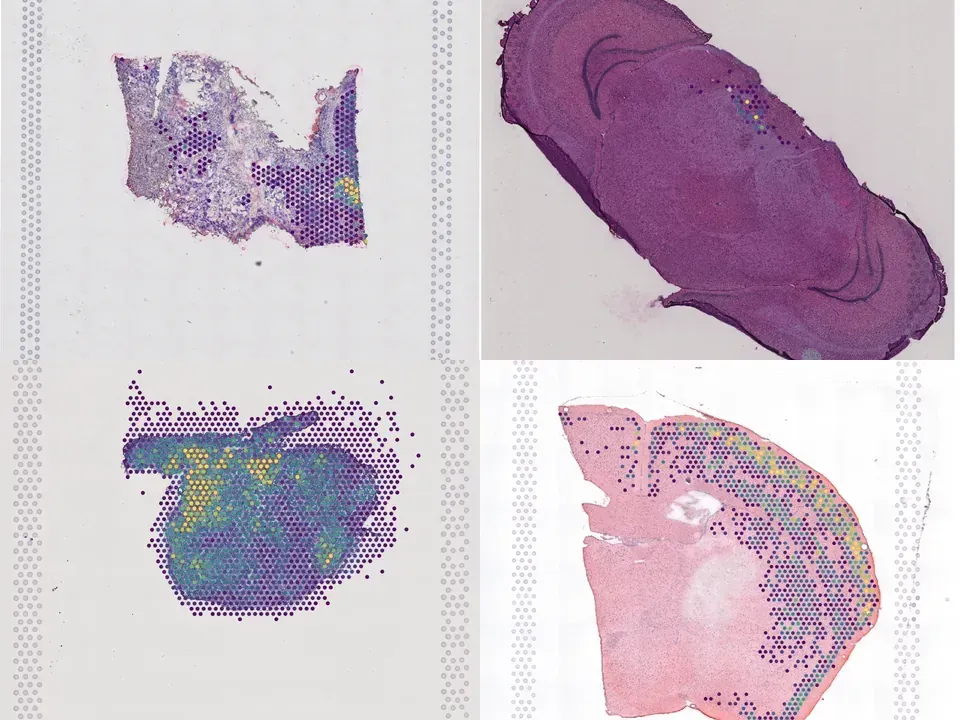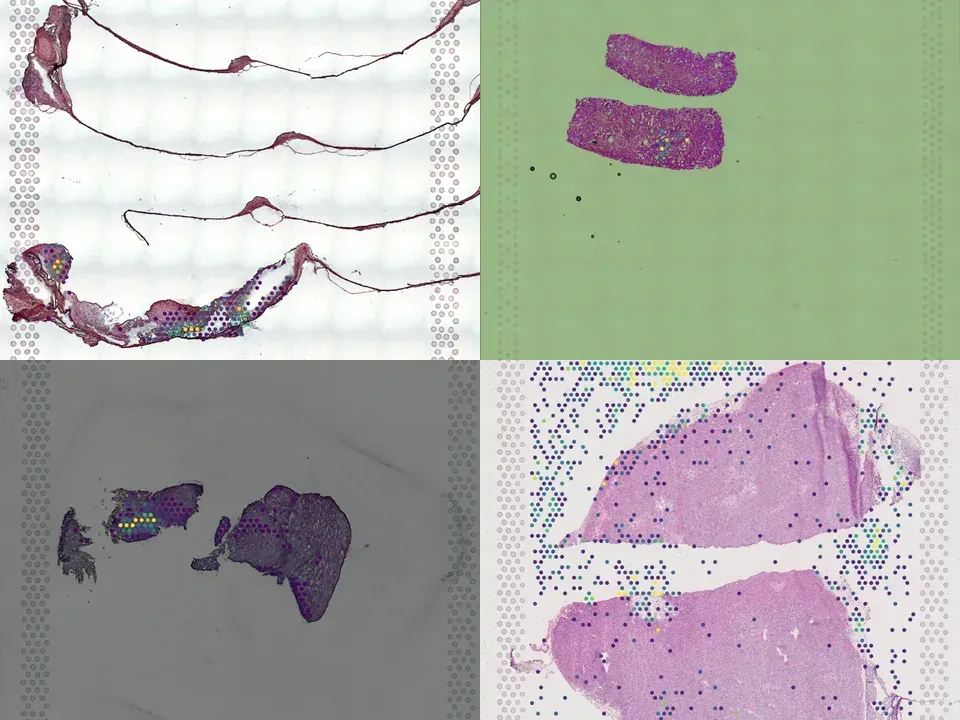
Collections / Spatiotemporal profiling defines persistence and resistance dynamics during targeted treatment of BRAF-mutant melanoma

Spatiotemporal profiling defines persistence and resistance dynamics during targeted treatment of BRAF-mutant melanoma

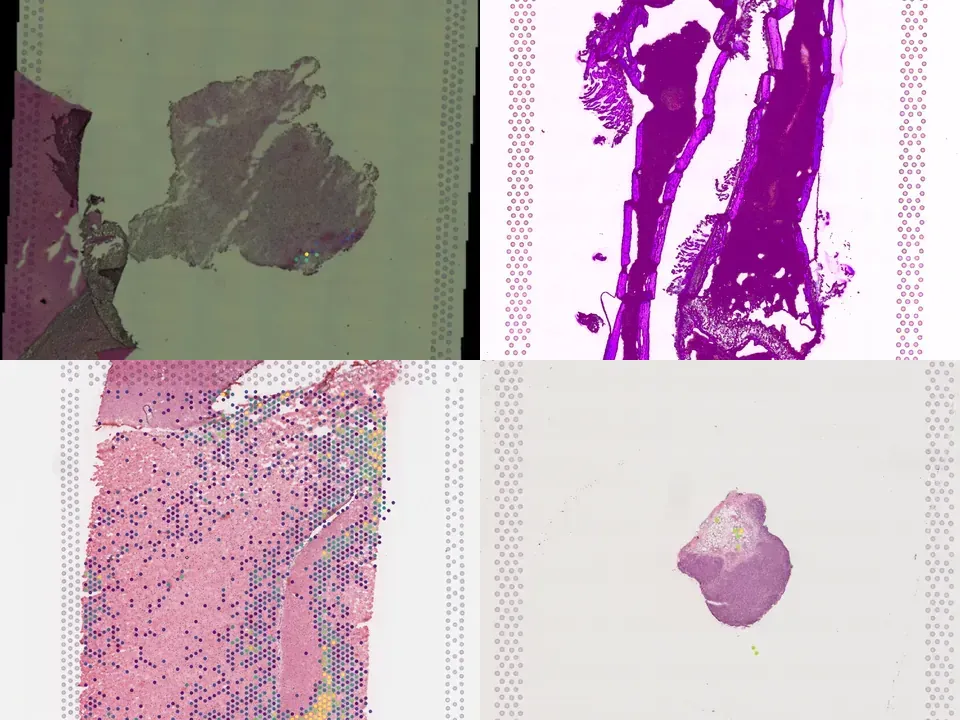
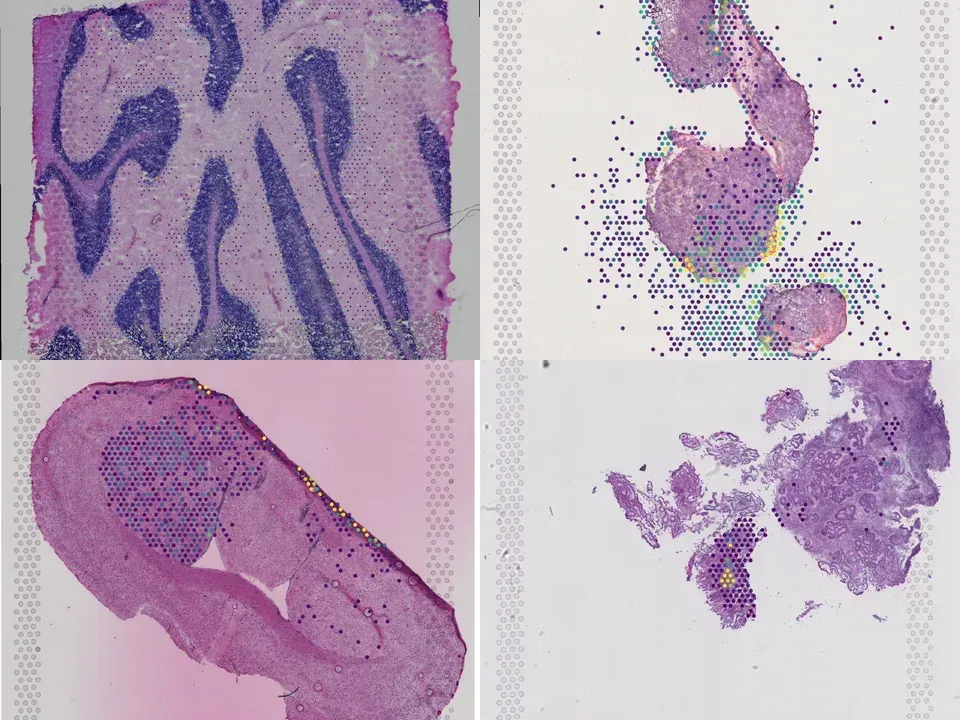
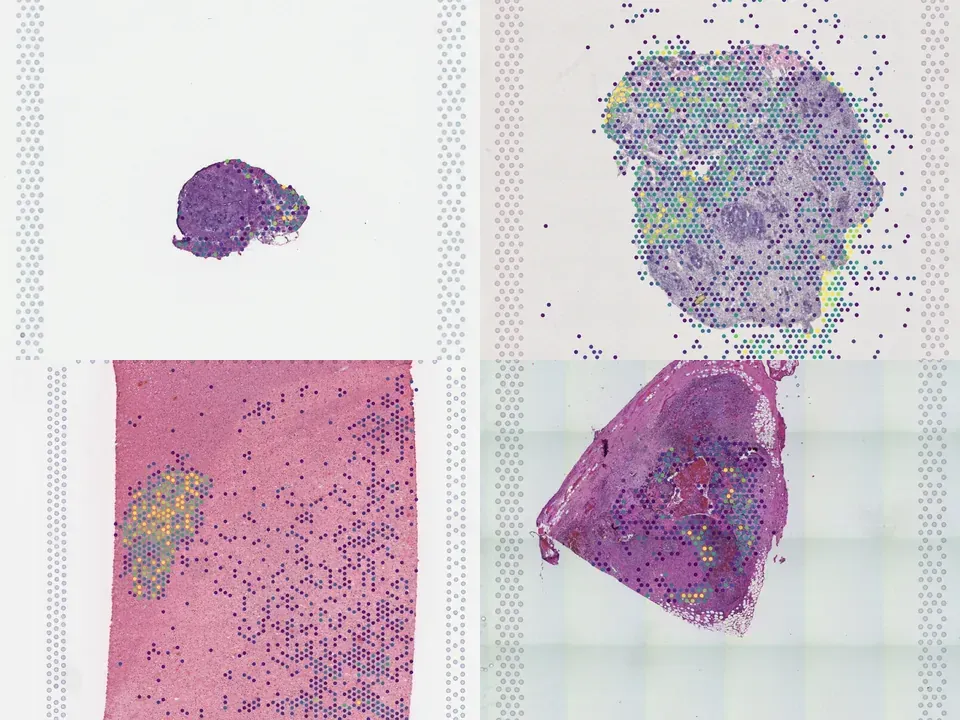
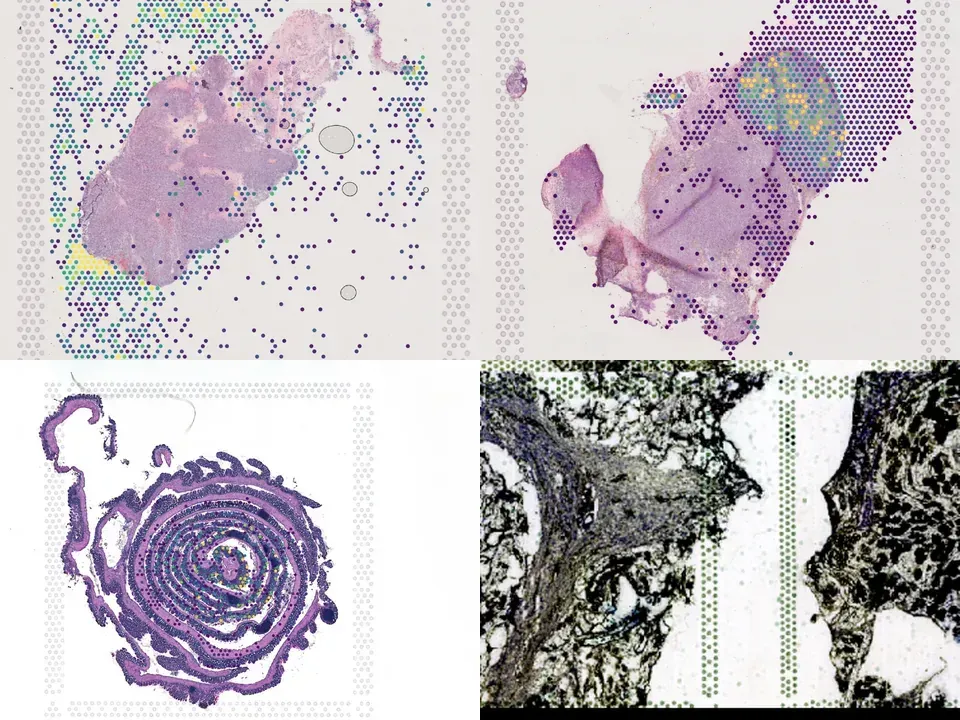
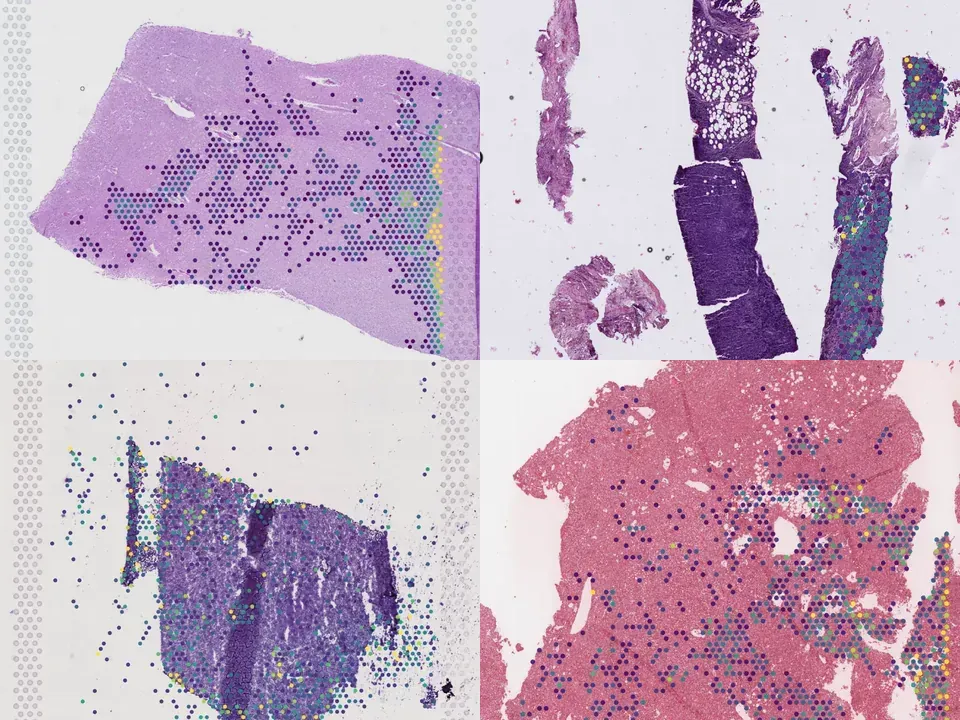
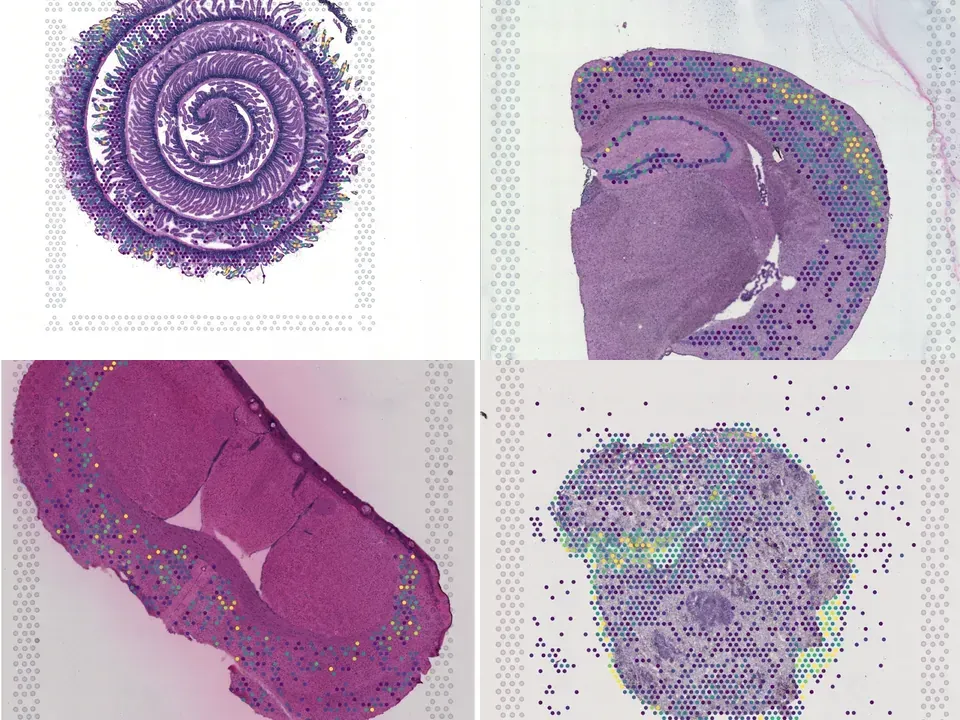
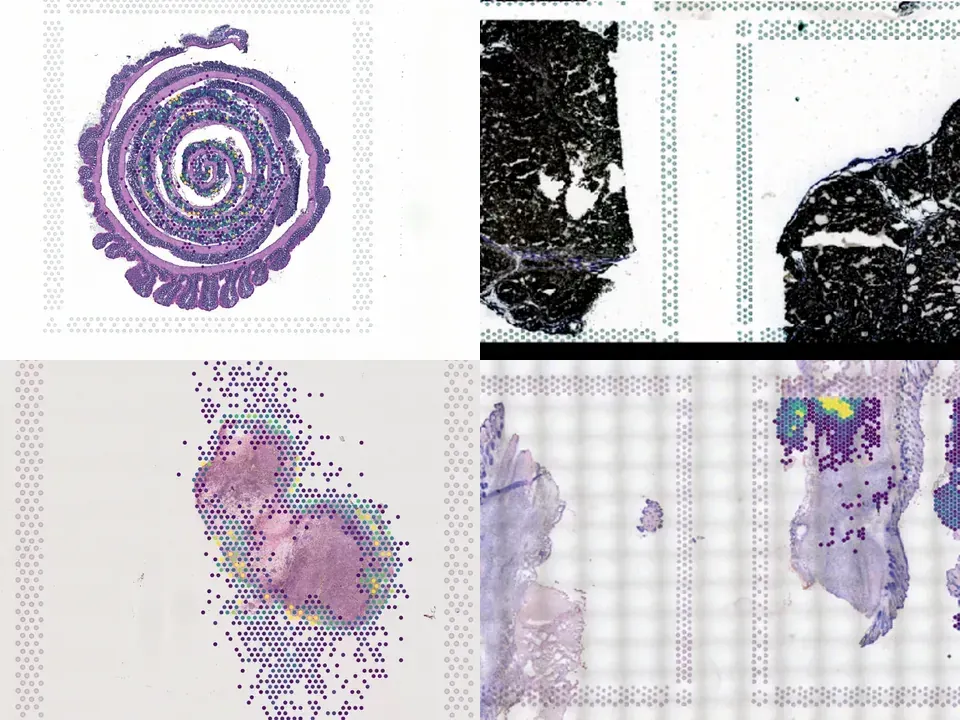
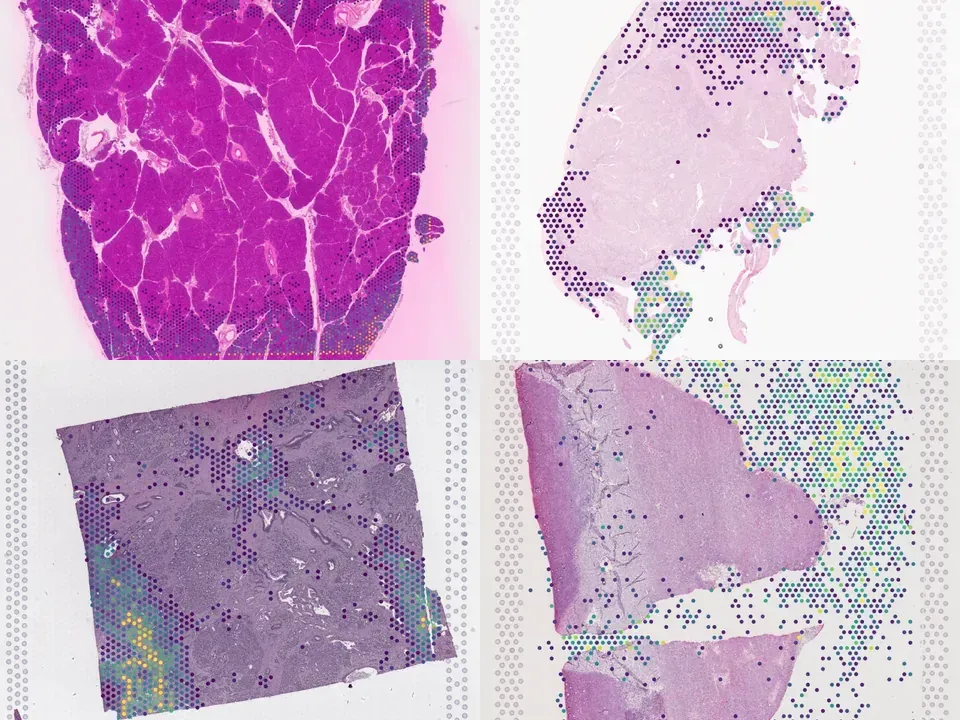
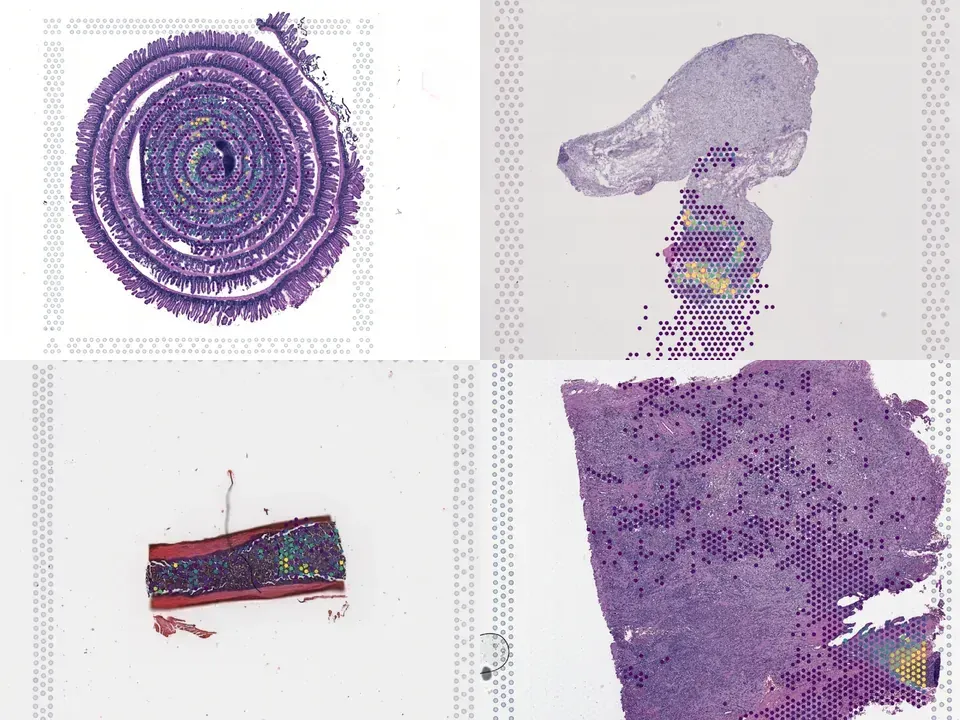
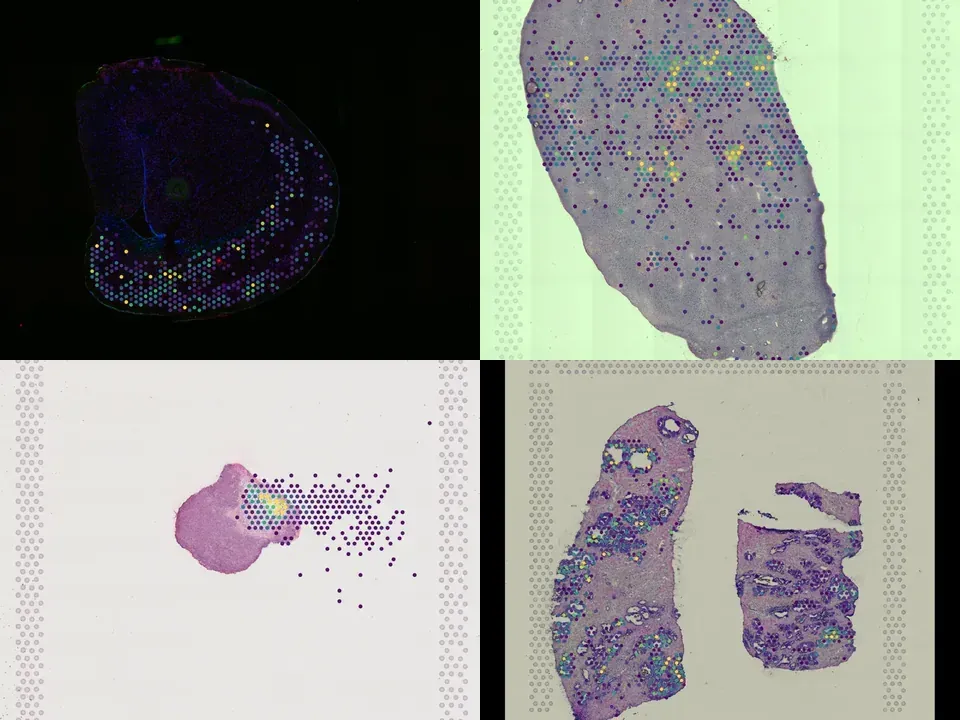
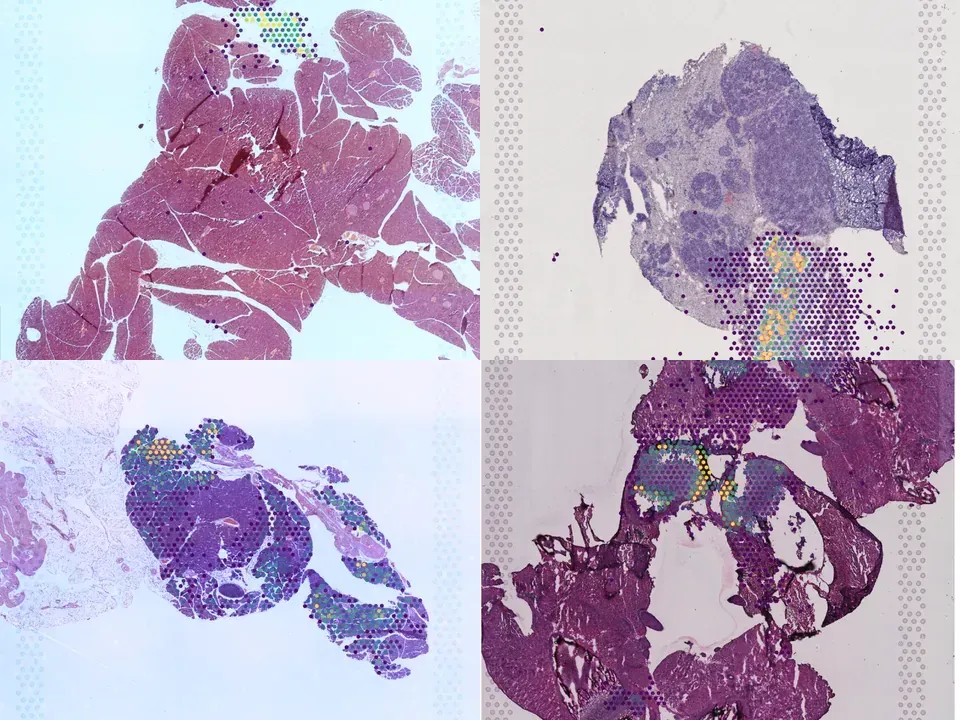
Over half of BRAF-mutant melanoma patients with initial response to targeted therapy will recur with resistant disease. It is thought that resistance can arise from the ability of cells to enter and exit a slow cycling persister state, evade treatment with relative dormancy, and repopulate the tumor when reactivated. However, the expression states of persister and resistant cells, their spatial relationships in the tumor environment, and the evolutionary progression among these populations are not well understood. Using patient derived xenograft (PDX) models, we track melanoma evolution longitudinally from pre-treatment through maximum treatment response and tumor regrowth. We perform spatial transcriptomics (ST) to 1. define expression signatures within treatment-sensitive, persister, and re-emergent populations, 2. uncover fluctuating metabolic priorities as a hallmark of tumor evolution both across treatment time and geographically across tissue sections, and 3. identify specific genes and pathways within persister and resistant lineages as candidate resistance mechanisms, suggesting potential therapeutic targets. Our novel computational pipeline integrates ST data with deep learning imaging features derived from accompanying histopathological slides. We identify phenotypic states that correlate with the persister cell state, exploiting the juxtaposition of transcriptomic and histological features toward the goal of identifying clonal populations using imaging data alone. In summary, we provide insight into the dynamics of shifting expression state and lineage selection in melanoma during multiple stages of treatment with novel spatiotemporal resolution, defining an evolutionary roadmap to acquired resistance.

Datasets23
Size~1.2 GB
AssayVisium
Samplemouse · skin of body
KindTime course
Flag a data issue
PMID:39700408 ↗
Python · sddb client
from sddb import Catalog

cohort = Catalog().collection("geo-gse245582")
cohort.members        # the 23 datasets as a table

print(cohort.licenses())              # check the terms before you download

sdatas = cohort.to_dict()             # {uid: SpatialData}, cached locally
# or keep the .zarr files in a folder of your choice:
# sdatas = cohort.to_dict(dest="data/")
Python · lamindb

Needs pip install lamindb and network access to the Lamin database, which is limited during the alpha. If it fails, use the Client tab.

import lamindb as ln

db = ln.DB("scverse/spatialdata-db")
coll = db.Collection.get(key="geo-gse245582")
coll.ordered_artifacts.to_dataframe()   # the 23 members, ordered

# download every member .zarr to the local cache:
paths = [a.cache() for a in coll.ordered_artifacts.all()]
Shell
# sddb client: download every member .zarr into data/
sddb-cli download --collection geo-gse245582 --dest data/

Licenses: 23 NCBI GEO policy
Open in Vitessce
Visium
Mouse skin of body
GSM7845289
mouse skin of body 15.7 MB 4,992 spots bronze H&E NCBI GEO policy
TechnologyVisium
Organismmouse
Tissueskin of body
Size15.7 MB
Spots4,992
Magnificationother · 3.413 µm/px
bronze H&E NCBI GEO policy Open in Vitessce
Open in Vitessce
Visium
Mouse skin of body
GSM7845290
mouse skin of body 15.2 MB 4,992 spots bronze H&E NCBI GEO policy
TechnologyVisium
Organismmouse
Tissueskin of body
Size15.2 MB
Spots4,992
Magnificationother · 3.400 µm/px
bronze H&E NCBI GEO policy Open in Vitessce
Open in Vitessce
Visium
Mouse skin of body
GSM7845293
mouse skin of body 39.6 MB 4,992 spots bronze H&E NCBI GEO policy
TechnologyVisium
Organismmouse
Tissueskin of body
Size39.6 MB
Spots4,992
Magnificationother · 3.419 µm/px
bronze H&E NCBI GEO policy Open in Vitessce
Open in Vitessce
Visium
Mouse skin of body
GSM7845306
mouse skin of body 66.3 MB 4,992 spots bronze H&E NCBI GEO policy
TechnologyVisium
Organismmouse
Tissueskin of body
Size66.3 MB
Spots4,992
Magnificationother · 3.423 µm/px
bronze H&E NCBI GEO policy Open in Vitessce
Open in Vitessce
Visium
Mouse skin of body
GSM7845295
mouse skin of body 54.8 MB 4,992 spots bronze H&E NCBI GEO policy
TechnologyVisium
Organismmouse
Tissueskin of body
Size54.8 MB
Spots4,992
Magnificationother · 3.407 µm/px
bronze H&E NCBI GEO policy Open in Vitessce
Open in Vitessce
Visium
Mouse skin of body
GSM7845297
mouse skin of body 58.0 MB 4,992 spots bronze H&E NCBI GEO policy
TechnologyVisium
Organismmouse
Tissueskin of body
Size58.0 MB
Spots4,992
Magnificationother · 3.411 µm/px
bronze H&E NCBI GEO policy Open in Vitessce
Open in Vitessce
Visium
Mouse skin of body
GSM7845305
mouse skin of body 73.9 MB 4,992 spots bronze H&E NCBI GEO policy
TechnologyVisium
Organismmouse
Tissueskin of body
Size73.9 MB
Spots4,992
Magnificationother · 3.423 µm/px
bronze H&E NCBI GEO policy Open in Vitessce
Open in Vitessce
Visium
Mouse skin of body
GSM7845291
mouse skin of body 24.5 MB 4,992 spots bronze H&E NCBI GEO policy
TechnologyVisium
Organismmouse
Tissueskin of body
Size24.5 MB
Spots4,992
Magnificationother · 3.389 µm/px
bronze H&E NCBI GEO policy Open in Vitessce
Open in Vitessce
Visium
Mouse skin of body
GSM7845288
mouse skin of body 81.8 MB 4,992 spots bronze H&E NCBI GEO policy
TechnologyVisium
Organismmouse
Tissueskin of body
Size81.8 MB
Spots4,992
Magnificationother · 3.436 µm/px
bronze H&E NCBI GEO policy Open in Vitessce
Open in Vitessce
Visium
Mouse skin of body
GSM7845300
mouse skin of body 55.9 MB 4,992 spots bronze H&E NCBI GEO policy
TechnologyVisium
Organismmouse
Tissueskin of body
Size55.9 MB
Spots4,992
Magnificationother · 3.425 µm/px
bronze H&E NCBI GEO policy Open in Vitessce
Open in Vitessce
Visium
Mouse skin of body
GSM7845285
mouse skin of body 37.8 MB 4,992 spots bronze H&E NCBI GEO policy
TechnologyVisium
Organismmouse
Tissueskin of body
Size37.8 MB
Spots4,992
Magnificationother · 3.413 µm/px
bronze H&E NCBI GEO policy Open in Vitessce
Open in Vitessce
Visium
Mouse skin of body
GSM7845298
mouse skin of body 62.5 MB 4,992 spots bronze H&E NCBI GEO policy
TechnologyVisium
Organismmouse
Tissueskin of body
Size62.5 MB
Spots4,992
Magnificationother · 3.402 µm/px
bronze H&E NCBI GEO policy Open in Vitessce
Open in Vitessce
Visium
Mouse skin of body
GSM7845308
mouse skin of body 94.9 MB 4,992 spots bronze H&E NCBI GEO policy
TechnologyVisium
Organismmouse
Tissueskin of body
Size94.9 MB
Spots4,992
Magnificationother · 3.463 µm/px
bronze H&E NCBI GEO policy Open in Vitessce
Open in Vitessce
Visium
Mouse skin of body
GSM7845299
mouse skin of body 65.5 MB 4,992 spots bronze H&E NCBI GEO policy
TechnologyVisium
Organismmouse
Tissueskin of body
Size65.5 MB
Spots4,992
Magnificationother · 3.426 µm/px
bronze H&E NCBI GEO policy Open in Vitessce
Open in Vitessce
Visium
Mouse skin of body
GSM7845294
mouse skin of body 38.4 MB 4,992 spots bronze H&E NCBI GEO policy
TechnologyVisium
Organismmouse
Tissueskin of body
Size38.4 MB
Spots4,992
Magnificationother · 3.406 µm/px
bronze H&E NCBI GEO policy Open in Vitessce
Open in Vitessce
Visium
Mouse skin of body
GSM7845296
mouse skin of body 53.6 MB 4,992 spots bronze H&E NCBI GEO policy
TechnologyVisium
Organismmouse
Tissueskin of body
Size53.6 MB
Spots4,992
Magnificationother · 3.423 µm/px
bronze H&E NCBI GEO policy Open in Vitessce
Open in Vitessce
Visium
Mouse skin of body
GSM7845292
mouse skin of body 26.1 MB 4,992 spots bronze H&E NCBI GEO policy
TechnologyVisium
Organismmouse
Tissueskin of body
Size26.1 MB
Spots4,992
Magnificationother · 3.423 µm/px
bronze H&E NCBI GEO policy Open in Vitessce
Open in Vitessce
Visium
Mouse skin of body
GSM7845286
mouse skin of body 49.5 MB 4,992 spots bronze H&E NCBI GEO policy
TechnologyVisium
Organismmouse
Tissueskin of body
Size49.5 MB
Spots4,992
Magnificationother · 3.465 µm/px
bronze H&E NCBI GEO policy Open in Vitessce
Open in Vitessce
Visium
Mouse skin of body
GSM7845303
mouse skin of body 38.8 MB 4,991 spots bronze H&E NCBI GEO policy
TechnologyVisium
Organismmouse
Tissueskin of body
Size38.8 MB
Spots4,991
Magnificationother · 3.407 µm/px
bronze H&E NCBI GEO policy Open in Vitessce
Open in Vitessce
Visium
Mouse skin of body
GSM7845307
mouse skin of body 81.6 MB 4,992 spots bronze H&E NCBI GEO policy
TechnologyVisium
Organismmouse
Tissueskin of body
Size81.6 MB
Spots4,992
Magnificationother · 3.453 µm/px
bronze H&E NCBI GEO policy Open in Vitessce
Open in Vitessce
Visium
Mouse skin of body
GSM7845301
mouse skin of body 51.5 MB 4,992 spots bronze H&E NCBI GEO policy
TechnologyVisium
Organismmouse
Tissueskin of body
Size51.5 MB
Spots4,992
Magnificationother · 3.411 µm/px
bronze H&E NCBI GEO policy Open in Vitessce
Open in Vitessce
Visium
Mouse skin of body
GSM7845287
mouse skin of body 78.0 MB 4,992 spots bronze H&E NCBI GEO policy
TechnologyVisium
Organismmouse
Tissueskin of body
Size78.0 MB
Spots4,992
Magnificationother · 3.419 µm/px
bronze H&E NCBI GEO policy Open in Vitessce
Open in Vitessce
Visium
Mouse skin of body
GSM7845304
mouse skin of body 30.7 MB 4,992 spots bronze H&E NCBI GEO policy
TechnologyVisium
Organismmouse
Tissueskin of body
Size30.7 MB
Spots4,992
Magnificationother · 3.463 µm/px
bronze H&E NCBI GEO policy Open in Vitessce

Cite this collection

doi.org/10.1158/0008-5472.can-24-0690 ↗
BibTeX
@article{Rubinstein_2024,
  title = {Spatiotemporal Profiling Defines Persistence and Resistance Dynamics during Targeted Treatment of Melanoma},
  volume = {85},
  ISSN = {1538-7445},
  url = {http://dx.doi.org/10.1158/0008-5472.can-24-0690},
  DOI = {10.1158/0008-5472.can-24-0690},
  number = {5},
  journal = {Cancer Research},
  publisher = {American Association for Cancer Research (AACR)},
  author = {Rubinstein, Jill C. and Domanskyi, Sergii and Sheridan, Todd B. and Sanderson, Brian and Park, SungHee and Kaster, Jessica and Li, Haiyin and Anczukow, Olga and Herlyn, Meenhard and Chuang, Jeffrey H.},
  year = {2024},
  month = Dec,
  pages = {987–1002}
}