Collections / In vivo single-cell CRISPR uncovers distinct TNF-α programs in tumor evolution
In vivo single-cell CRISPR uncovers distinct TNF-α programs in tumor evolution
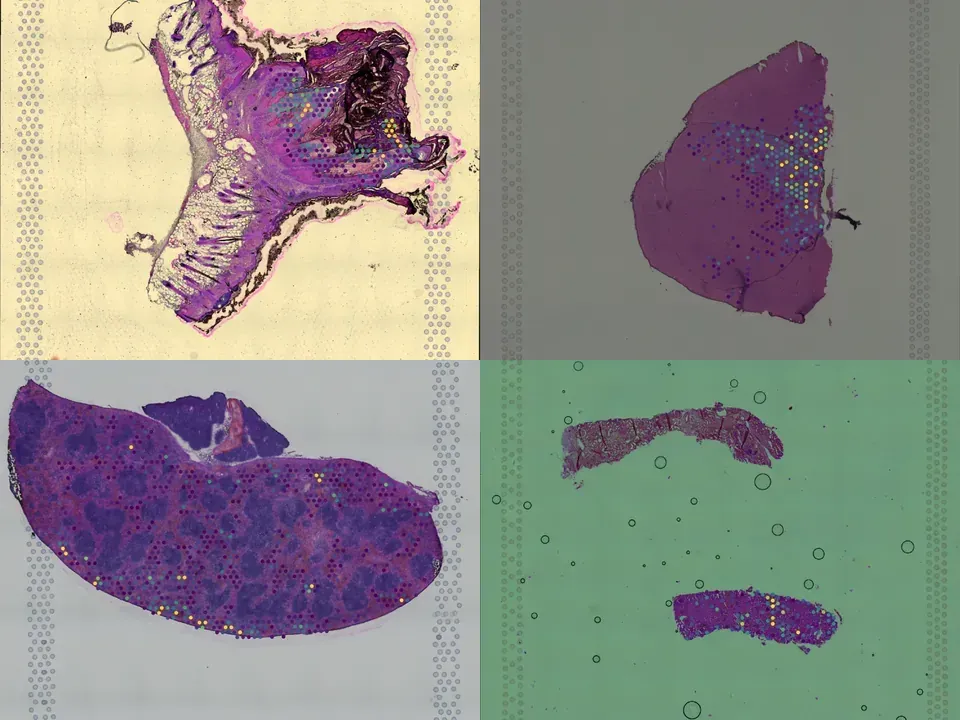
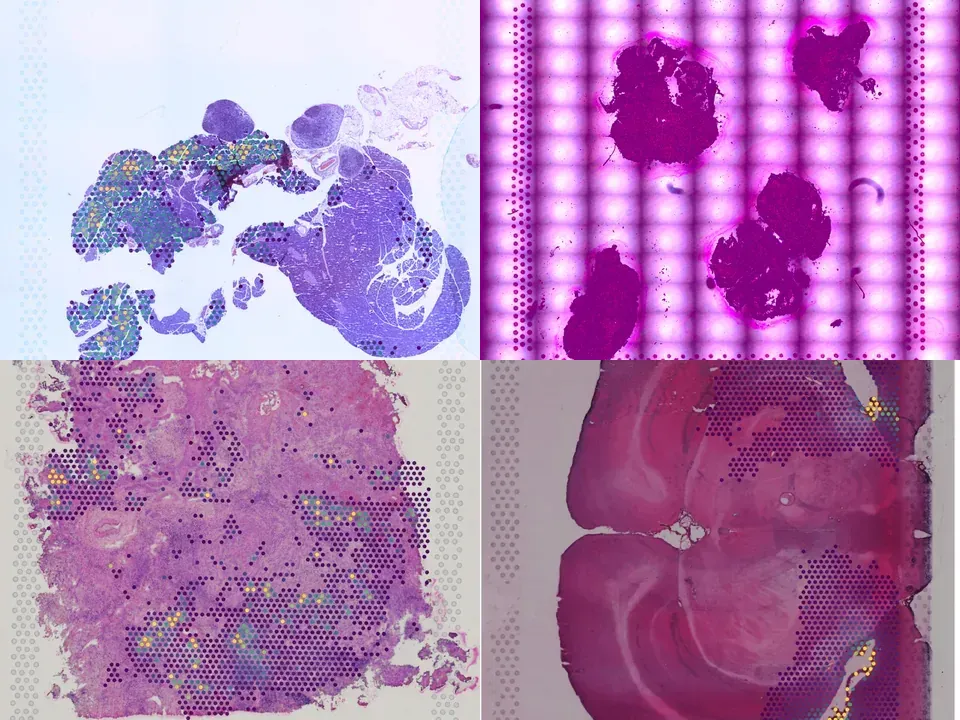
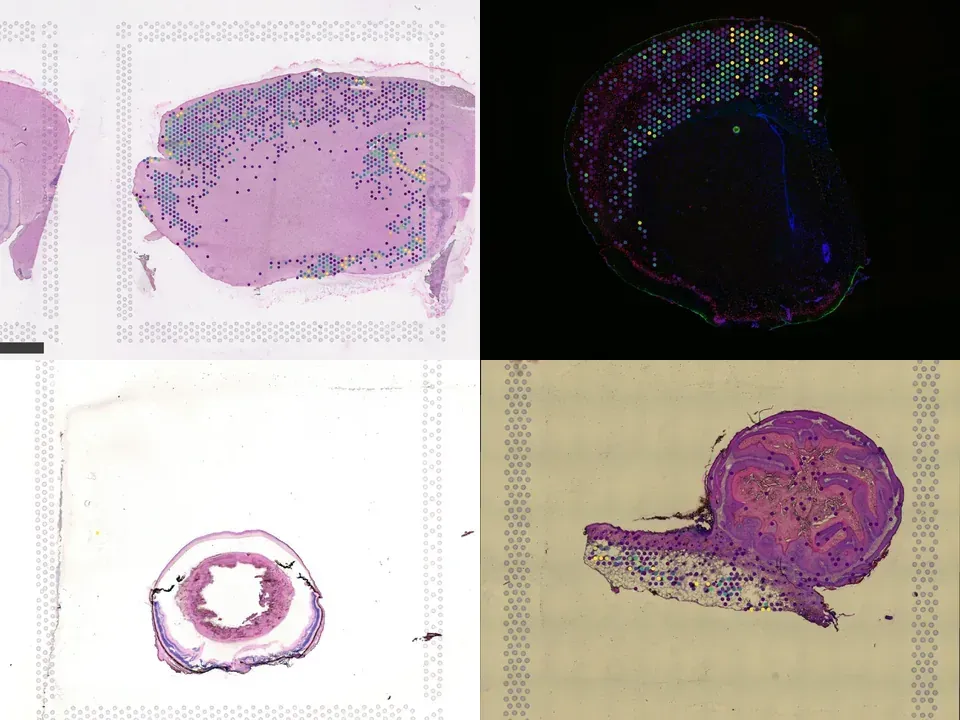
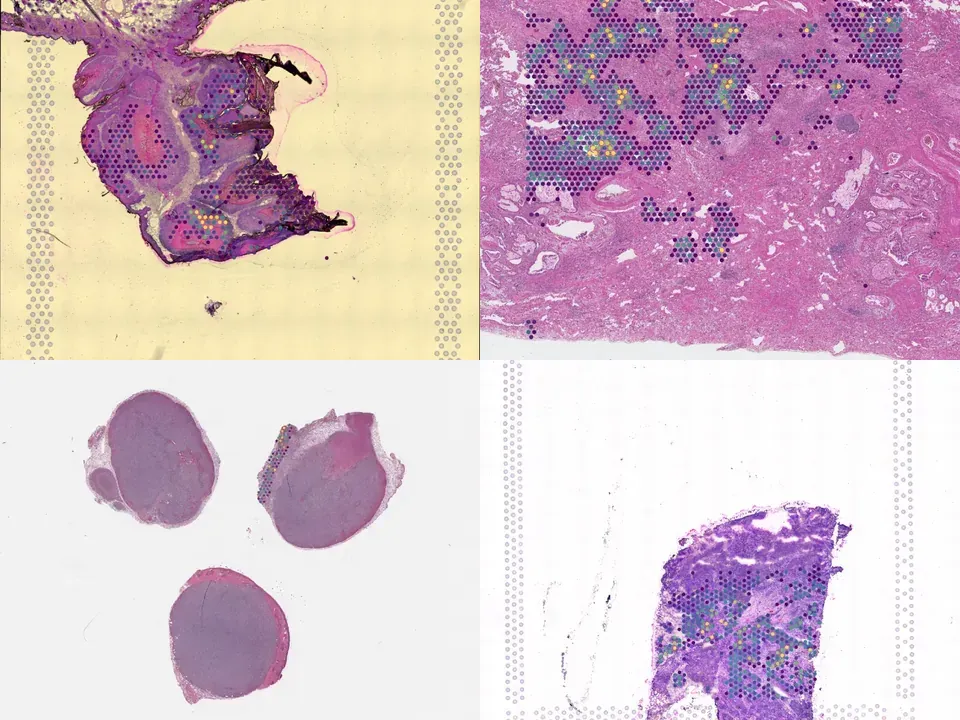
The tumor evolution model posits that malignant transformation is preceded by randomly distributed driver mutations in cancer genes, which cause clonal expansions in phenotypically normal tissues. Although clonal expansions can remodel entire tissues1-3, the mechanisms behind why only a small number of clones transform into malignant tumors remain enigmatic. Here, we develop an in vivo single-cell CRISPR strategy to systematically investigate tissue-wide clonal dynamics of the 150 most frequently mutated squamous cell carcinoma genes. We couple ultrasound-guided in utero lentiviral microinjections, single-cell RNA sequencing and guide capture to longitudinally monitor clonal expansions and document their underlying gene programs at single-cell transcriptomic resolution. We uncover a TNF-α signaling module, dependent on TNF receptor 1 and involving macrophages, that acts as a generalizable driver of clonal expansions in epithelial tissues. Conversely, during tumorigenesis, the TNF-α signaling module is downregulated. Instead, we identify a subpopulation of invasive cancer cells that switch to an autocrine TNF-α gene program, associated with epithelial-mesenchymal transition. Finally, we provide in vivo evidence that the autocrine TNF-α gene program is sufficient to mediate invasive properties and show that the TNF-α signature correlates with shorter overall survival in human squamous cell carcinoma patients. Collectively, our study demonstrates the power of applying in vivo single-cell CRISPR screening to mammalian tissues, unveils distinct TNF-α programs in tumor evolution and highlights the importance of understanding the relationship between clonal expansions in epithelia and tumorigenesis.
from sddb import Catalog

cohort = Catalog().collection("geo-gse235325")
cohort.members        # the 4 datasets as a table

print(cohort.licenses())              # check the terms before you download

sdatas = cohort.to_dict()             # {uid: SpatialData}, cached locally
# or keep the .zarr files in a folder of your choice:
# sdatas = cohort.to_dict(dest="data/")
Needs pip install lamindb and network access to the Lamin database, which is limited during the alpha. If it fails, use the Client tab.
import lamindb as ln

db = ln.DB("scverse/spatialdata-db")
coll = db.Collection.get(key="geo-gse235325")
coll.ordered_artifacts.to_dataframe()   # the 4 members, ordered

# download every member .zarr to the local cache:
paths = [a.cache() for a in coll.ordered_artifacts.all()]
@article{Renz_2024,
  title = {In vivo single-cell CRISPR uncovers distinct TNF programmes in tumour evolution},
  volume = {632},
  ISSN = {1476-4687},
  url = {http://dx.doi.org/10.1038/s41586-024-07663-y},
  DOI = {10.1038/s41586-024-07663-y},
  number = {8024},
  journal = {Nature},
  publisher = {Springer Science and Business Media LLC},
  author = {Renz, Peter F. and Ghoshdastider, Umesh and Baghai Sain, Simona and Valdivia-Francia, Fabiola and Khandekar, Ameya and Ormiston, Mark and Bernasconi, Martino and Duré, Clara and Kretz, Jonas A. and Lee, Minkyoung and Hyams, Katie and Forny, Merima and Pohly, Marcel and Ficht, Xenia and Ellis, Stephanie J. and Moor, Andreas E. and Sendoel, Ataman},
  year = {2024},
  month = July,
  pages = {419–428}
}