
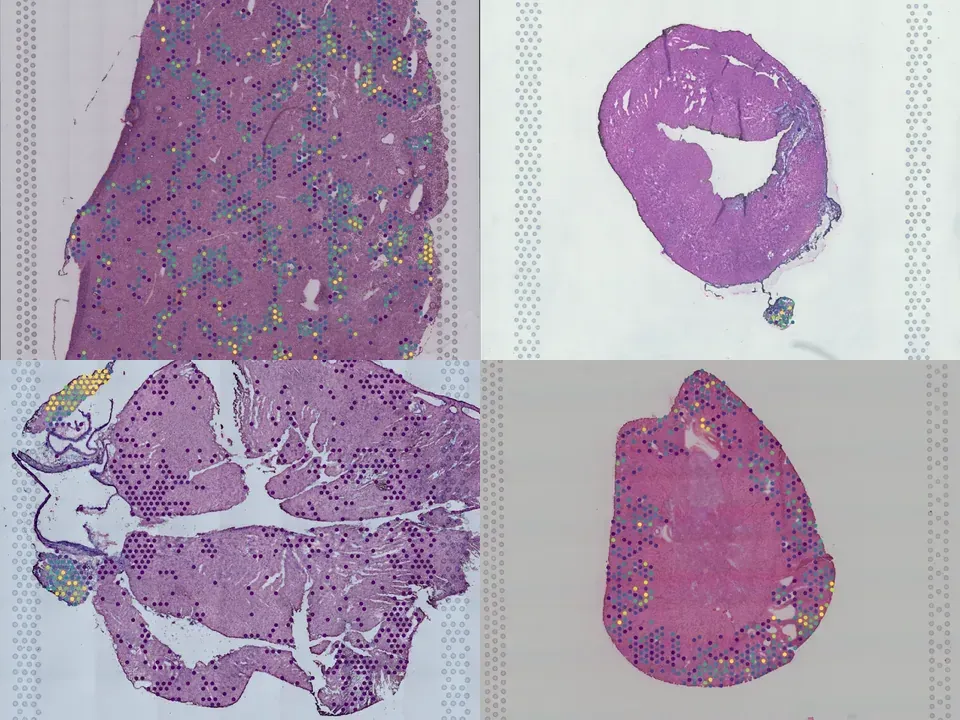
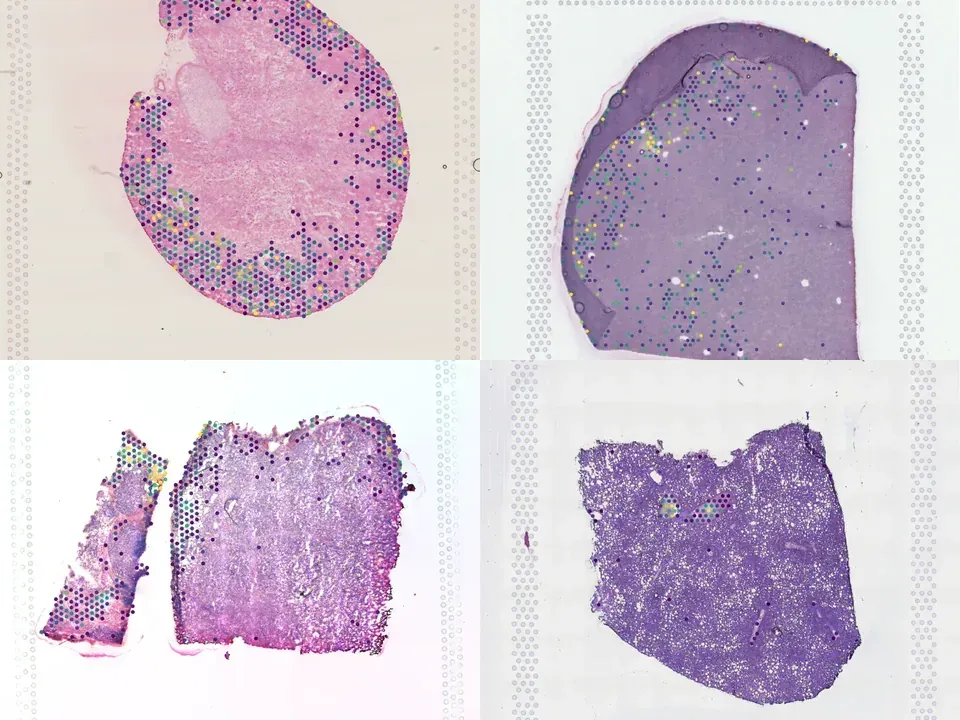
Mouse kidney
GSM5543479
mouse kidney 20.7 MB 1,617 spots silver H&E NCBI GEO policy
TechnologyVisium
Organismmouse
Tissuekidney
Spots1,617
silver H&E NCBI GEO policy
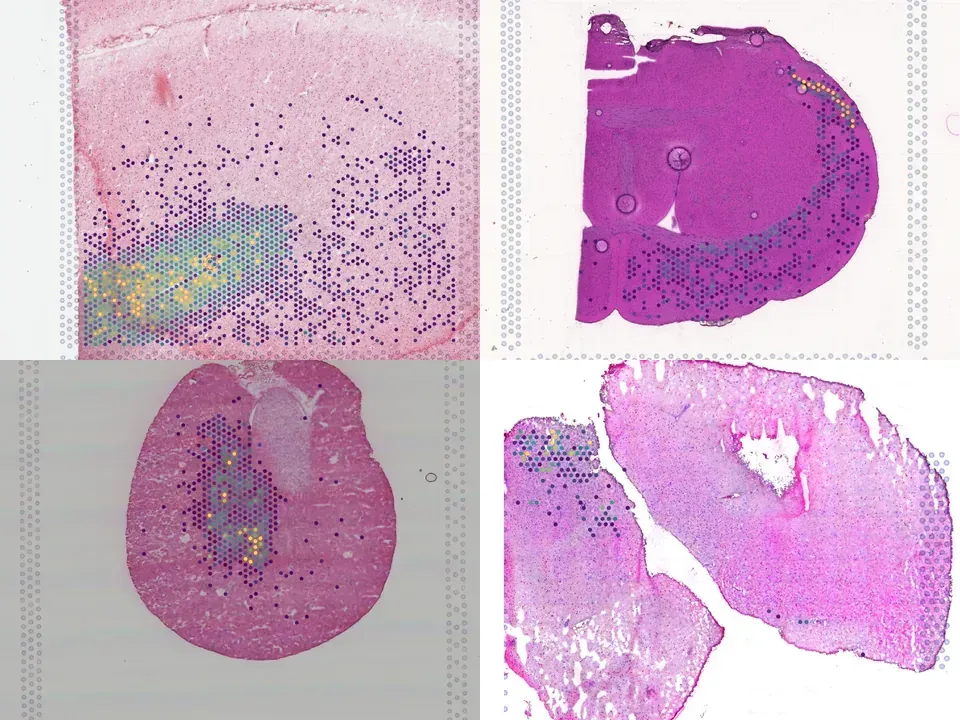
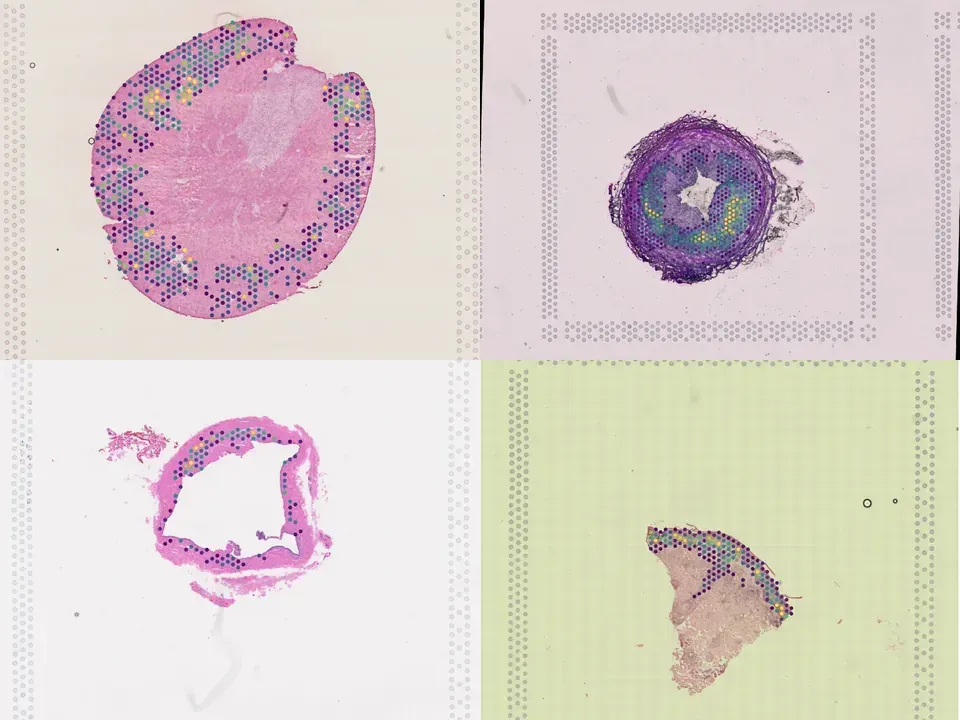
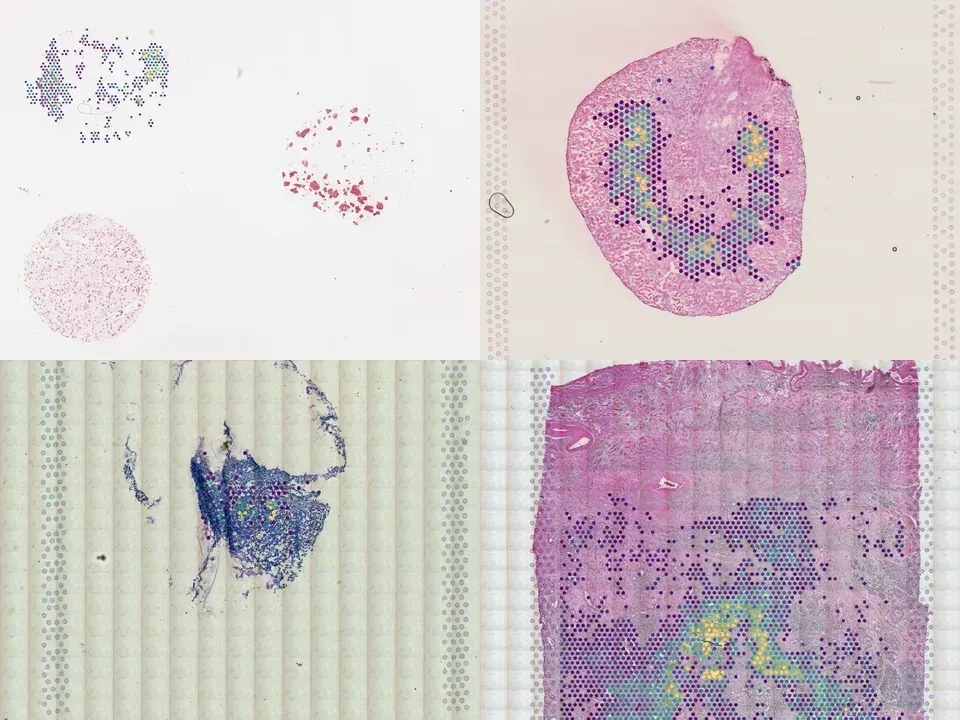
We optimized and validated a female bilateral ischemia reperfusion injury model. Using the 10X Genomics Visium Spatial Gene Expression solution, we generated spatial maps of gene expression across the injury and repair time course, and applied two open-source computational tools, Giotto and SPOTlight, to increase resolution and measure cell-cell interaction dynamics. An ischemia time of 34 minutes in a female murine model resulted in comparable injury to males across the time course of injury and repair. We report increased resolution of cell and gene expression with Giotto, a computational toolbox for spatial data analysis. Using a seeded non-negative matrix regression (SPOTlight) to deconvolute the dynamic landscape of cell-cell interactions, we find that injured proximal tubule cells are characterized by increasing macrophage and lymphocyte interactions even at 6 weeks after injury, consistent with a pro-inflammatory role for this cell state. In this transcriptomic atlas, we defined region-specific and injury-induced loss of differentiation markers and their re-expression during repair, as well as region-specific injury and repair transcriptional responses. Lastly, we created a data visualization web application for the scientific community to explore these results (http://humphreyslab.com/SingleCell/).
from sddb import Catalog

cohort = Catalog().collection("geo-gse182939")
cohort.members        # the 5 datasets as a table

print(cohort.licenses())              # check the terms before you download

sdatas = cohort.to_dict()             # {uid: SpatialData}, cached locally
# or keep the .zarr files in a folder of your choice:
# sdatas = cohort.to_dict(dest="data/")Needs pip install lamindb and network access to the Lamin database, which is limited during the alpha. If it fails, use the Client tab.
import lamindb as ln

db = ln.DB("scverse/spatialdata-db")
coll = db.Collection.get(key="geo-gse182939")
coll.ordered_artifacts.to_dataframe()   # the 5 members, ordered

# download every member .zarr to the local cache:
paths = [a.cache() for a in coll.ordered_artifacts.all()]# sddb client: download every member .zarr into data/
sddb-cli download --collection geo-gse182939 --dest data/Licenses: 5 NCBI GEO policy
No linked publication found — please cite the data source.