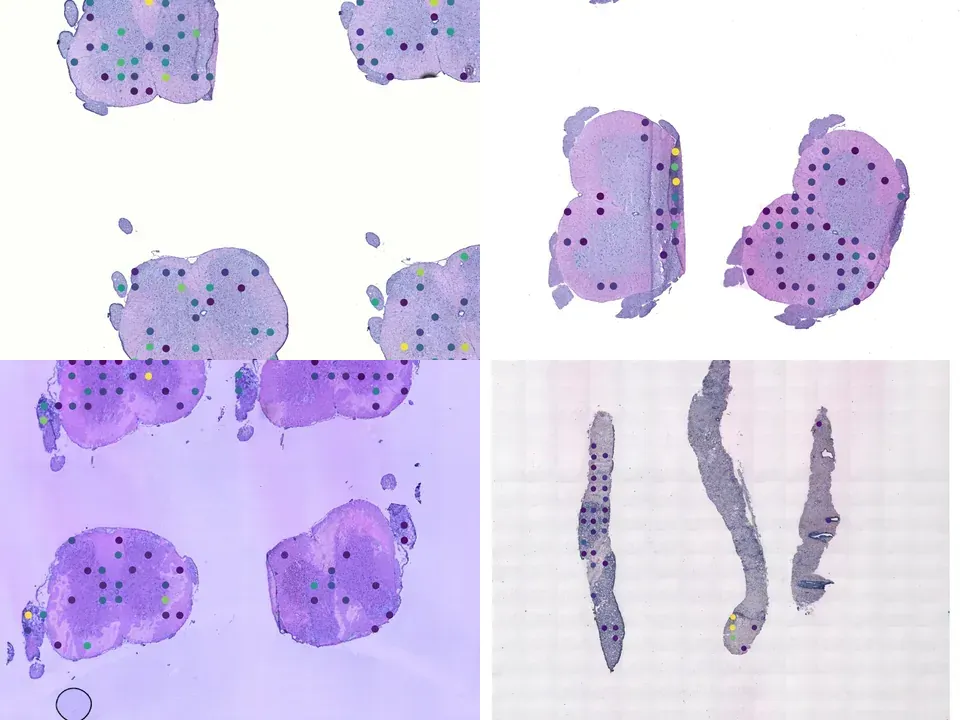
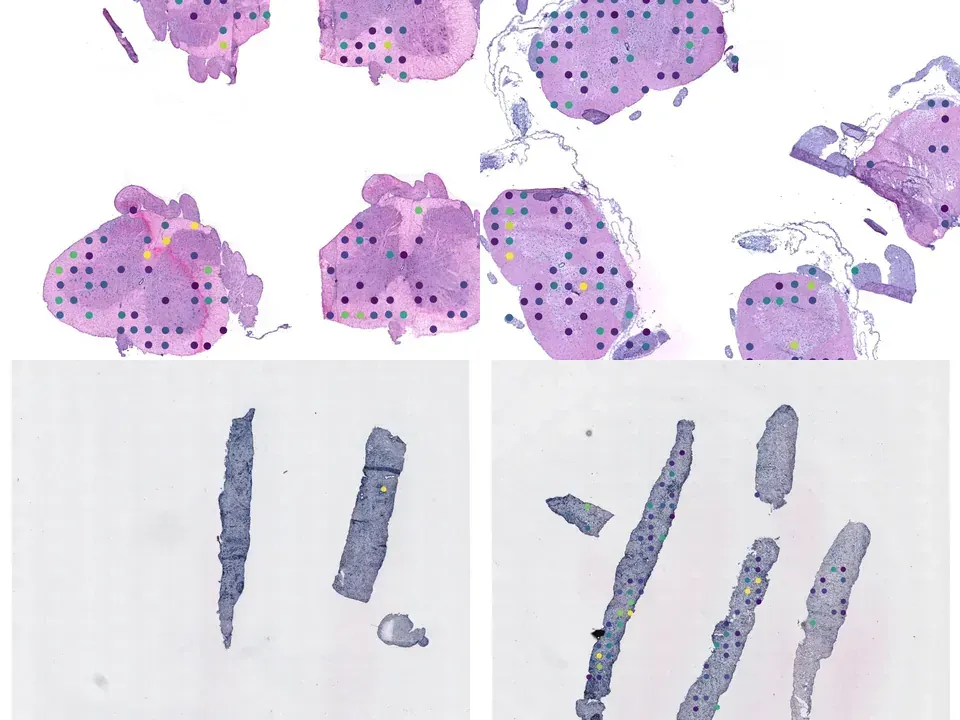
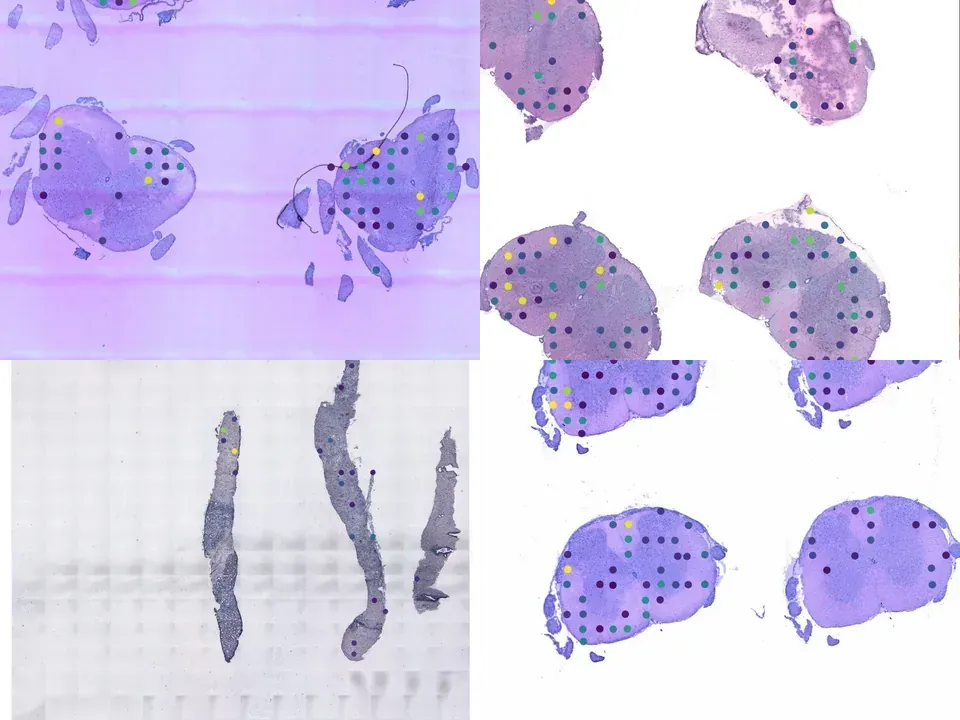
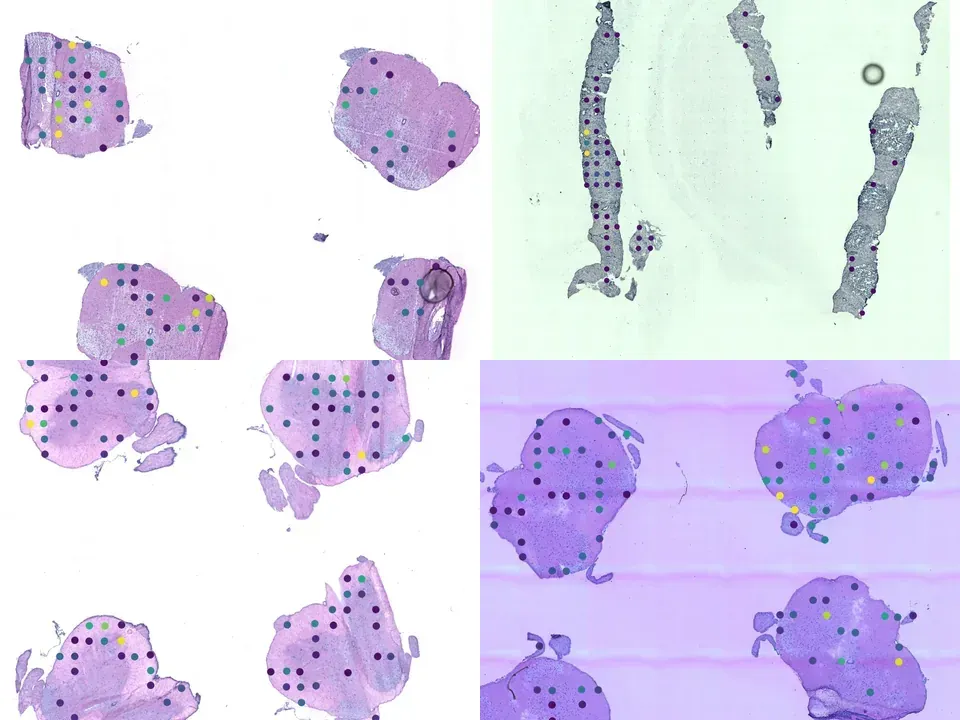
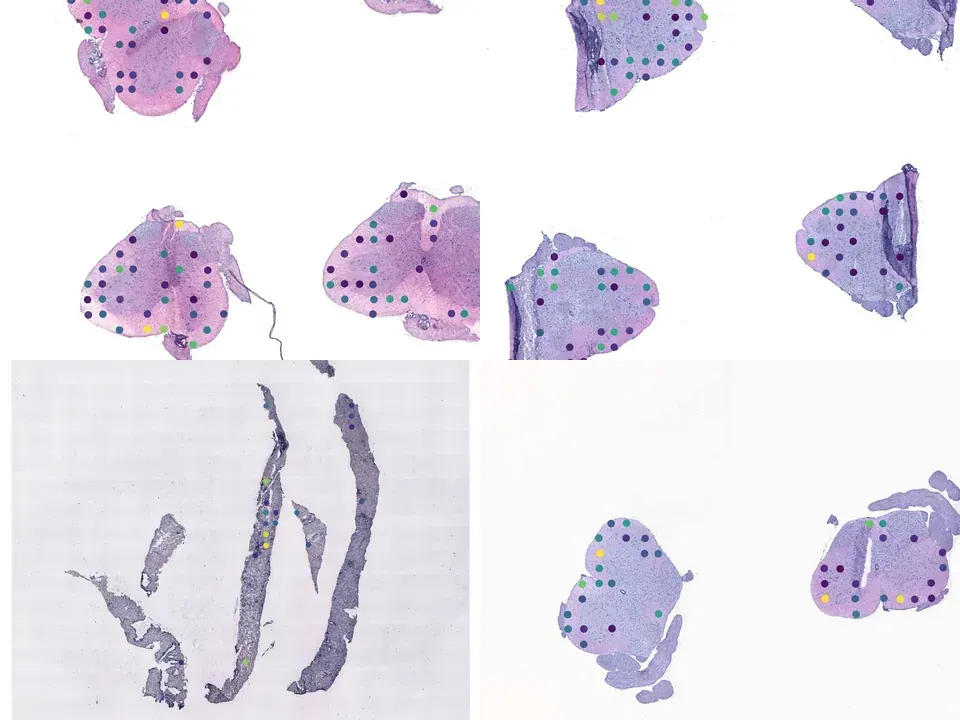
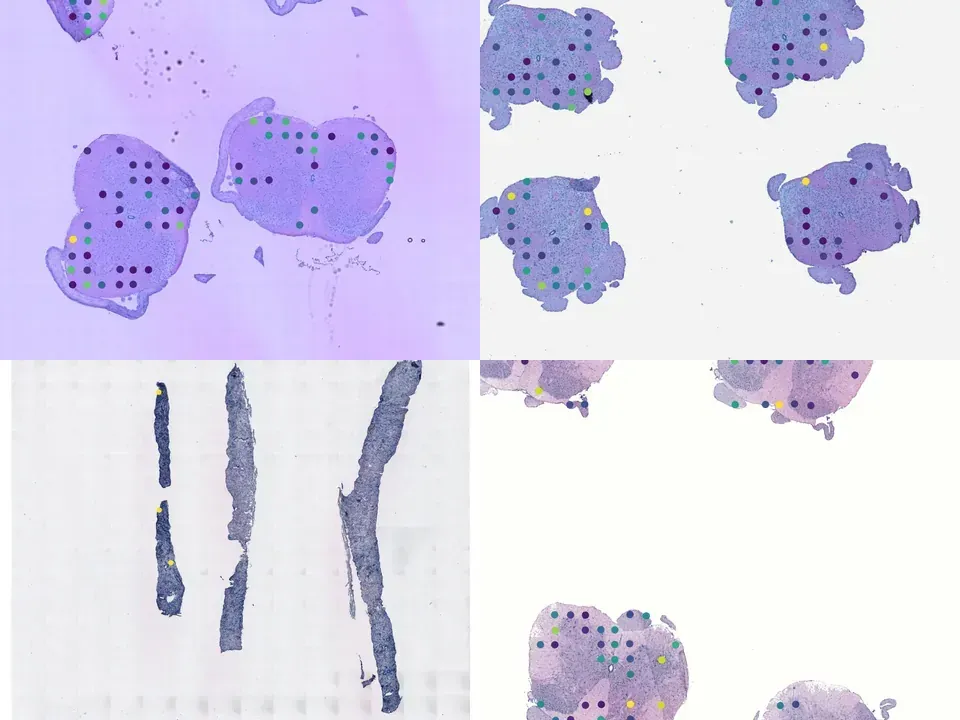
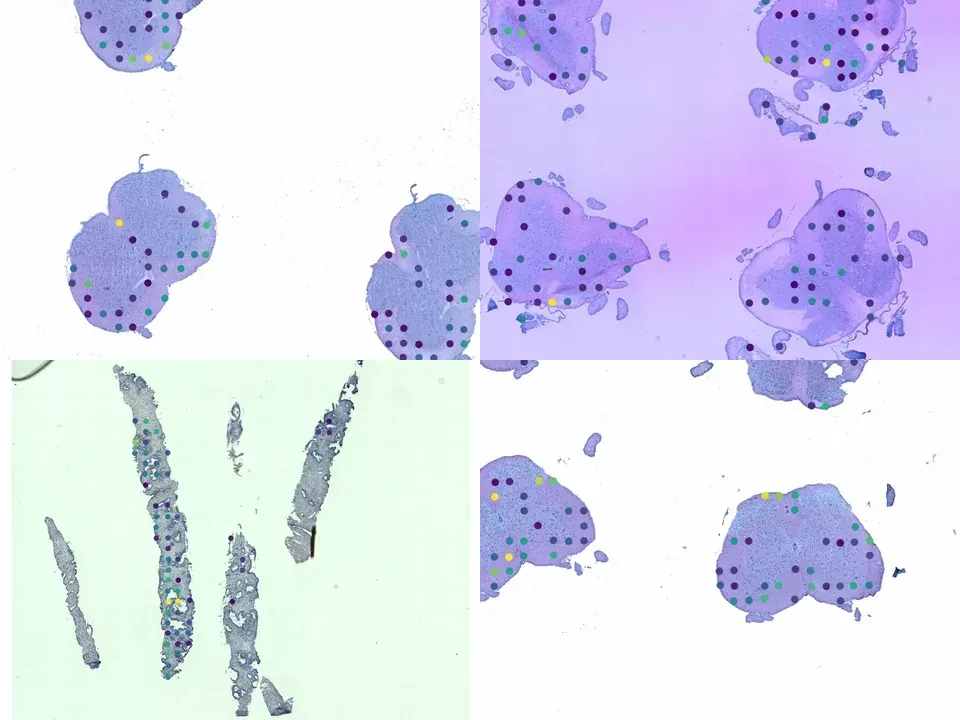
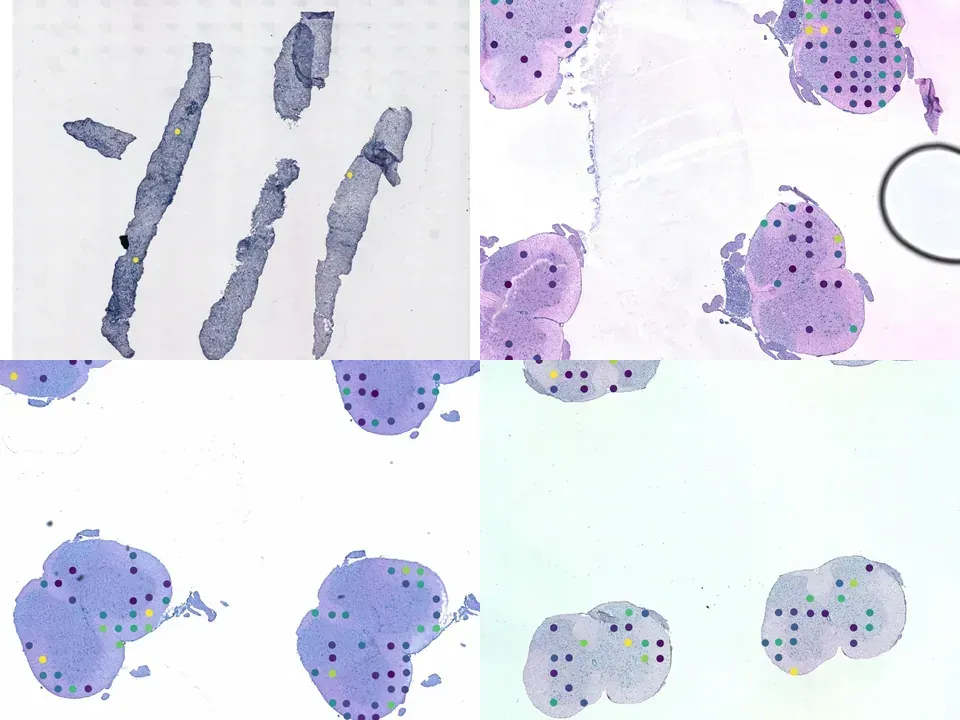
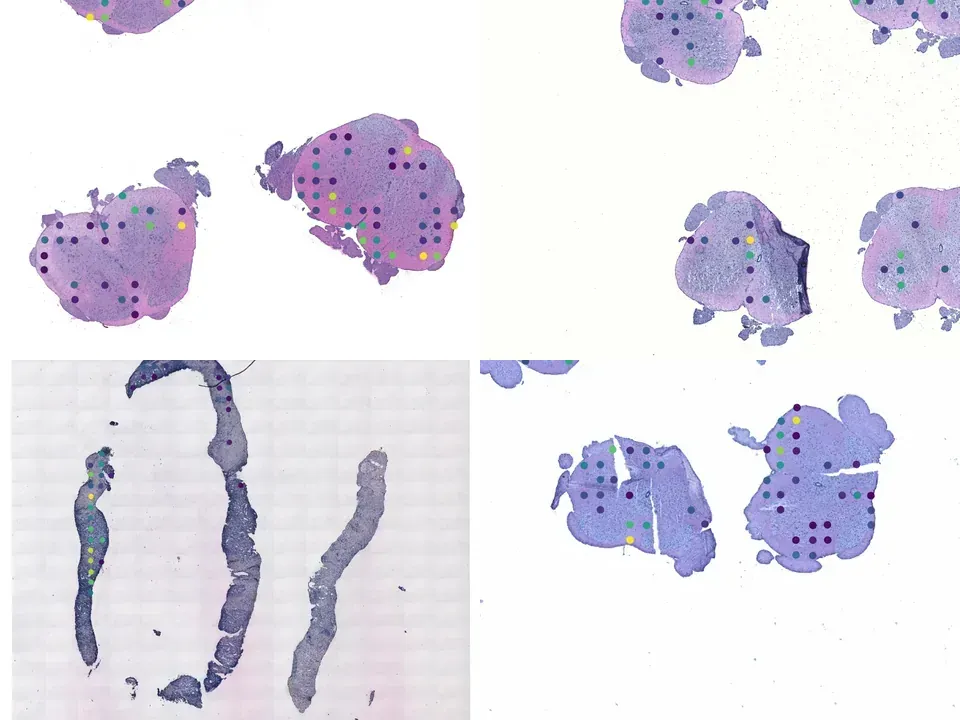
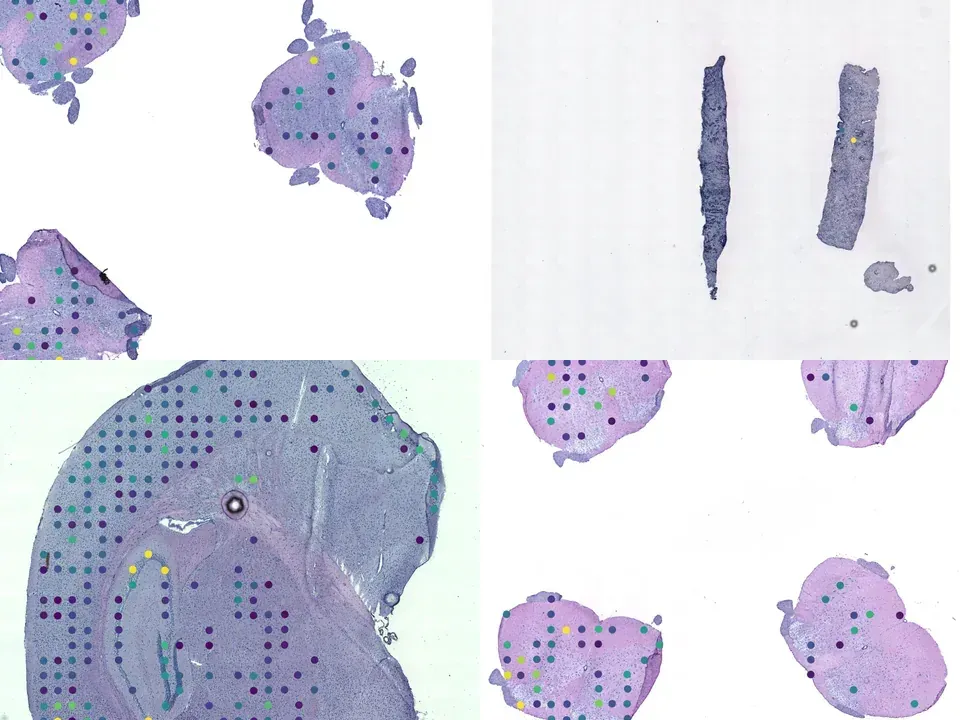
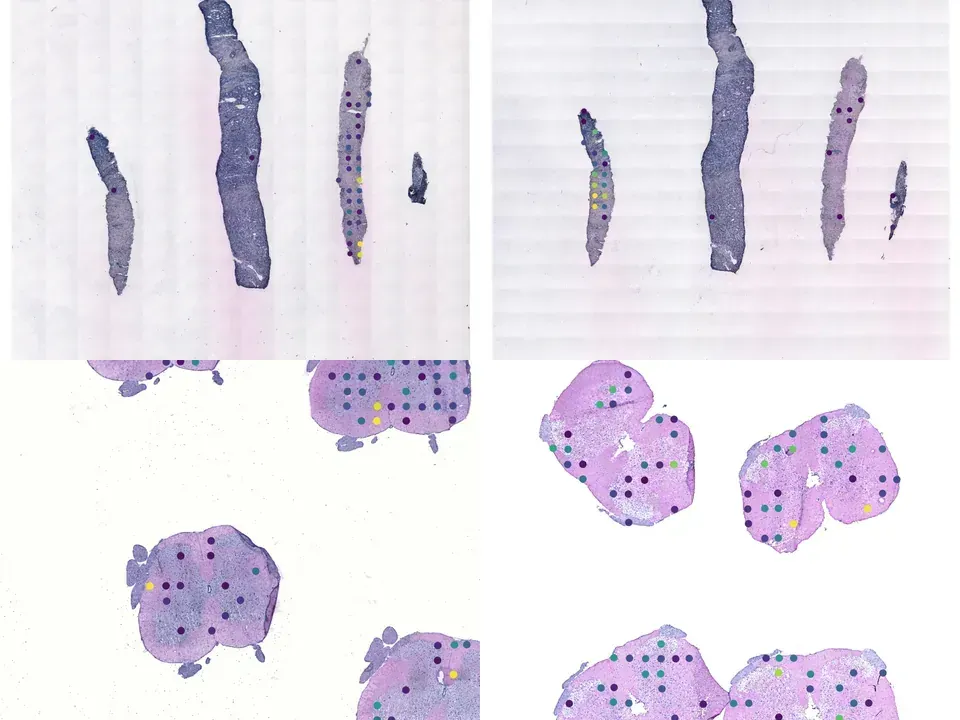
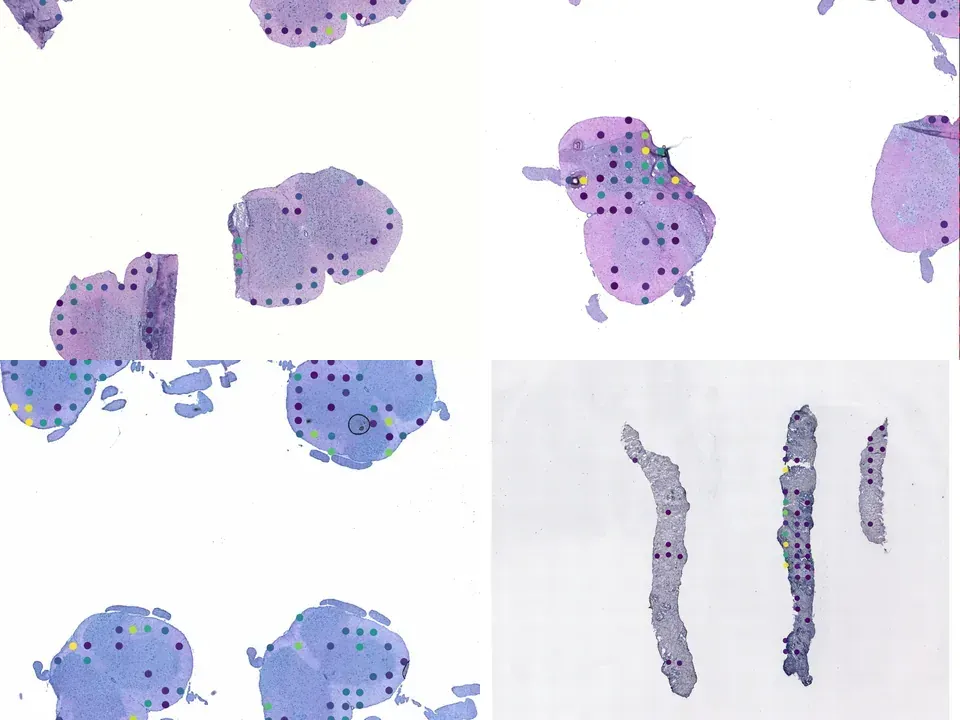
from sddb import Catalog

cohort = Catalog().collection("doi-10-1038-s41467-022-33069-3")
cohort.members        # the 24 datasets as a table

print(cohort.licenses())              # check the terms before you download

sdatas = cohort.to_dict()             # {uid: SpatialData}, cached locally
# or keep the .zarr files in a folder of your choice:
# sdatas = cohort.to_dict(dest="data/")
Needs pip install lamindb and network access to the Lamin database, which is limited during the alpha. If it fails, use the Client tab.
import lamindb as ln

db = ln.DB("scverse/spatialdata-db")
coll = db.Collection.get(key="doi-10.1038/s41467-022-33069-3")
coll.ordered_artifacts.to_dataframe()   # the 24 members, ordered

# download every member .zarr to the local cache:
paths = [a.cache() for a in coll.ordered_artifacts.all()]
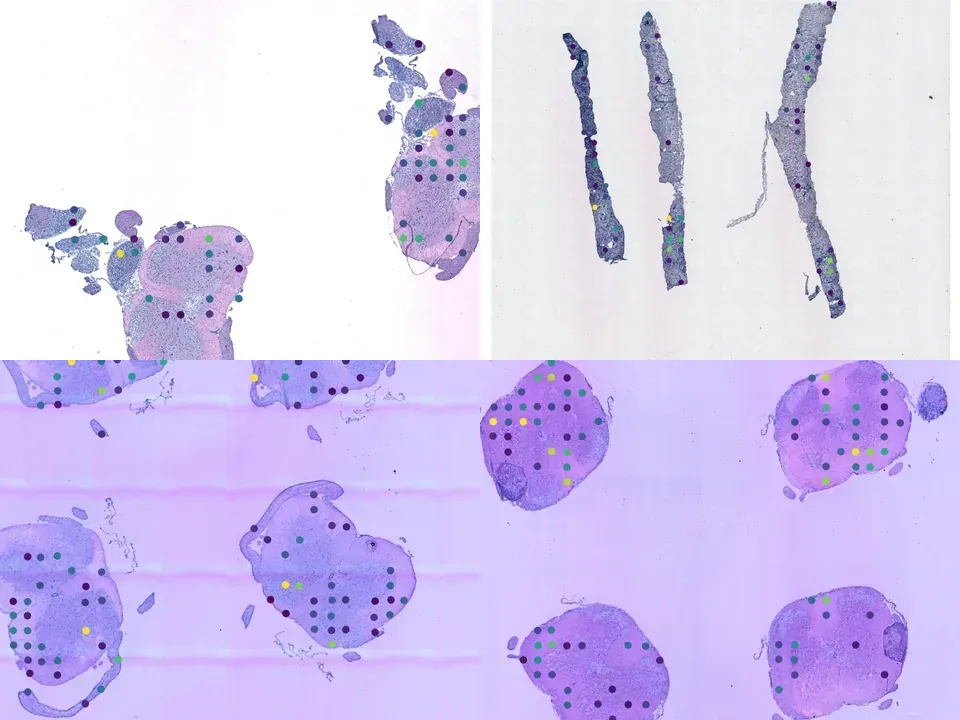
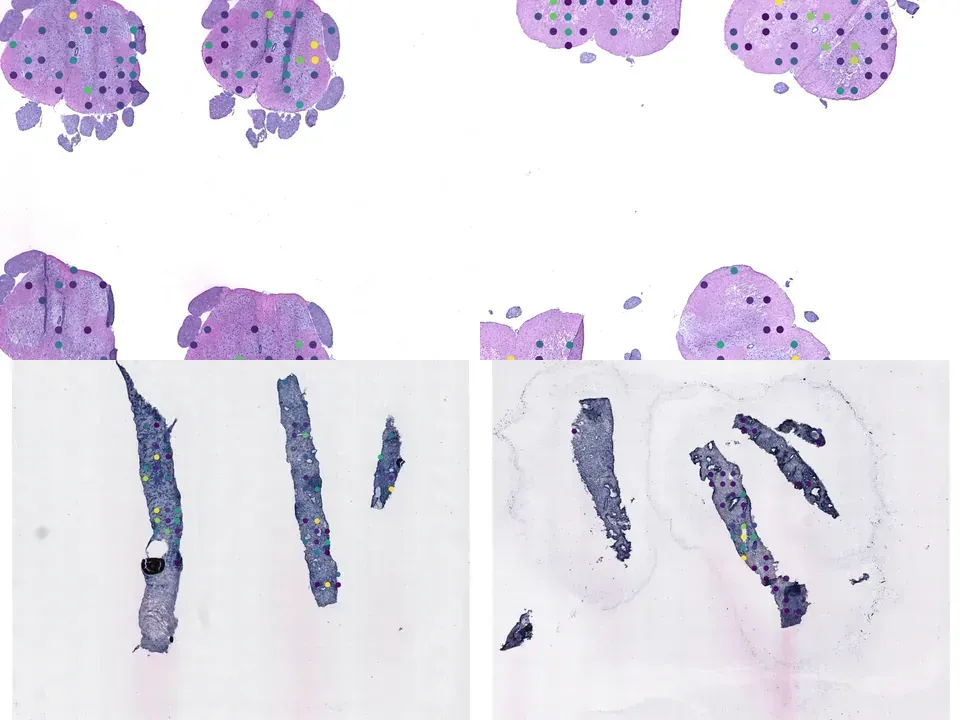
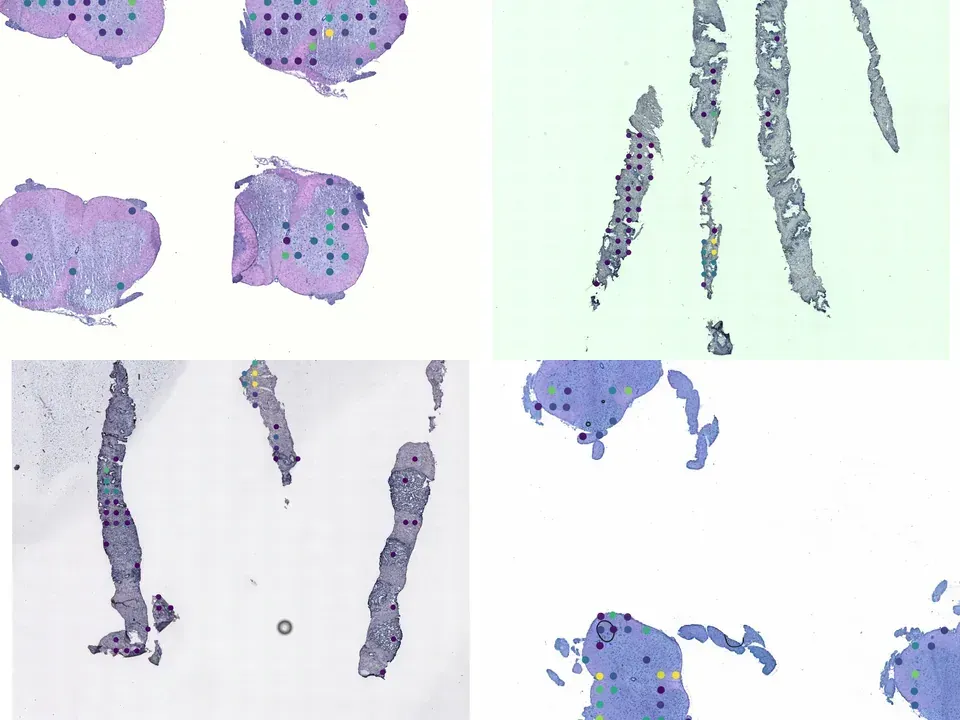
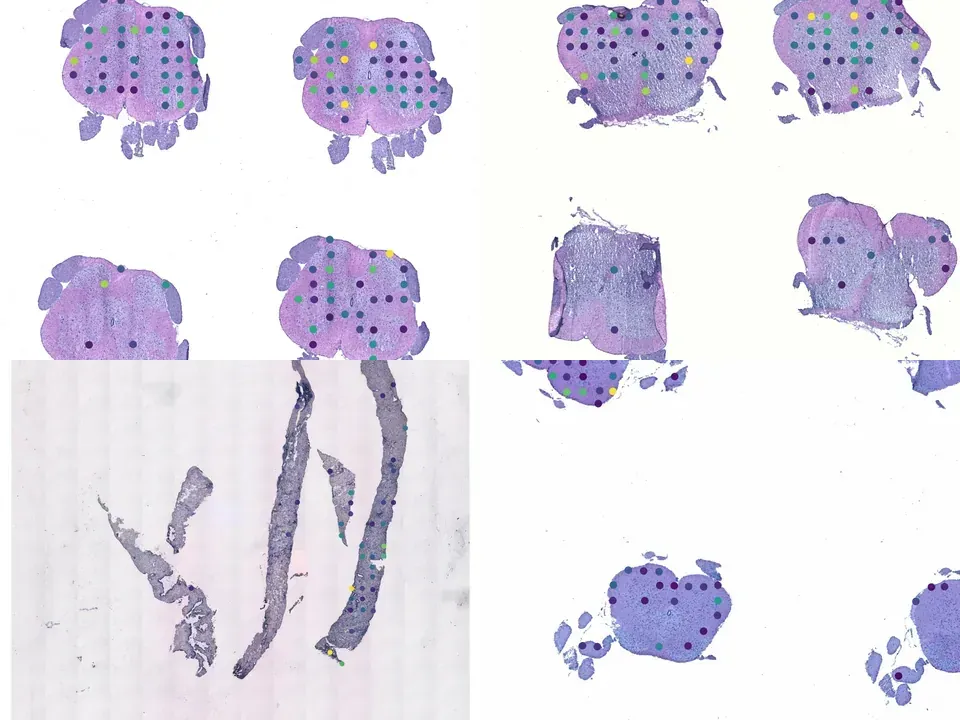
Spatio-temporal analysis of prostate tumors in situ suggests pre-existence of treatment-resistant clones.
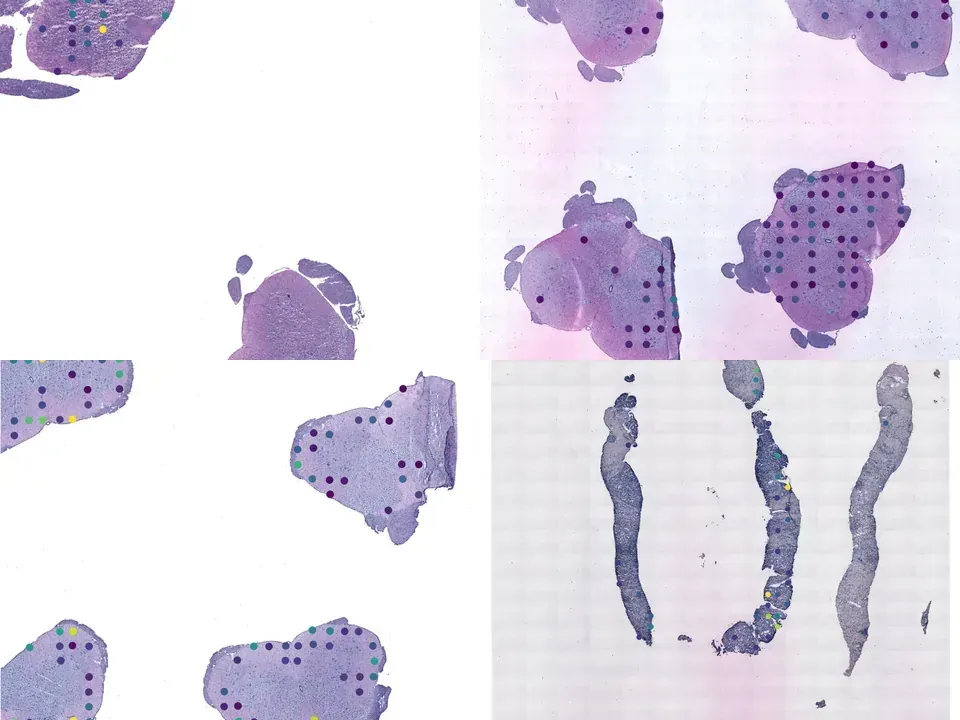
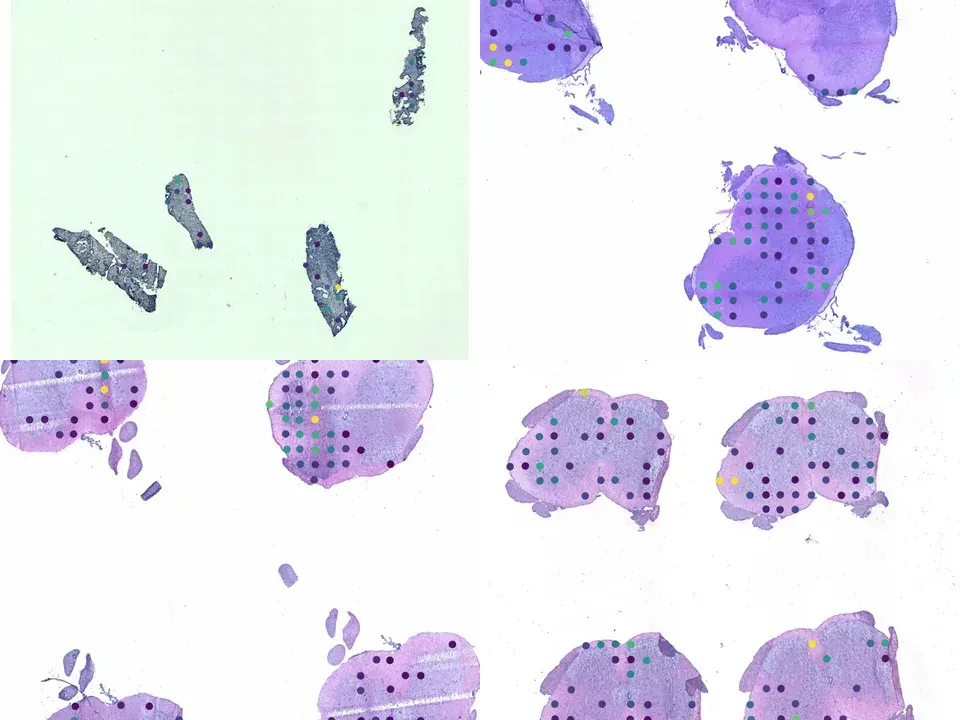
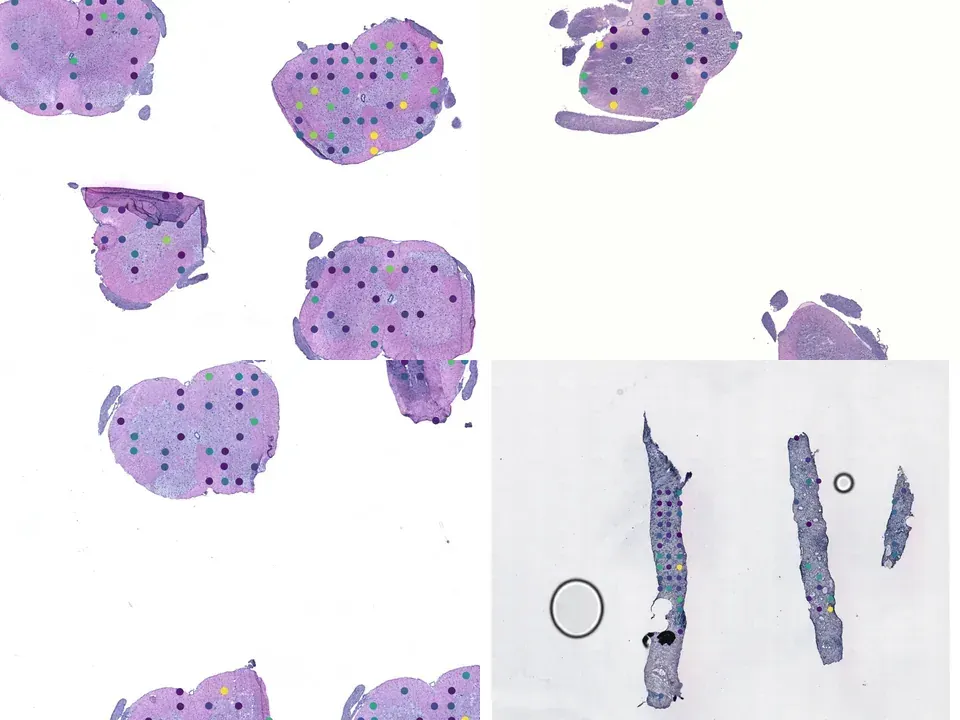
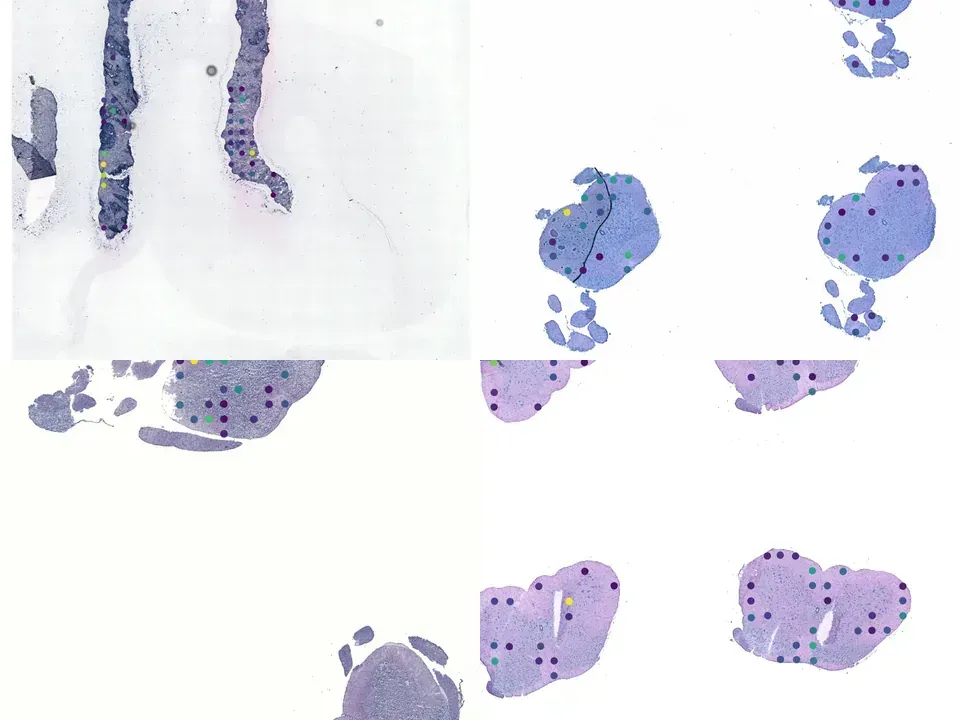
The molecular mechanisms underlying lethal castration-resistant prostate cancer remain poorly understood, with intratumoral heterogeneity a likely contributing factor. To examine the temporal aspects of resistance, we analyze tumor heterogeneity in needle biopsies collected before and after treatment with androgen deprivation therapy. By doing so, we are able to couple clinical responsiveness and morphological information such as Gleason score to transcriptome-wide data. Our data-driven analysis of transcriptomes identifies several distinct intratumoral cell populations, characterized by their unique gene expression profiles. Certain cell populations present before treatment exhibit gene expression profiles that match those of resistant tumor cell clusters, present after treatment. We confirm that these clusters are resistant by the localization of active androgen receptors to the nuclei in cancer cells post-treatment. Our data also demonstrates that most stromal cells adjacent to resistant clusters do not express the androgen receptor, and we identify differentially expressed genes for these cells. Altogether, this study shows the potential to increase the power in predicting resistant tumors.
@article{Marklund_2022,
  title = {Spatio-temporal analysis of prostate tumors in situ suggests pre-existence of treatment-resistant clones},
  volume = {13},
  ISSN = {2041-1723},
  url = {http://dx.doi.org/10.1038/s41467-022-33069-3},
  DOI = {10.1038/s41467-022-33069-3},
  number = {1},
  journal = {Nature Communications},
  publisher = {Springer Science and Business Media LLC},
  author = {Marklund, Maja and Schultz, Niklas and Friedrich, Stefanie and Berglund, Emelie and Tarish, Firas and Tanoglidi, Anna and Liu, Yao and Bergenstråhle, Ludvig and Erickson, Andrew and Helleday, Thomas and Lamb, Alastair D. and Sonnhammer, Erik and Lundeberg, Joakim},
  year = {2022},
  month = Sept
}