
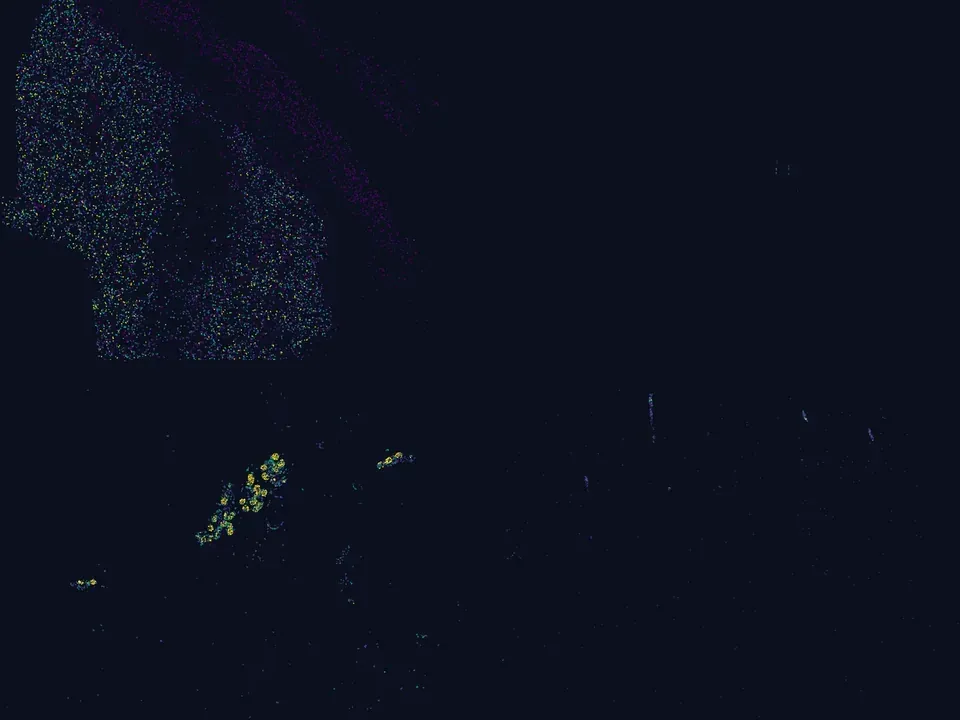
Human skin of body
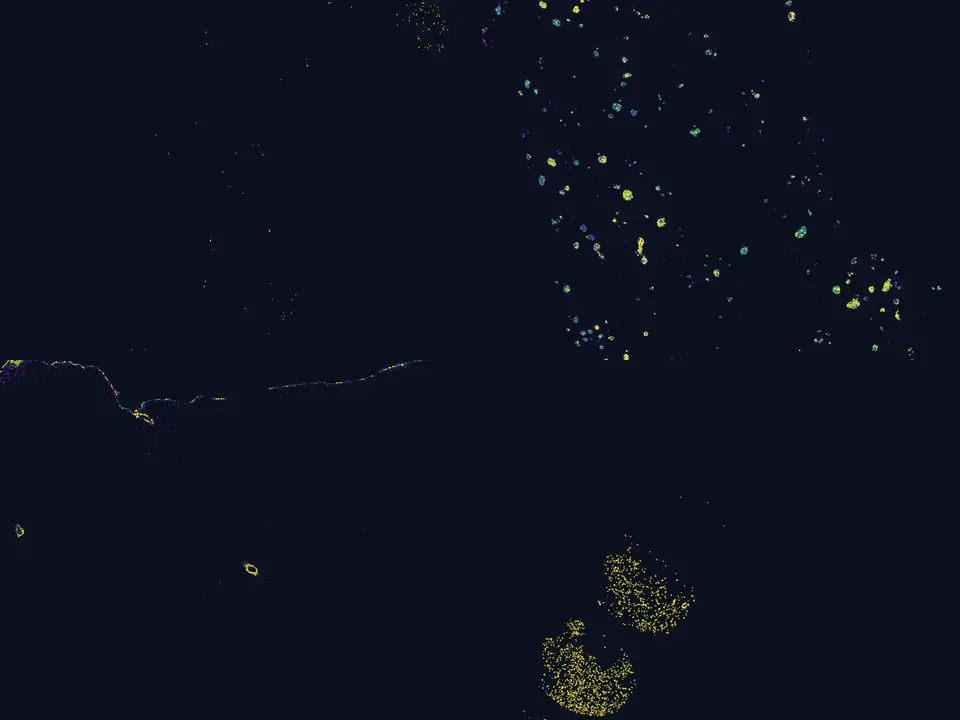
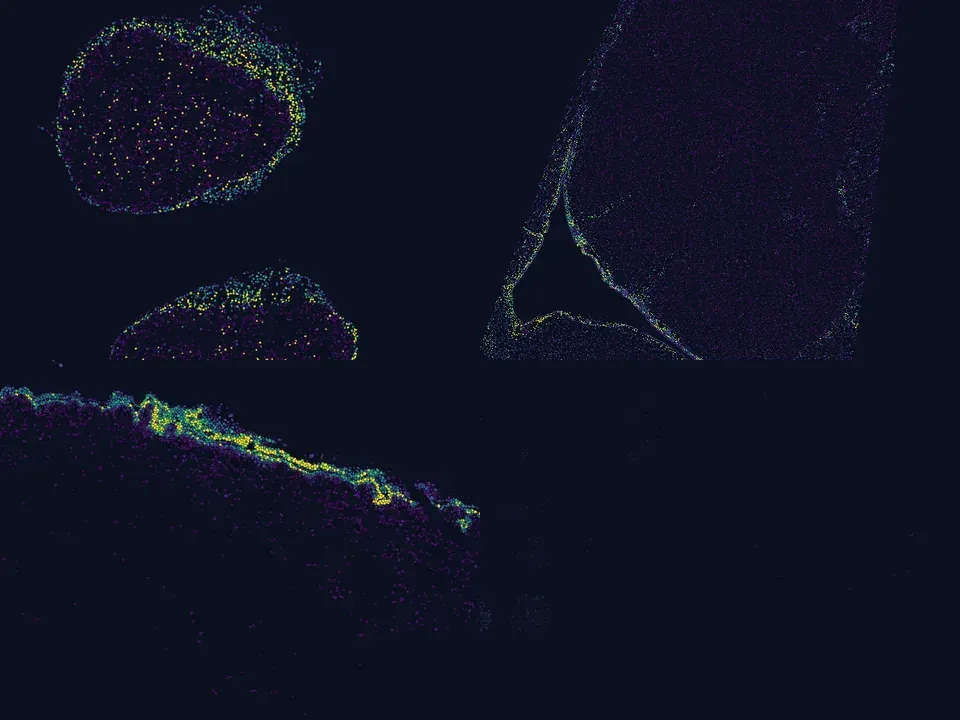
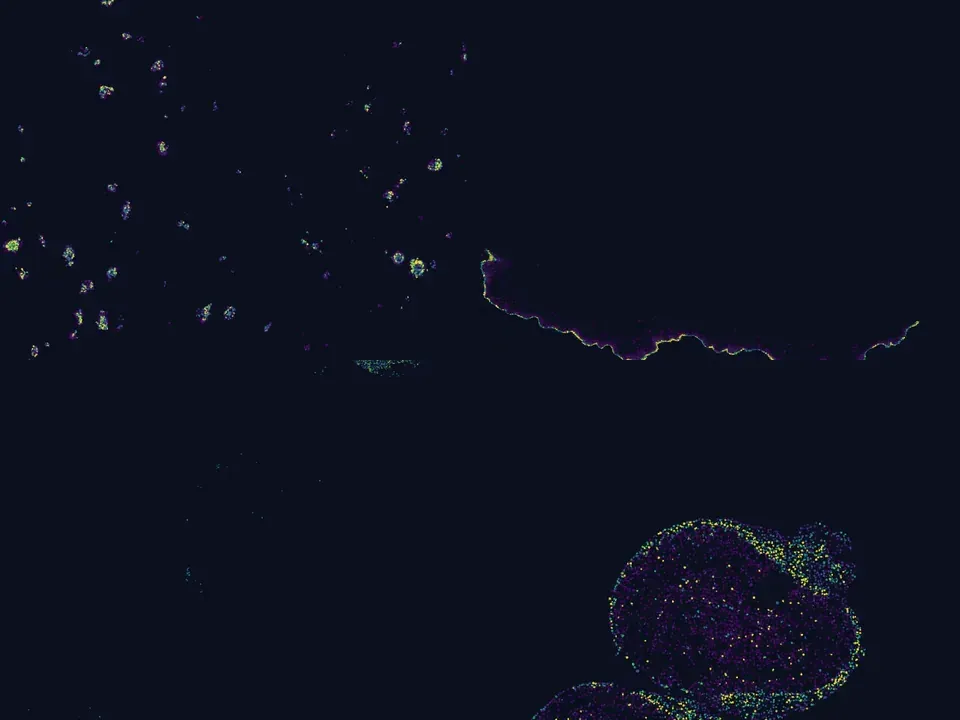
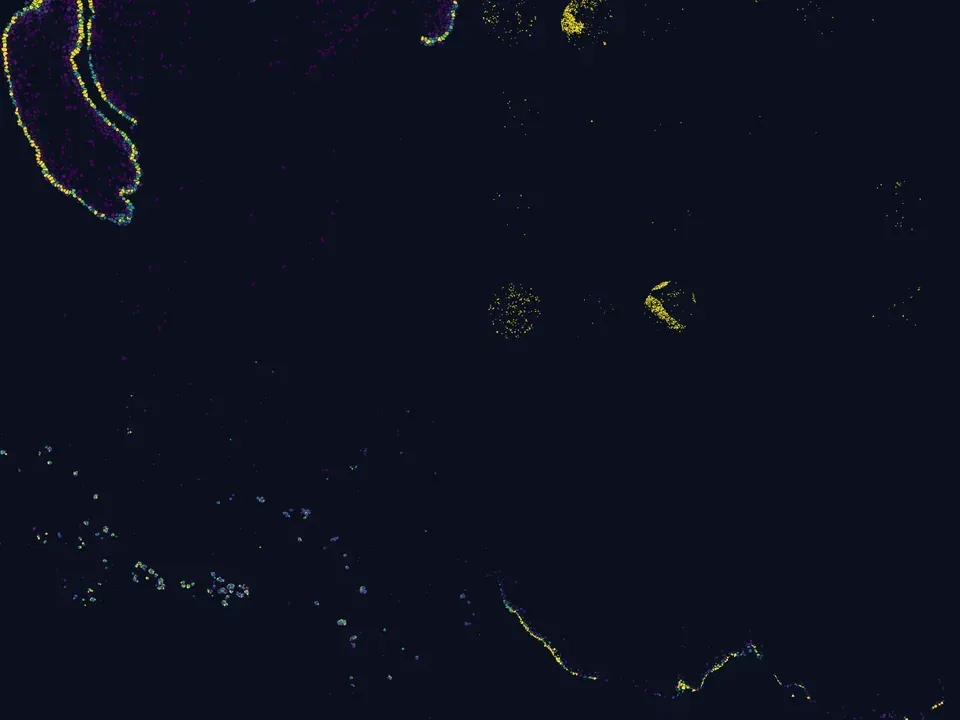
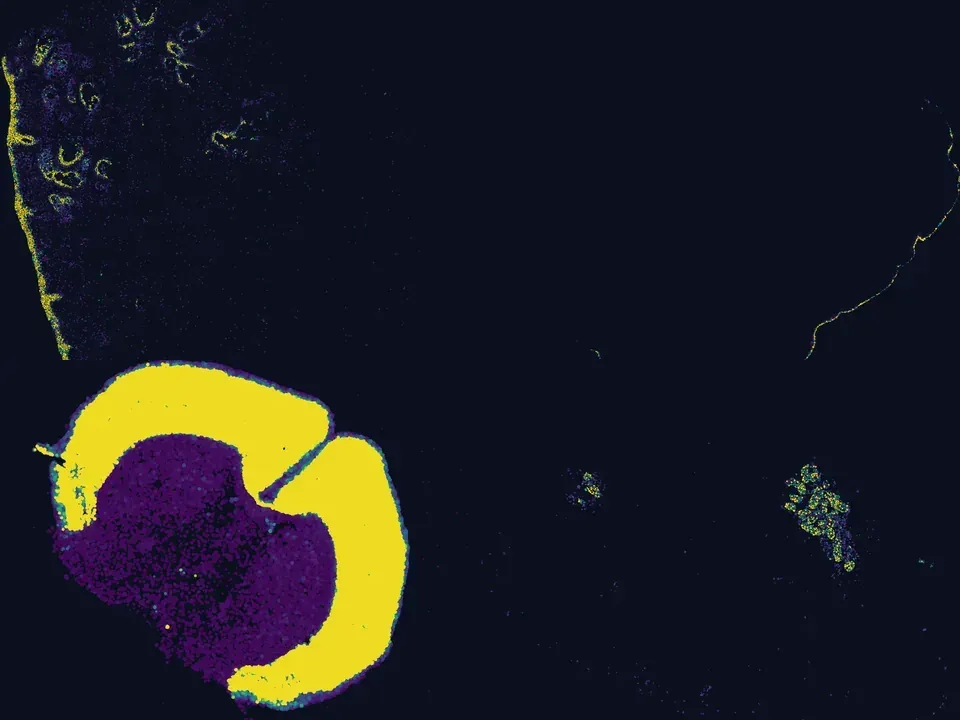
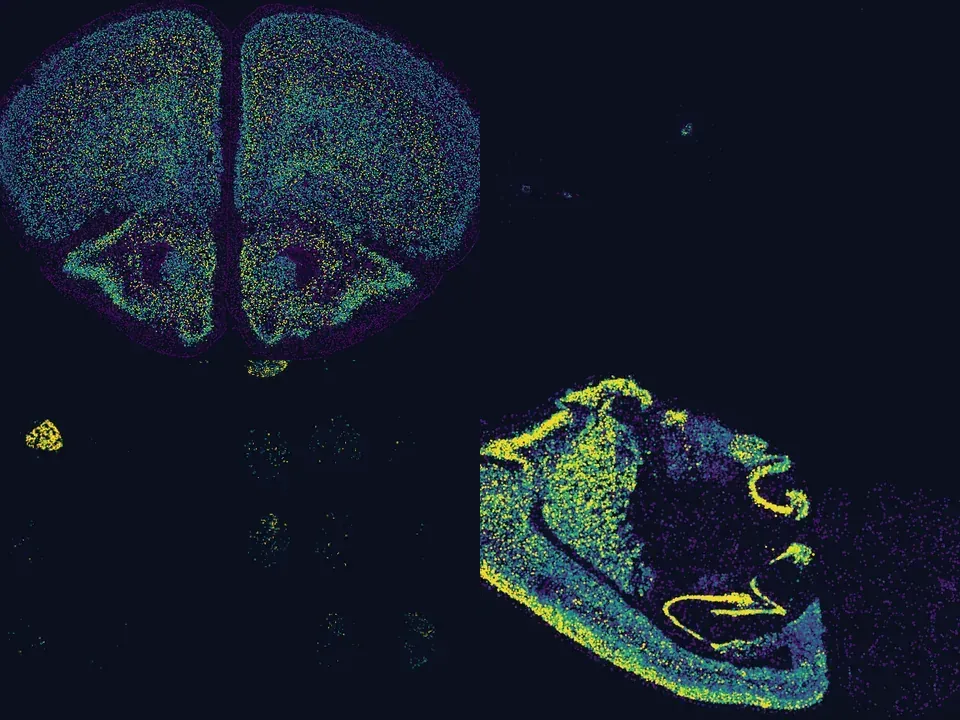
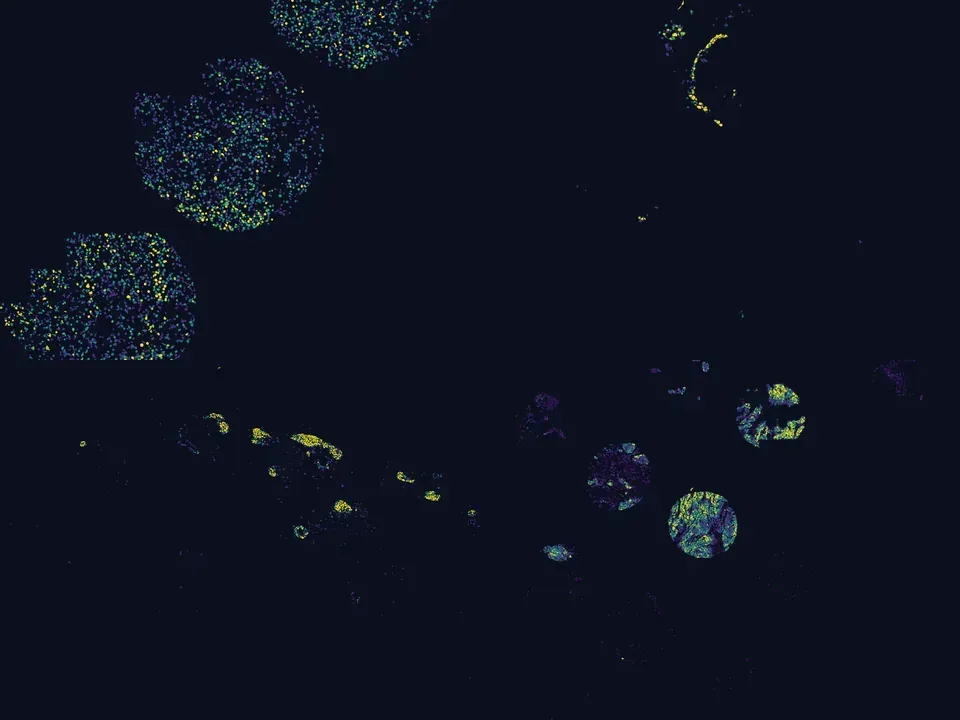
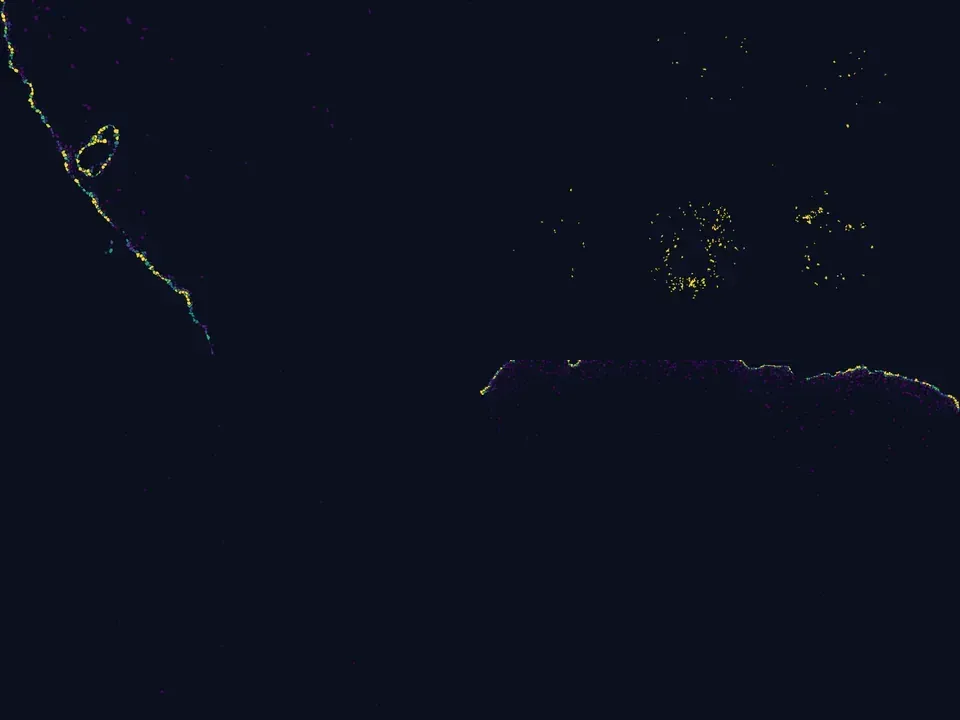
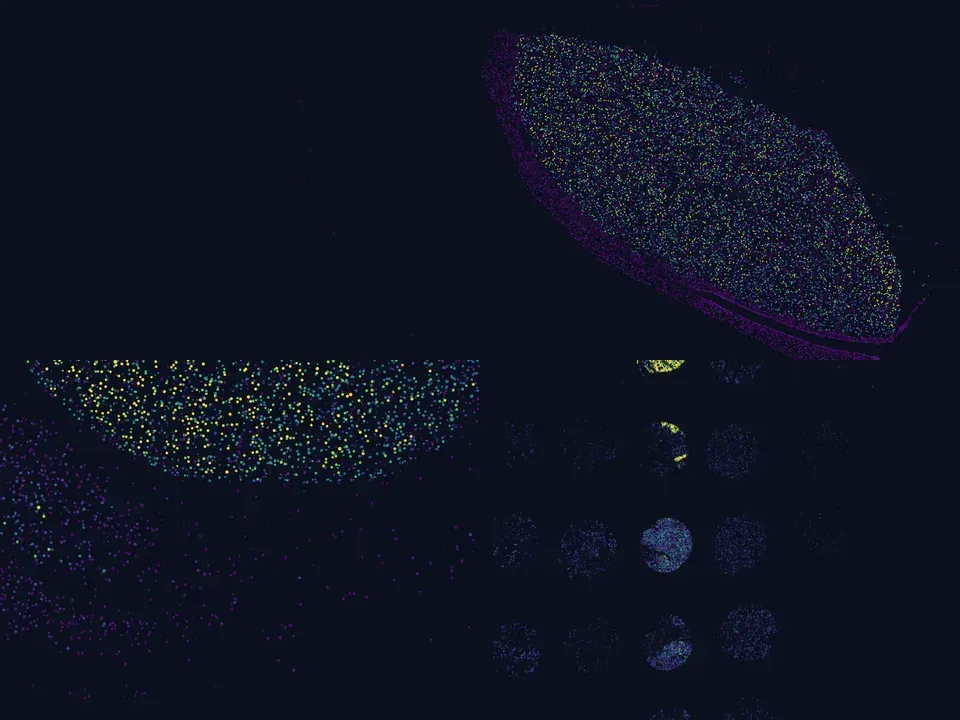
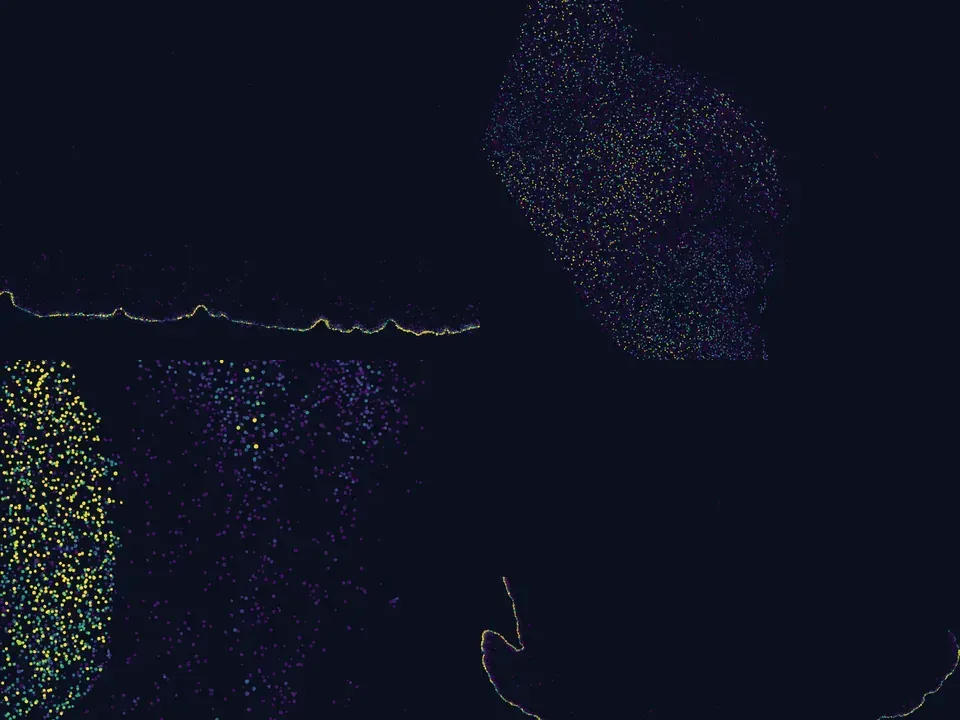
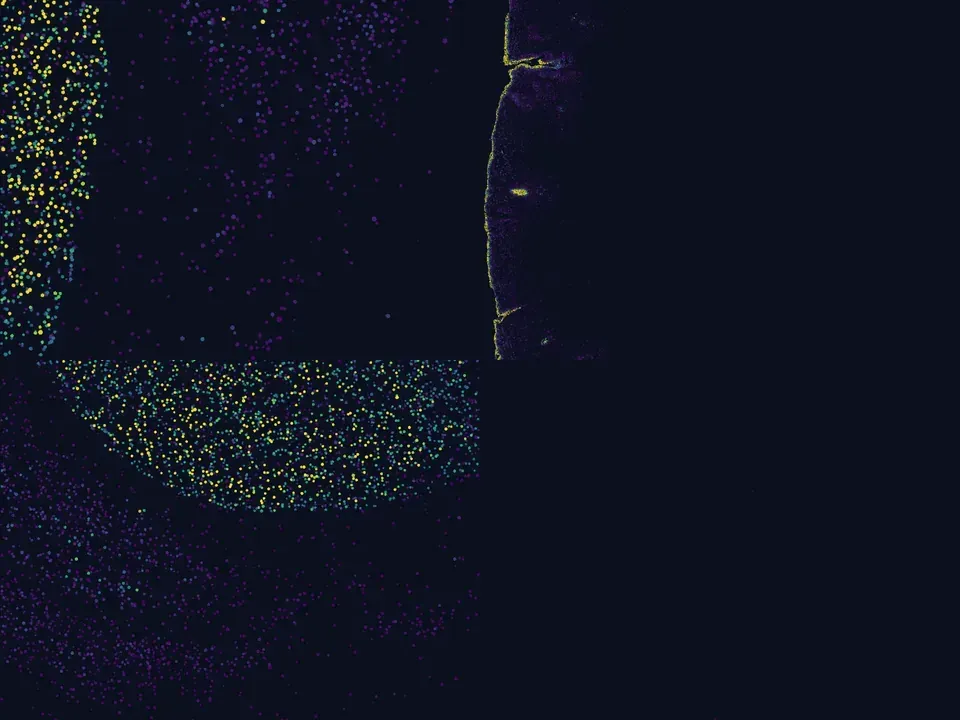
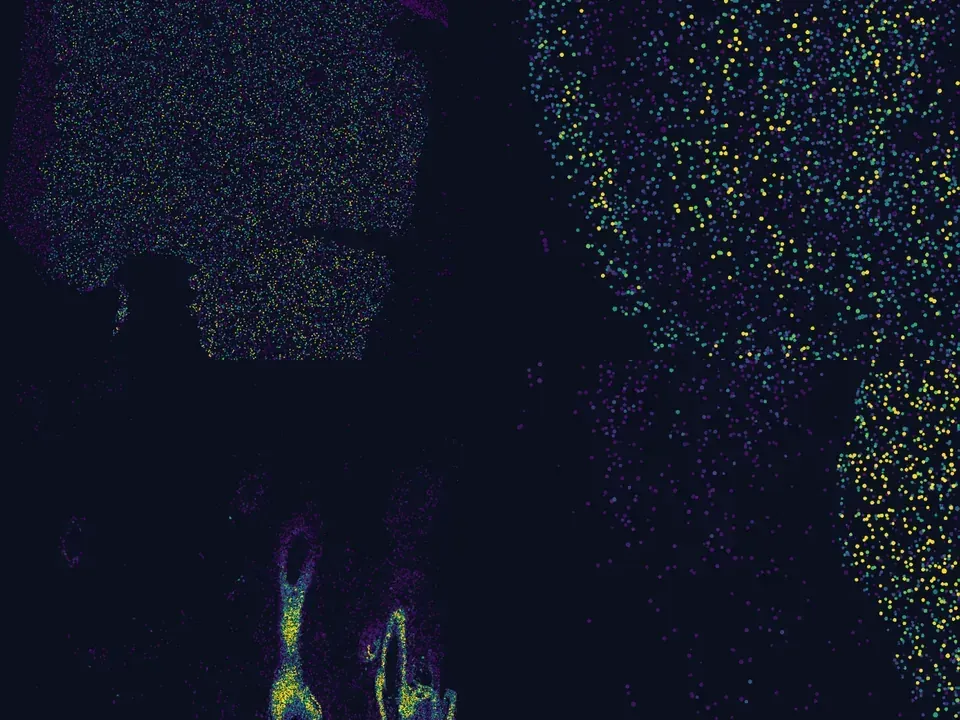
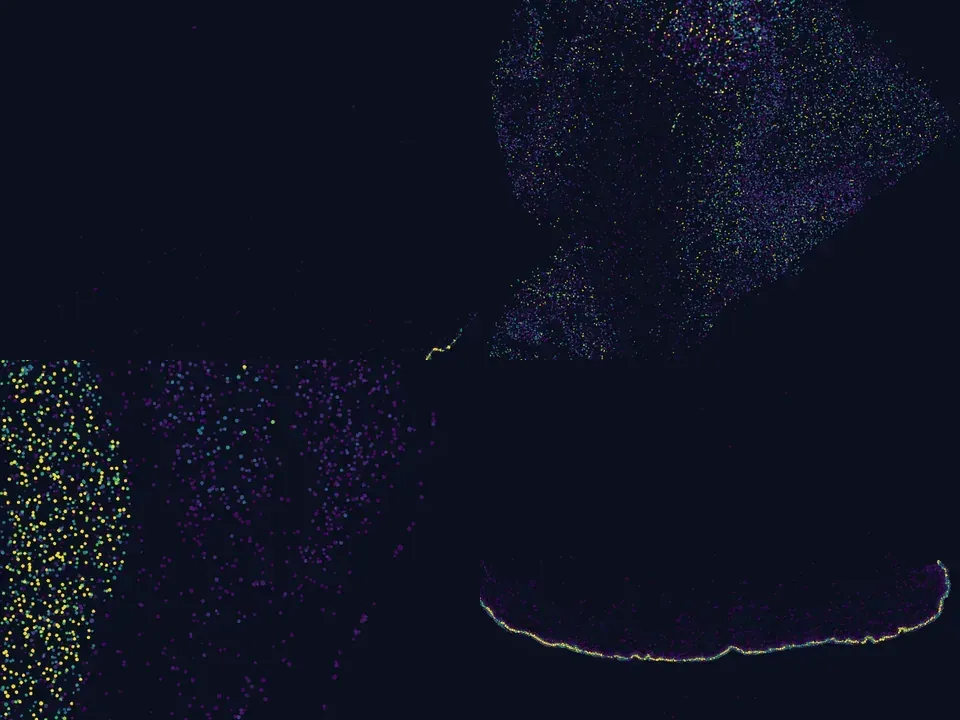
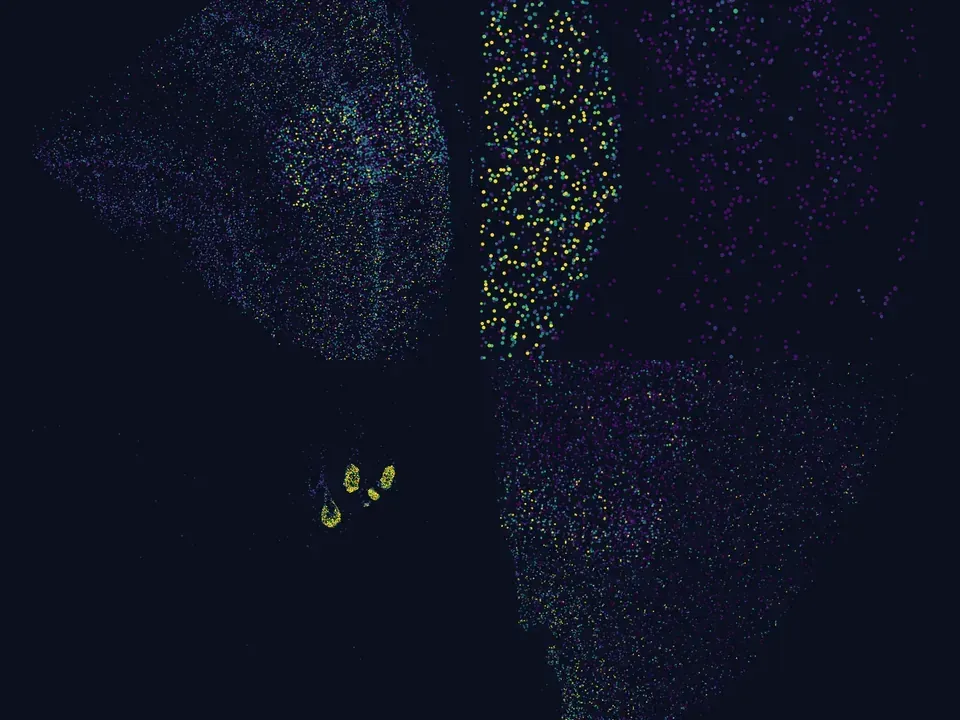
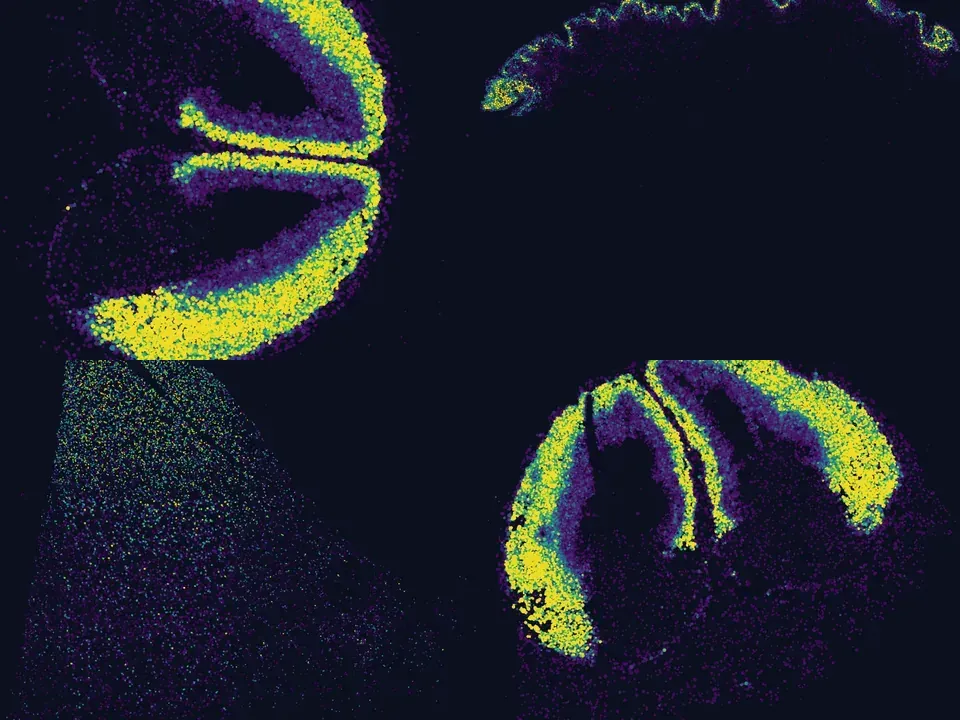
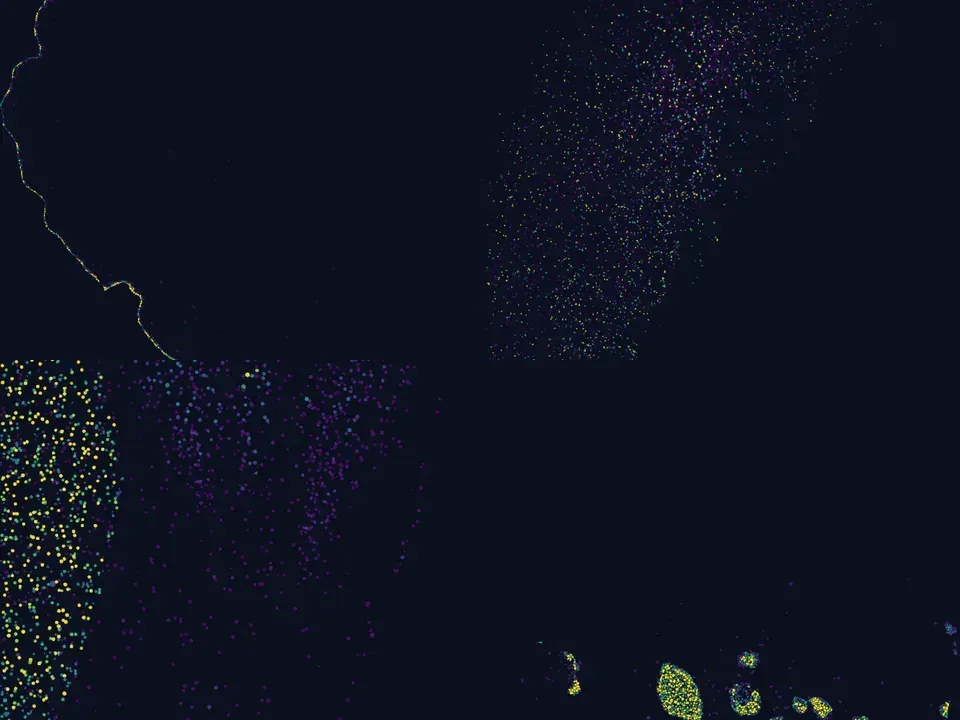
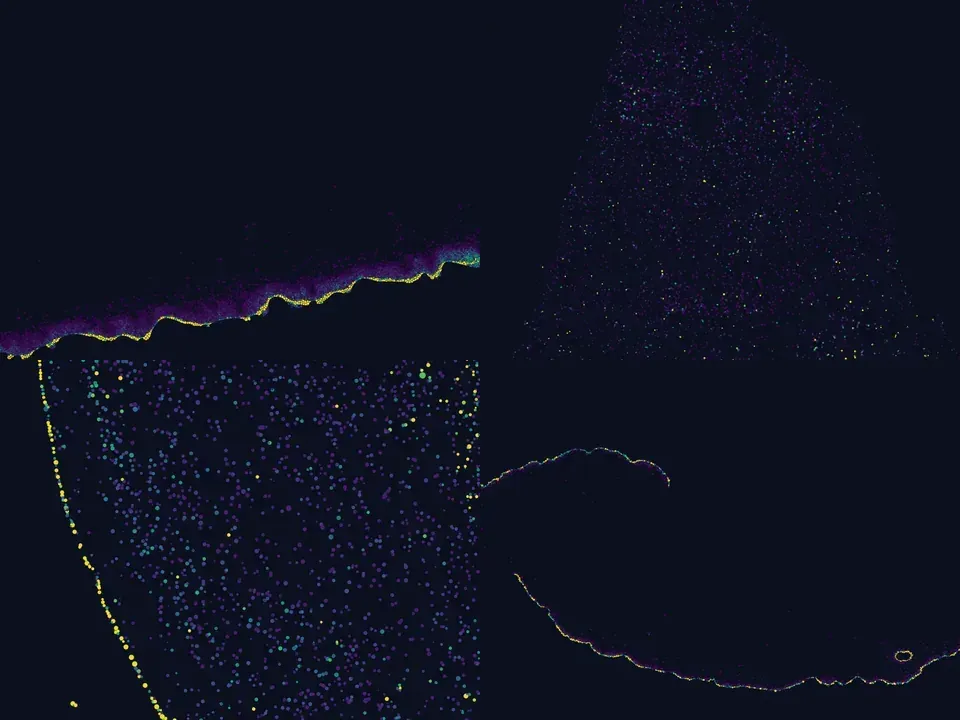
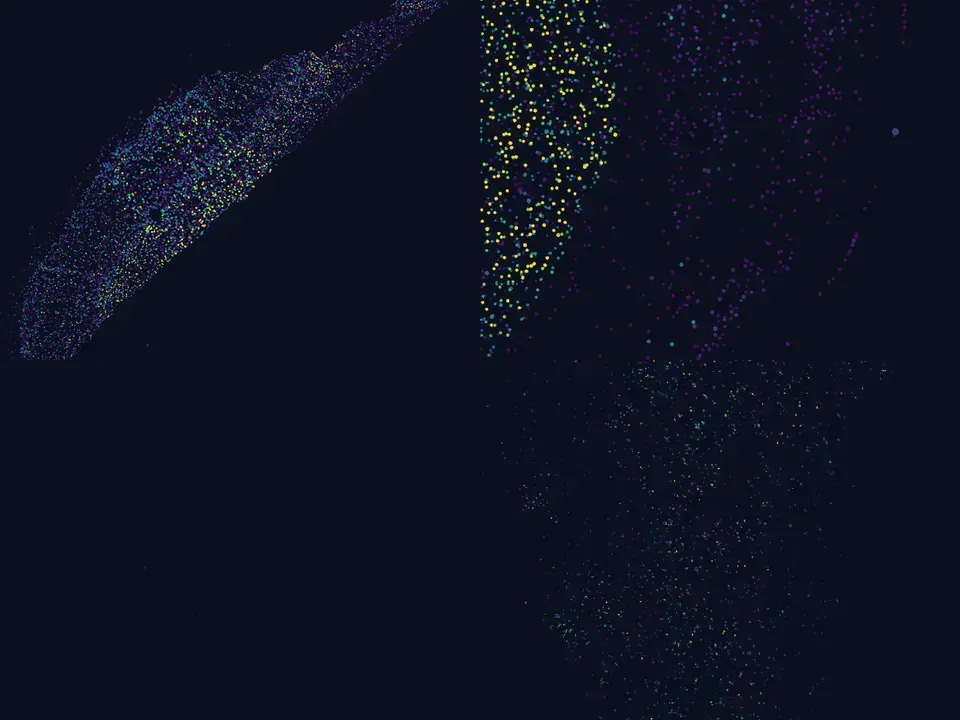
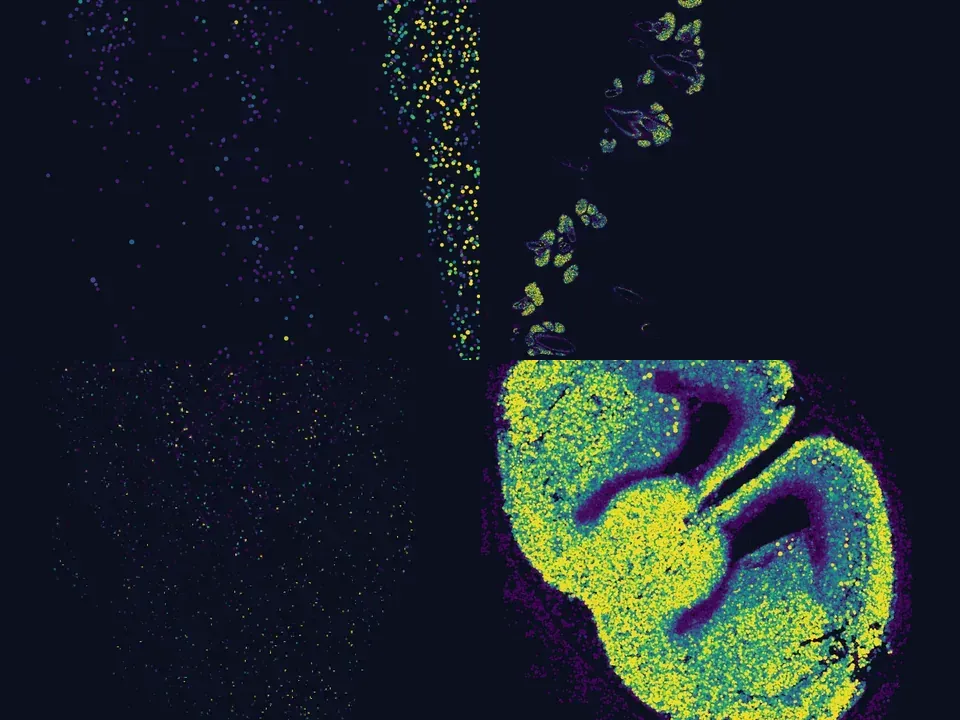
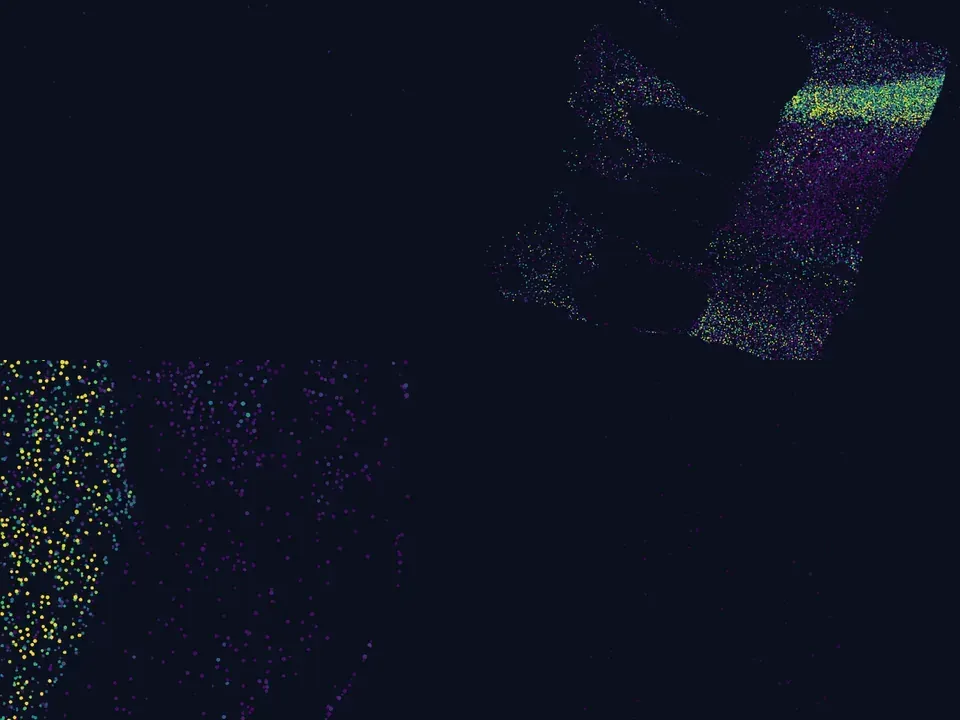
S-BIAD2376:202402221100_D151-1-6--fullrun--rerun--02222024_VMSC02301:region_1
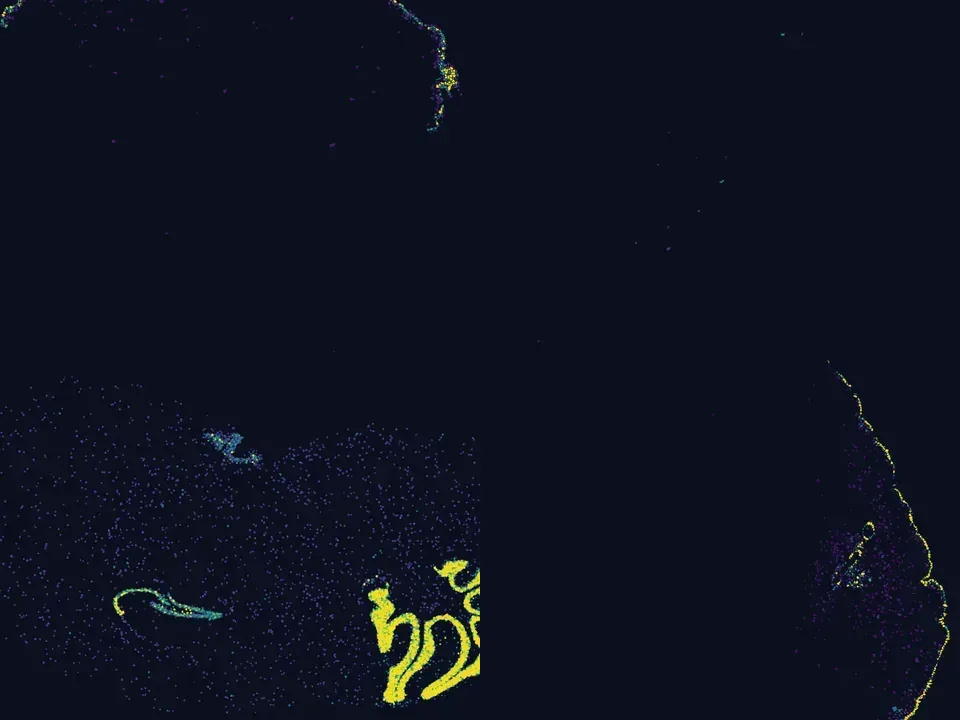
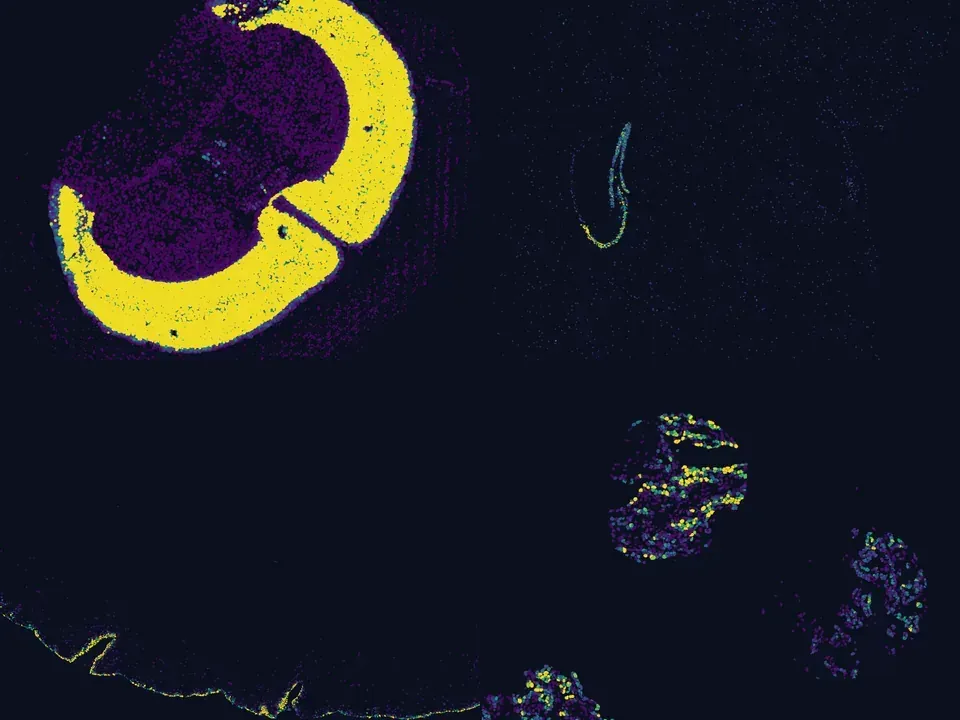
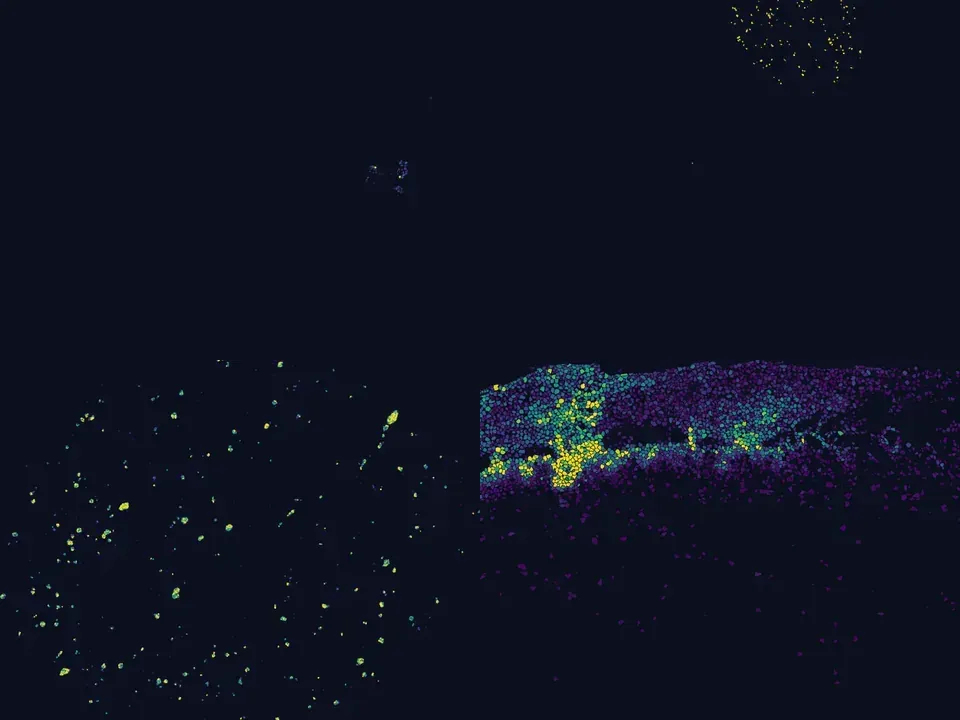
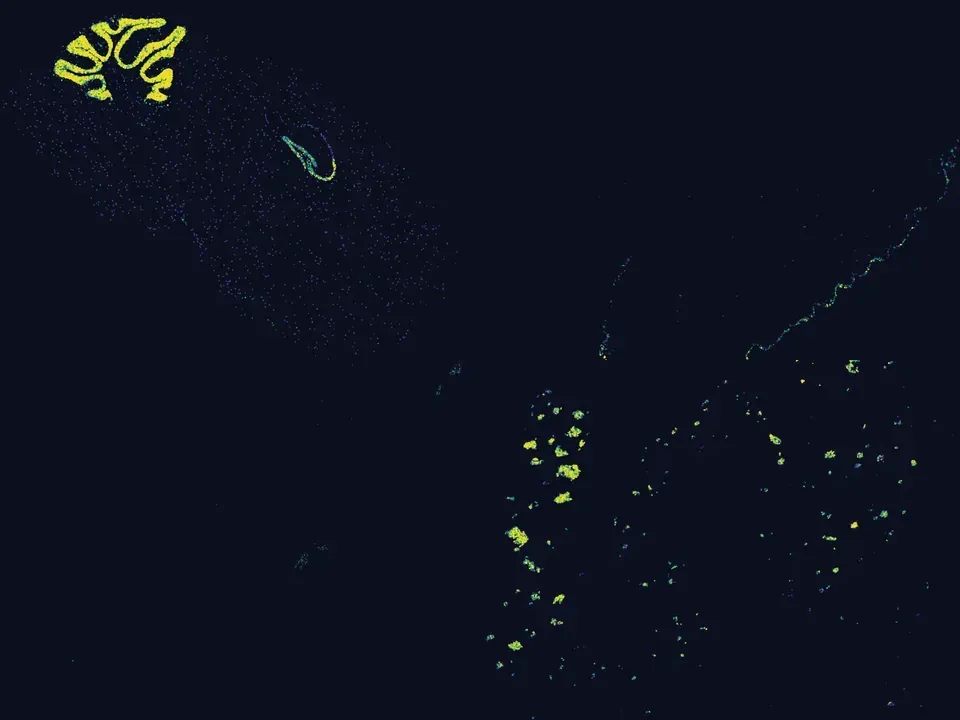
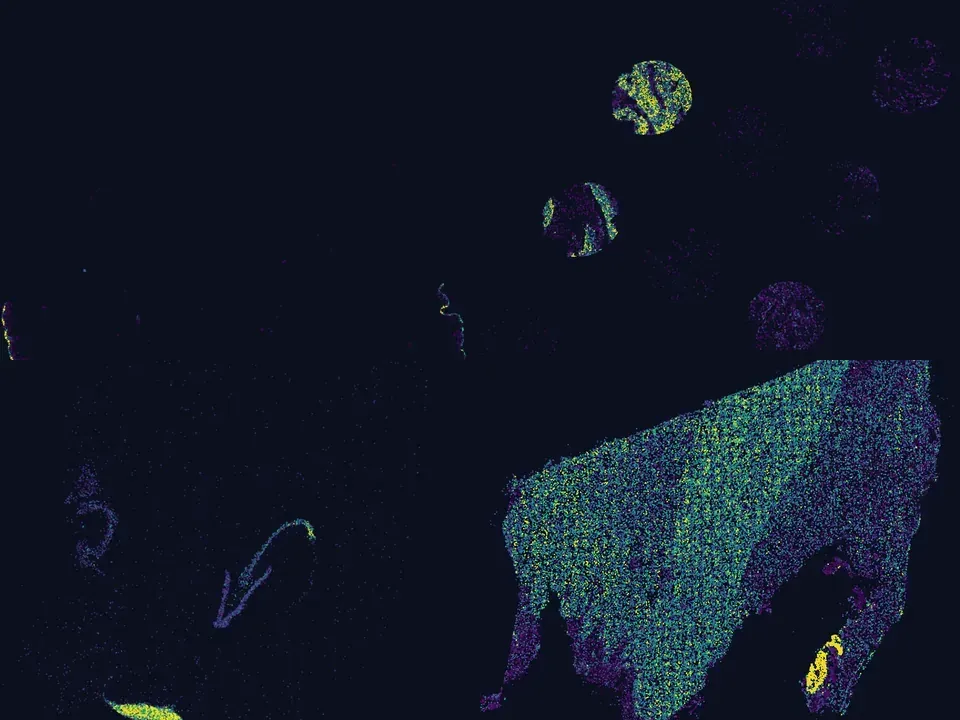
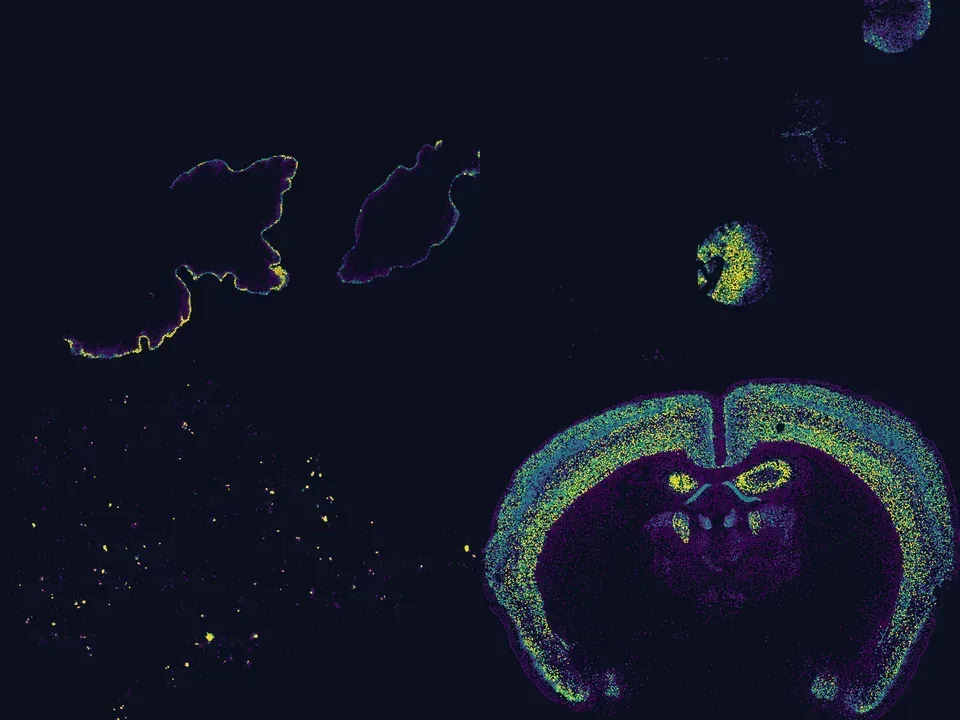
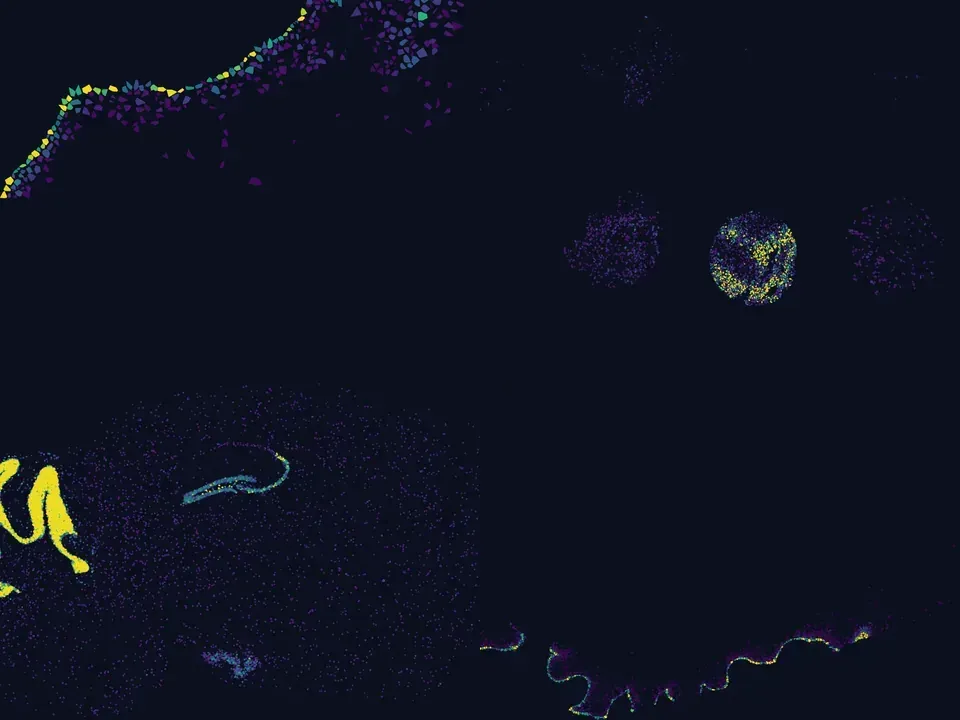
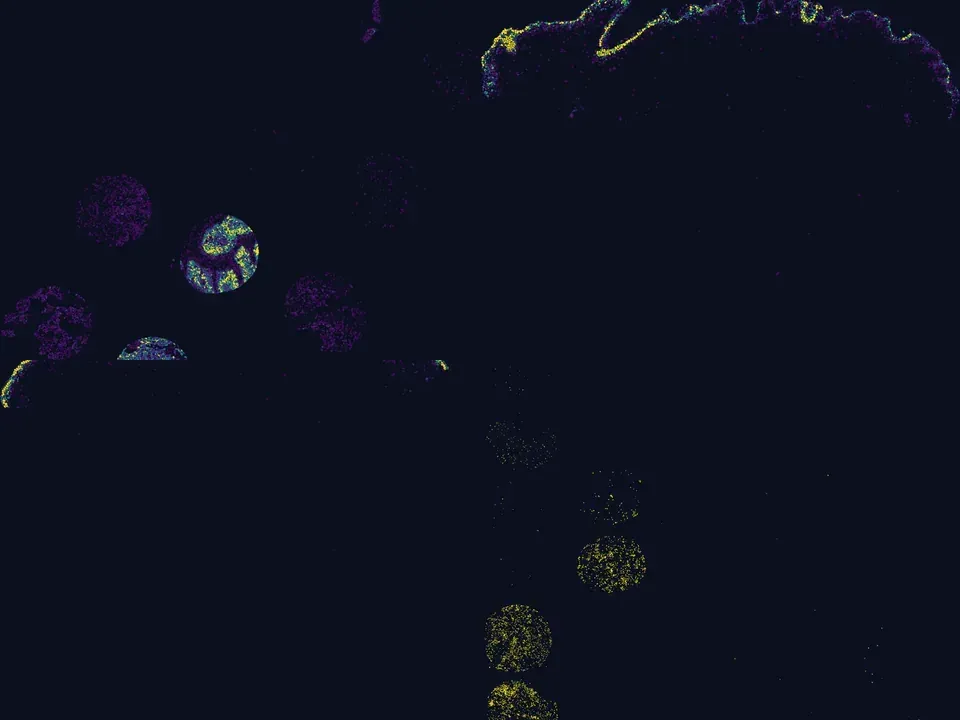
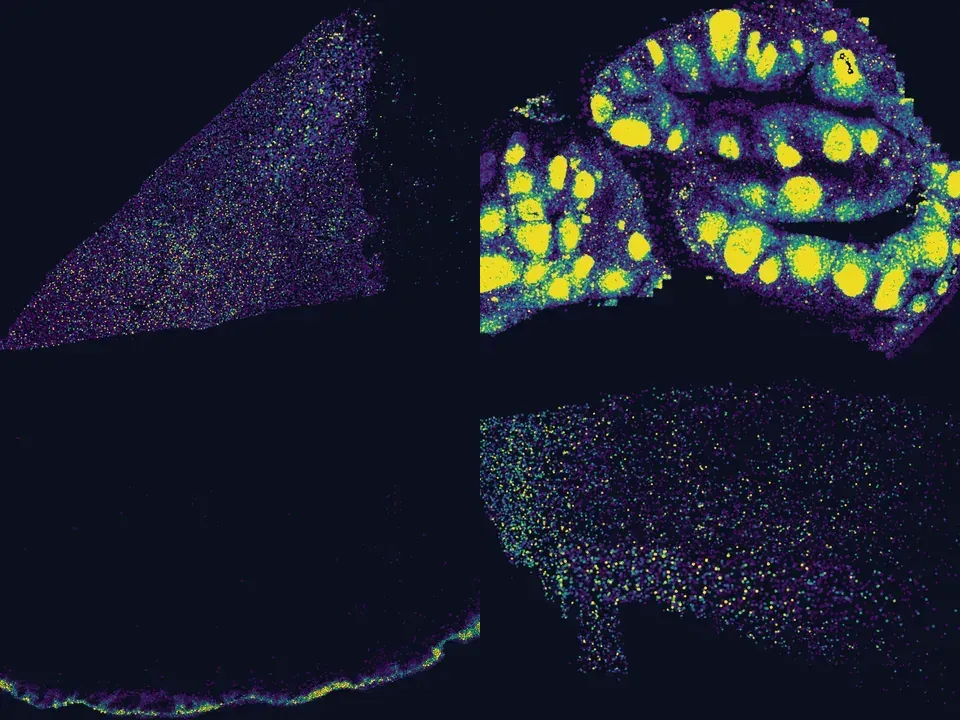
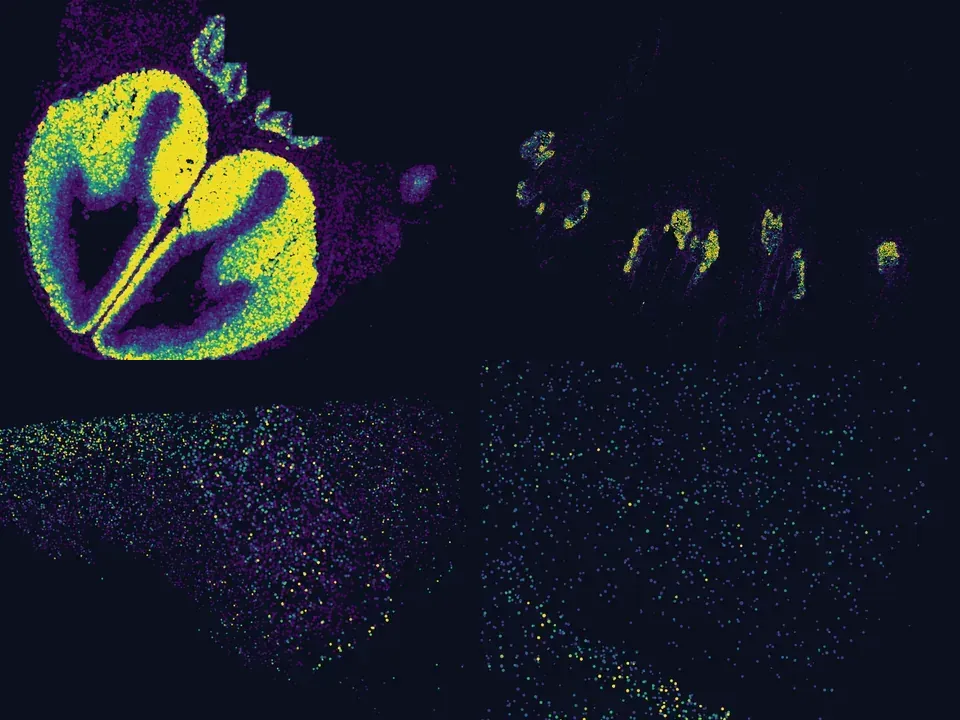
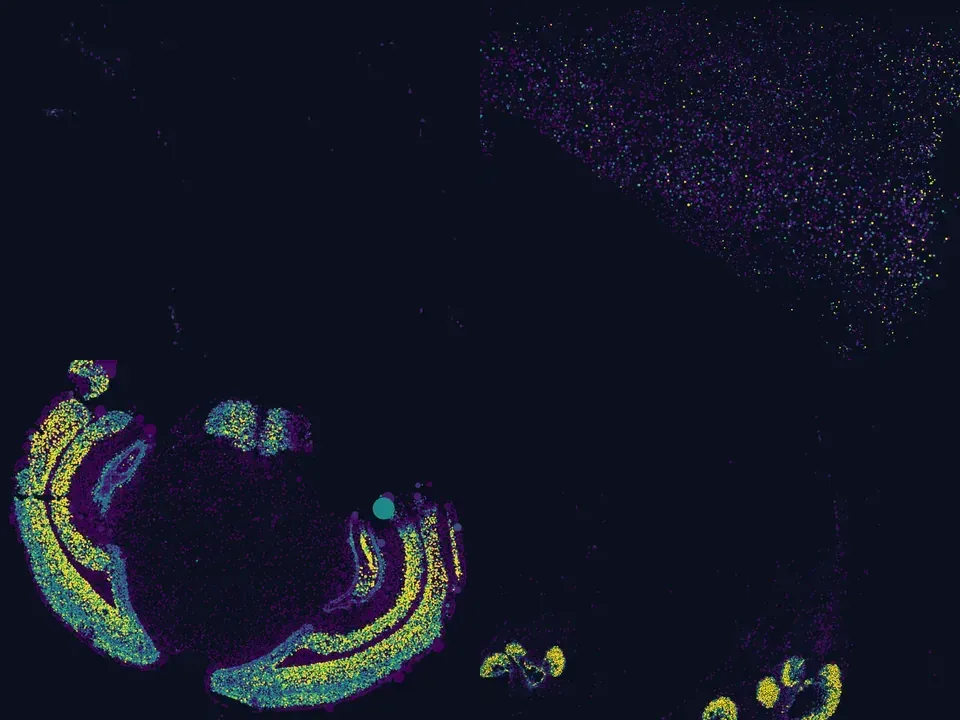
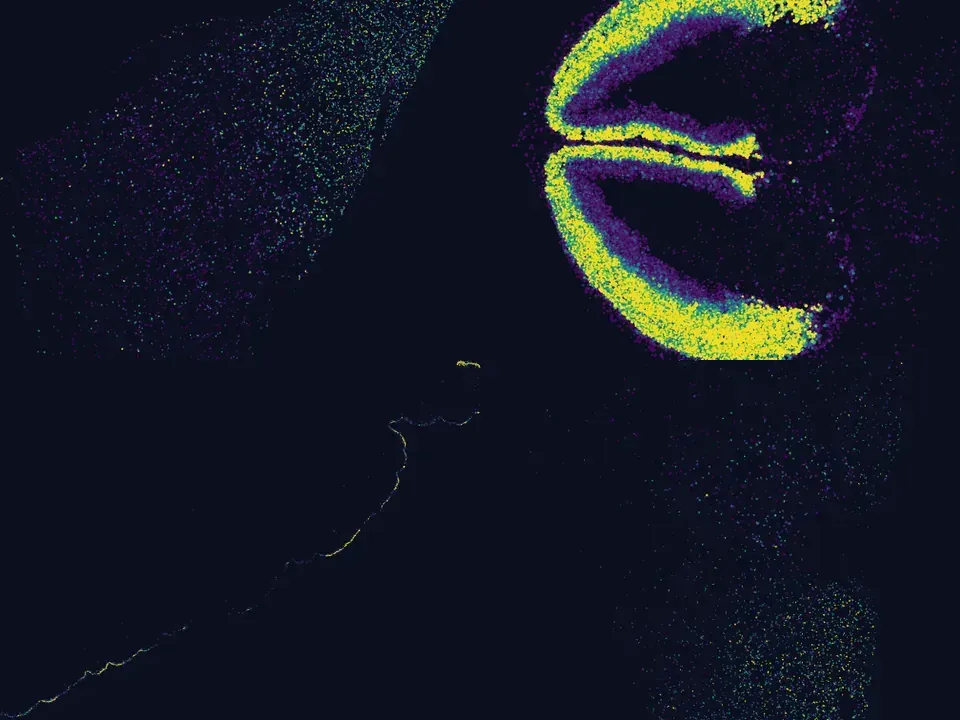
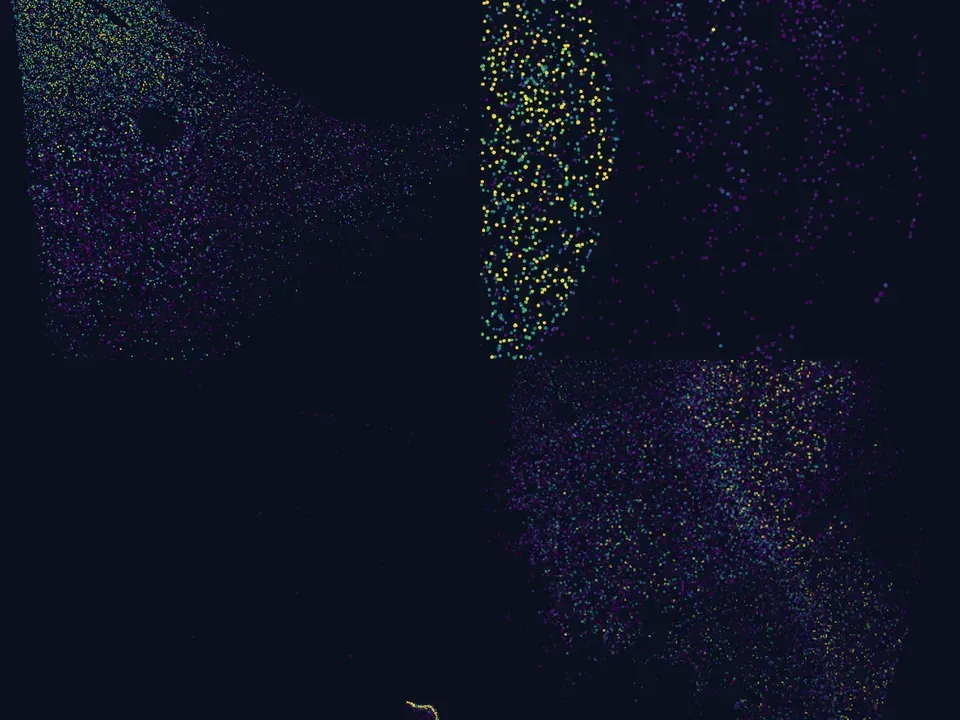
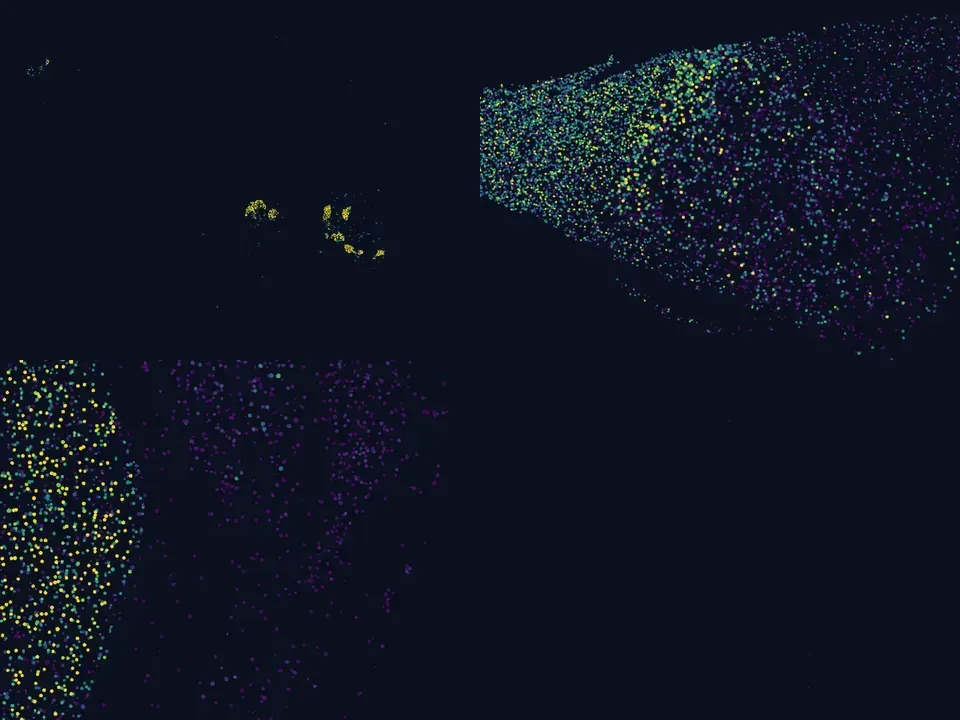
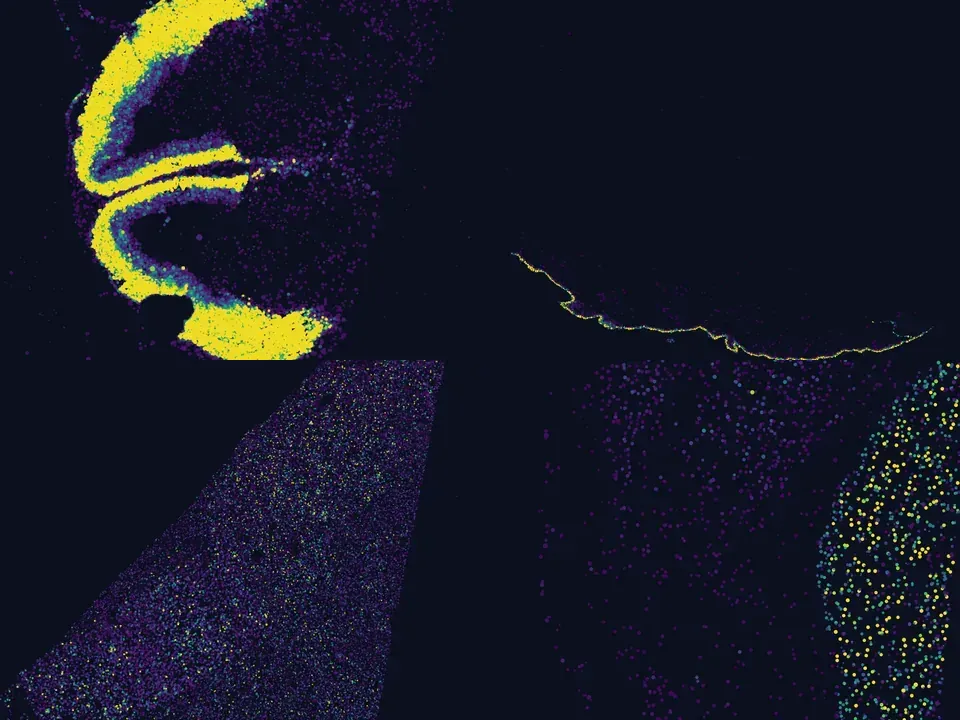
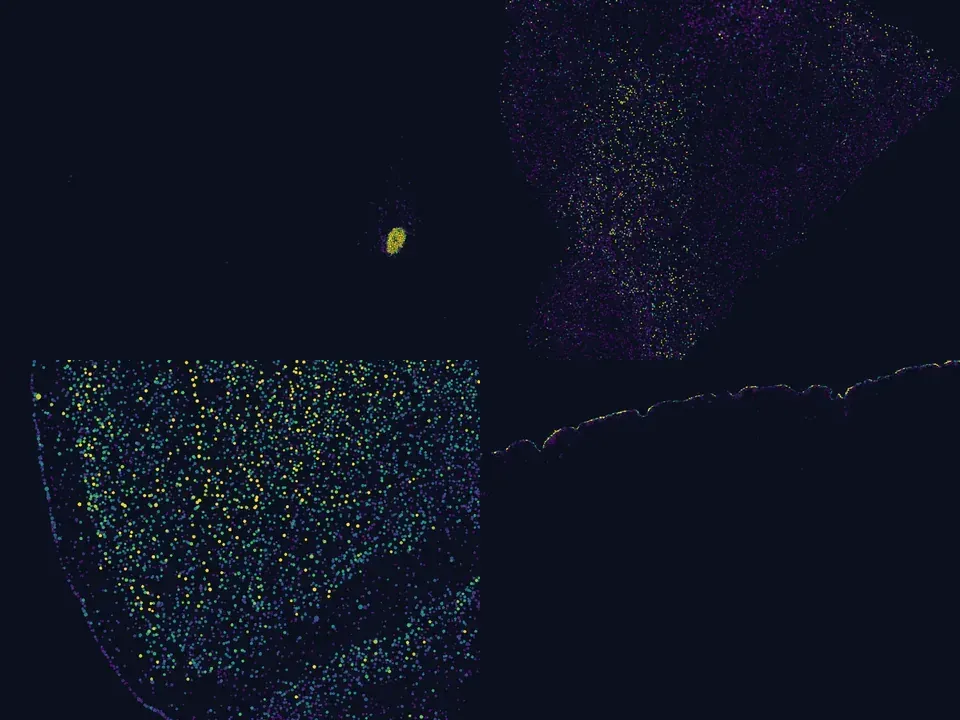
human skin of body 16.6 MB 13,170 cells silver
TechnologyVizgen MERSCOPE
Organismhuman
Tissueskin of body
Cells13,170
silver
from sddb import Catalog

cohort = Catalog().collection("bia-s-biad2376")
cohort.members        # the 115 datasets as a table

print(cohort.licenses())              # check the terms before you download

sdatas = cohort.to_dict()             # {uid: SpatialData}, cached locally
# or keep the .zarr files in a folder of your choice:
# sdatas = cohort.to_dict(dest="data/")Needs pip install lamindb and network access to the Lamin database, which is limited during the alpha. If it fails, use the Client tab.
import lamindb as ln

db = ln.DB("scverse/spatialdata-db")
coll = db.Collection.get(key="bia-s-biad2376")
coll.ordered_artifacts.to_dataframe()   # the 115 members, ordered

# download every member .zarr to the local cache:
paths = [a.cache() for a in coll.ordered_artifacts.all()]# sddb client: download every member .zarr into data/
sddb-cli download --collection bia-s-biad2376 --dest data/Licenses: 115 CC BY 4.0
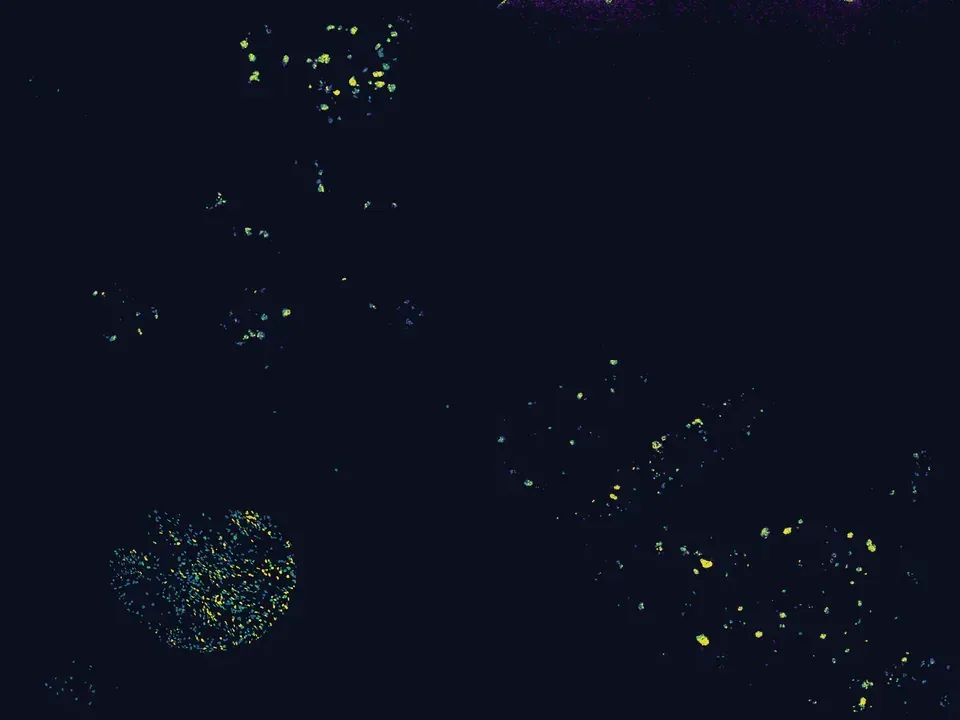
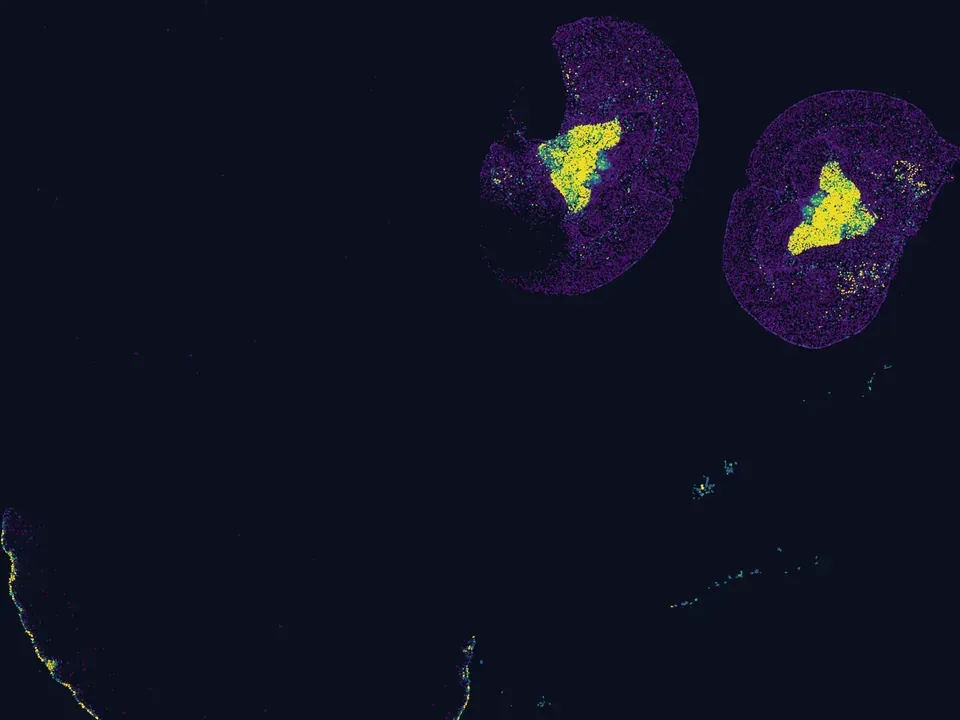
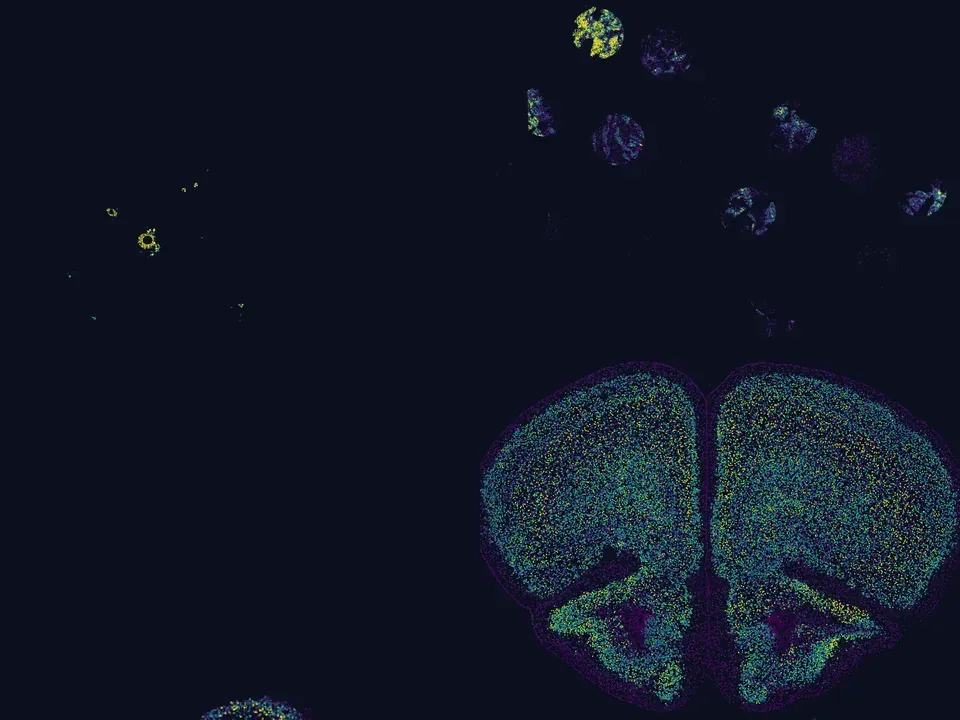
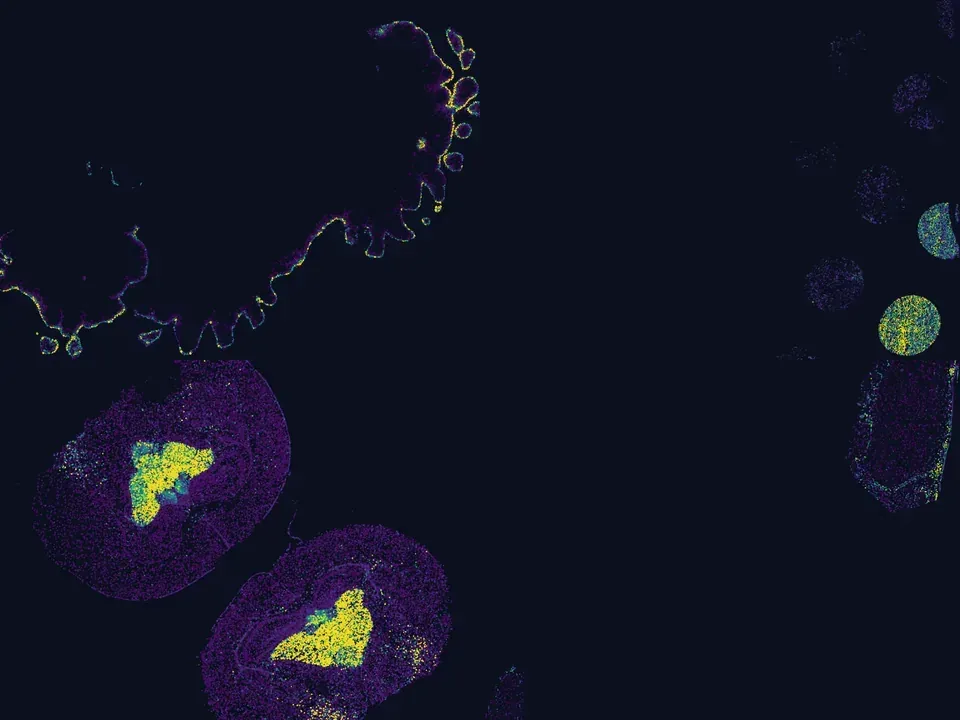
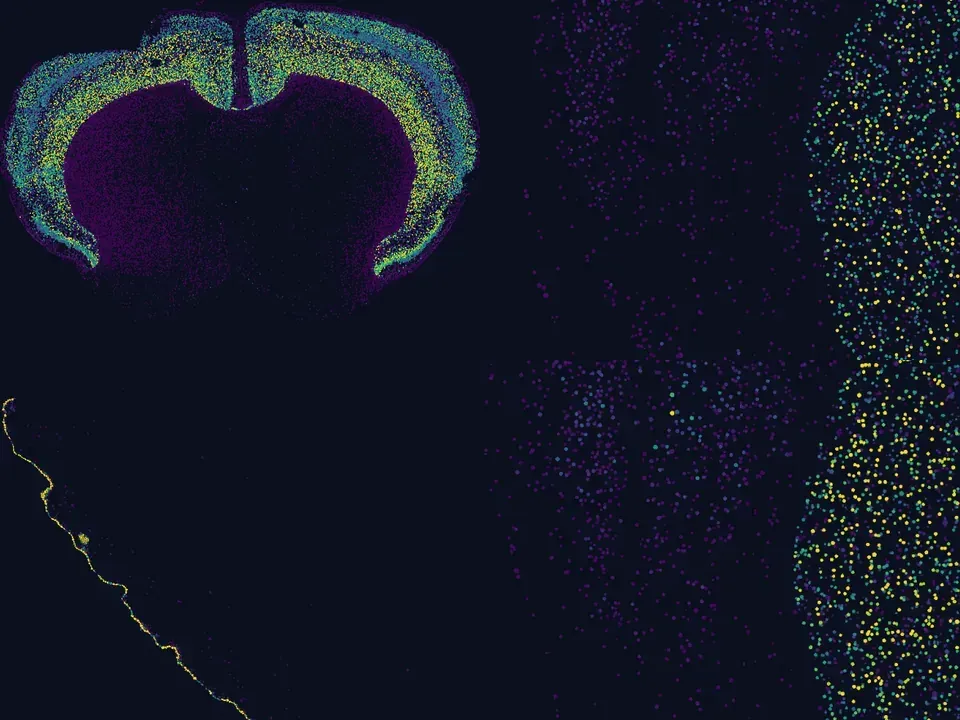
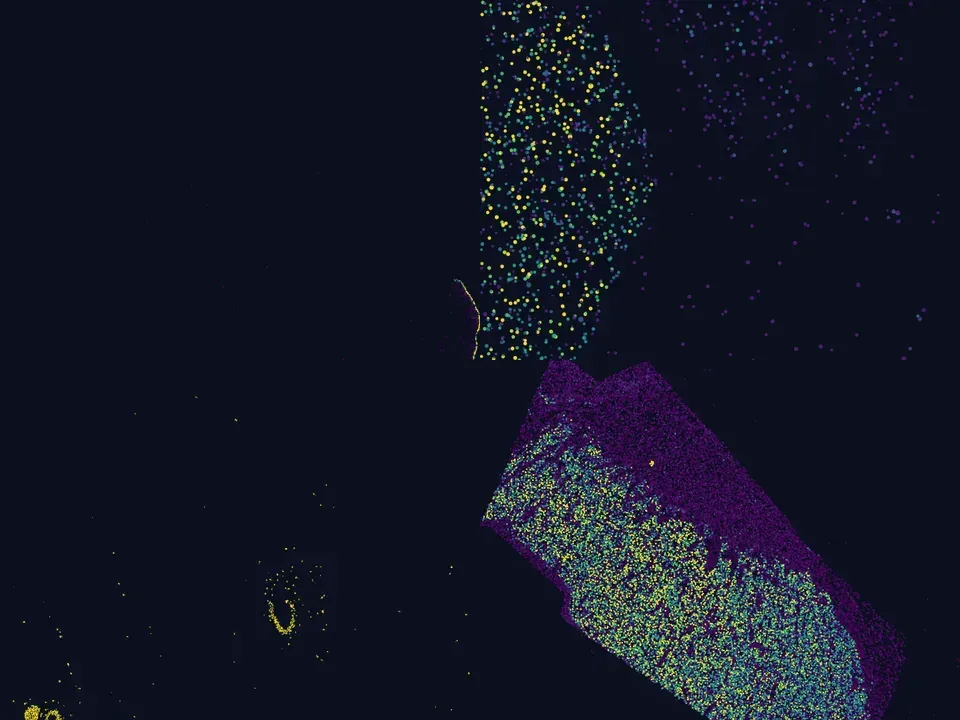
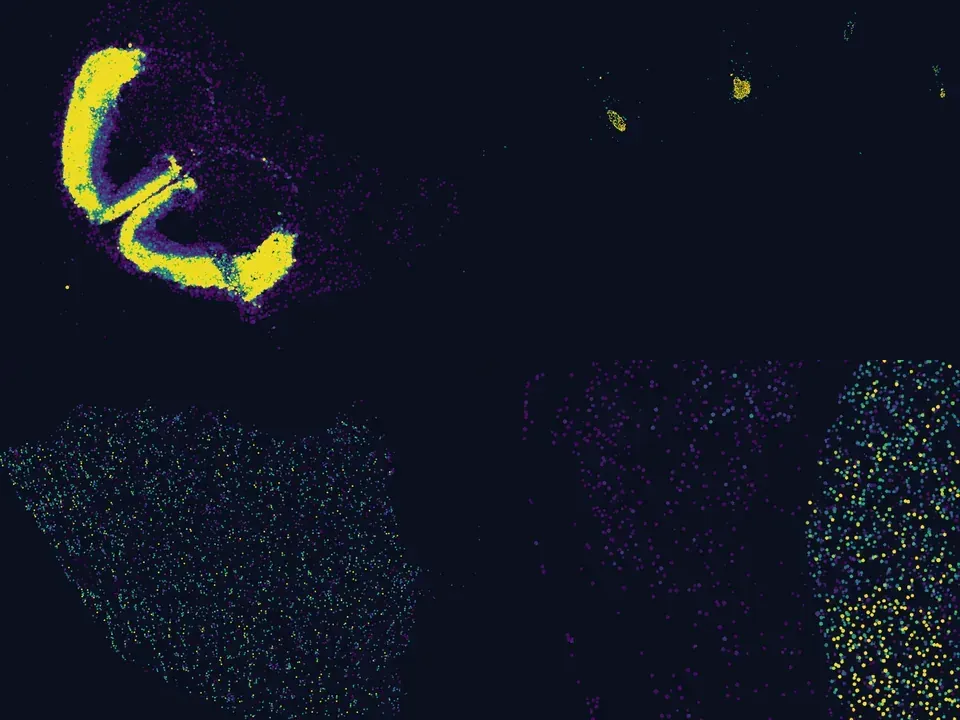
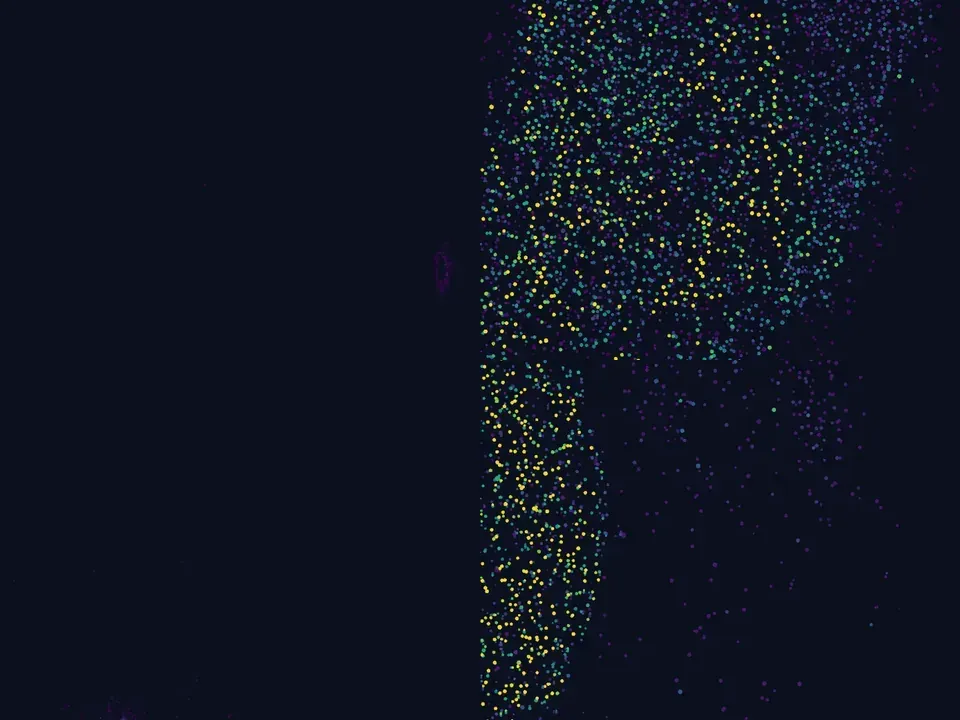
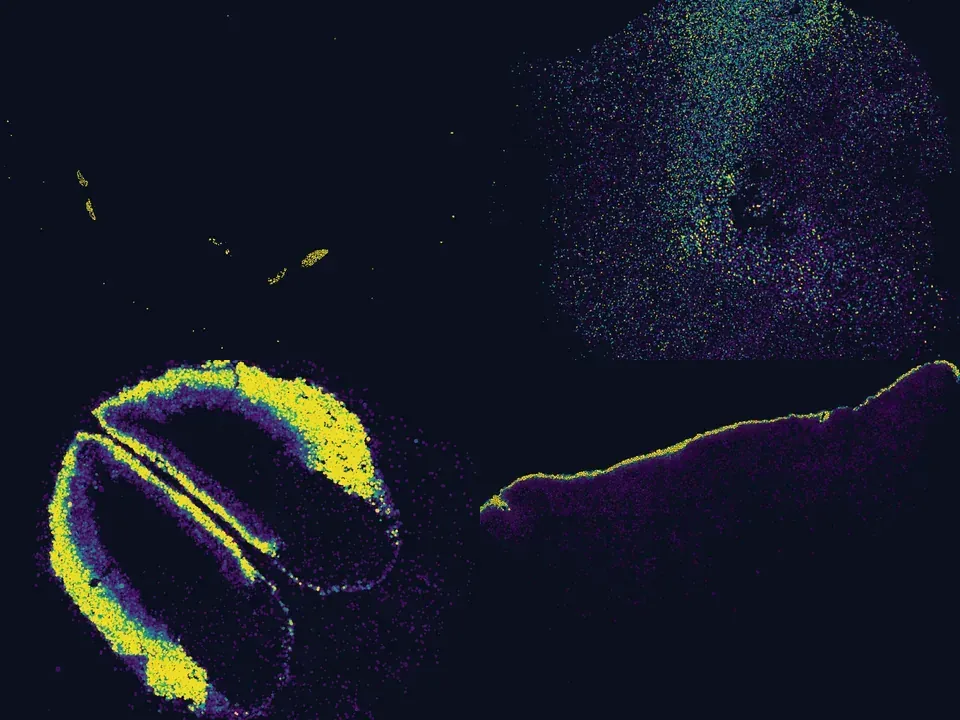
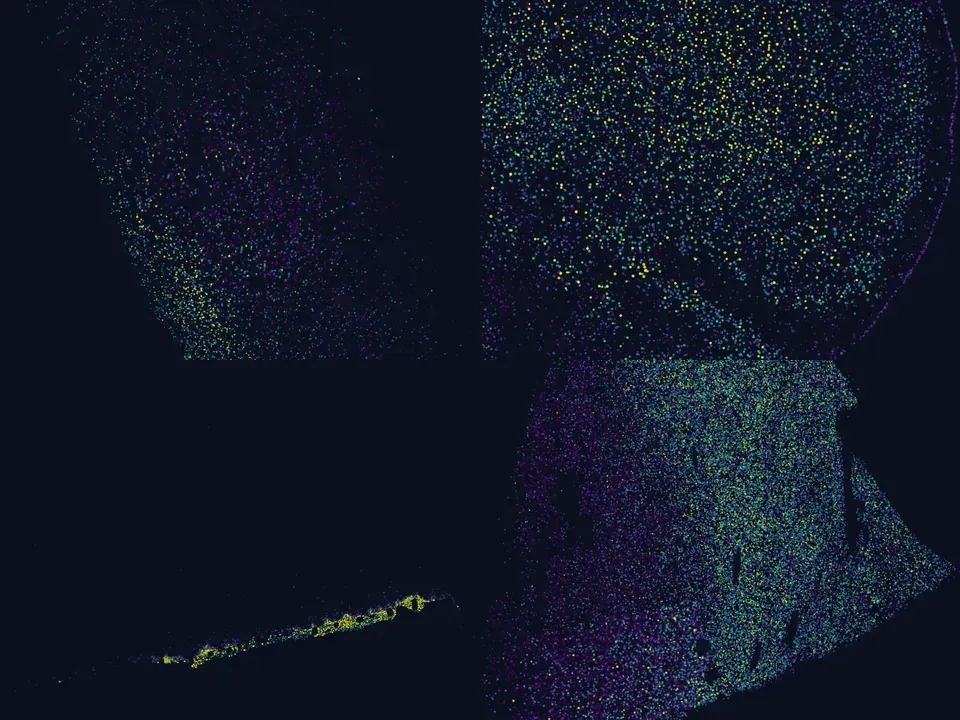
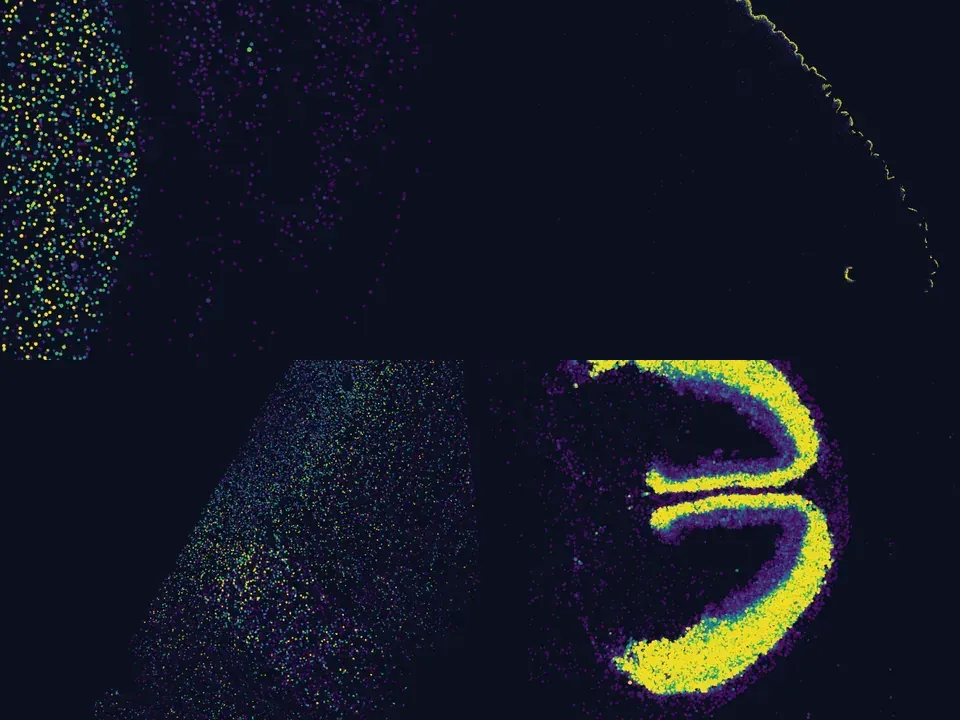
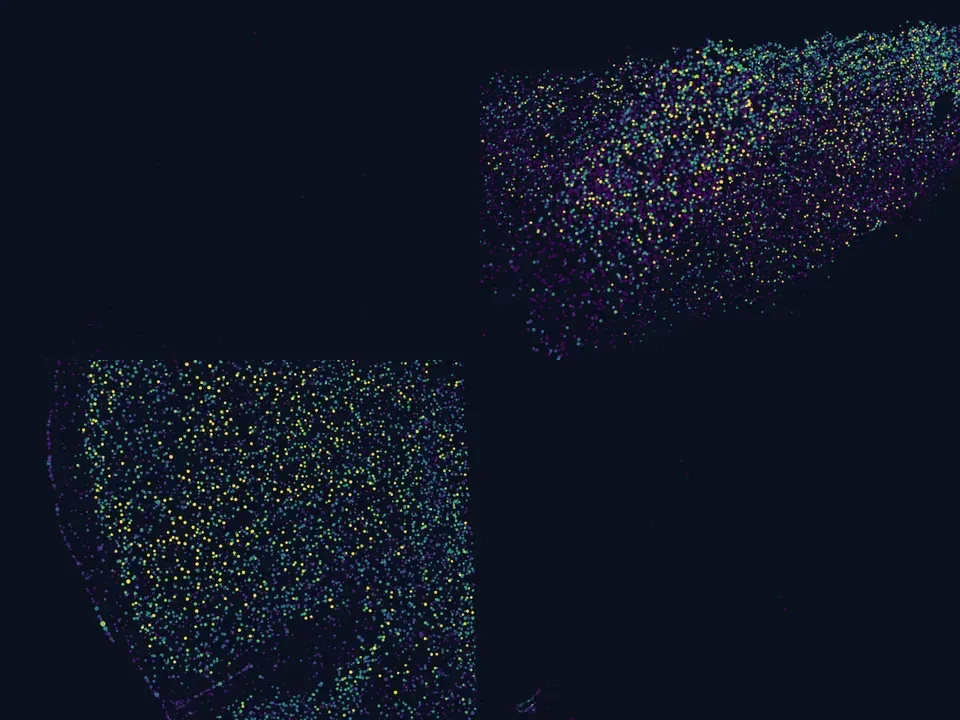
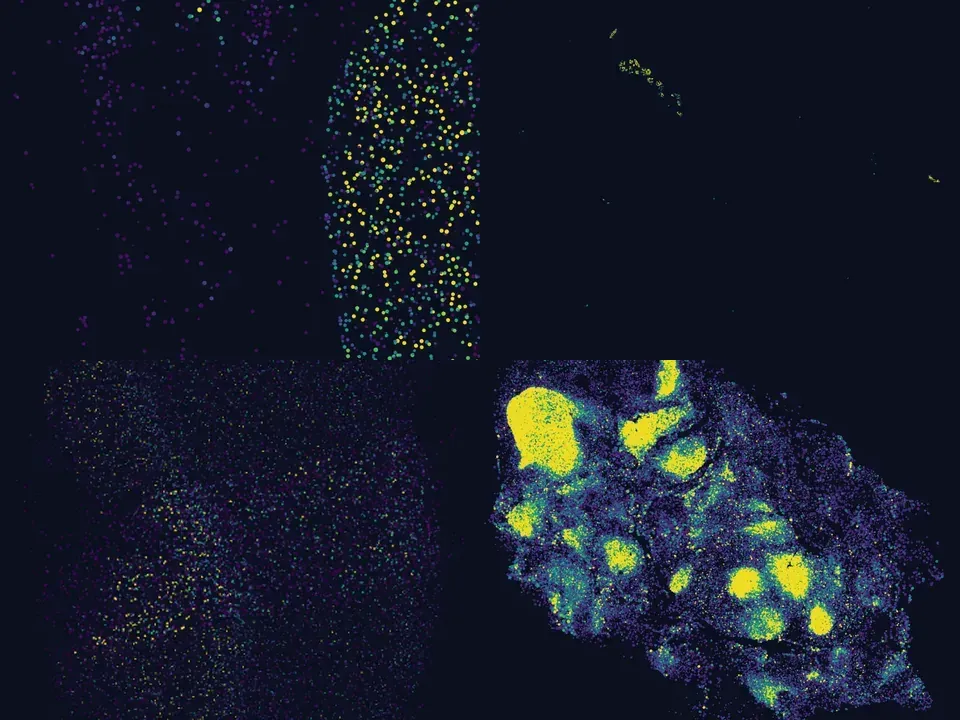
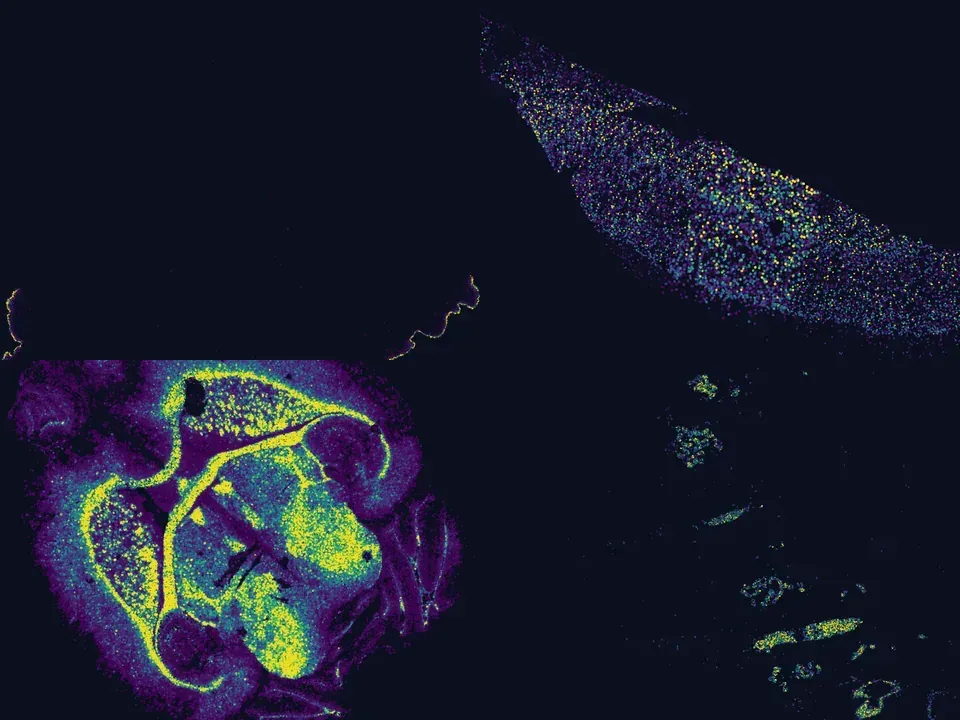
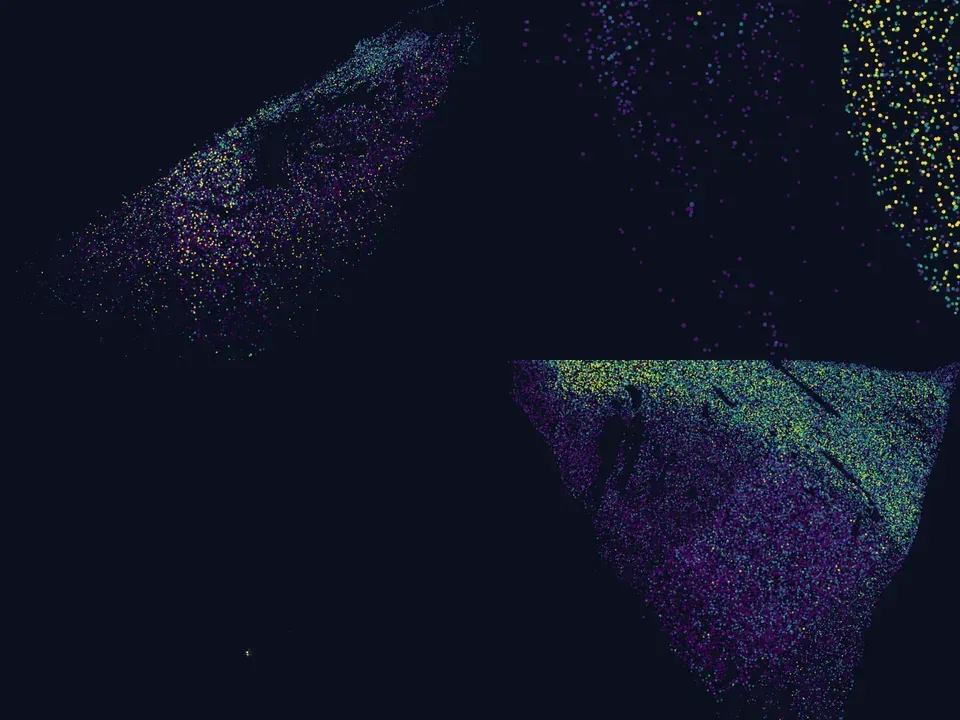
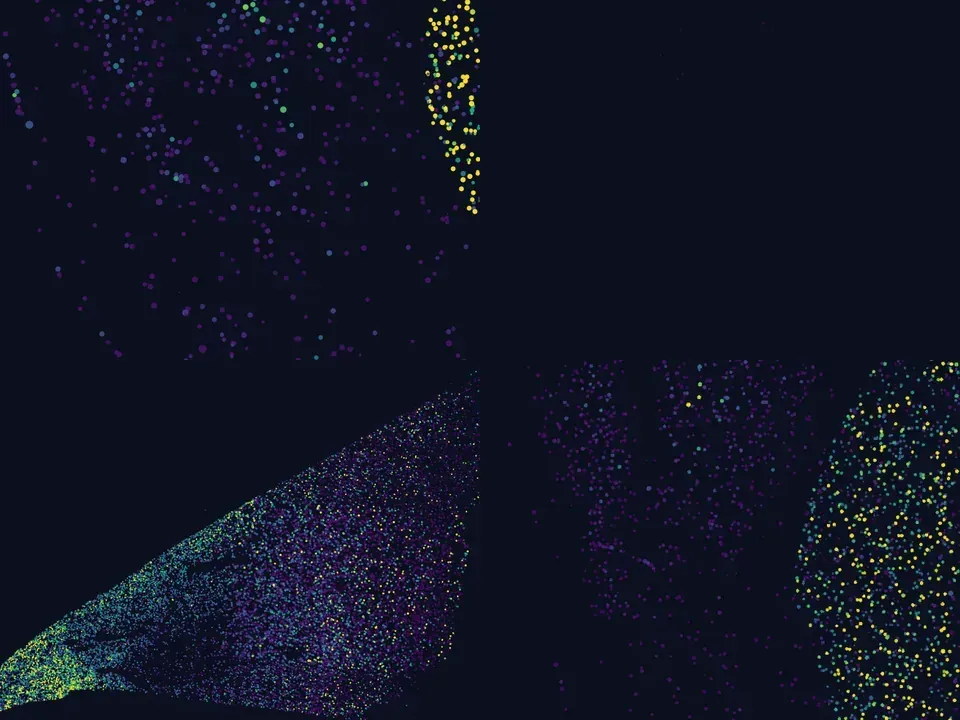
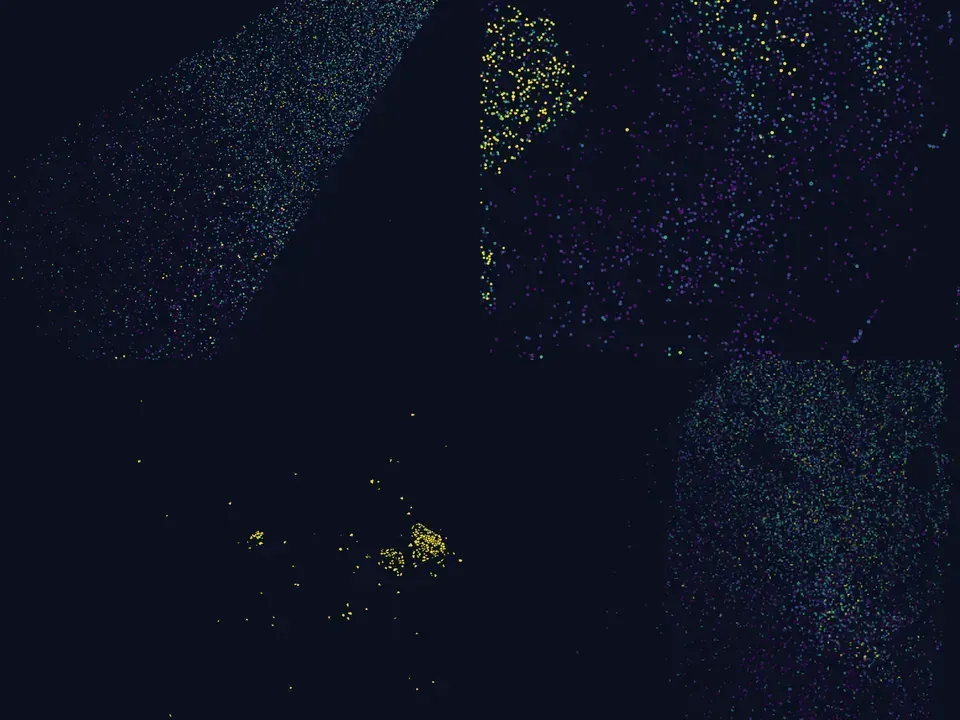
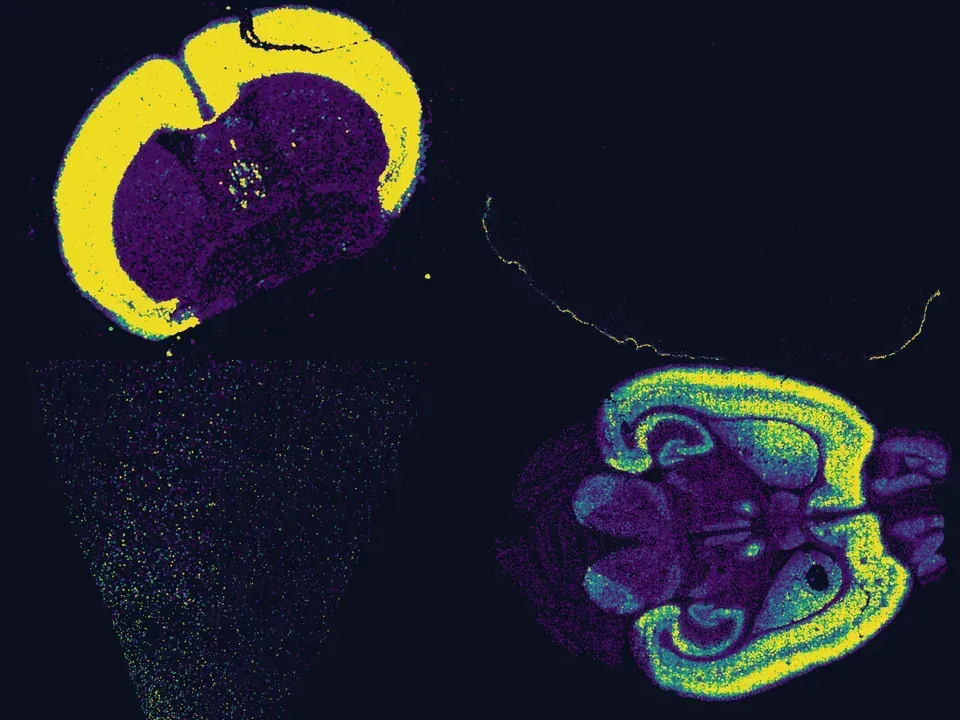
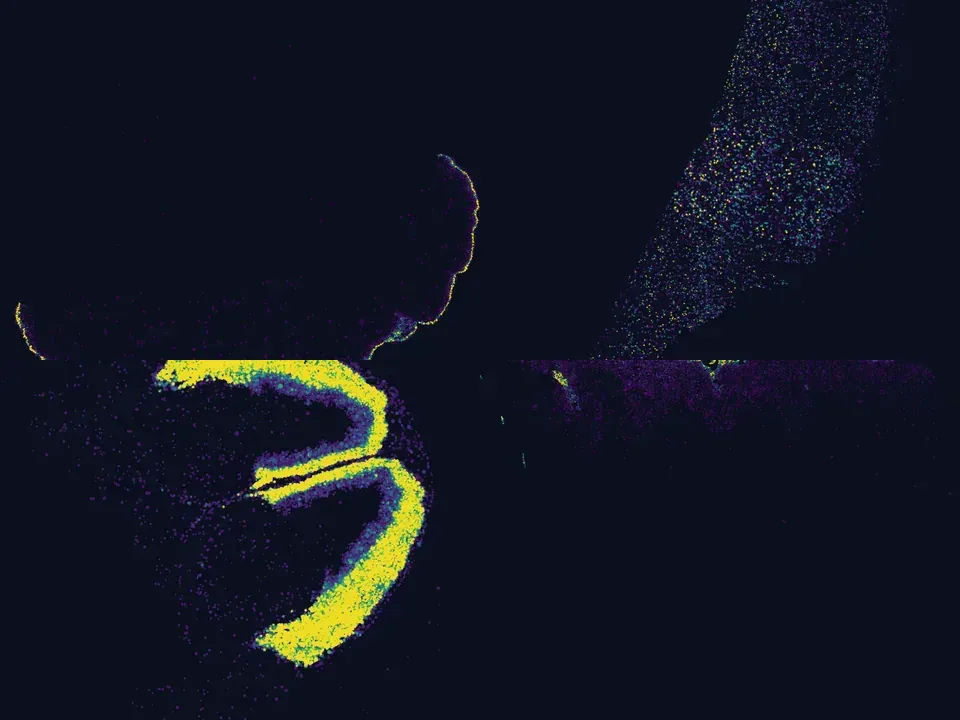
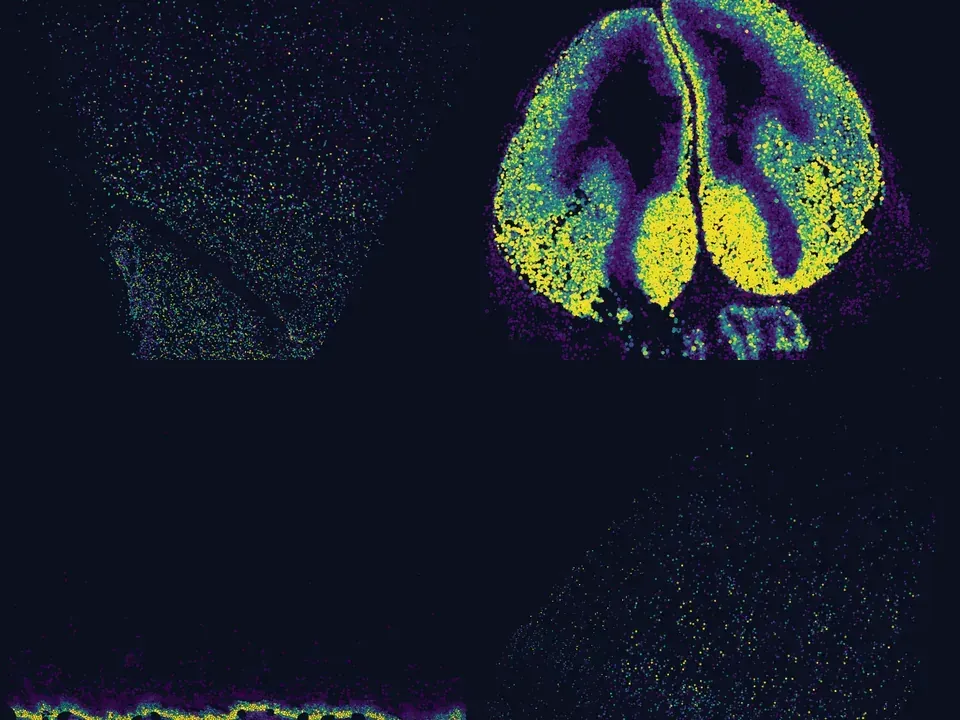
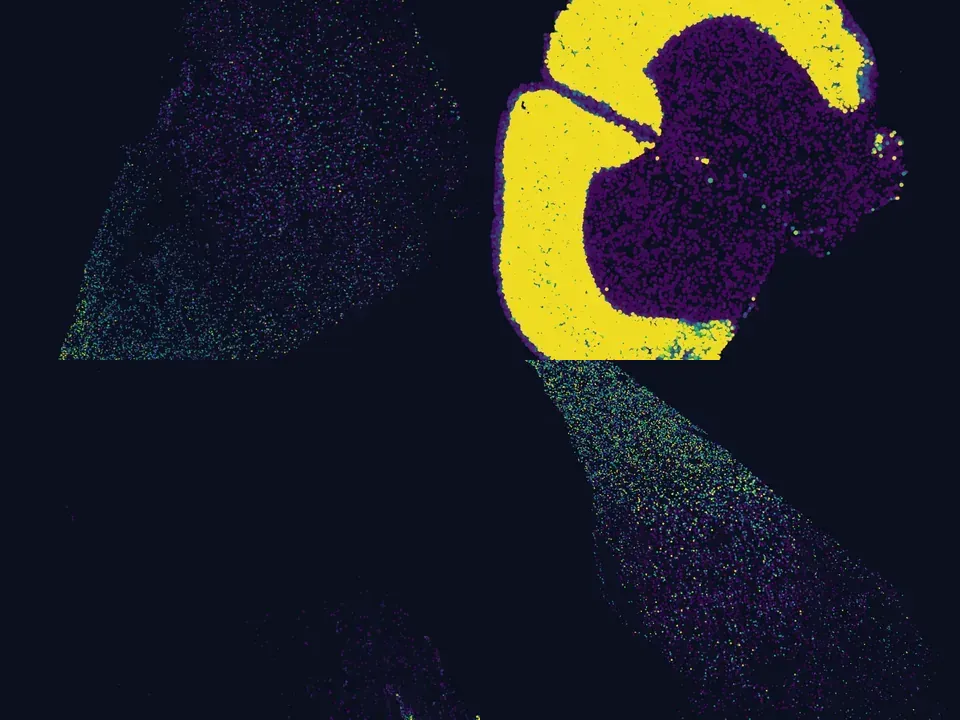
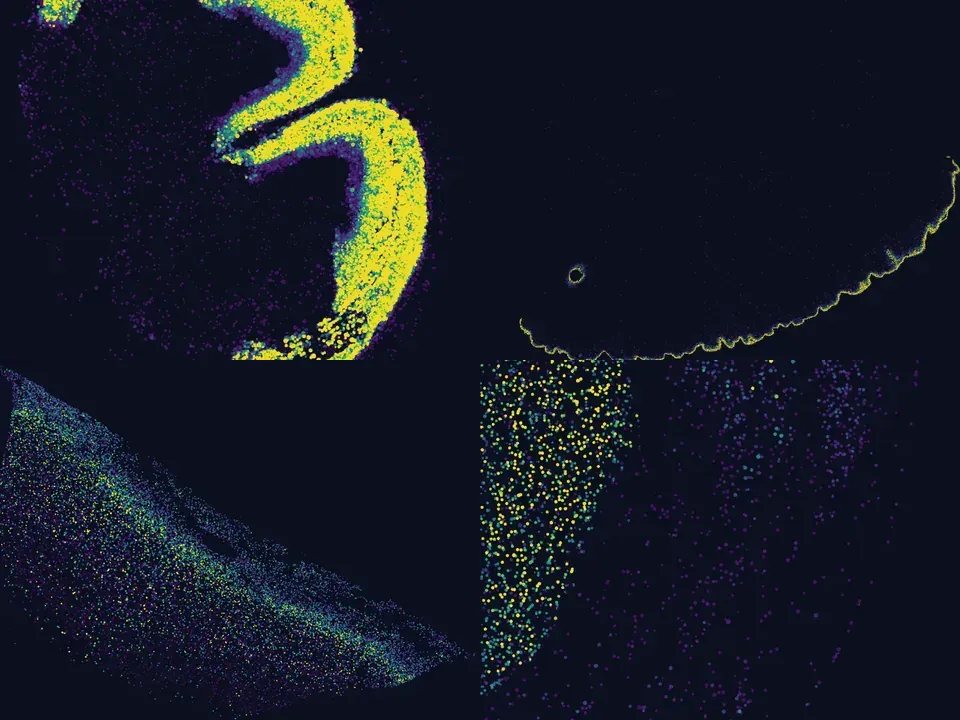
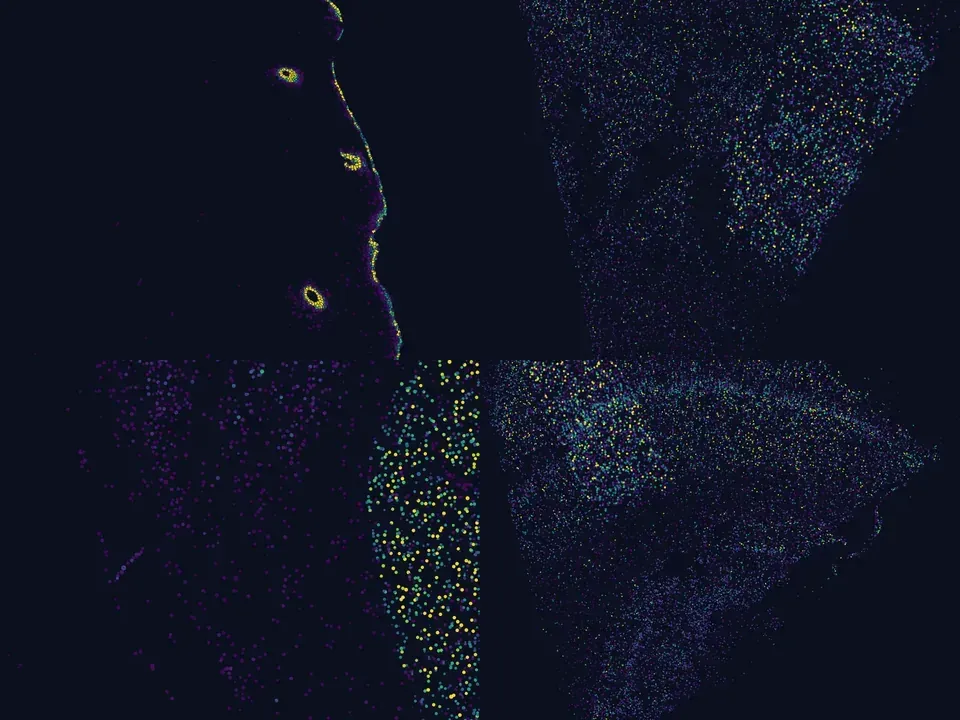
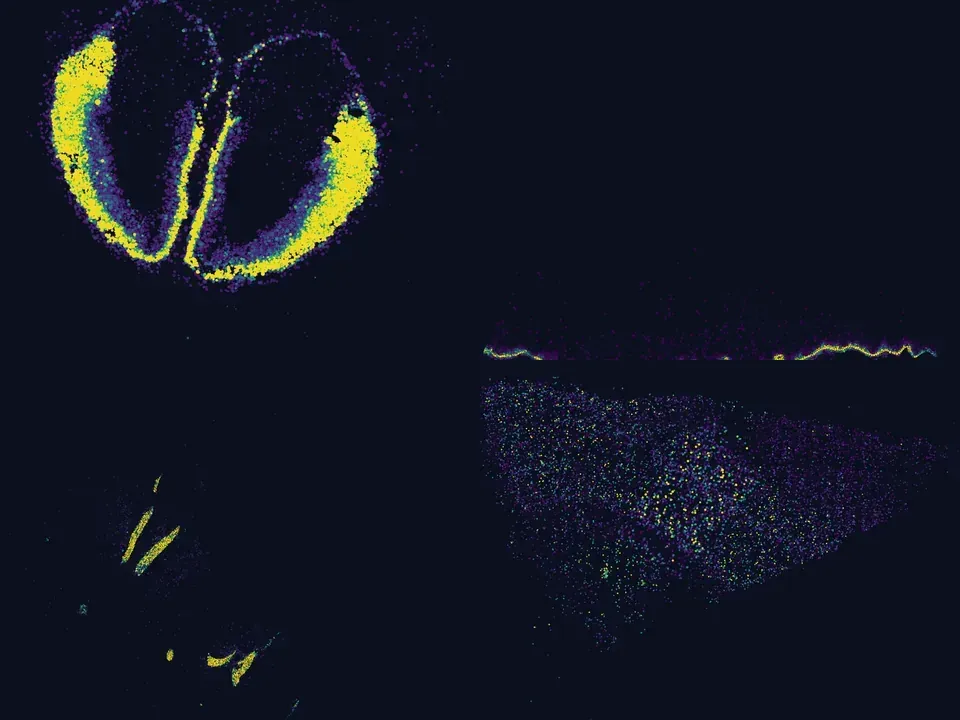
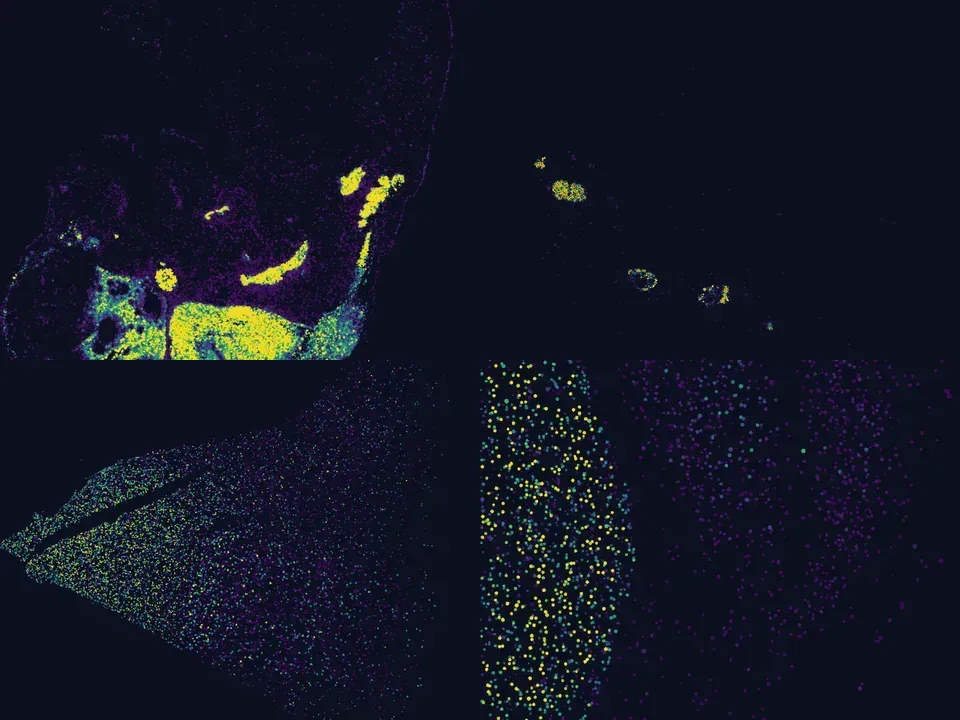
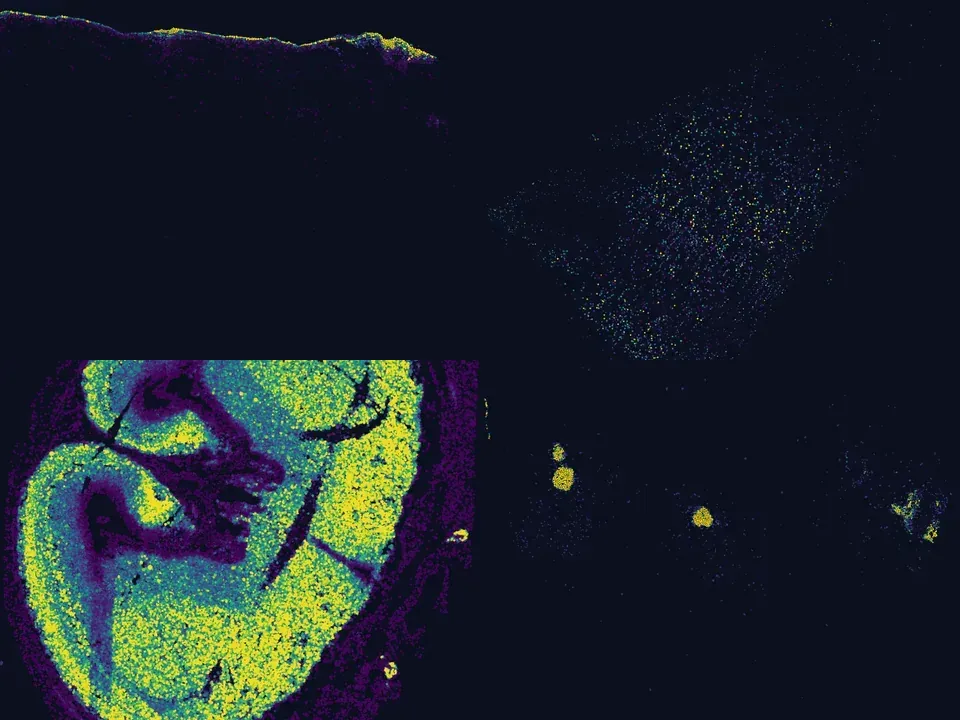
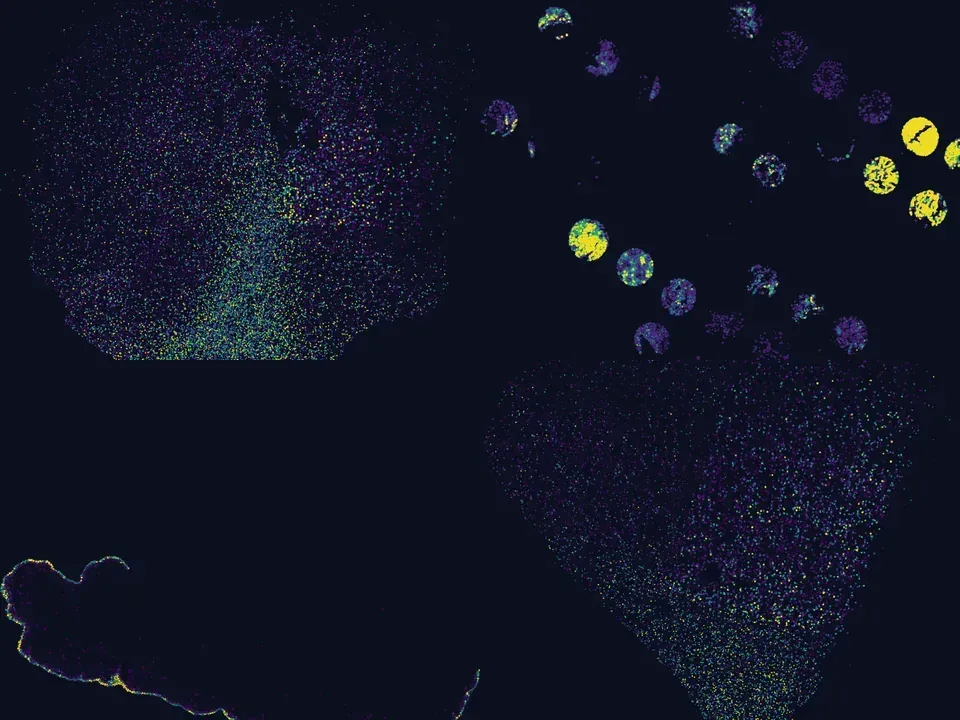
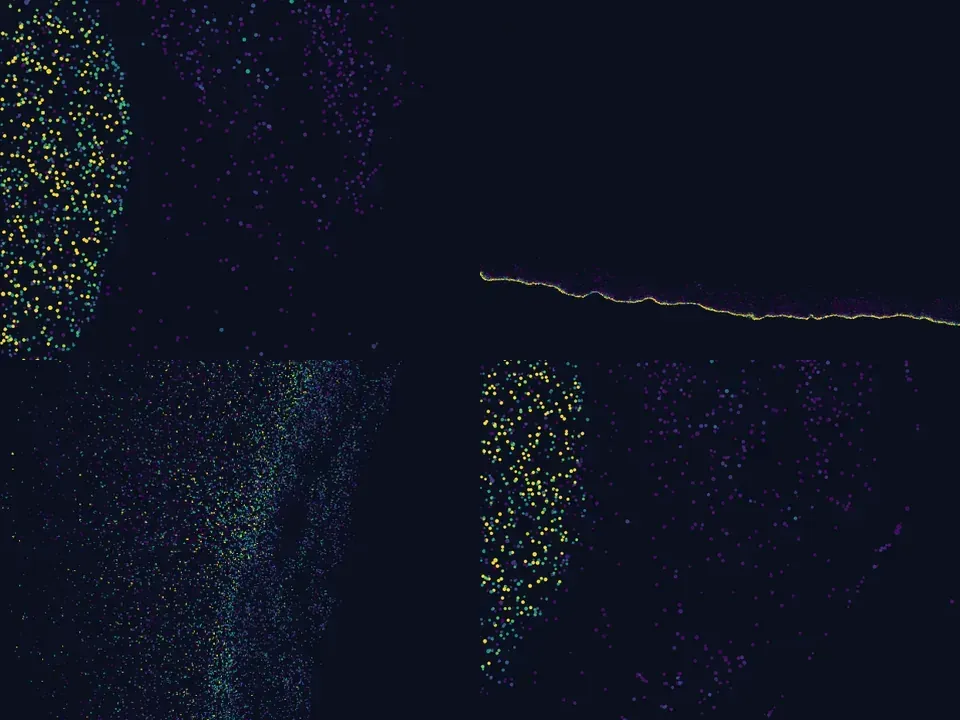
The skin is the largest human organ and a site of substantial disease burden, yet its cellular and molecular organization across the body is largely undefined. Here we construct an organ-wide single-cell spatial atlas of ~1.2 million cells from normal adult human skin, resolving the location of 45 cell types across 114 samples encompassing 15 anatomic sites. We uncover site-specific stereotypic cell-type composition and their organization into ten multicellular neighborhoods, most notably a perivascular neighborhood reminiscent of skin-associated lymphoid tissue. Within this neighborhood, ligand-receptor (L-R) analyses identify a central role for tumor necrosis factor in maintaining CCL19<sup>+</sup> perivascular fibroblasts, highlighting homeostatic immune-stromal crosstalk. Finally, comparing neighborhood dynamics in spatial transcriptomics of skin disease, we find pan-disease immune alterations in this perivascular neighborhood, suggesting spatial compartmentalization of pathogenic activity. Thus, multicellular neighborhoods underlie the skin's multiscale molecular to macroanatomic organization, orchestrate cell-cell interactions and anatomic site specialization and exhibit architectural disruption in disease.
No linked publication found — please cite the data source.