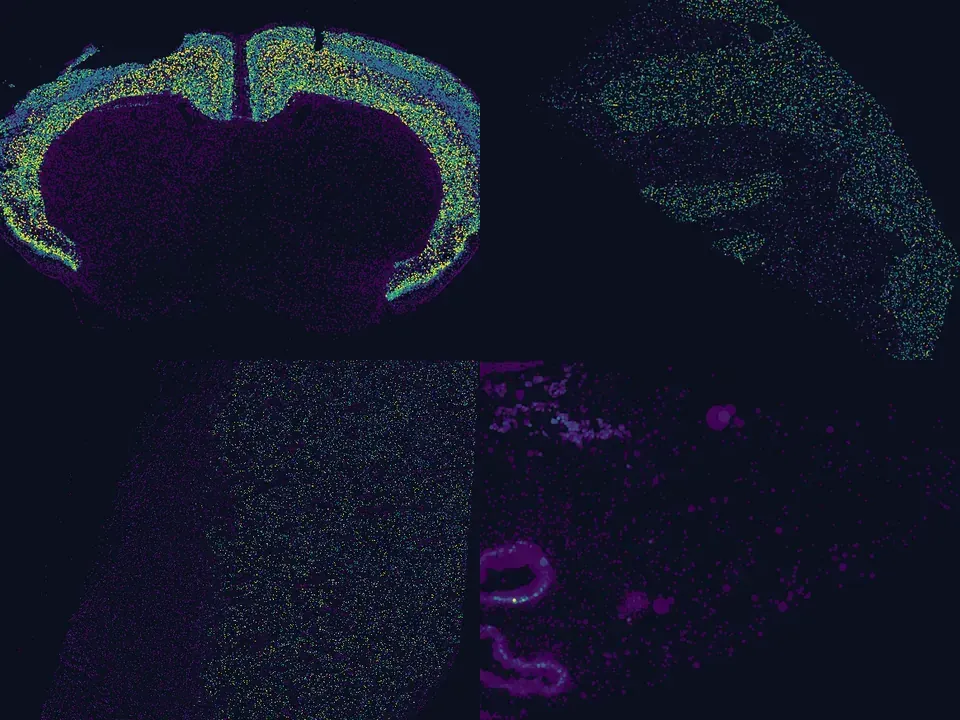
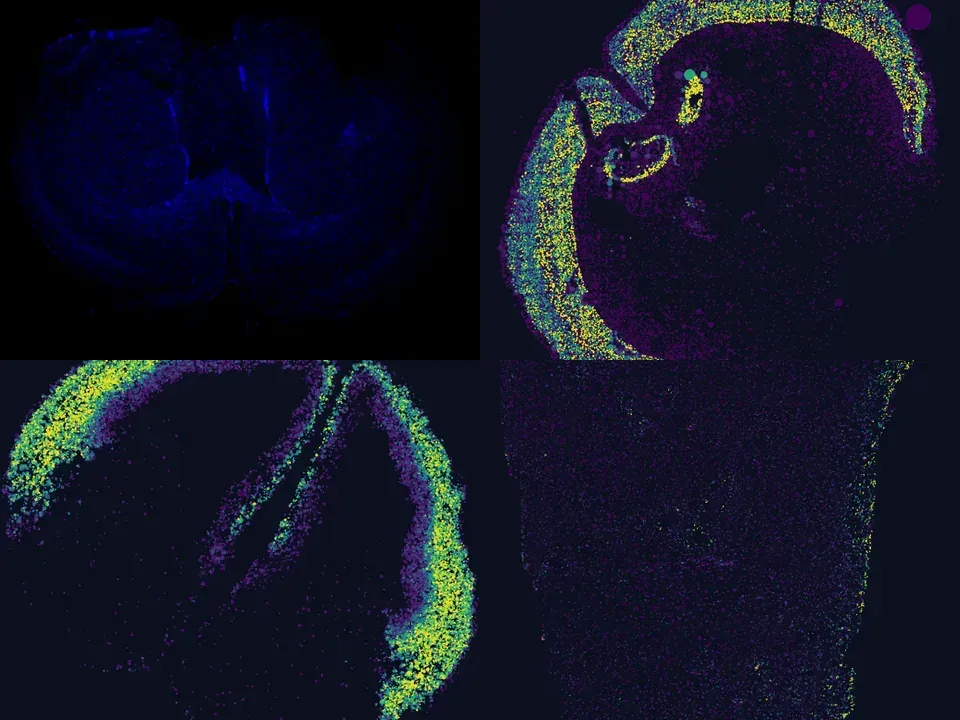
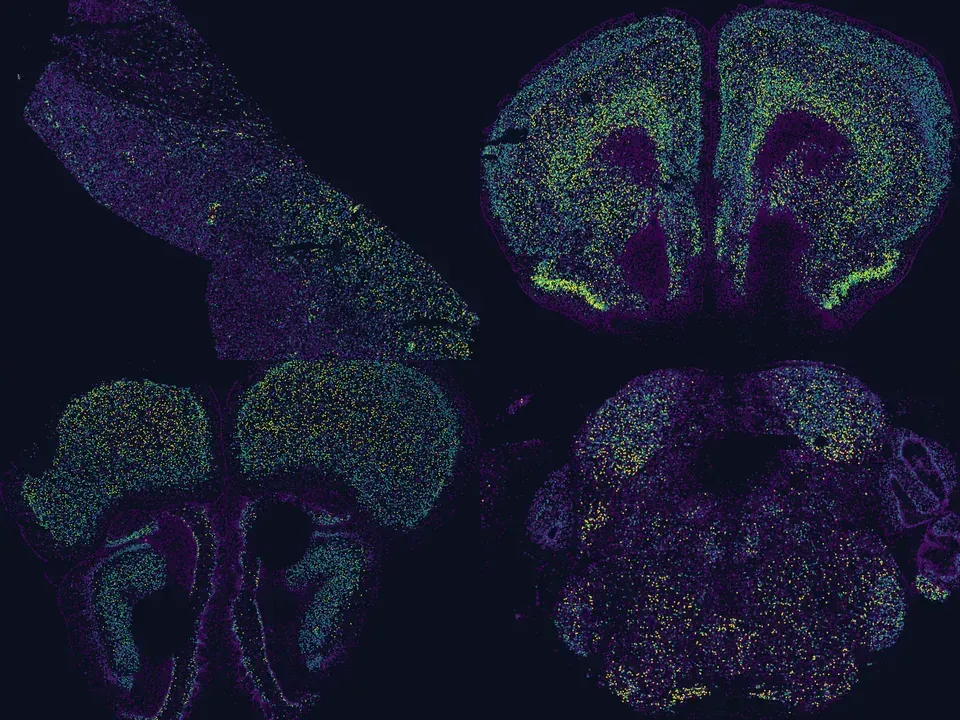
from sddb import Catalog

cohort = Catalog().collection("abc-hmba-merscope-qm23-50-001-bg")
cohort.members        # the 86 datasets as a table

print(cohort.licenses())              # check the terms before you download

sdatas = cohort.to_dict()             # {uid: SpatialData}, cached locally
# or keep the .zarr files in a folder of your choice:
# sdatas = cohort.to_dict(dest="data/")
Needs pip install lamindb and network access to the Lamin database, which is limited during the alpha. If it fails, use the Client tab.
import lamindb as ln

db = ln.DB("scverse/spatialdata-db")
coll = db.Collection.get(key="abc-hmba-merscope-qm23.50.001-bg")
coll.ordered_artifacts.to_dataframe()   # the 86 members, ordered

# download every member .zarr to the local cache:
paths = [a.cache() for a in coll.ordered_artifacts.all()]
A cross-species spatial transcriptomic atlas of the human and non-human primate basal ganglia
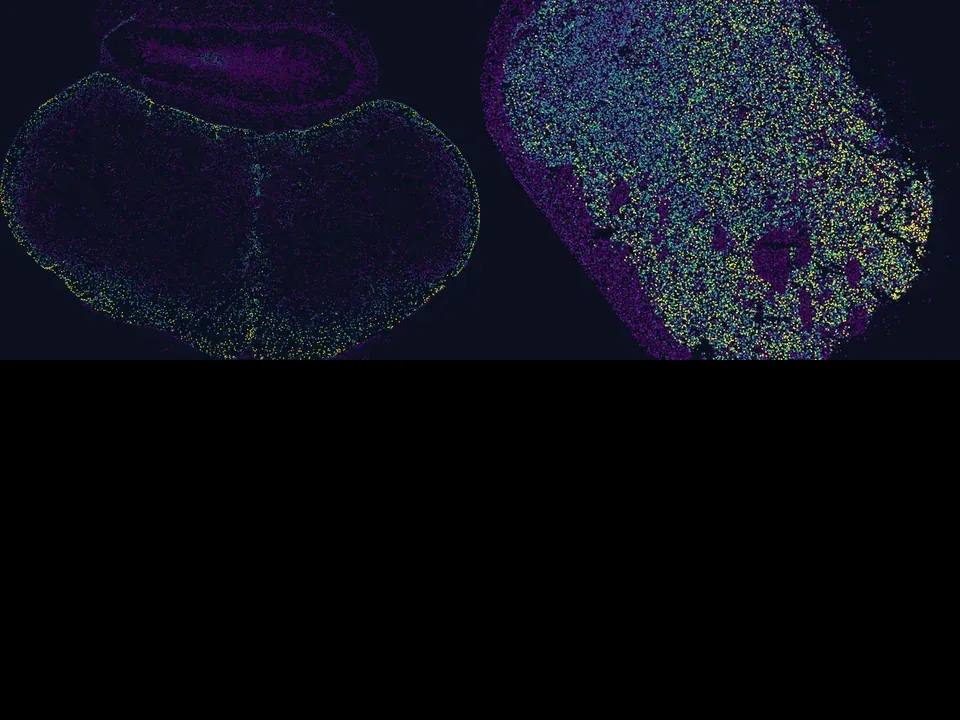
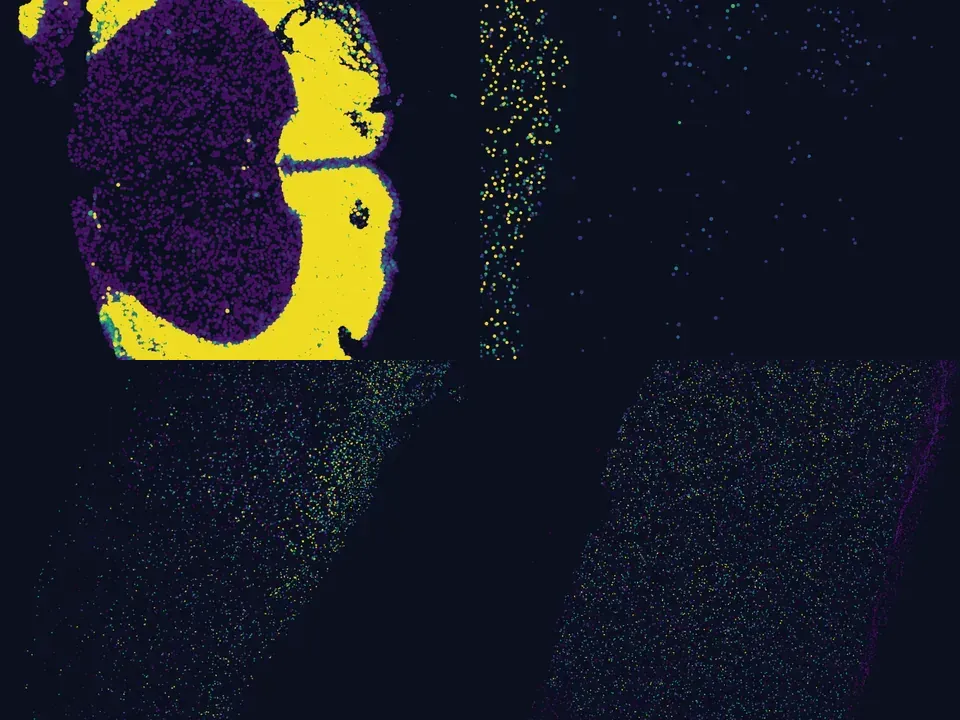
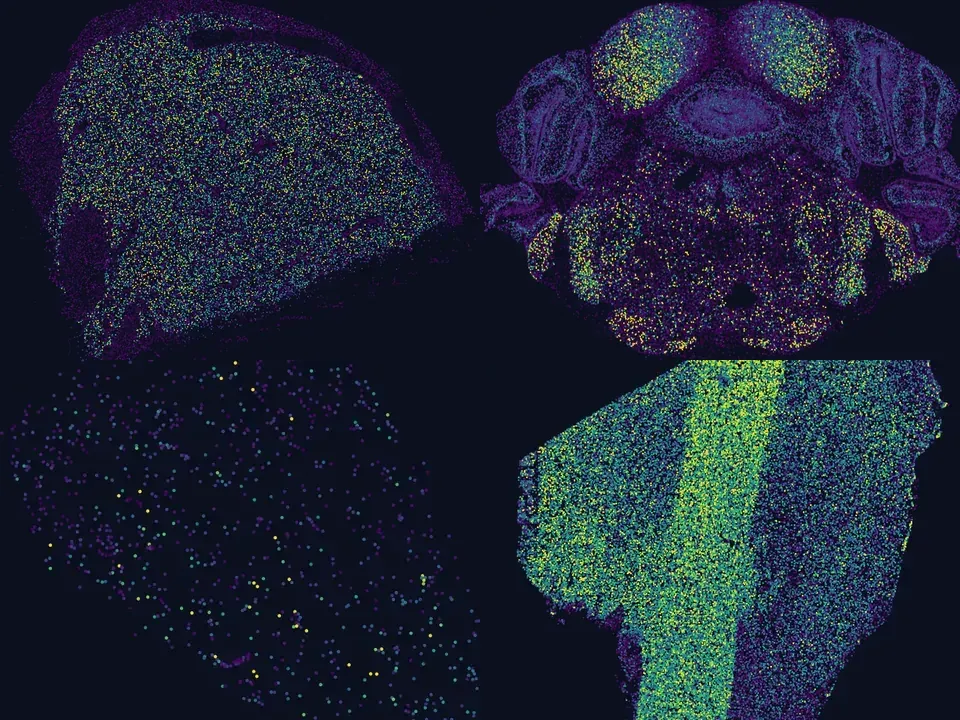
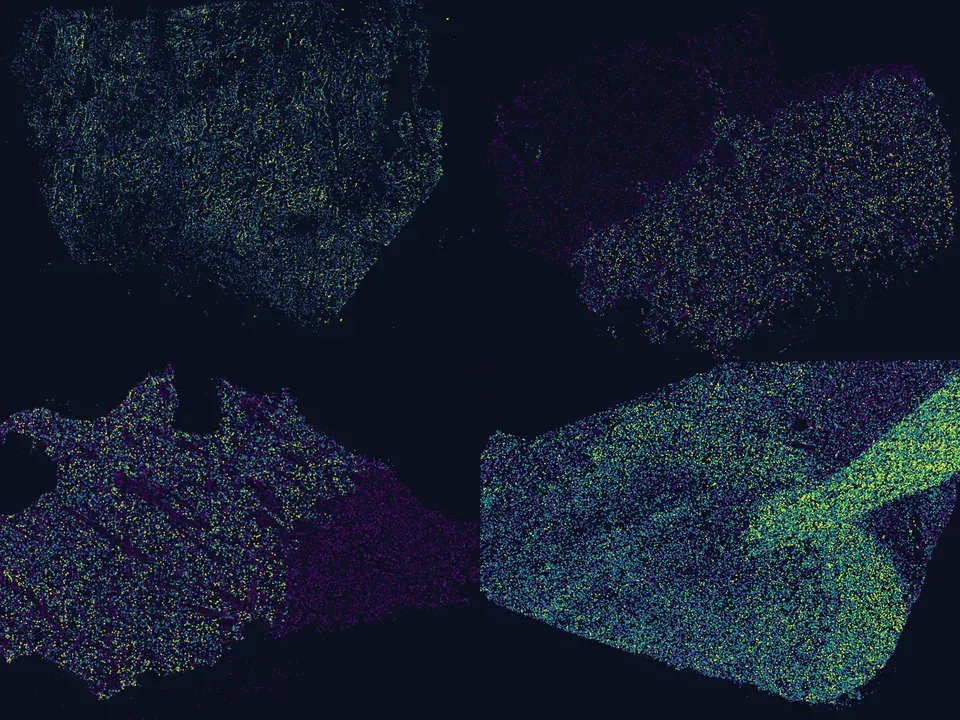
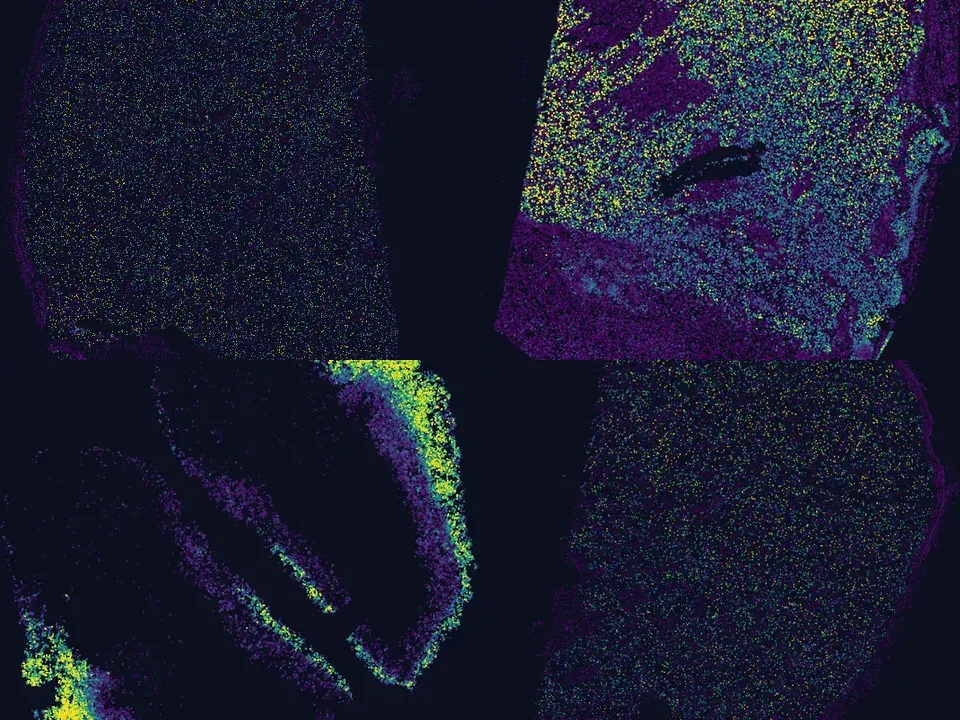
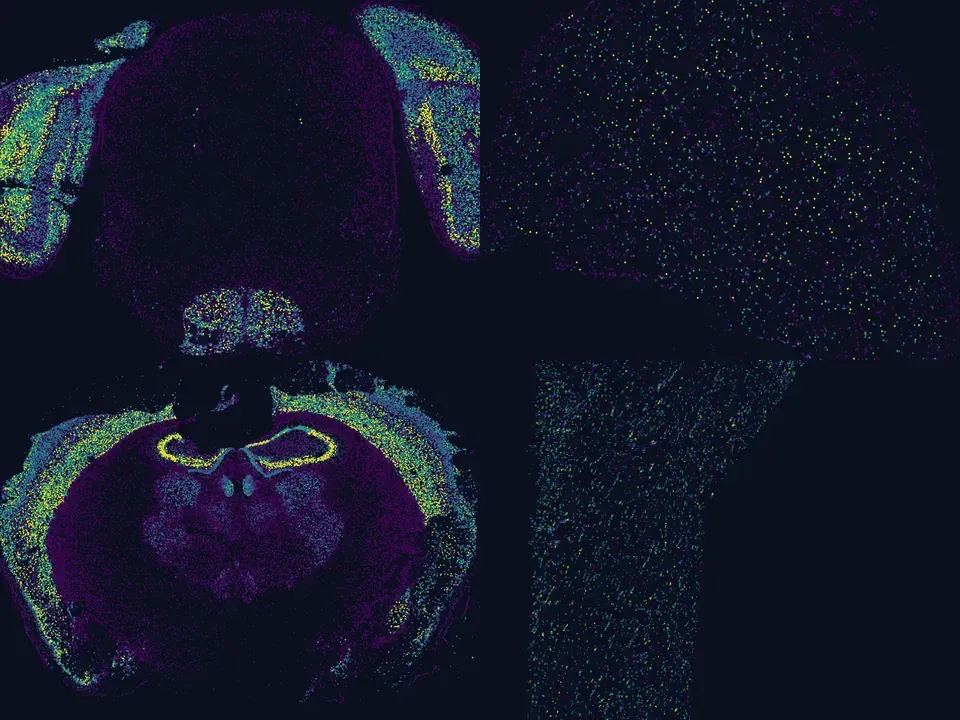
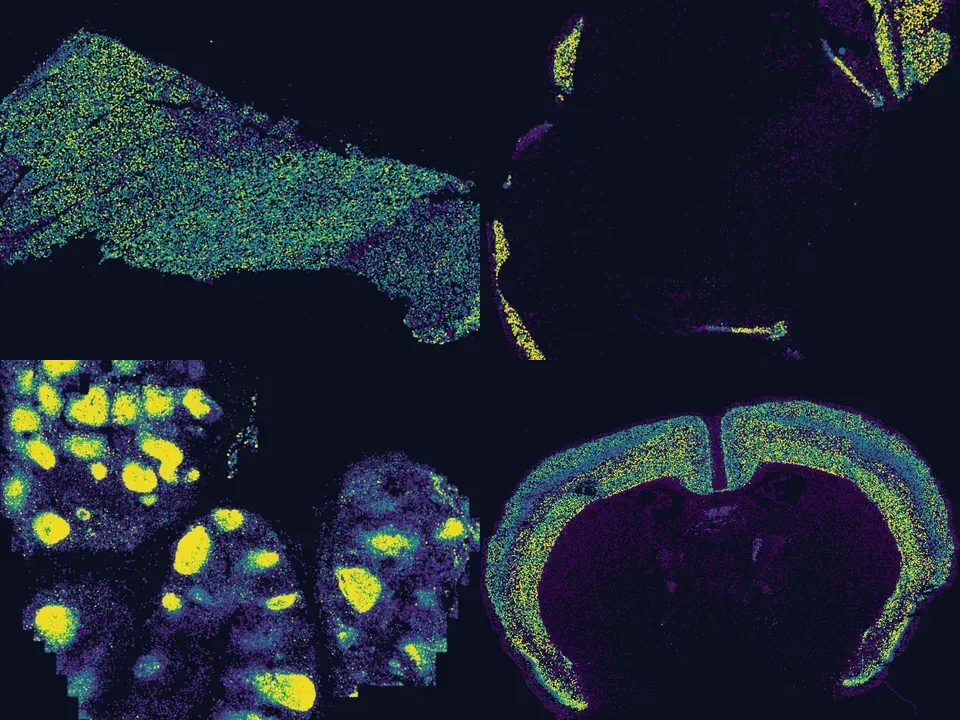
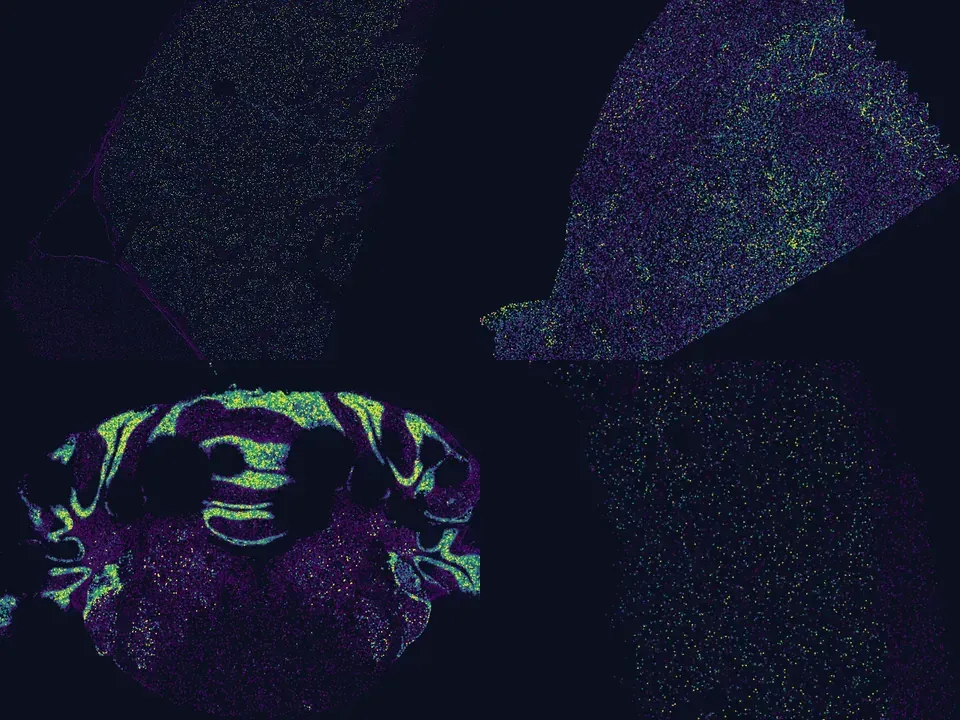
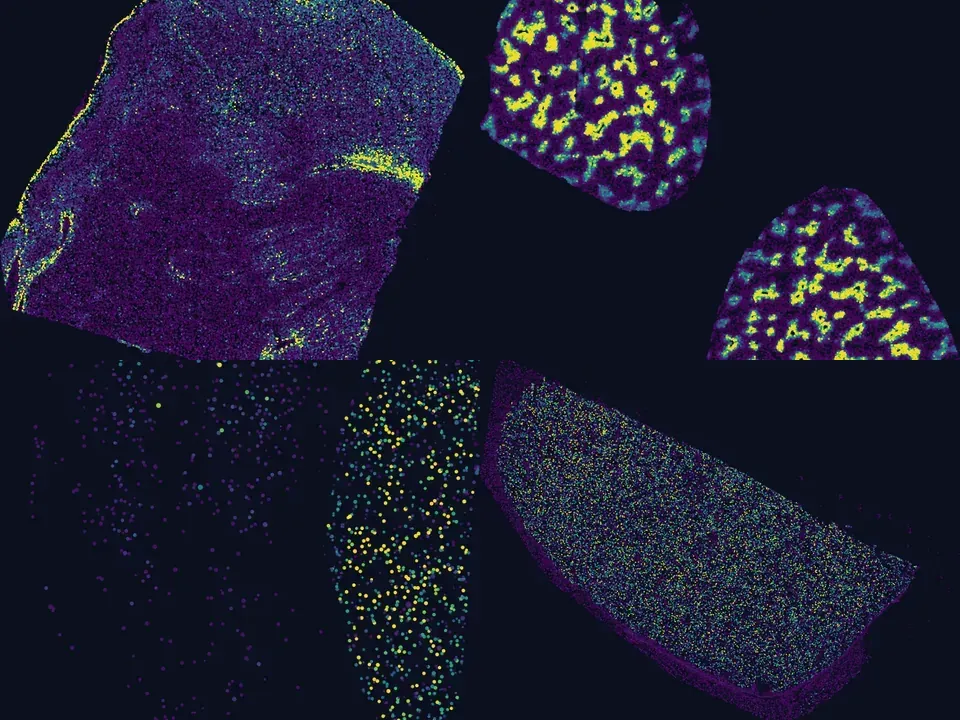
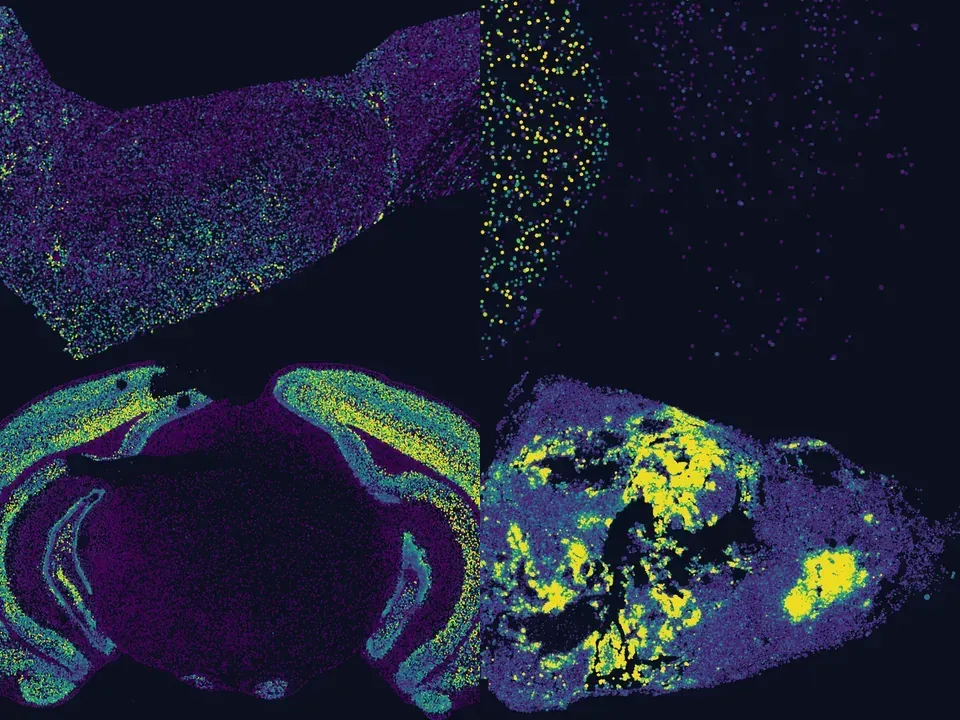
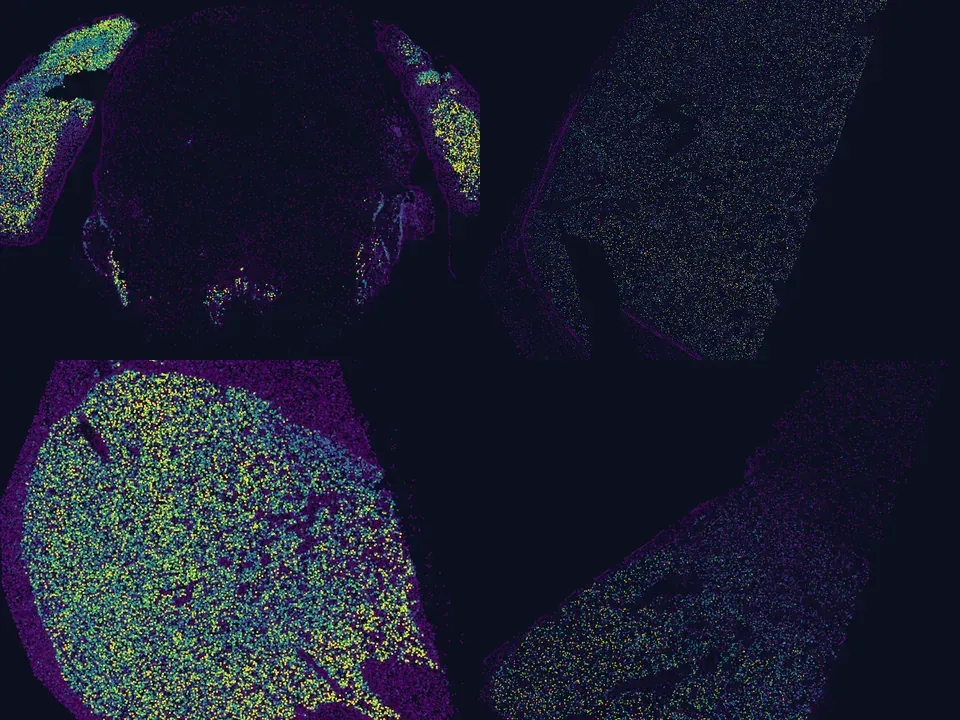
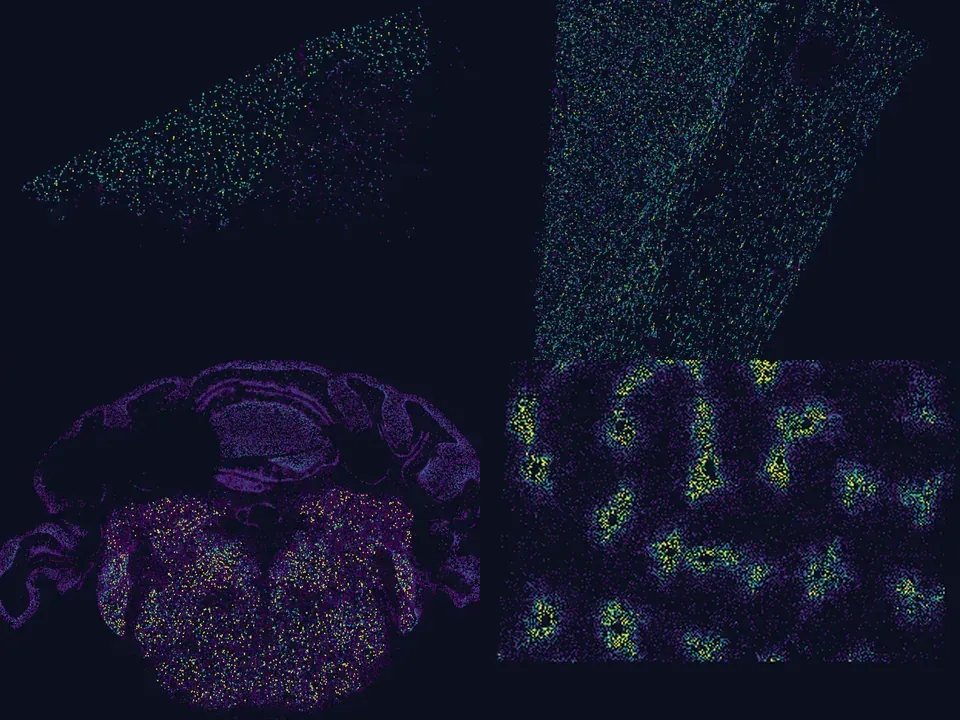
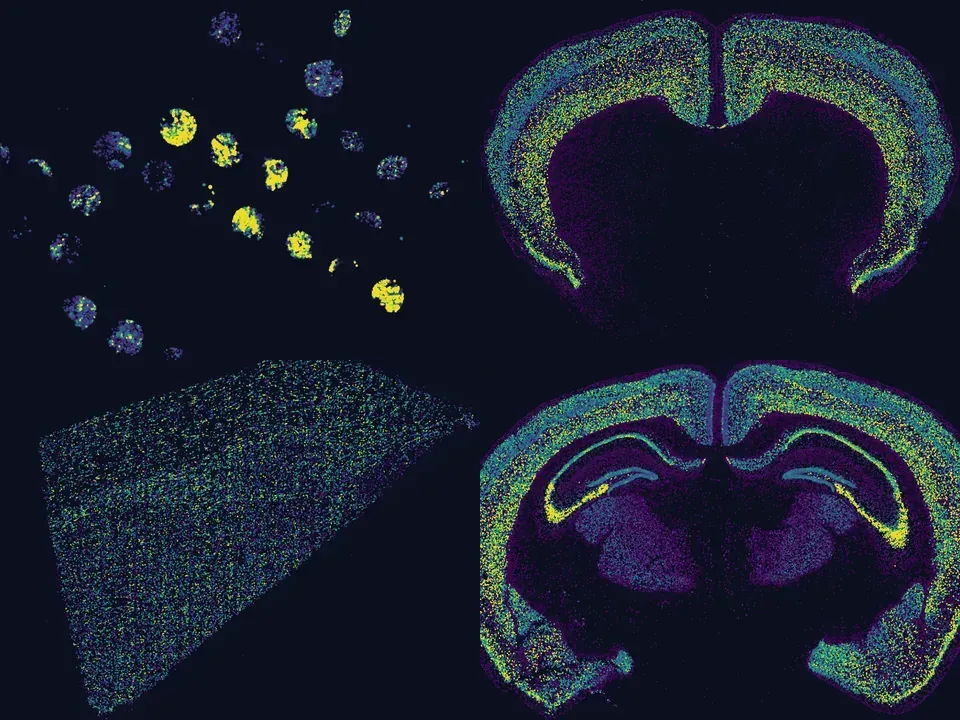
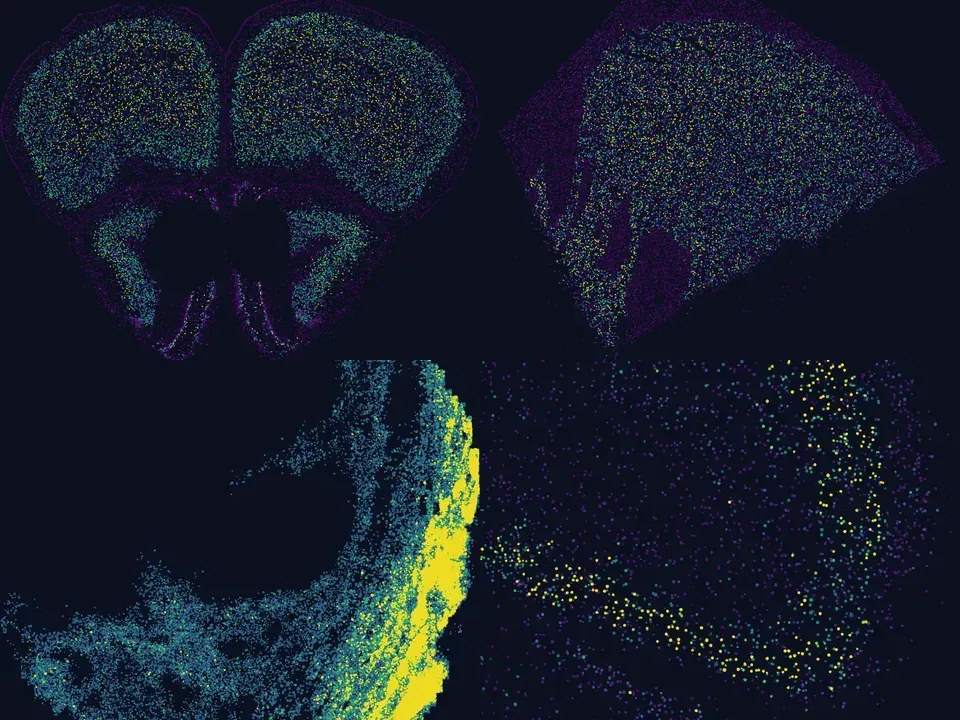
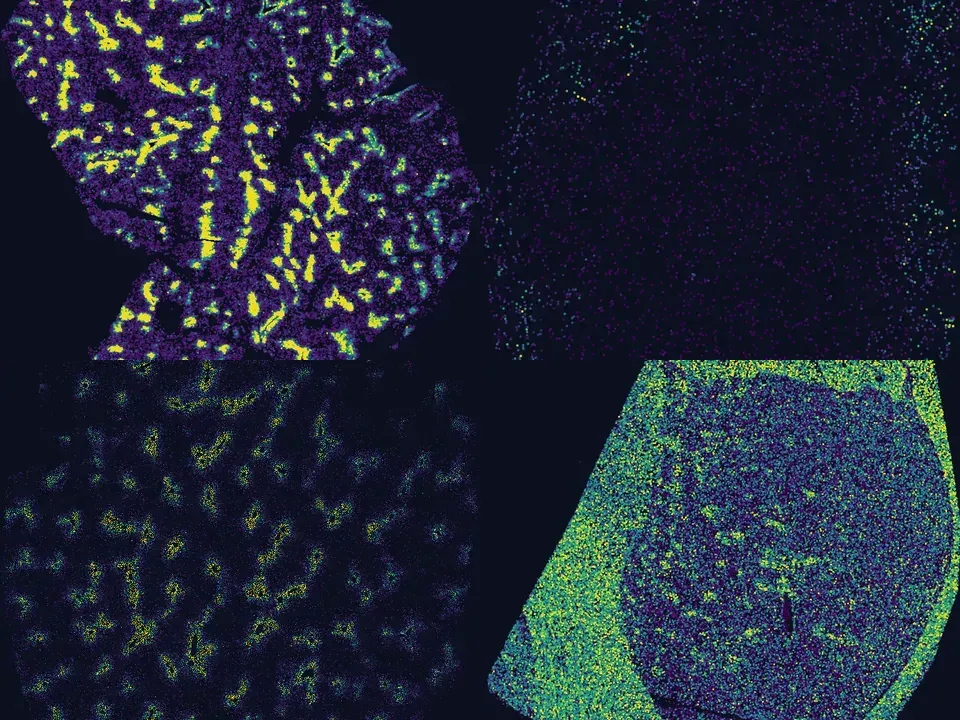
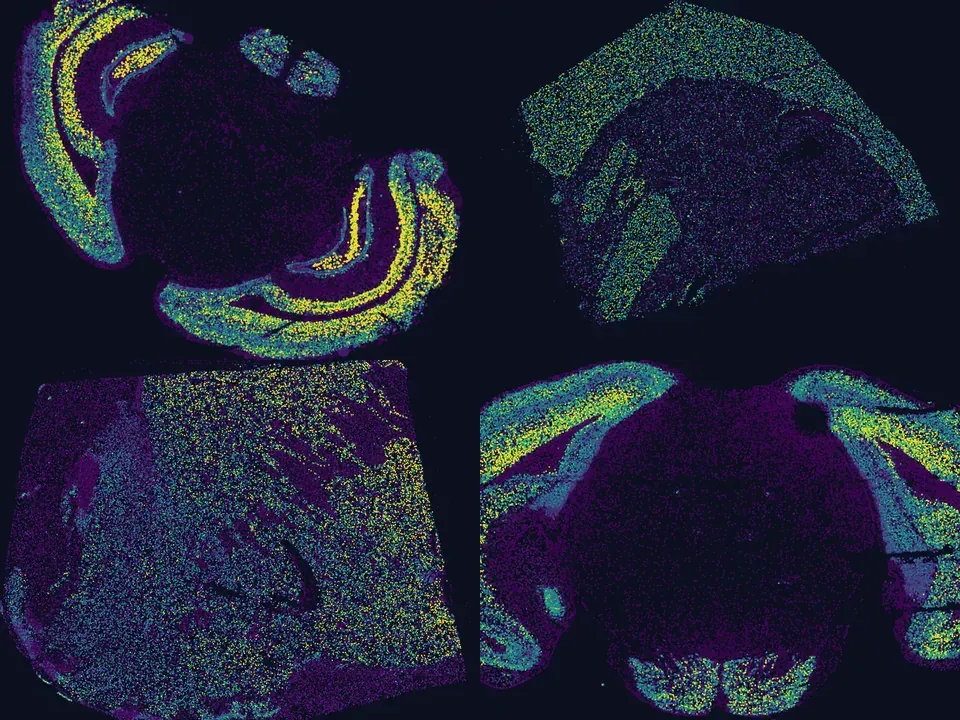
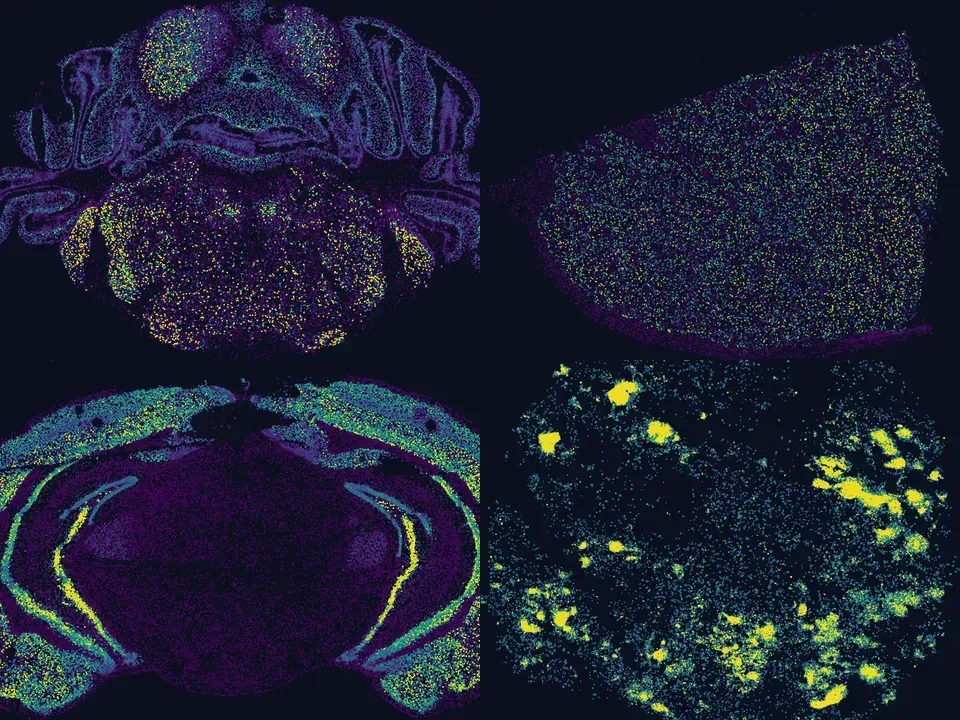
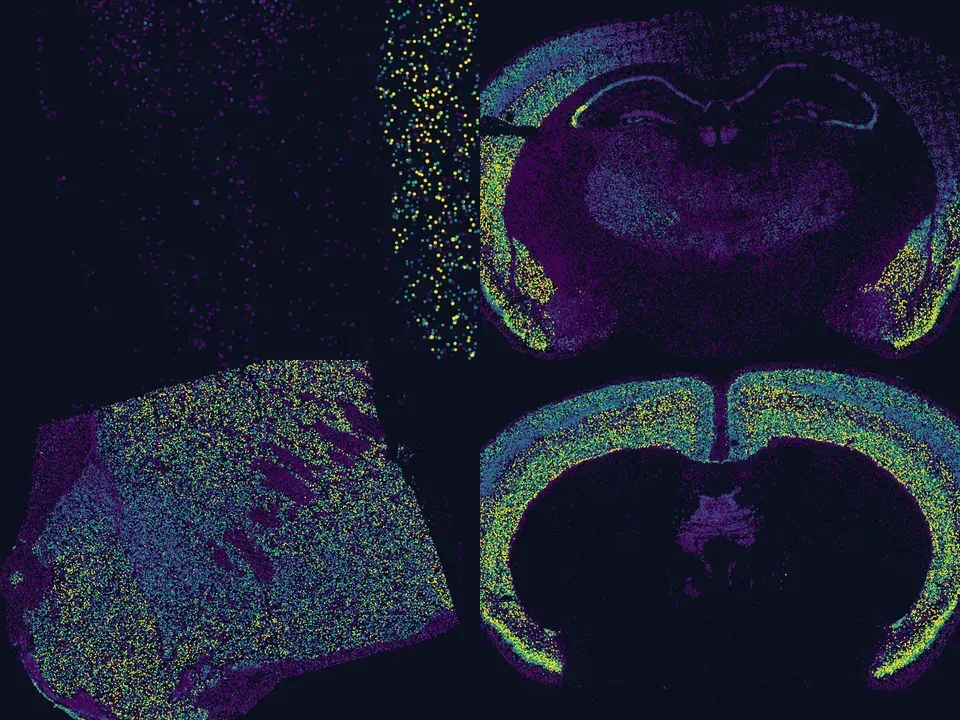
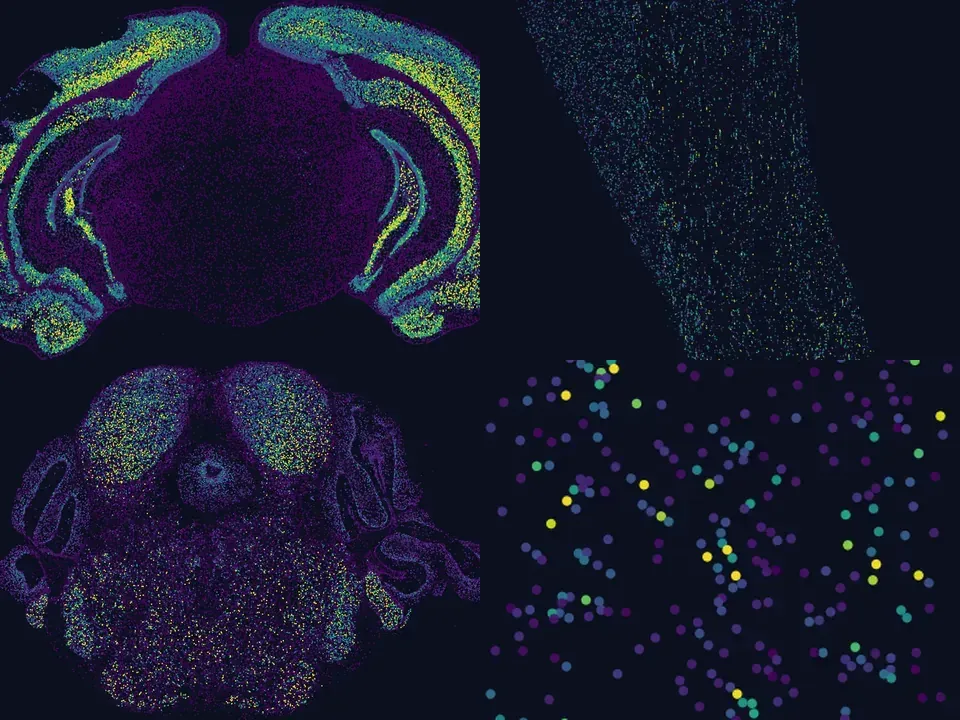
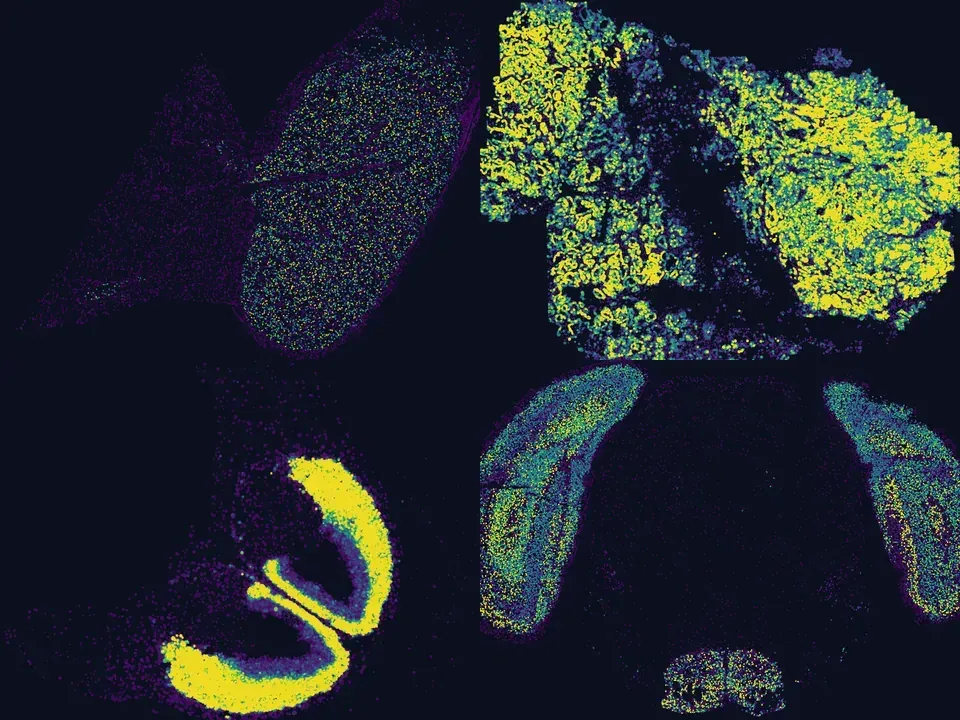
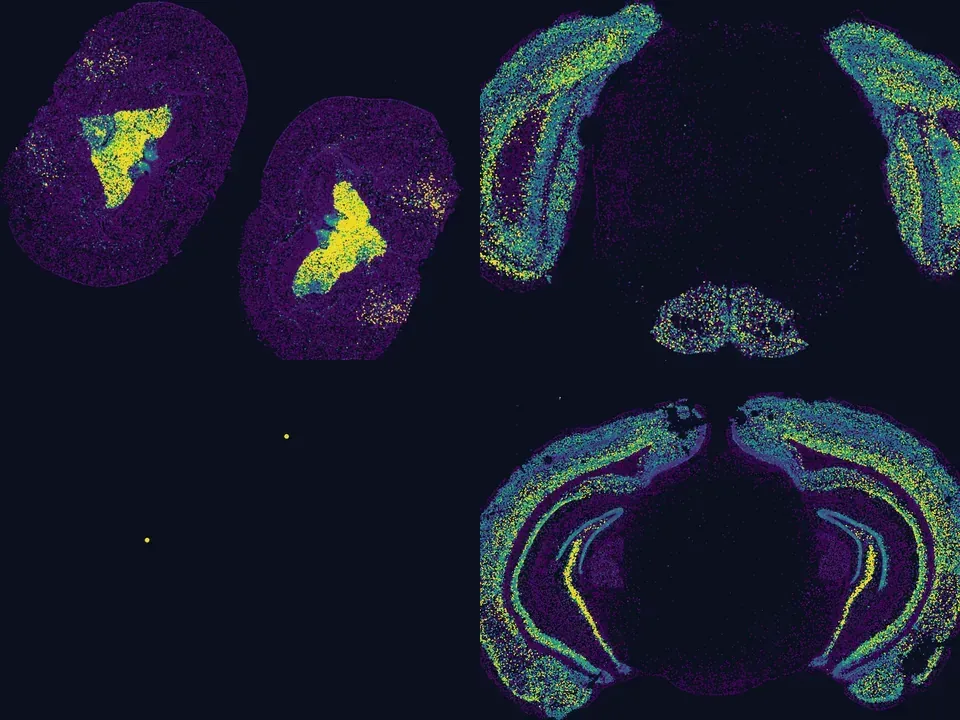
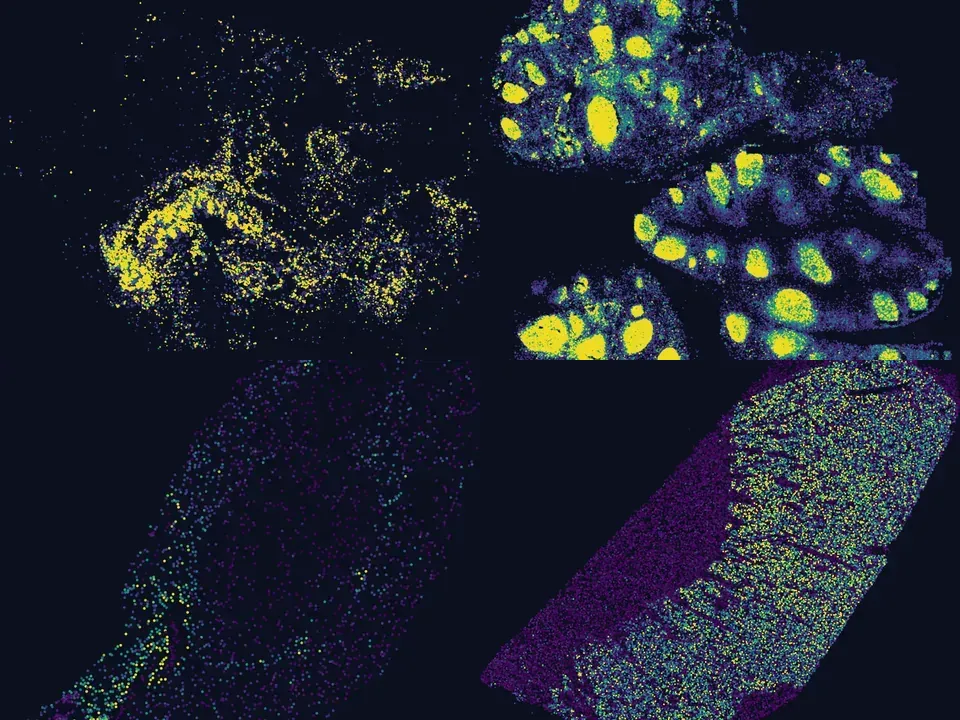
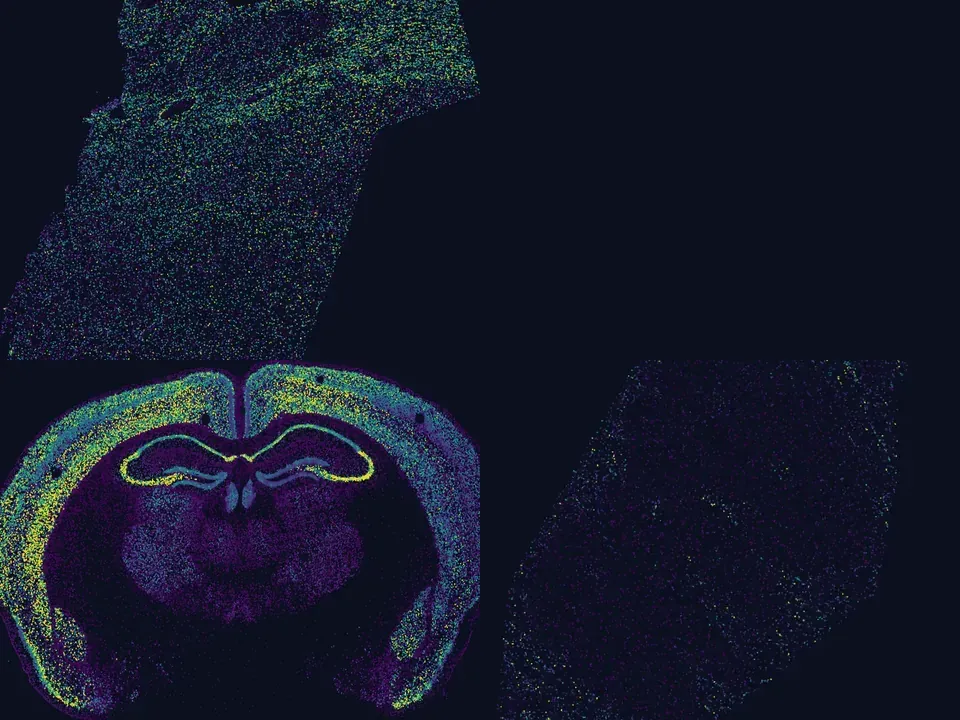
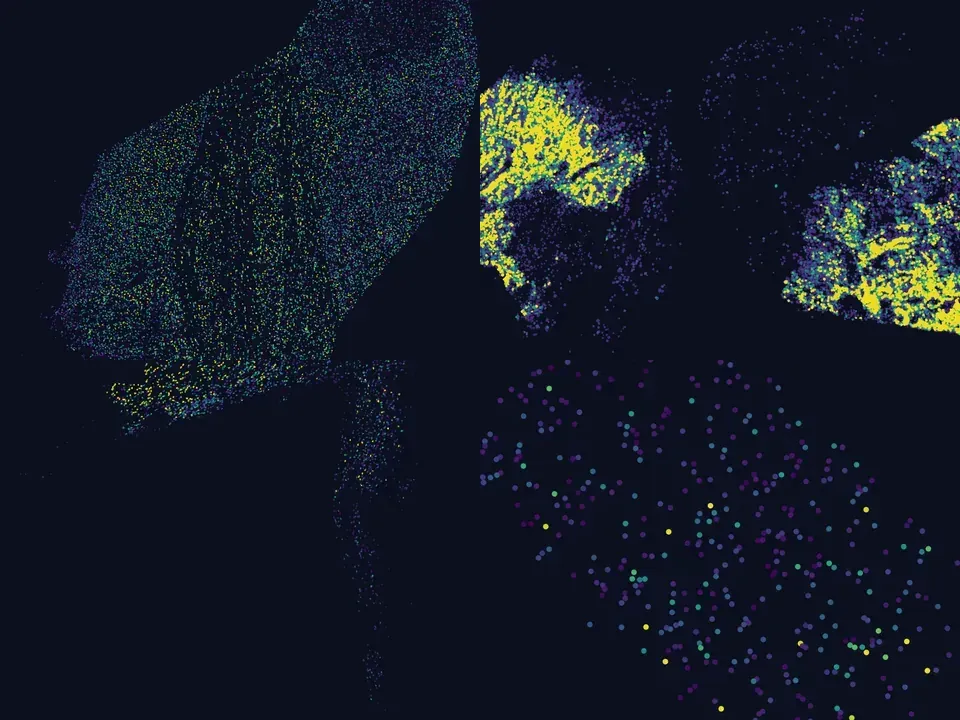
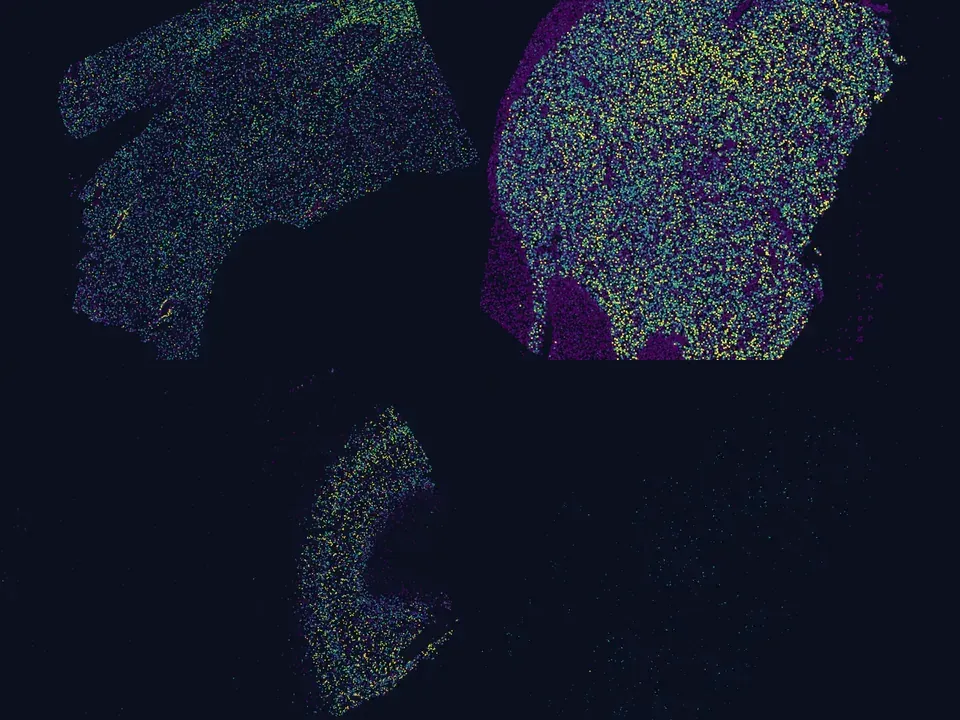
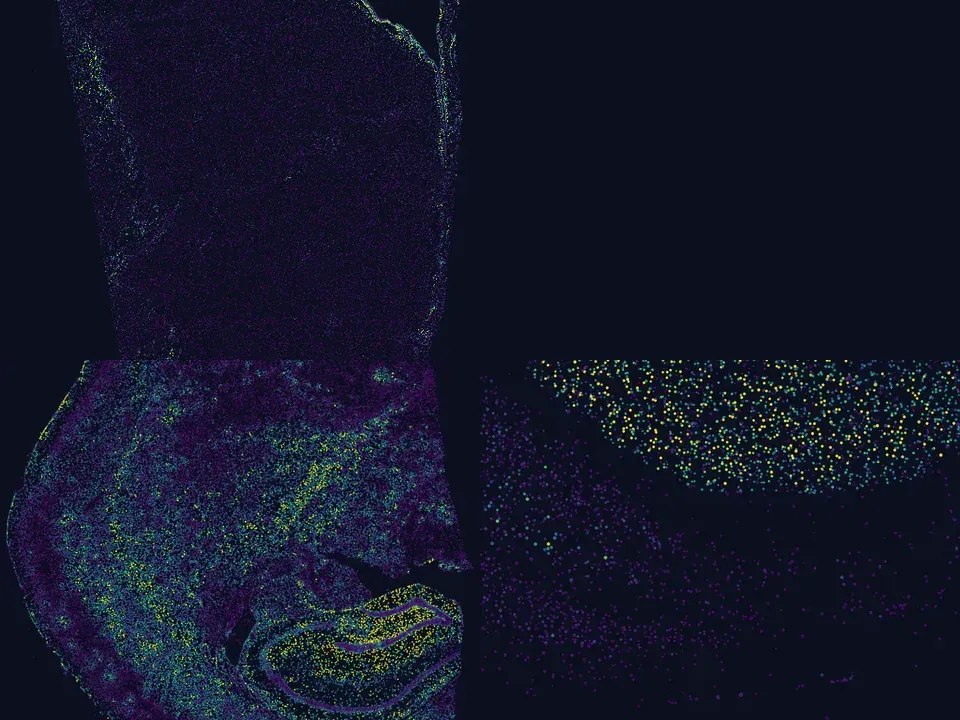
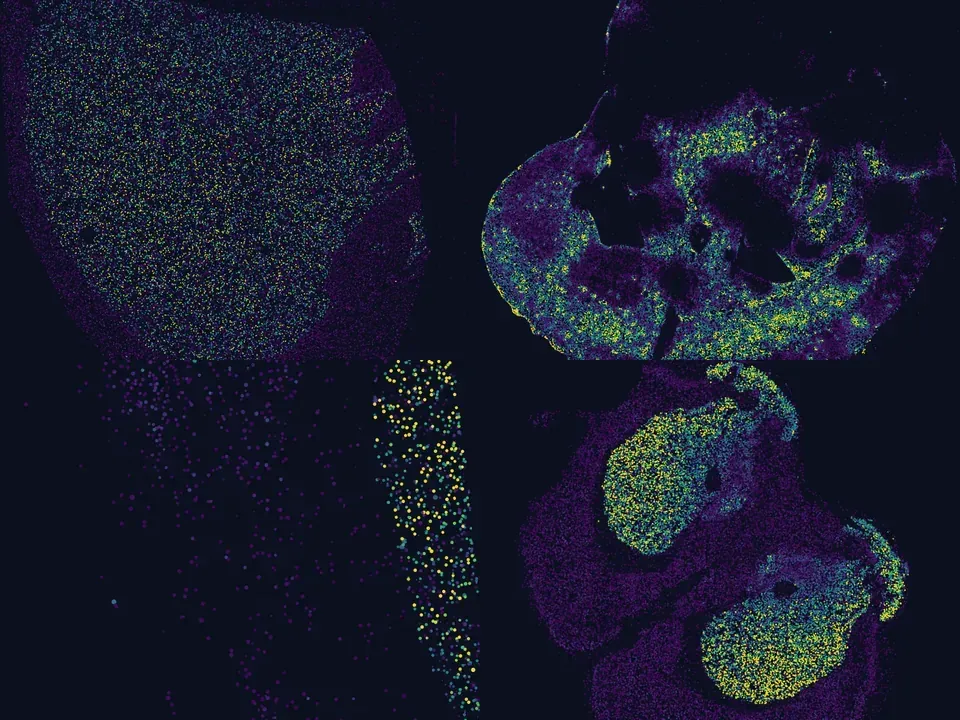
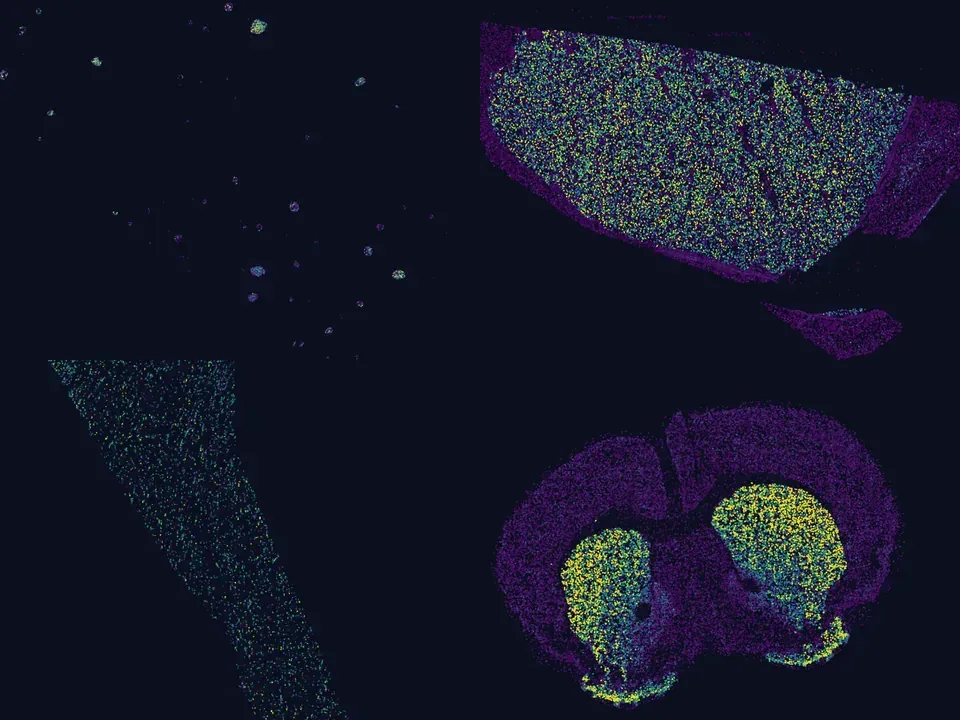
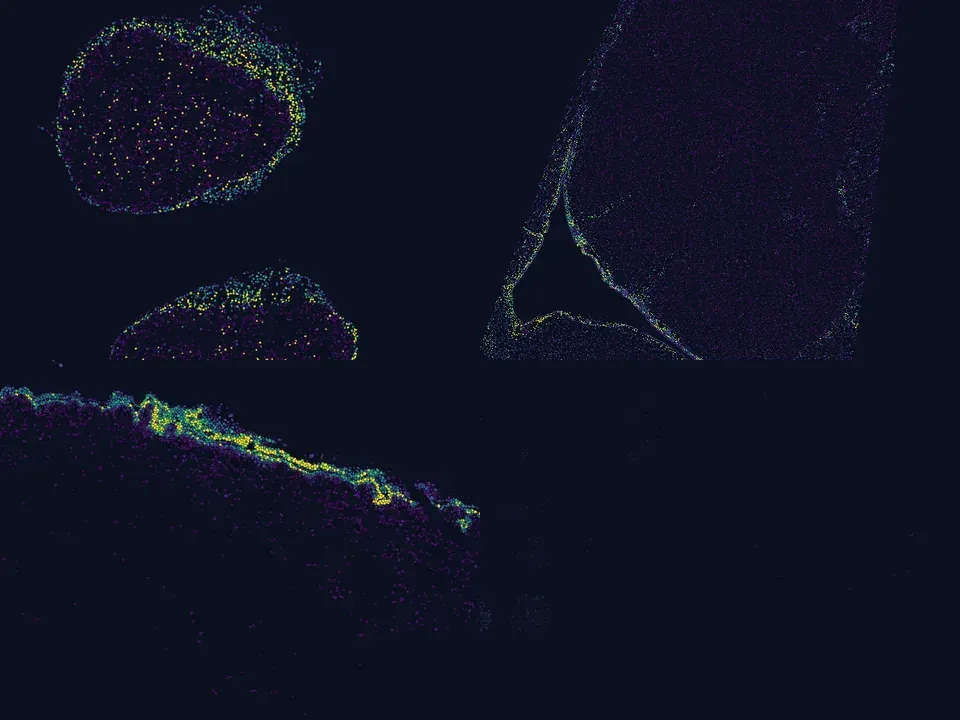
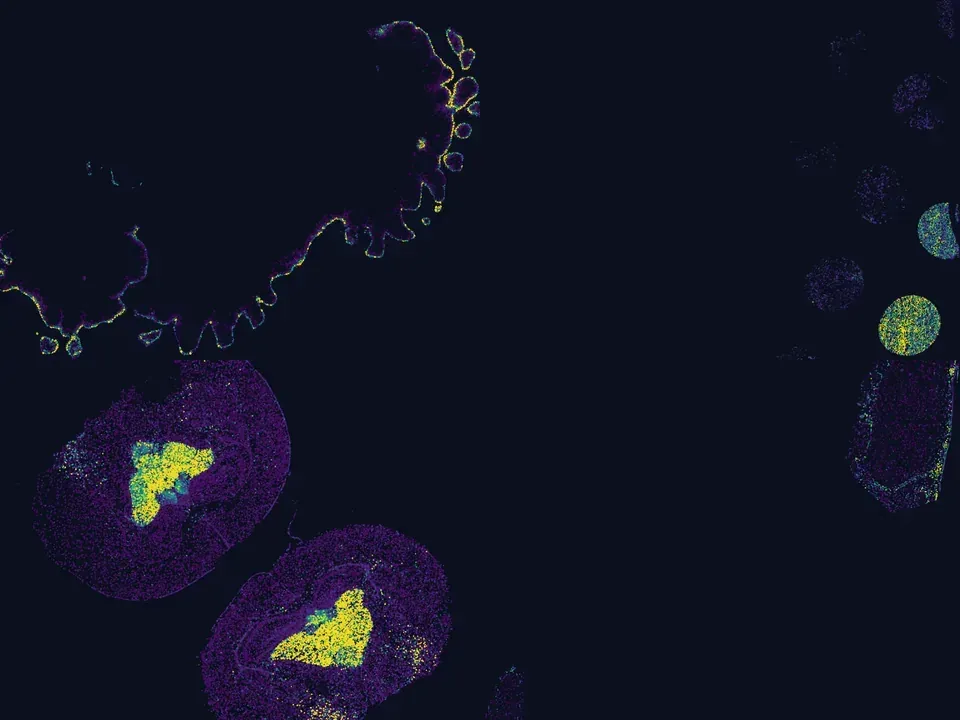
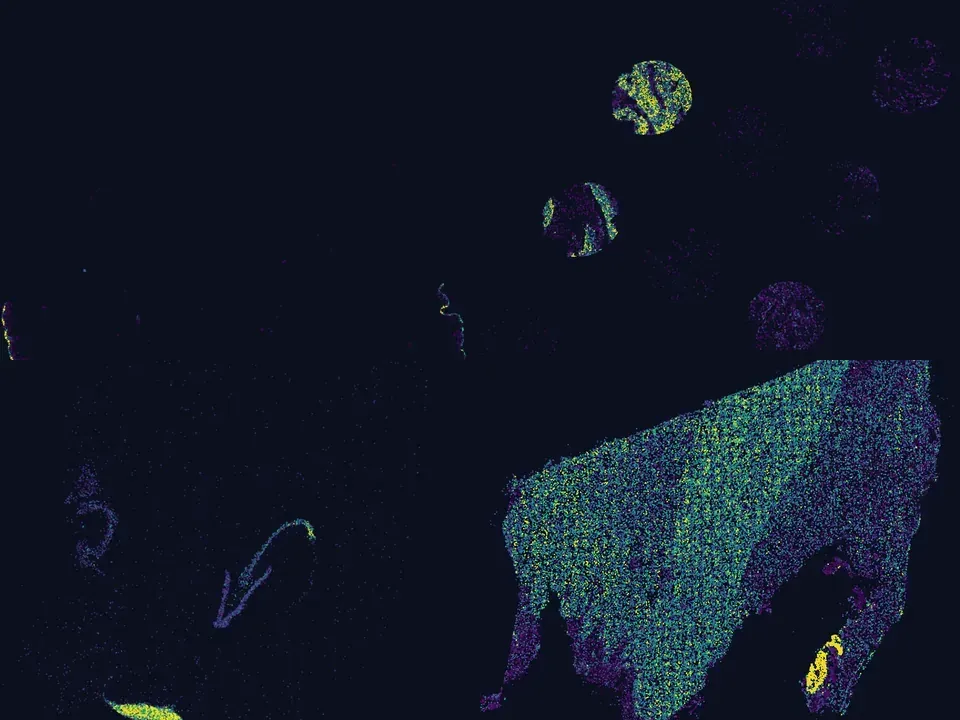
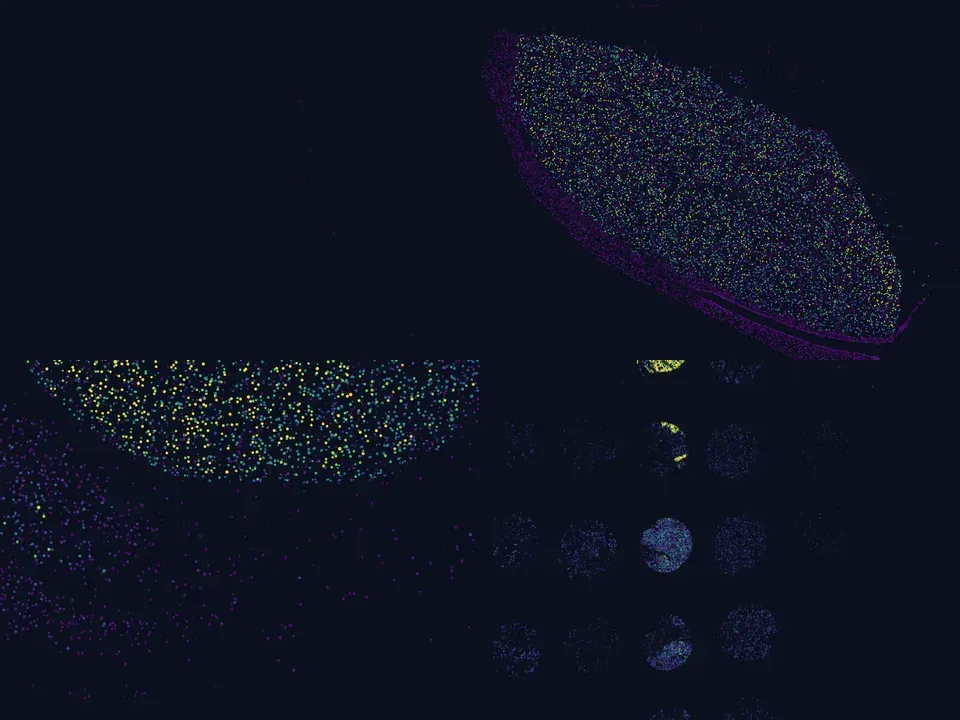
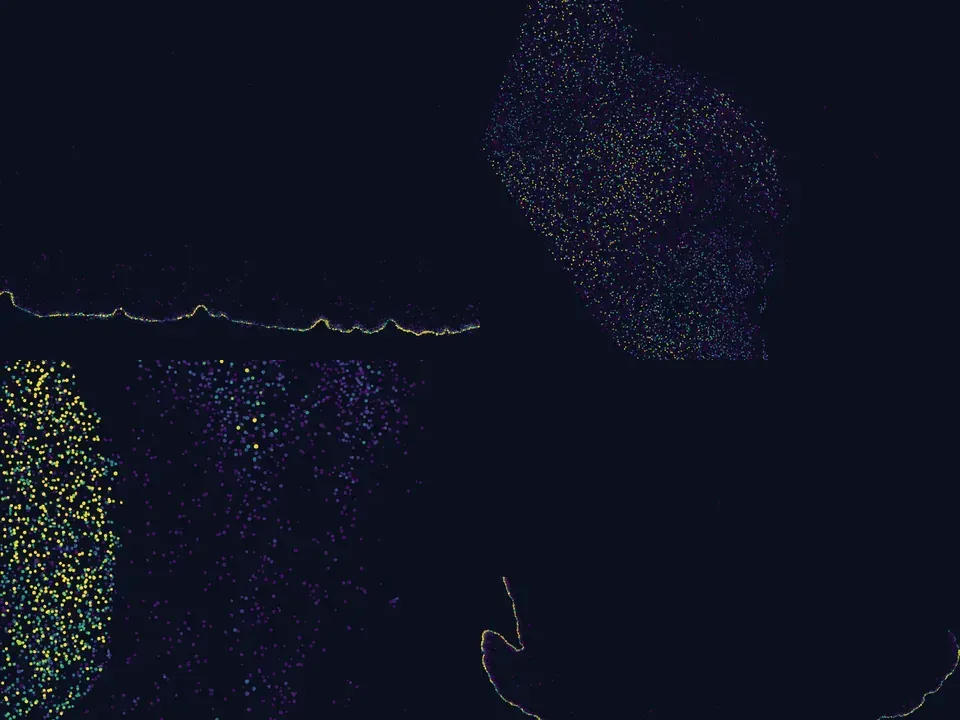
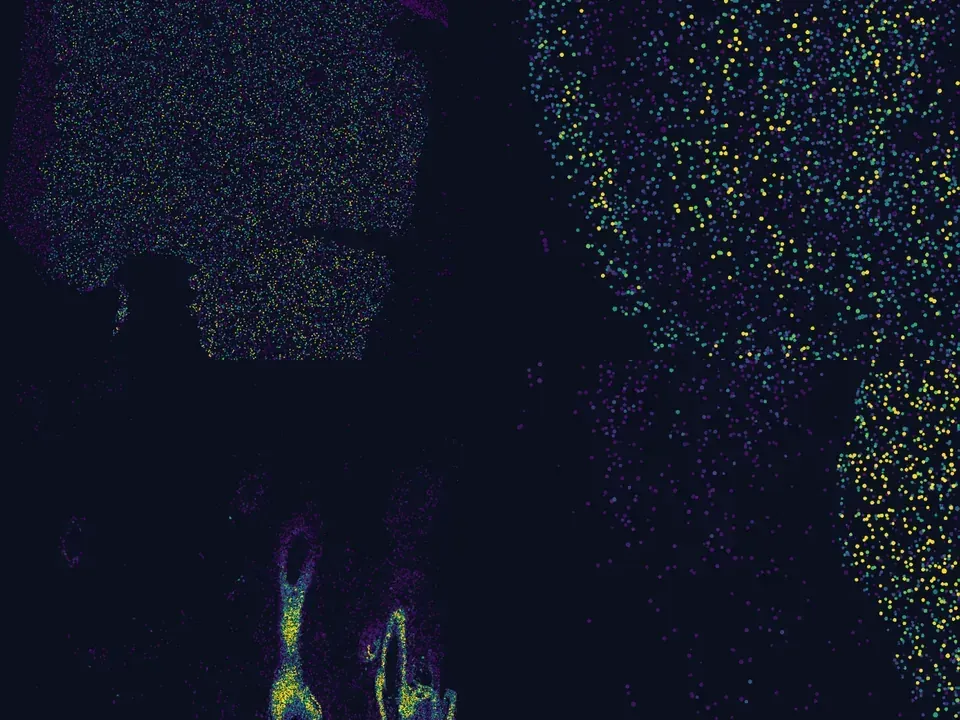
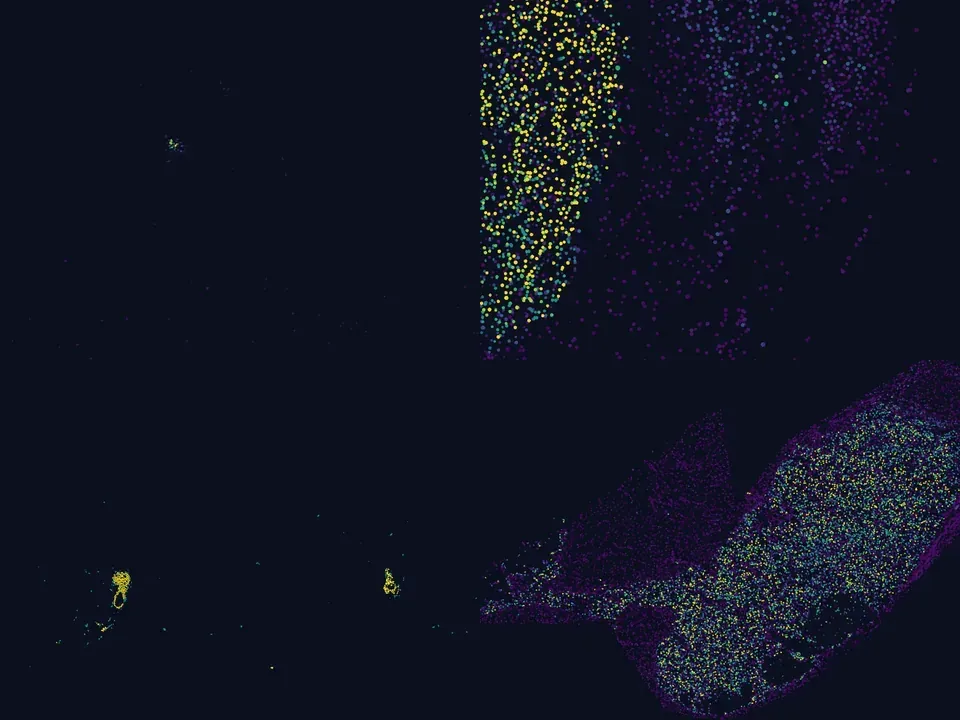
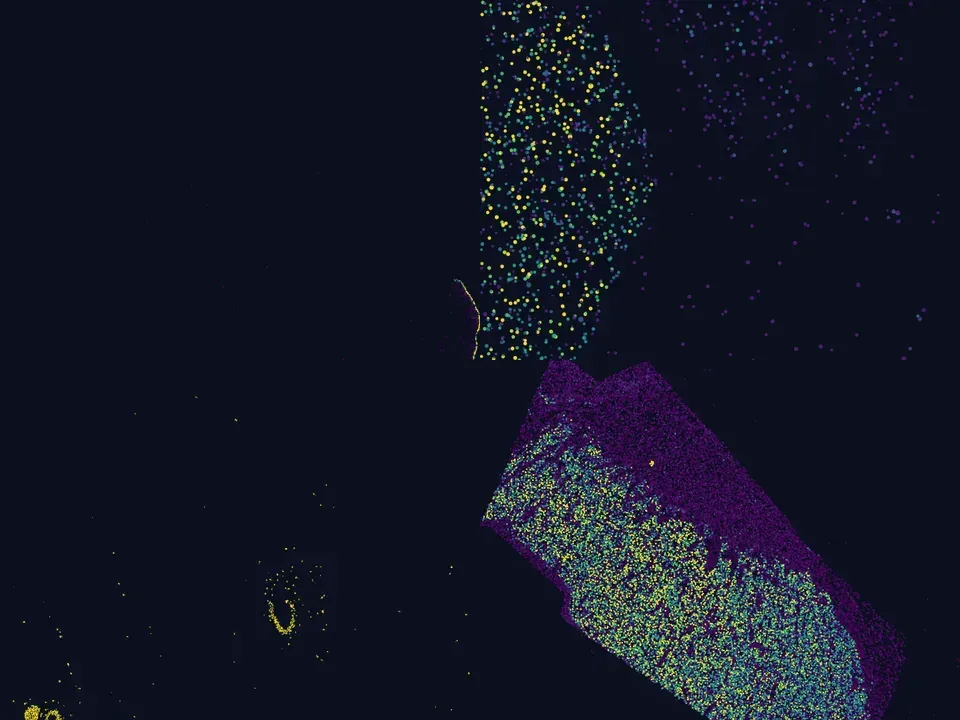
The basal ganglia are interconnected subcortical nuclei with complex topographical organization that orchestrate goal-directed behaviors and are implicated in neurodegenerative movement disorders. We generated a cellular-resolution, spatial transcriptomic atlas of the basal ganglia in human, rhesus macaque, and common marmoset, sampling over one million cells in each species. By integrating spatial data with a cross-species, consensus snRNA-seq cell type taxonomy, this atlas reveals conserved principles of molecular organization within and across structures. The cellular architecture is complex but highly stereotyped, with gene expression gradients superimposed onto discrete compartments. Extensive spatial sampling illuminates 3D gradients of molecular organization in the striatum and reveals cell type-specific core and shell compartments in the primate internal globus pallidus, which is conserved with mouse. This unified, cross-species spatial transcriptomic atlas will be a foundational resource for characterizing the molecular and functional organization of the basal ganglia and their roles in health and disease.
Member datasets · 86
Vizgen MERSCOPE
Macaque basal ganglion
QM23.50.001.CX.43.03.03.02
macaquebasal ganglion32.6 MB67,628 cellssilverAllen Institute Terms of Use
TechnologyVizgen MERSCOPE
Organismmacaque
Tissuebasal ganglion
Size32.6 MB
Cells67,628
silverAllen Institute Terms of Use
Vizgen MERSCOPE
Macaque basal ganglion
QM23.50.001.CX.42.02.05.03
macaquebasal ganglion8.6 MB19,434 cellssilverAllen Institute Terms of Use
TechnologyVizgen MERSCOPE
Organismmacaque
Tissuebasal ganglion
Size8.6 MB
Cells19,434
silverAllen Institute Terms of Use
Vizgen MERSCOPE
Macaque basal ganglion
QM23.50.001.CX.43.02.11.02
macaquebasal ganglion24.3 MB53,337 cellssilverAllen Institute Terms of Use
TechnologyVizgen MERSCOPE
Organismmacaque
Tissuebasal ganglion
Size24.3 MB
Cells53,337
silverAllen Institute Terms of Use
Vizgen MERSCOPE
Macaque basal ganglion
QM23.50.001.CX.46.04.05.03
macaquebasal ganglion631 KB1,271 cellssilverAllen Institute Terms of Use
TechnologyVizgen MERSCOPE
Organismmacaque
Tissuebasal ganglion
Size631 KB
Cells1,271
silverAllen Institute Terms of Use
Vizgen MERSCOPE
Macaque basal ganglion
QM23.50.001.CX.44.04.05.03
macaquebasal ganglion34.7 MB81,724 cellssilverAllen Institute Terms of Use
TechnologyVizgen MERSCOPE
Organismmacaque
Tissuebasal ganglion
Size34.7 MB
Cells81,724
silverAllen Institute Terms of Use
Vizgen MERSCOPE
Macaque basal ganglion
QM23.50.001.CX.45.01.01.02
macaquebasal ganglion11.4 MB27,140 cellssilverAllen Institute Terms of Use
TechnologyVizgen MERSCOPE
Organismmacaque
Tissuebasal ganglion
Size11.4 MB
Cells27,140
silverAllen Institute Terms of Use
Vizgen MERSCOPE
Macaque basal ganglion
QM23.50.001.CX.45.02.01.03
macaquebasal ganglion11.9 MB34,950 cellssilverAllen Institute Terms of Use
TechnologyVizgen MERSCOPE
Organismmacaque
Tissuebasal ganglion
Size11.9 MB
Cells34,950
silverAllen Institute Terms of Use
Vizgen MERSCOPE
Macaque basal ganglion
QM23.50.001.CX.43.01.13.03
macaquebasal ganglion29.8 MB62,660 cellssilverAllen Institute Terms of Use
TechnologyVizgen MERSCOPE
Organismmacaque
Tissuebasal ganglion
Size29.8 MB
Cells62,660
silverAllen Institute Terms of Use
Vizgen MERSCOPE
Macaque basal ganglion
QM23.50.001.CX.44.04.07.02
macaquebasal ganglion22.7 MB66,747 cellssilverAllen Institute Terms of Use
TechnologyVizgen MERSCOPE
Organismmacaque
Tissuebasal ganglion
Size22.7 MB
Cells66,747
silverAllen Institute Terms of Use
Vizgen MERSCOPE
Macaque basal ganglion
QM23.50.001.CX.43.03.11.02
macaquebasal ganglion49.6 MB90,527 cellssilverAllen Institute Terms of Use
TechnologyVizgen MERSCOPE
Organismmacaque
Tissuebasal ganglion
Size49.6 MB
Cells90,527
silverAllen Institute Terms of Use
Vizgen MERSCOPE
Macaque basal ganglion
QM23.50.001.CX.46.02.01.03
macaquebasal ganglion2.6 MB5,492 cellssilverAllen Institute Terms of Use
TechnologyVizgen MERSCOPE
Organismmacaque
Tissuebasal ganglion
Size2.6 MB
Cells5,492
silverAllen Institute Terms of Use
Vizgen MERSCOPE
Macaque basal ganglion
QM23.50.001.CX.45.03.09.03
macaquebasal ganglion6.4 MB16,001 cellssilverAllen Institute Terms of Use
TechnologyVizgen MERSCOPE
Organismmacaque
Tissuebasal ganglion
Size6.4 MB
Cells16,001
silverAllen Institute Terms of Use
Vizgen MERSCOPE
Macaque basal ganglion
QM23.50.001.CX.44.04.01.03
macaquebasal ganglion18.9 MB43,510 cellssilverAllen Institute Terms of Use
TechnologyVizgen MERSCOPE
Organismmacaque
Tissuebasal ganglion
Size18.9 MB
Cells43,510
silverAllen Institute Terms of Use
Vizgen MERSCOPE
Macaque basal ganglion
QM23.50.001.CX.44.01.05.01
macaquebasal ganglion25.2 MB64,561 cellssilverAllen Institute Terms of Use
TechnologyVizgen MERSCOPE
Organismmacaque
Tissuebasal ganglion
Size25.2 MB
Cells64,561
silverAllen Institute Terms of Use
Vizgen MERSCOPE
Macaque basal ganglion
QM23.50.001.CX.44.04.09.02
macaquebasal ganglion21.4 MB48,411 cellssilverAllen Institute Terms of Use
TechnologyVizgen MERSCOPE
Organismmacaque
Tissuebasal ganglion
Size21.4 MB
Cells48,411
silverAllen Institute Terms of Use
Vizgen MERSCOPE
Macaque basal ganglion
QM23.50.001.CX.43.01.01.02
macaquebasal ganglion5.9 MB12,815 cellssilverAllen Institute Terms of Use
TechnologyVizgen MERSCOPE
Organismmacaque
Tissuebasal ganglion
Size5.9 MB
Cells12,815
silverAllen Institute Terms of Use
Vizgen MERSCOPE
Macaque basal ganglion
QM23.50.001.CX.43.03.13.03
macaquebasal ganglion40.0 MB86,846 cellssilverAllen Institute Terms of Use
TechnologyVizgen MERSCOPE
Organismmacaque
Tissuebasal ganglion
Size40.0 MB
Cells86,846
silverAllen Institute Terms of Use
Vizgen MERSCOPE
Macaque basal ganglion
QM23.50.001.CX.45.04.11.02
macaquebasal ganglion16.8 MB37,540 cellssilverAllen Institute Terms of Use
TechnologyVizgen MERSCOPE
Organismmacaque
Tissuebasal ganglion
Size16.8 MB
Cells37,540
silverAllen Institute Terms of Use
Vizgen MERSCOPE
Macaque basal ganglion
QM23.50.001.CX.43.01.07.02
macaquebasal ganglion22.8 MB46,433 cellssilverAllen Institute Terms of Use
TechnologyVizgen MERSCOPE
Organismmacaque
Tissuebasal ganglion
Size22.8 MB
Cells46,433
silverAllen Institute Terms of Use
Vizgen MERSCOPE
Macaque basal ganglion
QM23.50.001.CX.44.03.03.02
macaquebasal ganglion40.3 MB97,992 cellssilverAllen Institute Terms of Use
TechnologyVizgen MERSCOPE
Organismmacaque
Tissuebasal ganglion
Size40.3 MB
Cells97,992
silverAllen Institute Terms of Use
Vizgen MERSCOPE
Macaque basal ganglion
QM23.50.001.CX.43.01.11.03
macaquebasal ganglion31.4 MB61,805 cellssilverAllen Institute Terms of Use
TechnologyVizgen MERSCOPE
Organismmacaque
Tissuebasal ganglion
Size31.4 MB
Cells61,805
silverAllen Institute Terms of Use
Vizgen MERSCOPE
Macaque basal ganglion
QM23.50.001.CX.44.02.10.01
macaquebasal ganglion16.4 MB36,305 cellssilverAllen Institute Terms of Use
TechnologyVizgen MERSCOPE
Organismmacaque
Tissuebasal ganglion
Size16.4 MB
Cells36,305
silverAllen Institute Terms of Use
Vizgen MERSCOPE
Macaque basal ganglion
QM23.50.001.CX.43.02.01.02
macaquebasal ganglion968 KB2,319 cellssilverAllen Institute Terms of Use
TechnologyVizgen MERSCOPE
Organismmacaque
Tissuebasal ganglion
Size968 KB
Cells2,319
silverAllen Institute Terms of Use
Vizgen MERSCOPE
Macaque basal ganglion
QM23.50.001.CX.45.03.05.02
macaquebasal ganglion10.2 MB27,207 cellssilverAllen Institute Terms of Use
TechnologyVizgen MERSCOPE
Organismmacaque
Tissuebasal ganglion
Size10.2 MB
Cells27,207
silverAllen Institute Terms of Use
Vizgen MERSCOPE
Macaque basal ganglion
QM23.50.001.CX.45.03.03.02
macaquebasal ganglion10.8 MB29,898 cellssilverAllen Institute Terms of Use
TechnologyVizgen MERSCOPE
Organismmacaque
Tissuebasal ganglion
Size10.8 MB
Cells29,898
silverAllen Institute Terms of Use
Vizgen MERSCOPE
Macaque basal ganglion
QM23.50.001.CX.43.02.07.03
macaquebasal ganglion17.2 MB38,556 cellssilverAllen Institute Terms of Use
TechnologyVizgen MERSCOPE
Organismmacaque
Tissuebasal ganglion
Size17.2 MB
Cells38,556
silverAllen Institute Terms of Use
Vizgen MERSCOPE
Macaque basal ganglion
QM23.50.001.CX.46.02.05.02
macaquebasal ganglion2.8 MB5,918 cellssilverAllen Institute Terms of Use
TechnologyVizgen MERSCOPE
Organismmacaque
Tissuebasal ganglion
Size2.8 MB
Cells5,918
silverAllen Institute Terms of Use
Vizgen MERSCOPE
Macaque basal ganglion
QM23.50.001.CX.43.02.05.02
macaquebasal ganglion12.3 MB30,640 cellssilverAllen Institute Terms of Use
TechnologyVizgen MERSCOPE
Organismmacaque
Tissuebasal ganglion
Size12.3 MB
Cells30,640
silverAllen Institute Terms of Use
Vizgen MERSCOPE
Macaque basal ganglion
QM23.50.001.CX.43.03.09.03
macaquebasal ganglion47.6 MB94,803 cellssilverAllen Institute Terms of Use
TechnologyVizgen MERSCOPE
Organismmacaque
Tissuebasal ganglion
Size47.6 MB
Cells94,803
silverAllen Institute Terms of Use
Vizgen MERSCOPE
Macaque basal ganglion
QM23.50.001.CX.44.01.01.02
macaquebasal ganglion16.8 MB34,813 cellssilverAllen Institute Terms of Use
TechnologyVizgen MERSCOPE
Organismmacaque
Tissuebasal ganglion
Size16.8 MB
Cells34,813
silverAllen Institute Terms of Use
Vizgen MERSCOPE
Macaque basal ganglion
QM23.50.001.CX.44.03.05.02
macaquebasal ganglion48.9 MB109,664 cellssilverAllen Institute Terms of Use
TechnologyVizgen MERSCOPE
Organismmacaque
Tissuebasal ganglion
Size48.9 MB
Cells109,664
silverAllen Institute Terms of Use
Vizgen MERSCOPE
Macaque basal ganglion
QM23.50.001.CX.43.03.07.02
macaquebasal ganglion47.0 MB87,840 cellssilverAllen Institute Terms of Use
TechnologyVizgen MERSCOPE
Organismmacaque
Tissuebasal ganglion
Size47.0 MB
Cells87,840
silverAllen Institute Terms of Use
Vizgen MERSCOPE
Macaque basal ganglion
QM23.50.001.CX.45.03.07.02
macaquebasal ganglion5.9 MB15,989 cellssilverAllen Institute Terms of Use
TechnologyVizgen MERSCOPE
Organismmacaque
Tissuebasal ganglion
Size5.9 MB
Cells15,989
silverAllen Institute Terms of Use
Vizgen MERSCOPE
Macaque basal ganglion
QM23.50.001.CX.46.01.07.02
macaquebasal ganglion408 KB772 cellssilverAllen Institute Terms of Use
TechnologyVizgen MERSCOPE
Organismmacaque
Tissuebasal ganglion
Size408 KB
Cells772
silverAllen Institute Terms of Use
Vizgen MERSCOPE
Macaque basal ganglion
QM23.50.001.CX.45.01.05.02
macaquebasal ganglion11.4 MB28,056 cellssilverAllen Institute Terms of Use
TechnologyVizgen MERSCOPE
Organismmacaque
Tissuebasal ganglion
Size11.4 MB
Cells28,056
silverAllen Institute Terms of Use
Vizgen MERSCOPE
Macaque basal ganglion
QM23.50.001.CX.46.04.09.02
macaquebasal ganglion142 KB9 cellssilverAllen Institute Terms of Use
TechnologyVizgen MERSCOPE
Organismmacaque
Tissuebasal ganglion
Size142 KB
Cells9
silverAllen Institute Terms of Use
Vizgen MERSCOPE
Macaque basal ganglion
QM23.50.001.CX.45.02.03.02
macaquebasal ganglion30.7 MB72,666 cellssilverAllen Institute Terms of Use
TechnologyVizgen MERSCOPE
Organismmacaque
Tissuebasal ganglion
Size30.7 MB
Cells72,666
silverAllen Institute Terms of Use
Vizgen MERSCOPE
Macaque basal ganglion
QM23.50.001.CX.44.02.03.02
macaquebasal ganglion16.9 MB39,108 cellssilverAllen Institute Terms of Use
TechnologyVizgen MERSCOPE
Organismmacaque
Tissuebasal ganglion
Size16.9 MB
Cells39,108
silverAllen Institute Terms of Use
Vizgen MERSCOPE
Macaque basal ganglion
QM23.50.001.CX.46.04.11.03
macaquebasal ganglion305 KB486 cellssilverAllen Institute Terms of Use
TechnologyVizgen MERSCOPE
Organismmacaque
Tissuebasal ganglion
Size305 KB
Cells486
silverAllen Institute Terms of Use
Vizgen MERSCOPE
Macaque basal ganglion
QM23.50.001.CX.46.01.03.02
macaquebasal ganglion4.6 MB10,320 cellssilverAllen Institute Terms of Use
TechnologyVizgen MERSCOPE
Organismmacaque
Tissuebasal ganglion
Size4.6 MB
Cells10,320
silverAllen Institute Terms of Use
Vizgen MERSCOPE
Macaque basal ganglion
QM23.50.001.CX.45.04.05.01
macaquebasal ganglion10.8 MB30,531 cellssilverAllen Institute Terms of Use
TechnologyVizgen MERSCOPE
Organismmacaque
Tissuebasal ganglion
Size10.8 MB
Cells30,531
silverAllen Institute Terms of Use
Vizgen MERSCOPE
Macaque basal ganglion
QM23.50.001.CX.46.04.07.02
macaquebasal ganglion323 KB466 cellssilverAllen Institute Terms of Use
TechnologyVizgen MERSCOPE
Organismmacaque
Tissuebasal ganglion
Size323 KB
Cells466
silverAllen Institute Terms of Use
Vizgen MERSCOPE
Macaque basal ganglion
QM23.50.001.CX.45.02.09.03
macaquebasal ganglion27.7 MB62,063 cellssilverAllen Institute Terms of Use
TechnologyVizgen MERSCOPE
Organismmacaque
Tissuebasal ganglion
Size27.7 MB
Cells62,063
silverAllen Institute Terms of Use
Vizgen MERSCOPE
Macaque basal ganglion
QM23.50.001.CX.43.02.03.03
macaquebasal ganglion5.6 MB15,921 cellssilverAllen Institute Terms of Use
TechnologyVizgen MERSCOPE
Organismmacaque
Tissuebasal ganglion
Size5.6 MB
Cells15,921
silverAllen Institute Terms of Use
Vizgen MERSCOPE
Macaque basal ganglion
QM23.50.001.CX.44.02.09.02
macaquebasal ganglion17.1 MB34,369 cellssilverAllen Institute Terms of Use
TechnologyVizgen MERSCOPE
Organismmacaque
Tissuebasal ganglion
Size17.1 MB
Cells34,369
silverAllen Institute Terms of Use
Vizgen MERSCOPE
Macaque basal ganglion
QM23.50.001.CX.45.02.11.02
macaquebasal ganglion23.4 MB52,125 cellssilverAllen Institute Terms of Use
TechnologyVizgen MERSCOPE
Organismmacaque
Tissuebasal ganglion
Size23.4 MB
Cells52,125
silverAllen Institute Terms of Use
Vizgen MERSCOPE
Macaque basal ganglion
QM23.50.001.CX.43.01.05.02
macaquebasal ganglion18.4 MB39,292 cellssilverAllen Institute Terms of Use
TechnologyVizgen MERSCOPE
Organismmacaque
Tissuebasal ganglion
Size18.4 MB
Cells39,292
silverAllen Institute Terms of Use
Vizgen MERSCOPE
Macaque basal ganglion
QM23.50.001.CX.45.04.09.02
macaquebasal ganglion13.7 MB35,201 cellssilverAllen Institute Terms of Use
TechnologyVizgen MERSCOPE
Organismmacaque
Tissuebasal ganglion
Size13.7 MB
Cells35,201
silverAllen Institute Terms of Use
Vizgen MERSCOPE
Macaque basal ganglion
QM23.50.001.CX.42.01.05.03
macaquebasal ganglion2.4 MB5,542 cellssilverAllen Institute Terms of Use
TechnologyVizgen MERSCOPE
Organismmacaque
Tissuebasal ganglion
Size2.4 MB
Cells5,542
silverAllen Institute Terms of Use
Vizgen MERSCOPE
Macaque basal ganglion
QM23.50.001.CX.46.01.01.02
macaquebasal ganglion4.0 MB9,005 cellssilverAllen Institute Terms of Use
TechnologyVizgen MERSCOPE
Organismmacaque
Tissuebasal ganglion
Size4.0 MB
Cells9,005
silverAllen Institute Terms of Use
Vizgen MERSCOPE
Macaque basal ganglion
QM23.50.001.CX.45.03.01.02
macaquebasal ganglion7.9 MB21,474 cellssilverAllen Institute Terms of Use
TechnologyVizgen MERSCOPE
Organismmacaque
Tissuebasal ganglion
Size7.9 MB
Cells21,474
silverAllen Institute Terms of Use
Vizgen MERSCOPE
Macaque basal ganglion
QM23.50.001.CX.46.02.11.03
macaquebasal ganglion759 KB1,762 cellssilverAllen Institute Terms of Use
TechnologyVizgen MERSCOPE
Organismmacaque
Tissuebasal ganglion
Size759 KB
Cells1,762
silverAllen Institute Terms of Use
Vizgen MERSCOPE
Macaque basal ganglion
QM23.50.001.CX.45.04.07.01
macaquebasal ganglion18.8 MB42,835 cellssilverAllen Institute Terms of Use
TechnologyVizgen MERSCOPE
Organismmacaque
Tissuebasal ganglion
Size18.8 MB
Cells42,835
silverAllen Institute Terms of Use
Vizgen MERSCOPE
Macaque basal ganglion
QM23.50.001.CX.44.01.03.02
macaquebasal ganglion18.7 MB41,909 cellssilverAllen Institute Terms of Use
TechnologyVizgen MERSCOPE
Organismmacaque
Tissuebasal ganglion
Size18.7 MB
Cells41,909
silverAllen Institute Terms of Use
Vizgen MERSCOPE
Macaque basal ganglion
QM23.50.001.CX.46.02.09.02
macaquebasal ganglion1.3 MB3,054 cellssilverAllen Institute Terms of Use
TechnologyVizgen MERSCOPE
Organismmacaque
Tissuebasal ganglion
Size1.3 MB
Cells3,054
silverAllen Institute Terms of Use
Vizgen MERSCOPE
Macaque basal ganglion
QM23.50.001.CX.42.01.03.02
macaquebasal ganglion7.5 MB18,091 cellssilverAllen Institute Terms of Use
TechnologyVizgen MERSCOPE
Organismmacaque
Tissuebasal ganglion
Size7.5 MB
Cells18,091
silverAllen Institute Terms of Use
Vizgen MERSCOPE
Macaque basal ganglion
QM23.50.001.CX.45.01.07.02
macaquebasal ganglion10.6 MB27,055 cellssilverAllen Institute Terms of Use
TechnologyVizgen MERSCOPE
Organismmacaque
Tissuebasal ganglion
Size10.6 MB
Cells27,055
silverAllen Institute Terms of Use
Vizgen MERSCOPE
Macaque basal ganglion
QM23.50.001.CX.44.03.07.02
macaquebasal ganglion51.8 MB107,396 cellssilverAllen Institute Terms of Use
TechnologyVizgen MERSCOPE
Organismmacaque
Tissuebasal ganglion
Size51.8 MB
Cells107,396
silverAllen Institute Terms of Use
Vizgen MERSCOPE
Macaque basal ganglion
QM23.50.001.CX.44.03.09.02
macaquebasal ganglion50.6 MB104,287 cellssilverAllen Institute Terms of Use
TechnologyVizgen MERSCOPE
Organismmacaque
Tissuebasal ganglion
Size50.6 MB
Cells104,287
silverAllen Institute Terms of Use
Vizgen MERSCOPE
Macaque basal ganglion
QM23.50.001.CX.42.02.03.02
macaquebasal ganglion6.1 MB15,334 cellssilverAllen Institute Terms of Use
TechnologyVizgen MERSCOPE
Organismmacaque
Tissuebasal ganglion
Size6.1 MB
Cells15,334
silverAllen Institute Terms of Use
Vizgen MERSCOPE
Macaque basal ganglion
QM23.50.001.CX.42.02.07.03
macaquebasal ganglion4.7 MB12,110 cellssilverAllen Institute Terms of Use
TechnologyVizgen MERSCOPE
Organismmacaque
Tissuebasal ganglion
Size4.7 MB
Cells12,110
silverAllen Institute Terms of Use
Vizgen MERSCOPE
Macaque basal ganglion
QM23.50.001.CX.44.02.01.03
macaquebasal ganglion12.6 MB29,267 cellssilverAllen Institute Terms of Use
TechnologyVizgen MERSCOPE
Organismmacaque
Tissuebasal ganglion
Size12.6 MB
Cells29,267
silverAllen Institute Terms of Use
Vizgen MERSCOPE
Macaque basal ganglion
QM23.50.001.CX.44.01.09.02
macaquebasal ganglion21.2 MB61,529 cellssilverAllen Institute Terms of Use
TechnologyVizgen MERSCOPE
Organismmacaque
Tissuebasal ganglion
Size21.2 MB
Cells61,529
silverAllen Institute Terms of Use
Vizgen MERSCOPE
Macaque basal ganglion
QM23.50.001.CX.43.02.09.02
macaquebasal ganglion23.2 MB48,225 cellssilverAllen Institute Terms of Use
TechnologyVizgen MERSCOPE
Organismmacaque
Tissuebasal ganglion
Size23.2 MB
Cells48,225
silverAllen Institute Terms of Use
Vizgen MERSCOPE
Macaque basal ganglion
QM23.50.001.CX.43.01.09.03
macaquebasal ganglion30.8 MB61,301 cellssilverAllen Institute Terms of Use
TechnologyVizgen MERSCOPE
Organismmacaque
Tissuebasal ganglion
Size30.8 MB
Cells61,301
silverAllen Institute Terms of Use
Vizgen MERSCOPE
Macaque basal ganglion
QM23.50.001.CX.44.01.07.02
macaquebasal ganglion22.9 MB64,686 cellssilverAllen Institute Terms of Use
TechnologyVizgen MERSCOPE
Organismmacaque
Tissuebasal ganglion
Size22.9 MB
Cells64,686
silverAllen Institute Terms of Use
Vizgen MERSCOPE
Macaque basal ganglion
QM23.50.001.CX.46.01.11.03
macaquebasal ganglion1.9 MB3,917 cellssilverAllen Institute Terms of Use
TechnologyVizgen MERSCOPE
Organismmacaque
Tissuebasal ganglion
Size1.9 MB
Cells3,917
silverAllen Institute Terms of Use
Vizgen MERSCOPE
Macaque basal ganglion
QM23.50.001.CX.44.04.03.01
macaquebasal ganglion25.2 MB62,296 cellssilverAllen Institute Terms of Use
TechnologyVizgen MERSCOPE
Organismmacaque
Tissuebasal ganglion
Size25.2 MB
Cells62,296
silverAllen Institute Terms of Use
Vizgen MERSCOPE
Macaque basal ganglion
QM23.50.001.CX.43.01.03.02
macaquebasal ganglion11.3 MB25,046 cellssilverAllen Institute Terms of Use
TechnologyVizgen MERSCOPE
Organismmacaque
Tissuebasal ganglion
Size11.3 MB
Cells25,046
silverAllen Institute Terms of Use
Vizgen MERSCOPE
Macaque basal ganglion
QM23.50.001.CX.44.02.05.03
macaquebasal ganglion13.5 MB31,034 cellssilverAllen Institute Terms of Use
TechnologyVizgen MERSCOPE
Organismmacaque
Tissuebasal ganglion
Size13.5 MB
Cells31,034
silverAllen Institute Terms of Use
Vizgen MERSCOPE
Macaque basal ganglion
QM23.50.001.CX.43.03.01.02
macaquebasal ganglion20.4 MB39,608 cellssilverAllen Institute Terms of Use
TechnologyVizgen MERSCOPE
Organismmacaque
Tissuebasal ganglion
Size20.4 MB
Cells39,608
silverAllen Institute Terms of Use
Vizgen MERSCOPE
Macaque basal ganglion
QM23.50.001.CX.45.01.03.02
macaquebasal ganglion17.3 MB36,023 cellssilverAllen Institute Terms of Use
TechnologyVizgen MERSCOPE
Organismmacaque
Tissuebasal ganglion
Size17.3 MB
Cells36,023
silverAllen Institute Terms of Use
Vizgen MERSCOPE
Macaque basal ganglion
QM23.50.001.CX.45.02.07.02
macaquebasal ganglion30.8 MB69,601 cellssilverAllen Institute Terms of Use
TechnologyVizgen MERSCOPE
Organismmacaque
Tissuebasal ganglion
Size30.8 MB
Cells69,601
silverAllen Institute Terms of Use
Vizgen MERSCOPE
Macaque basal ganglion
QM23.50.001.CX.45.04.01.02
macaquebasal ganglion2.0 MB4,973 cellssilverAllen Institute Terms of Use
TechnologyVizgen MERSCOPE
Organismmacaque
Tissuebasal ganglion
Size2.0 MB
Cells4,973
silverAllen Institute Terms of Use
Vizgen MERSCOPE
Macaque basal ganglion
QM23.50.001.CX.44.02.07.01
macaquebasal ganglion19.2 MB38,482 cellssilverAllen Institute Terms of Use
TechnologyVizgen MERSCOPE
Organismmacaque
Tissuebasal ganglion
Size19.2 MB
Cells38,482
silverAllen Institute Terms of Use
Vizgen MERSCOPE
Macaque basal ganglion
QM23.50.001.CX.46.04.03.02
macaquebasal ganglion1.8 MB4,211 cellssilverAllen Institute Terms of Use
TechnologyVizgen MERSCOPE
Organismmacaque
Tissuebasal ganglion
Size1.8 MB
Cells4,211
silverAllen Institute Terms of Use
Vizgen MERSCOPE
Macaque basal ganglion
QM23.50.001.CX.45.01.11.02
macaquebasal ganglion6.2 MB17,564 cellssilverAllen Institute Terms of Use
TechnologyVizgen MERSCOPE
Organismmacaque
Tissuebasal ganglion
Size6.2 MB
Cells17,564
silverAllen Institute Terms of Use
Vizgen MERSCOPE
Macaque basal ganglion
QM23.50.001.CX.45.02.05.03
macaquebasal ganglion35.4 MB75,104 cellssilverAllen Institute Terms of Use
TechnologyVizgen MERSCOPE
Organismmacaque
Tissuebasal ganglion
Size35.4 MB
Cells75,104
silverAllen Institute Terms of Use
Vizgen MERSCOPE
Macaque basal ganglion
QM23.50.001.CX.46.01.05.02
macaquebasal ganglion1.3 MB3,236 cellssilverAllen Institute Terms of Use
TechnologyVizgen MERSCOPE
Organismmacaque
Tissuebasal ganglion
Size1.3 MB
Cells3,236
silverAllen Institute Terms of Use
Vizgen MERSCOPE
Macaque basal ganglion
QM23.50.001.CX.43.03.05.02
macaquebasal ganglion37.9 MB74,716 cellssilverAllen Institute Terms of Use
TechnologyVizgen MERSCOPE
Organismmacaque
Tissuebasal ganglion
Size37.9 MB
Cells74,716
silverAllen Institute Terms of Use
Vizgen MERSCOPE
Macaque basal ganglion
QM23.50.001.CX.46.02.03.02
macaquebasal ganglion2.8 MB6,962 cellssilverAllen Institute Terms of Use
TechnologyVizgen MERSCOPE
Organismmacaque
Tissuebasal ganglion
Size2.8 MB
Cells6,962
silverAllen Institute Terms of Use
Vizgen MERSCOPE
Macaque basal ganglion
QM23.50.001.CX.44.03.01.03
macaquebasal ganglion31.8 MB71,612 cellssilverAllen Institute Terms of Use
TechnologyVizgen MERSCOPE
Organismmacaque
Tissuebasal ganglion
Size31.8 MB
Cells71,612
silverAllen Institute Terms of Use
Vizgen MERSCOPE
Macaque basal ganglion
QM23.50.001.CX.45.04.03.03
macaquebasal ganglion7.0 MB17,976 cellssilverAllen Institute Terms of Use
TechnologyVizgen MERSCOPE
Organismmacaque
Tissuebasal ganglion
Size7.0 MB
Cells17,976
silverAllen Institute Terms of Use
Vizgen MERSCOPE
Macaque basal ganglion
QM23.50.001.CX.46.01.09.02
macaquebasal ganglion1.3 MB2,968 cellssilverAllen Institute Terms of Use
TechnologyVizgen MERSCOPE
Organismmacaque
Tissuebasal ganglion
Size1.3 MB
Cells2,968
silverAllen Institute Terms of Use
Vizgen MERSCOPE
Macaque basal ganglion
QM23.50.001.CX.45.03.11.02
macaquebasal ganglion3.9 MB10,546 cellssilverAllen Institute Terms of Use
TechnologyVizgen MERSCOPE
Organismmacaque
Tissuebasal ganglion
Size3.9 MB
Cells10,546
silverAllen Institute Terms of Use
Vizgen MERSCOPE
Macaque basal ganglion
QM23.50.001.CX.45.01.09.03
macaquebasal ganglion9.2 MB22,504 cellssilverAllen Institute Terms of Use
@article{Hewitt_2025,
  title = {A cross-species spatial transcriptomic atlas of the human and non-human primate basal ganglia},
  url = {http://dx.doi.org/10.1101/2025.11.22.688128},
  DOI = {10.1101/2025.11.22.688128},
  publisher = {openRxiv},
  author = {Hewitt, Madeleine N. and Turner, Meghan A. and Johansen, Nelson and McMillen, Delissa A. and Dan, Shu and DeBerardine, Mike and Ruiz, Augustin and Huang, Mike and Quon, Jacob and Fu, Yuanyuan and Kapen, Inkar and Barta, Stuard and Martin, Naomi and Cuevas, Nasmil Valera and Olsen, Paul and Nagra, Josh and Campos, Jazmin and VanNess, Marshall M. and Ransford, Shea and Juneau, Zoe and Hastings, Sam and Ching, Lindsey and Kunst, Michael and Basu, Soumyadeep and Höllt, Thomas and Li, Chang and Lelieveldt, Boudewijn and Yazdani, Faraz and Zhang, Qiangge and Levandowski, Kirsten and Feng, Guoping and Rosen, Burke Q. and Glasser, Matthew F. and Hayashi, Takuya and Garcia, Aaron D. and Kana, Omar and Maltzer, Zoe M. and Campagnola, Luke and Jarsky, Tim and Kruse, Lauren and Freiwald, Winrich and Keene, C. Dirk and Van Essen, David C. and Ariza, Jeanelle and Waters, Jack and Krienen, Fenna M. and Bakken, Trygve E. and Hodge, Rebecca D. and Ng, Lydia and Zeng, Hongkui and Lein, Ed S. and Close, Jennie L. and Long, Brian and Seeman, Stephanie C.},
  year = {2025},
  month = Nov
}